Why Synchronous Multiplayer Games Foster Better Communication
28 May 2026
Let’s just get something straight before we dive in: no one ever became a great communicator by yelling “YOU STOLE MY LOOT” into an empty lobby in a turn-based strategy game. I said what I said.
Now, don’t get me wrong — there’s nothing inherently wrong with single-player games or even asynchronous multiplayer games where players take turns like it’s a polite Victorian-era tea party. But if you’ve ever teamed up with a group of sleep-deprived strangers at 2 AM in a game of Valorant or coordinated a last-minute attack in League of Legends, you know there’s a different level of magic (read: chaos) involved in synchronous multiplayer gaming.
That chaos? That’s communication in disguise. And guess what? It’s working.
So, let’s break down the not-so-surprising-yet-somehow-still-overlooked truth about why synchronous multiplayer games are secretly (or very loudly) teaching us how to communicate like pros.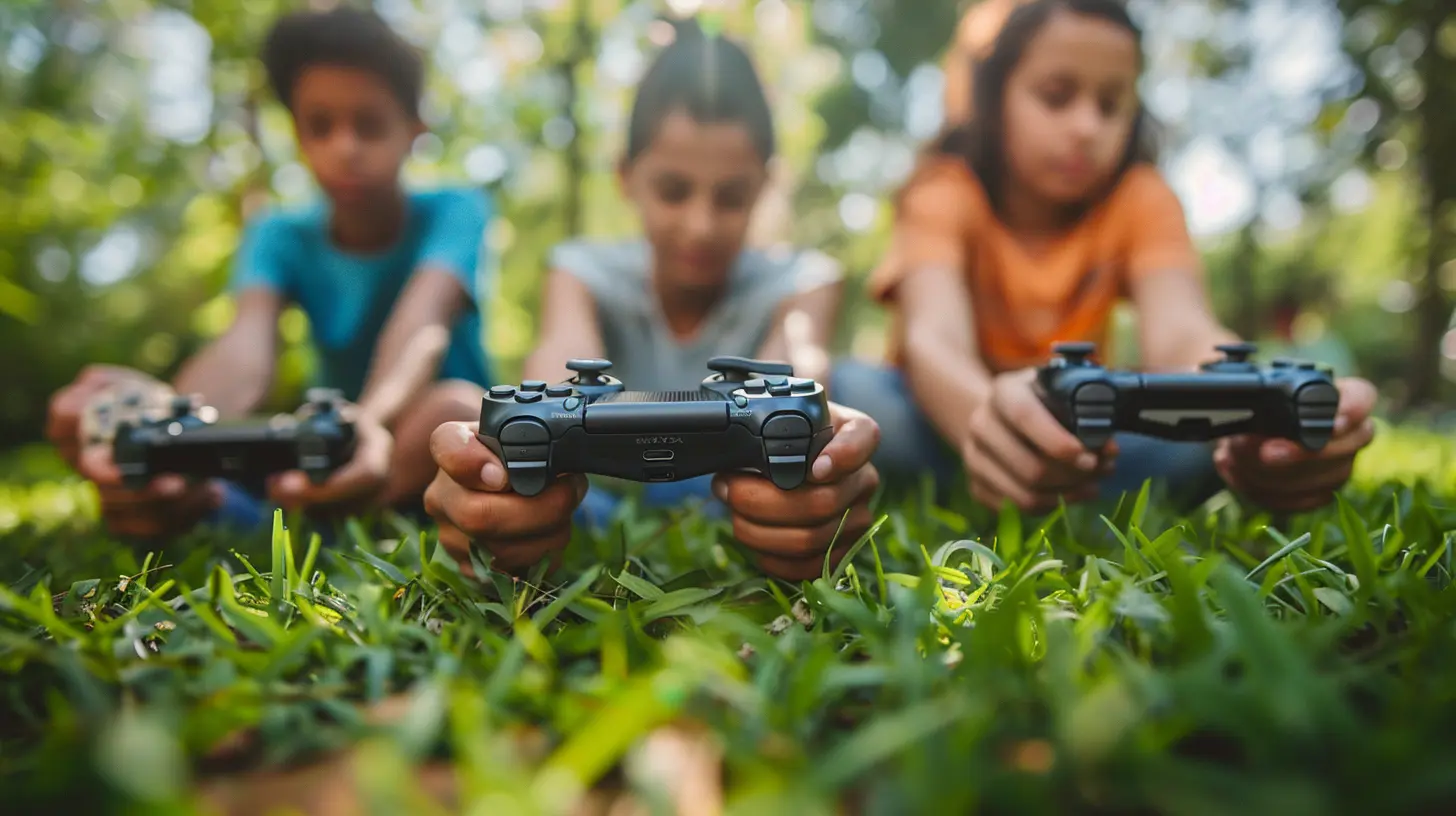
What Even Is a “Synchronous Multiplayer Game”?
Alright, let’s get nerdy for a sec. A synchronous multiplayer game is one where players are participating at the same time, in real-time. Everyone’s there. Everyone’s active. Everyone’s equally responsible for whatever disaster’s about to unfold.Think Call of Duty, Fortnite, Apex Legends, Rocket League — or even Among Us if you’re more into murdering friends with a smile.
Unlike asynchronous games (think chess-by-email… yes, that’s a thing), synchronous games demand immediate reactions, real-time strategies, and instant communication.
And if you’re not down to talk? You’re probably the reason the squad got wiped. Just saying.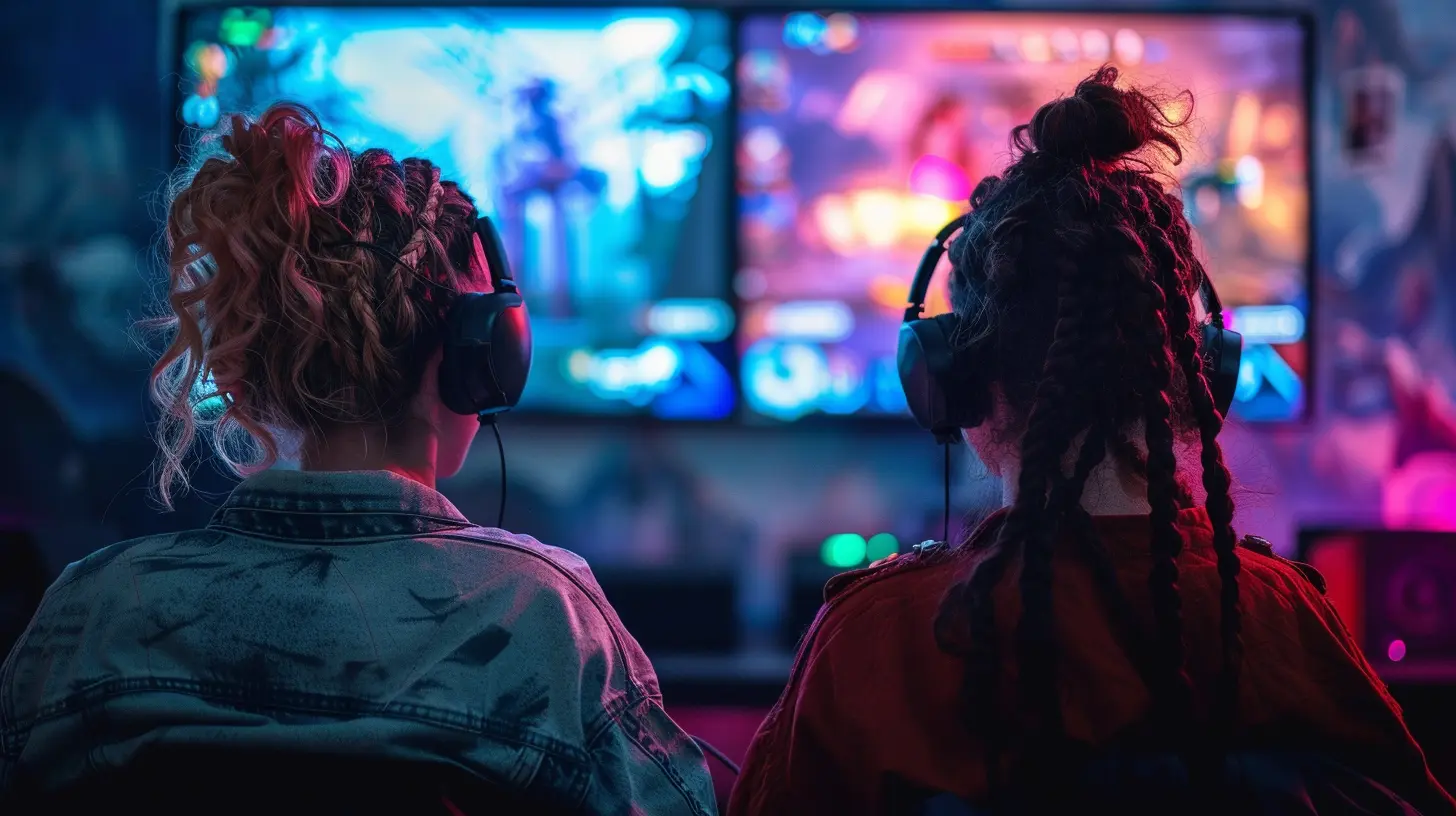
Communication Is Key (When It's Not Just Yelling Into The Void)
Sure, not every team chat is a TED Talk, but synchronous games force players to talk to each other. And by “talk,” I don’t just mean spamming “GG EZ” after every match.There’s actual strategy happening. Real-time problem-solving. Feedback loops faster than the Wi-Fi can lag.
When you’re facing enemies right now — not “sometime later this week” — you’ve got to make decisions fast. That means asking, explaining, warning, planning, and yes, sometimes screaming.
Team Chat: The Modern-Day Communication Classroom
Microphones, ping systems, emotes, voice chats, text boxes — pick your poison. These games come loaded with tools that encourage us to communicate better.And no, “better” doesn’t mean “nicer” — but it does mean “more often,” “more effectively,” and “more efficiently.”
Because honestly, who has time to type “Would you kindly revive me?” when someone’s chucking grenades at your head? “REVIVE” does the trick just fine.
Synchronous Games Turn Shy Players Into Commanders
You know that quiet kid in your squad who only said “hello” at the beginning of the match? He’s shouting “FLANK LEFT” and calling out enemy positions like he’s got a headset in a war room six minutes later.Synchronous gameplay melts away social anxiety by demanding teamwork in a low-pressure (but high-adrenaline) environment. You’re not presenting a PowerPoint — you’re trying to keep your squad alive. Big difference.
Instant Feedback Means Instant Improvement
You mess up? Someone tells you. Right then and there. You get roasted and then corrected. You course-correct mid-game. It’s raw, unfiltered, and weirdly beautiful.Unlike other forms of communication training (like, say, corporate workshops full of trust falls and buzzwords), synchronous games throw you into the deep end and say, “Swim, buddy.”
Spoiler alert: Most of us learn pretty fast when there are digital zombies involved.
Real-Time Collaboration Builds Real-Life Skills
There’s a reason why employers are low-key impressed when you casually drop that you’ve led a 5-man raid team for three years. Whether they admit it or not, that’s collaboration at its peak.Planning under Pressure
In the middle of a Dota 2 match, there’s no “let me get back to you after consulting the team.” You are the team, and the enemy is halfway to wrecking your base. GO.Synchronous multiplayer games teach us how to digest information quickly, communicate relevant info, and make decisions that impact everyone. Hello, leadership skills. Nice to see you show up in a Battle Royale.
Managing Conflict (Or Just Not Starting Fights Every Five Seconds)
You will clash with teammates. It’s part of the experience. But in fast-paced games, there’s no time for drama. Someone needs to defuse the situation and unify the team — or you all lose.Guess what that teaches? Emotional intelligence. Conflict resolution. The elusive “mature communication” skill HR departments are obsessed with.
Gaming Lingo: A Whole New Language (With Surprisingly Universal Application)
Let’s talk pings, callouts, and coded phrases that sound like gibberish to outsiders.“Top mid, low HP, rotating A — need cover!” might sound like word salad to grandma, but for gamers, it’s poetry in motion.
Learning to use shorthand, adapt to different team communication styles, and speak in ways your teammates understand? That’s next-level interpersonal skill-building, baby.
Shout-Out to Ping Systems
For every antisocial gamer still refusing to get on voice chat (you know who you are), ping systems have become the bridge between silence and strategy. Want to mark an enemy, point out loot, call for help, or say “let’s go here”? BOOM — just ping it.It's basically emojis for elite tactics. And it’s making communication accessible for everyone — yes, even the introverts.
Cross-Cultural Communication, Anyone?
If you think talking to your own team is a challenge, try doing it when English isn’t the default language. Synchronous games are global playgrounds. That guy from Sweden? He just saved your bacon. That player from Brazil? She’s got the best strat you’ve ever heard.Synchronous multiplayer games force us — gently or not-so-gently — to bridge language barriers, adapt communication in real time, and listen more closely.
Gamers Become Accidental Diplomats
You start learning basic words from different languages. You adapt your tone, simplify your phrases, and use universal signals to get the job done. Congratulations — you're now a part-time UN translator with a side gig in base defense.Who knew gaming could make you more worldly?
Non-Verbal Communication? It’s a Whole Thing.
Sometimes it’s not what you say — it’s how you move.In fast-paced synchronous games, players rely heavily on non-verbal cues: positioning, movement patterns, reaction timing.
You learn to read body language — digital body language, sure — but the skill crosses over into real life. Ever predicted your coworker was about to throw you under the bus in a meeting just from their eye twitch? That’s gamer intuition, my friend.
Bonding Through Shared Chaos
Let’s be real — nothing brings people together like narrowly escaping a wipeout or pulling off an epic win at the last second.These moments create natural bonding opportunities. You remember who had your back. You remember who clutched the 1v5. And somehow, you find yourself genuinely caring about that stranger from Norway who just saved your digital life.
Fast Friends, Real Conversations
It starts with gaming small talk (“Nice shot, bro!”), then escalates into real talk (“What’s your Discord?”), and before you know it, you’re sharing memes, life stories, and arguing over pineapple on pizza like lifelong friends.All because you played one match. Talk about communication goals.
Synchronous Games vs. Asynchronous Games: The Showdown
Let’s not pretend asynchronous games don’t have merit. They’re great for that one friend who only logs in every three days (we still love you). But compare them to synchronous games in terms of communication? It’s not even a fair fight.Asynchronous: The Land of Lonely Turns
You make a move. You wait. You hope the other player checks back in sometime this decade. Maybe you get a message. Maybe not.It’s the texting of gaming — slow, awkward, and full of miscommunication potential.
Synchronous: The Arena of Actual Interaction
You’ve got voices. You’ve got reactions. You’ve got the rhythm of a team working in real-time. This is the FaceTime of gaming — fast, interactive, and surprisingly intense.In short? It’s where real communication gets forged in the fires of 360 no-scopes and last-minute flag captures.
Let’s Wrap It Up
Synchronous multiplayer games aren’t just digital arenas full of shouting teenagers and questionable usernames. They’re unexpected boot camps for communication: teaching us to speak clearly, listen carefully, make fast decisions, and work as a team — even when we’re losing horribly.And let’s be honest — if you can coordinate a squad of four randoms into winning a match while dodging sniper fire and resisting the urge to rage quit, you're basically ready to run your next office meeting or negotiate hostage situations. (Okay, maybe not literally, but you get the idea.)
So the next time someone says gaming is “a waste of time,” just smile and say, “I’m building elite communication skills through high-stakes synchronous collaboration, thank you very much.”
Boom. Conversation ended. Just like that clutch round win.
all images in this post were generated using AI tools
Category:
Games And Social SkillsAuthor:

Aurora Sharpe
Discussion
rate this article
2 comments
Dorothy McNulty
Great read! It's fascinating how synchronous multiplayer games can enhance communication among players. The real-time interactions really create a unique bond and improve teamwork. Can't wait to see how this evolves in future gaming experiences. Keep up the great work!
June 29, 2026 at 2:42 PM
Cora Kirkland
Synchronous play reveals hidden truths... can you handle the truth?
May 28, 2026 at 3:20 AM
Aurora Sharpe
Absolutely, synchronous play can bring out real dynamics in communication. It challenges players to adapt and engage in ways they might not otherwise. The truth can be surprising, but that's what makes it valuable.