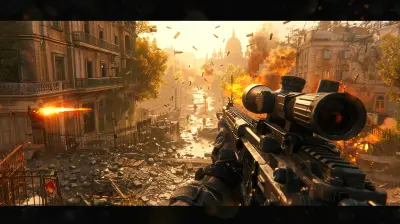
The Role of Vehicles in Large-Scale Shooter Battles
13 June 2026
When you dive into a massive multiplayer shooter—think Battlefield, Planetside 2, or even some newer open-world battle royales—you’ll quickly realize one thing: vehicles are game-changers. We're not just talking about a jeep to get you from point A to point B. We're talking tanks, helicopters, fighter jets, and even futuristic hovercrafts that can flip an entire match on its head.
In large-scale shooter battles, vehicles aren’t just flashy add-ons. They’re the glue between strategy, teamwork, and sheer brute force. Let’s break down why hopping into that armored tank might be the smartest (or dumbest) move you’ll make next match.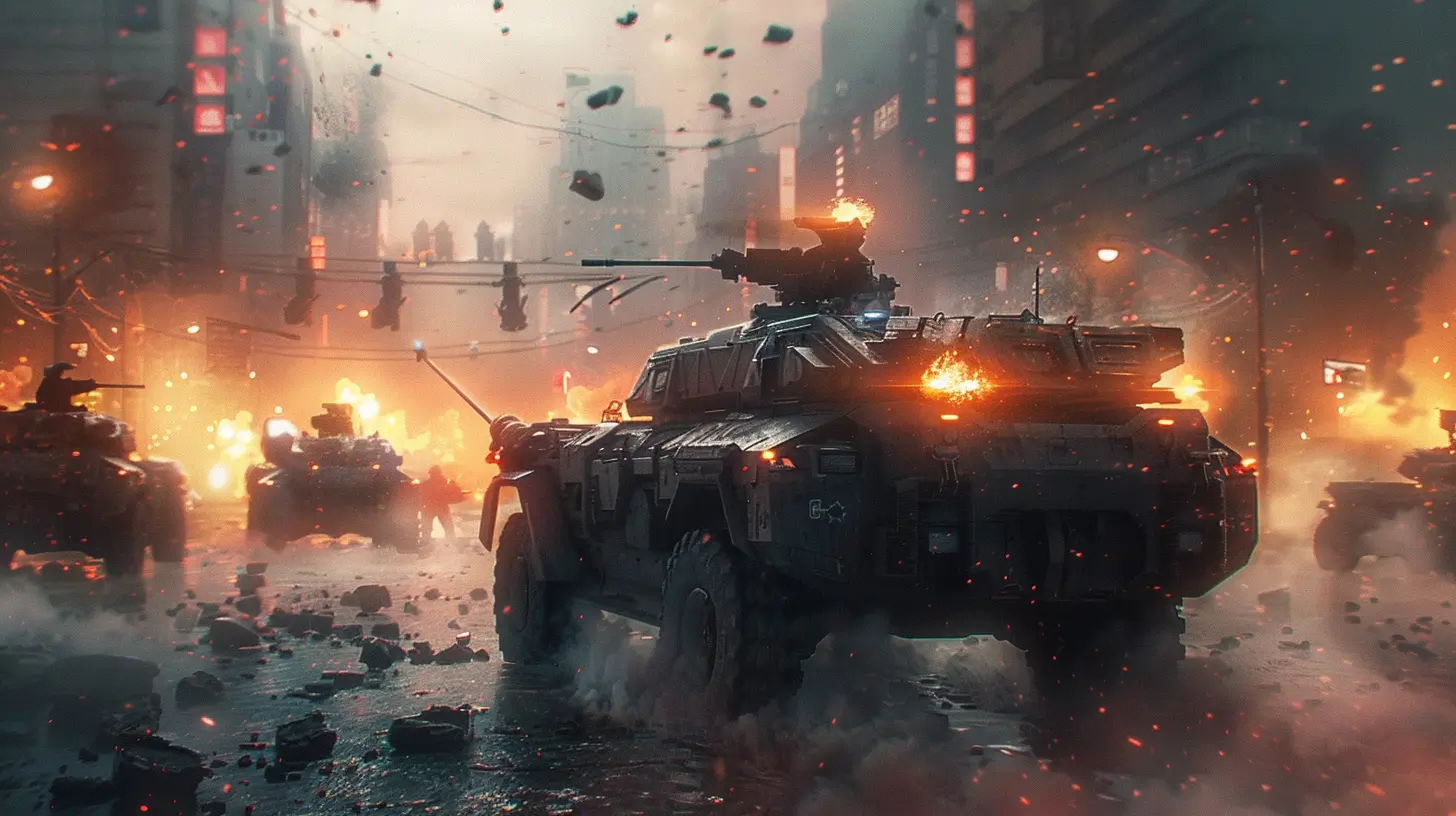
Why Vehicles Matter in the Big Picture
Amplifying Mobility in HUGE Maps
Large-scale shooter maps tend to be... well, huge. Like “run-for-10-minutes-to-fight-someone” huge. Without vehicles, movement across vast landscapes turns into a marathon. Vehicles solve that.From light ATVs that zip across terrain to giant transports that can carry entire squads, vehicles shrink the map. They let players reach objectives faster, outflank enemies, or escape sticky situations. Think of them as the bloodstream of the battlefield, keeping the flow of action alive.
Shifting the Power Dynamic
Ever tried taking a base guarded by a tank and snipers on a hill... with just your gun? Yeah, good luck with that.Vehicles like tanks and helicopters don’t just bring firepower—they bring fear. A well-positioned vehicle can dominate visually and strategically. They offer cover, fire support, and psychological intimidation. It’s like showing up to a knife fight with a full-blown cannon.
Creating Tactical Diversity
Another overlooked aspect? Variety of roles. Vehicles add new layers to gameplay. You’re not just a soldier anymore—you might be a pilot transporting allies, a tank gunner supporting ground troops, or a sneaky ATV driver scouting enemy lines.This variety means players can pick roles that fit their playstyle, making every battle feel dynamic and personalized.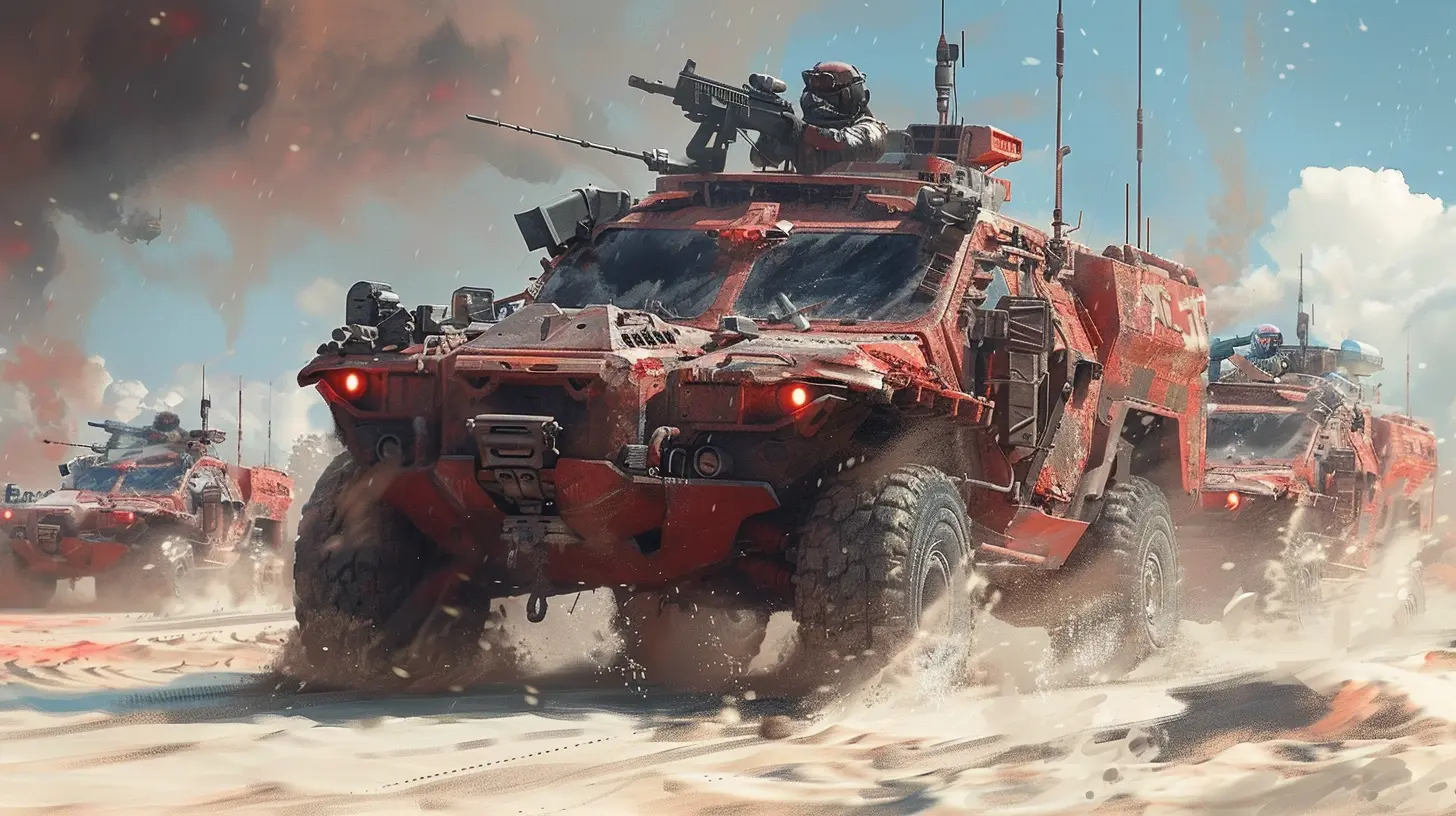
Different Vehicle Types and Their Battlefield Roles
Each vehicle type serves a distinct purpose. Let’s break it down.1. Tanks – The Battlefield Behemoths
Tanks are the alpha predators of the ground war. Slow, heavily armored, and packing a punch that can level buildings, tanks are built for pure domination.But they’re not invincible. The moment an infantryman with a rocket launcher or a sneaky C4 shows up, your tank can become a fiery grave. That’s the beauty of it—tanks are powerful, but they require good positioning and often need infantry support.
> Want to feel like a god on the battlefield? Grab a tank. Just don’t forget that even gods can fall.
2. Armored Personnel Carriers (APCs) – The Mobile Fortresses
These guys are like tanks’ little cousins. Less firepower, more utility. APCs are all about transporting squads while offering decent defense and some offensive capabilities.They’re the unsung heroes. They get troops into the fight, provide spawn points, and can even act as mobile command bases when used smartly.
3. Transport Vehicles – Squad Movers
Jeep-style vehicles, ATVs, or flying dropships are all about getting boots on the ground quickly and efficiently. Speed is their main weapon.They’re not flashy, and they won’t win you battles directly, but without them, you'd spend half your playtime on foot. Get in, get out—that’s the motto.
4. Helicopters – Eyes in the Skies
There’s something thrilling about flying a chopper over a firefight. You’ve got eyes on everything, and whether you're providing support with missiles or air-lifting squads, helicopters feel powerful.But here’s the catch: they require skill to fly. A newbie pilot can crash your hopes (and your squad) in seconds. Skill gap? Very real.
5. Jets – Air Superiority Kings
Jets are high-risk, high-reward. They’re fast, agile, and deadly—but also hard to master.In large-scale battles, controlling the skies with jets can mean the difference between victory and defeat. They can take out enemy aircraft, bomb strategic targets, and scout from above.
But one slip-up? You’re a flaming comet spiraling into a mountain.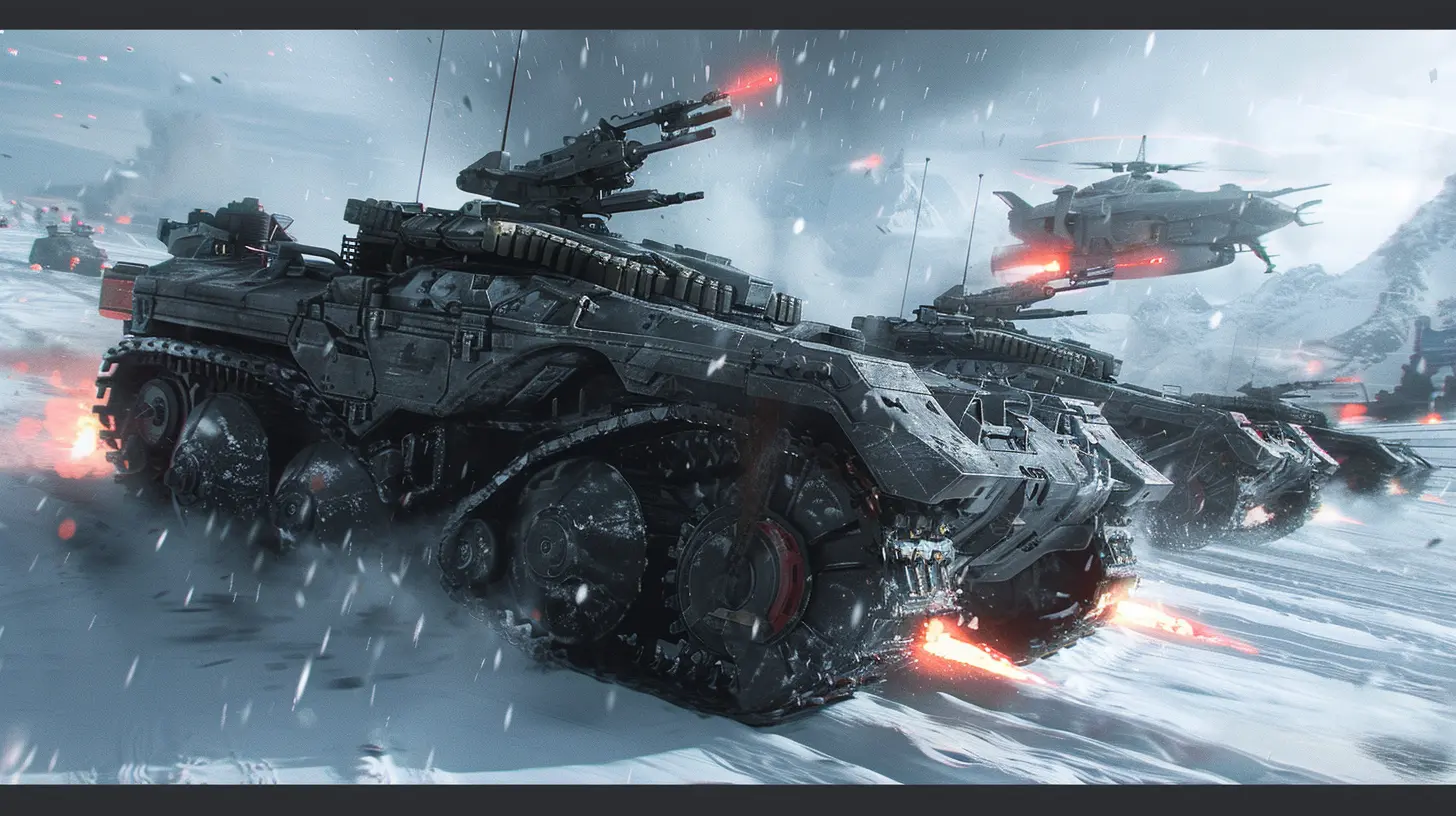
Teamwork is Everything—Especially With Vehicles
Vehicles may pack power, but they’re usually not solo machines. You need coordination.Crew-Based Combat
Many vehicles need multiple players to run at full effectiveness. A tank with only a driver? Useless. A chopper without a gunner? Sitting duck. Jet with no one spotting targets? You’re just flying blind.Good teams communicate, assign roles, and use vehicles strategically. You’ll start to see squads forming around vehicles—engineers repairing, infantry covering flanks, and gunners laying down fire.
> In big battles, a well-oiled vehicle crew can be more terrifying than a dozen lone wolves.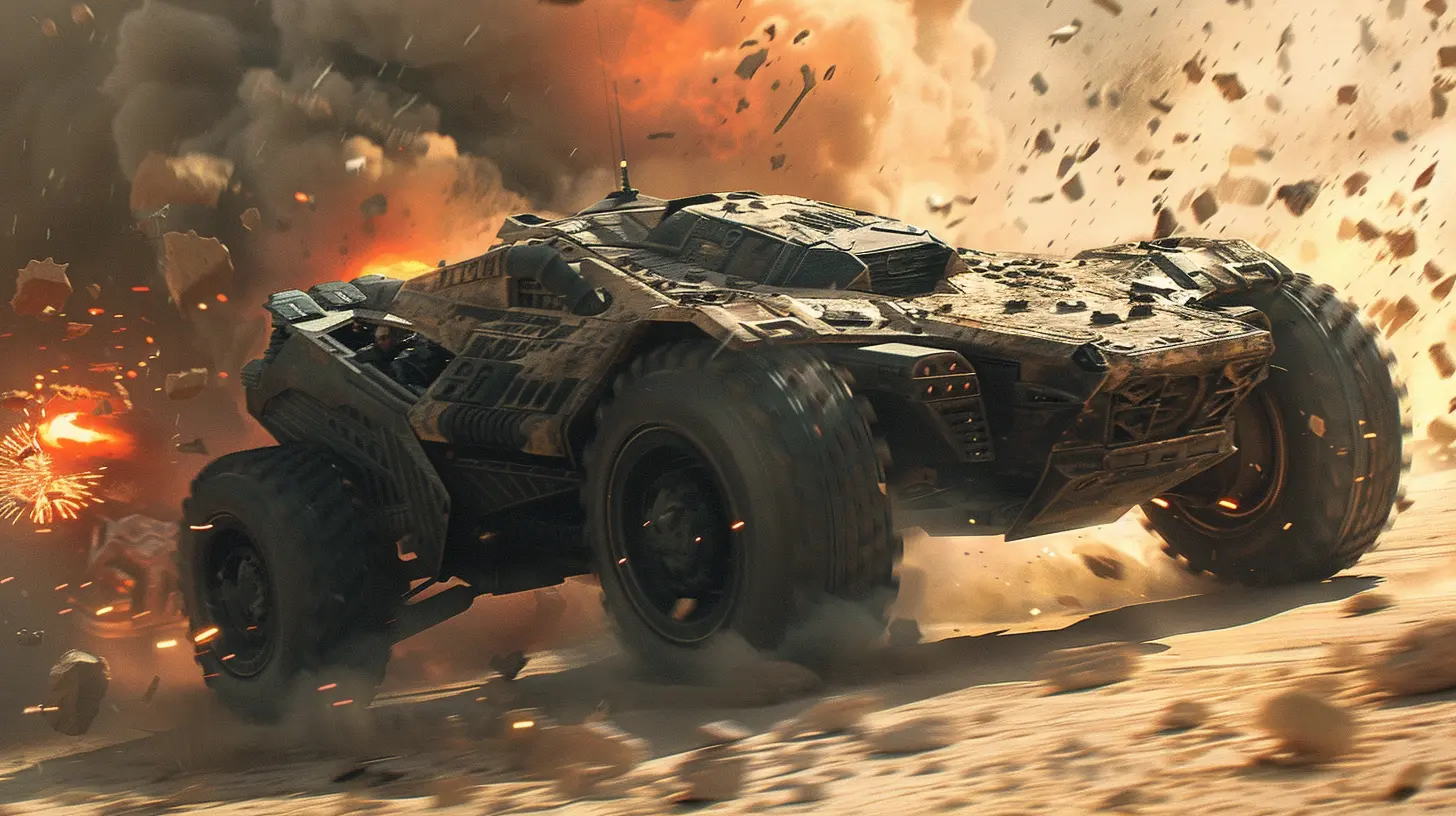
The Strategy Side: Vehicles as Chess Pieces
Controlling Choke Points
Vehicles can dominate tight spaces like bridges and canyons. Park a tank at a choke point, and suddenly you control the flow of the game. Enemies can't push without risking heavy losses, and your team can regroup safely.Base Breaking
Stalled during a base assault? Call in the big guns. Vehicles can break dug-in defenses and force enemies to reposition. That moment when an APC breaches the gate is like the fortress walls falling—everything changes.Counterplay and Balancing
Now let’s be real for a second—vehicles can be OP. That’s where counterplay comes in.Infantry with RPGs, mines, EMPs, or well-placed ambushes keep vehicles in check. Air vehicles are vulnerable to AA guns. The best games make sure every vehicle can be countered, but not easily.
You’ve got to think. Do you rush a tank with explosives? Do you bait a jet into AA fire? This tug-of-war is what keeps large-scale battles so satisfying.
The Psychological Impact of Vehicles
Let’s talk about mind games.Sound and Presence
Hear the low rumble of an approaching tank? Or the high-pitched scream of a jet diving? That’s fear. Vehicles mess with your head before you even see them.Players react instinctively. They might scatter, hide, or even abandon objectives. Skilled players use this to their advantage—forcing mistakes just by showing up in a powerful vehicle.
Prestige and Intimidation
Some vehicles are hard to get—either by cost, cooldown, or skill requirement. So when someone sees that rare jet or high-tier tank, it’s an automatic "Oh crap" moment.The presence of a vehicle can change the tempo of an entire match. One jet can keep enemy forces pinned. One armored convoy can turn a weak flank into the main assault.
Player Experience: Why We LOVE Fighting With (and Against) Vehicles
The Power Fantasy
Let’s be honest—who doesn’t want to be the hero in the tank charging through enemy lines? Vehicles tap into that raw power fantasy like nothing else in a shooter.Even if you lose, that adrenaline-fueled ride is worth it.
The 'Holy Crap' Moments
Large-scale battles naturally create storytelling moments. But throw in a vehicle? Now you’ve got chaos and spectacle. The helicopter crashing into a building. The jeep launching off a cliff. The tank duel in a field of smoke.These are moments burned into our gaming memories. Vehicles amplify the drama.
How Games Handle Vehicles Differently
Not all shooters use vehicles the same way. Let’s run through a few approaches.Realism-Focused Games (e.g. Squad, ARMA)
These games treat vehicles like real military assets. You need training, coordination, and logistics. Every bullet counts. Repair, resupply, and caution are key.It’s slower-paced but incredibly immersive. Vehicles feel like a privilege, not a toy.
Arcade-Style Shooters (e.g. Battlefield, Halo)
More explosions, more fun. You can jump into a jet with five minutes of playtime. Vehicles are powerful but balanced for chaos. Fast respawns, dramatic effects, and action-first design.It’s war, turned up to 11.
Hybrid Games (e.g. Planetside 2)
Planetside blends persistent worlds and large-scale battles with accessible vehicles. Everyone can get in a vehicle, but mastering it—now that’s the trick. These games reward both casual chaos and coordinated strategy.The Future of Vehicles in Shooter Games
With evolving tech, destructible environments, and more players per server, we’re only scratching the surface of what vehicles can offer.Imagine fully customizable tanks. Drone strikes from a mobile command vehicle. AI-assisted co-pilots. Cross-terrain vehicles adapting to dynamic weather. The possibilities are wild.
Games are blurring the line between simulation and arcade—and vehicles are right at the center of that evolution.
Final Thoughts: Why Vehicles Are More Than Just Metal and Wheels
At the end of the day, vehicles in large-scale shooter battles aren’t just about firepower. They’re about choice. About strategy. About creating moments that stick with you long after the match ends.They bridge the gap between solo gameplay and team coordination. They bring chaos, order, strategy, and spectacle—all rolled into one smoking, rumbling, metal-clad package.
So next time you're in the thick of it, and you hear that chopper overhead or that tank rolling by—don’t just see it as another threat.
See it as what it is: the heartbeat of the battlefield.
all images in this post were generated using AI tools
Category:
Shooter GamesAuthor:

Aurora Sharpe
Discussion
rate this article
1 comments
Jennifer McClintock
Great article! Vehicles add a unique layer to large-scale battles, enhancing strategy and teamwork. They can turn the tide of a match in an instant. I love how they encourage different play styles and make each game feel fresh and exciting.
June 25, 2026 at 3:23 AM
Aurora Sharpe
Thanks for the feedback! I'm glad you enjoyed the article. Vehicles really do change the dynamics of gameplay in exciting ways.