Why Game-Based Learning Works in Social Development
27 June 2026
We’ve all heard the old saying, “All work and no play makes Jack a dull boy.” Well, guess what? There’s truth in that. Especially when it comes to learning and social growth. Game-based learning isn’t just a buzzword tossed around in educational circles—it’s a powerful, proven approach that’s revolutionizing how we build social skills.
In this article, we’re diving deep into the “why” and “how” of game-based learning, and more importantly, how it works wonders for social development in both kids and adults. Grab your controller—or maybe a board game—and let’s break it down.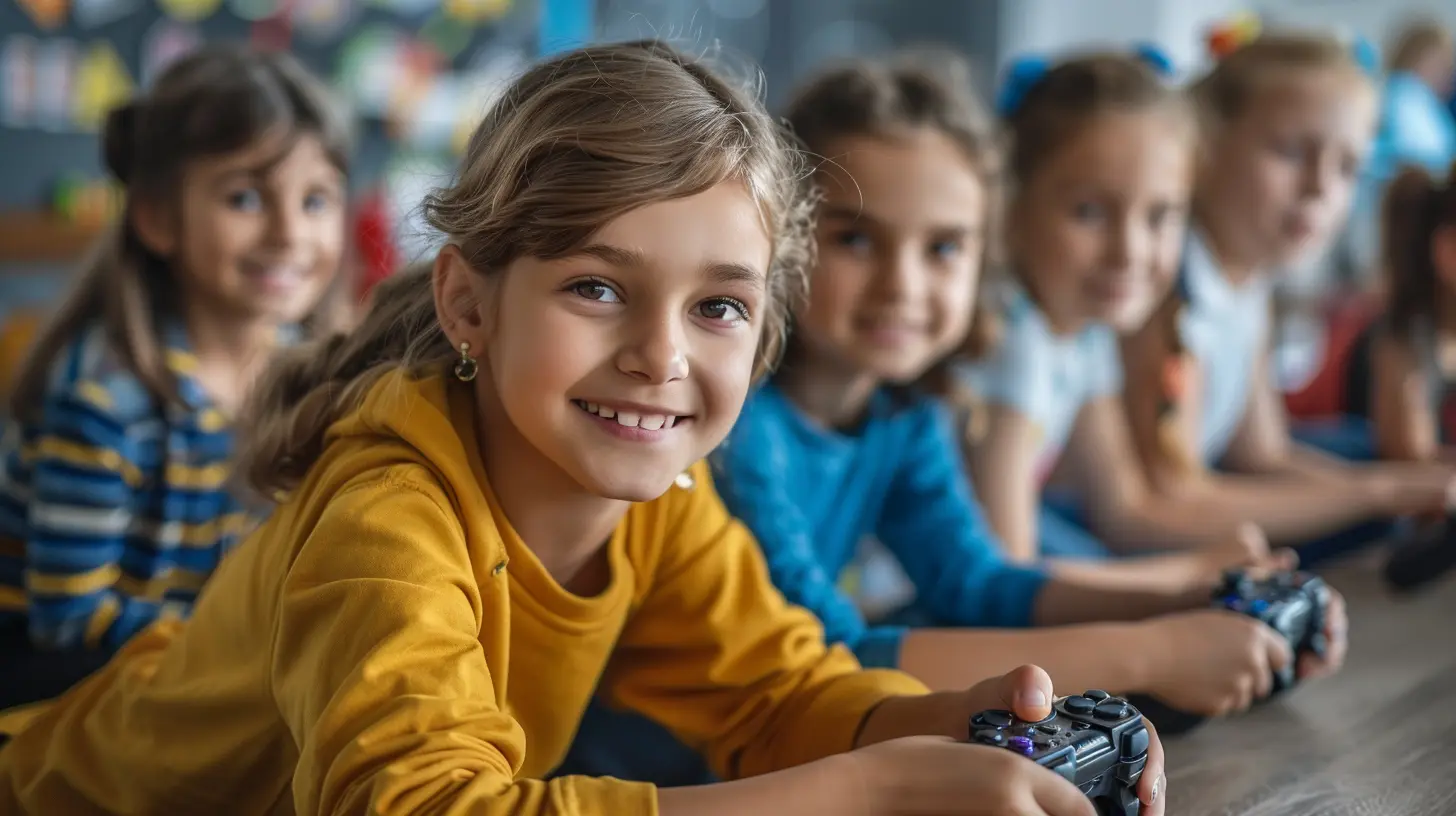
What Is Game-Based Learning Anyway?
Before we jump into the “why it works” part, let’s get clear on what we’re even talking about.Game-based learning (GBL) is an approach where games—digital or analog—are used as a primary means of teaching. It’s not just about playing aimlessly. These games are intentionally designed or selected to teach specific skills, concepts, or social behaviors. You might be solving puzzles with your classmates or working together in a virtual world to complete a mission. The idea? Learning through play and interaction.
Now, let’s look at why this playful method is so effective when it comes to developing social skills.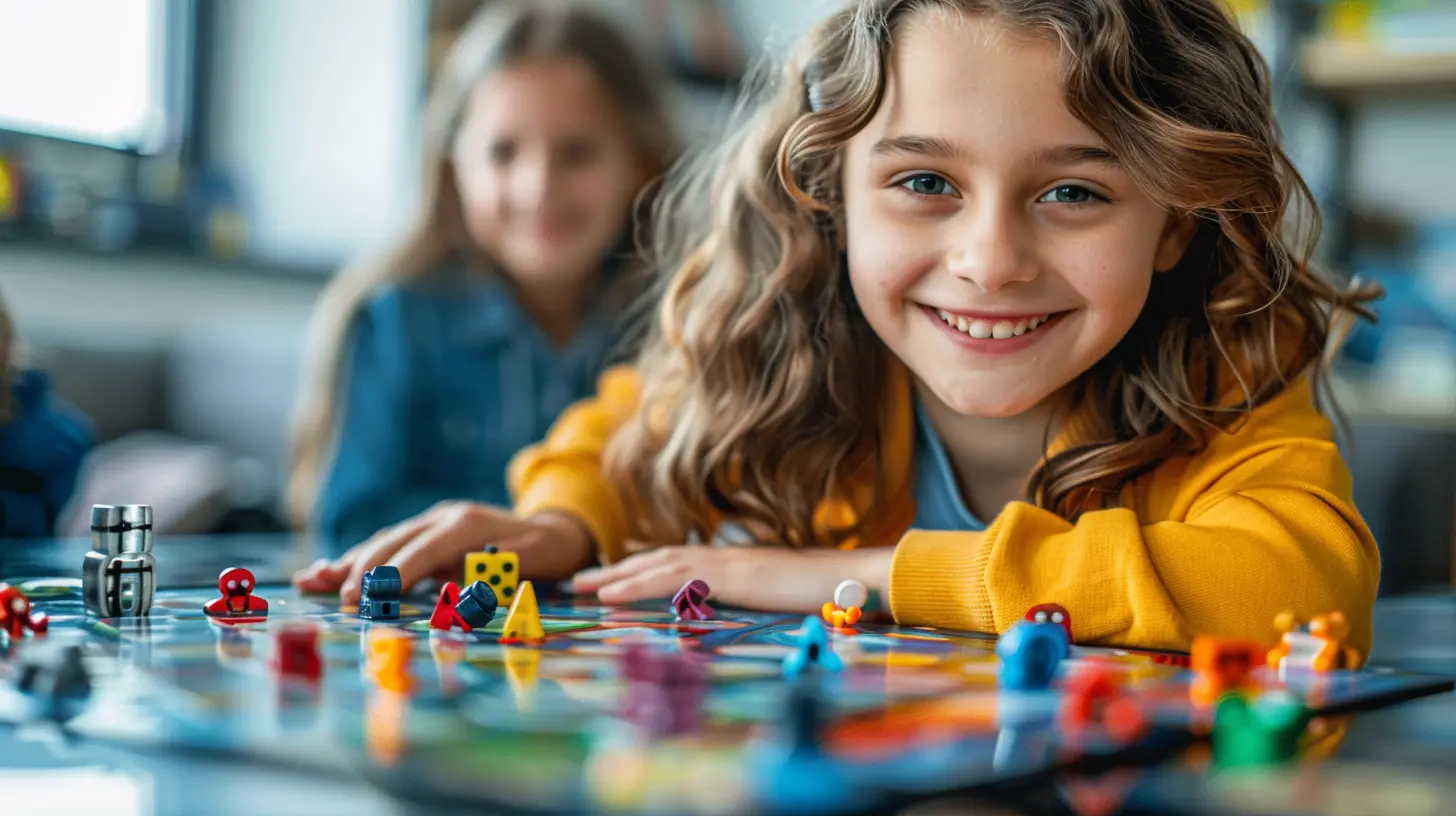
1. Builds Teamwork and Collaboration
Ever tried getting through a cooperative game without communicating with your partners? Spoiler alert: it doesn’t go well.Games naturally promote teamwork. Whether it’s a multiplayer video game like Minecraft or a classic board game like Pandemic, players are constantly strategizing, dividing tasks, and helping each other succeed. In doing so, they practice essential teamwork skills like:
- Active listening
- Delegation
- Conflict resolution
- Empathy
The beauty is that players aren’t just told to be team players—they have to be, or the game doesn’t progress. That’s immersive, hands-on learning in action.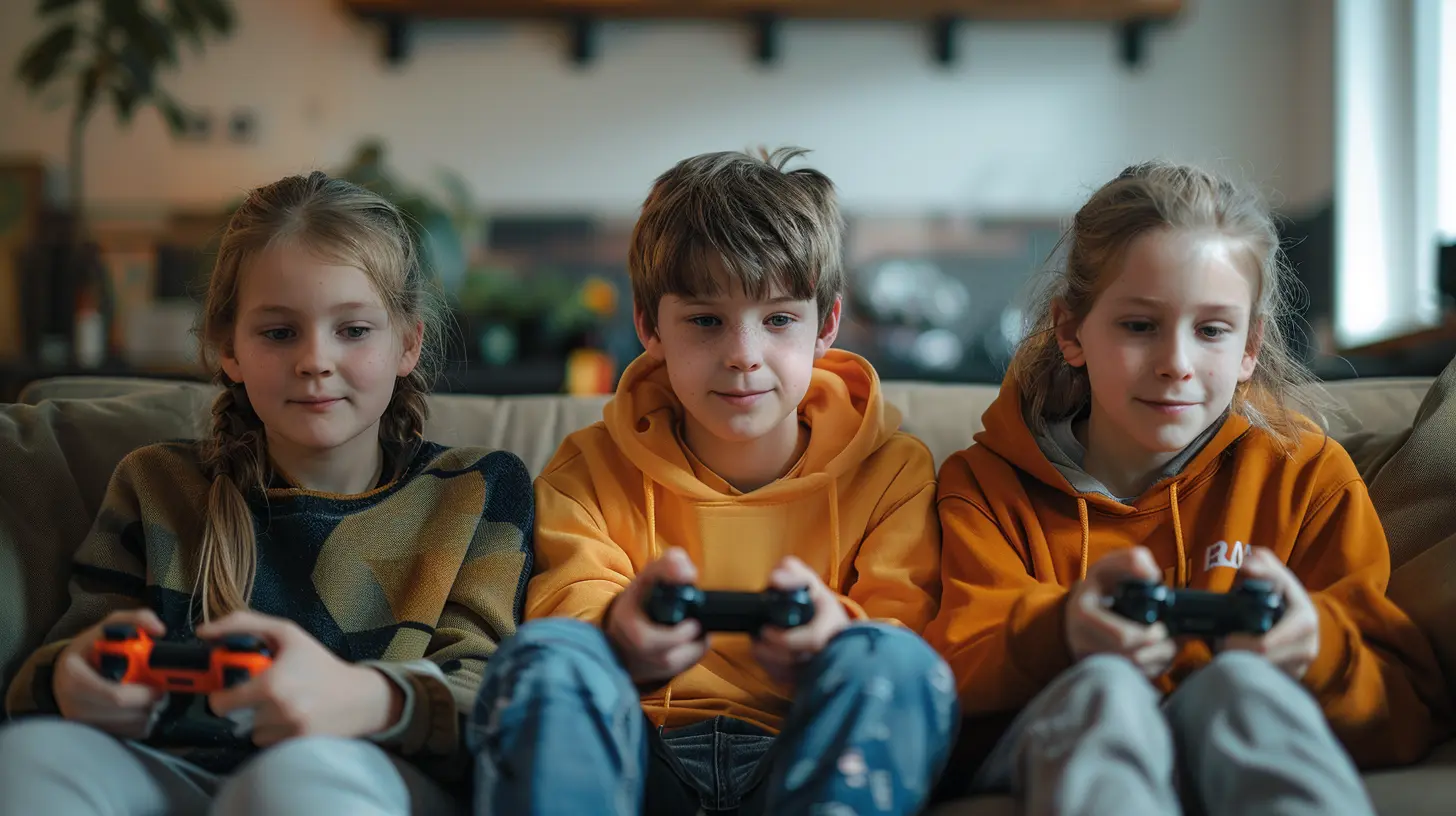
2. Encourages Effective Communication
Games usually demand that players talk to each other—quickly, clearly, and often. Whether it’s calling out directions, sharing game plans, or negotiating during gameplay, participants learn how to communicate better.Take a fast-paced team game like Overcooked, for example. One wrong word or delay and you’re serving burnt food. This pressure to get messages across effectively builds better communicators naturally, minus the boring lectures on “how to communicate.”
3. Fosters Emotional Intelligence
Social development isn’t just about talking—it's about feeling. Understanding others, managing emotions, navigating stress... these are all under the umbrella of emotional intelligence. Believe it or not, games help with that too.In-game, players experience wins, losses, pressure moments, and high stakes situations. They learn to cope with frustration, celebrate wins respectfully, and support others during loss. Multiplayer games especially create emotional micro-labs where players observe and adjust to each other’s feelings.
Over time, this builds key emotional intelligence skills like:
- Self-awareness
- Empathy
- Emotional regulation
- Motivation
You know someone’s developing emotional intelligence when they lose a game and still high-five their teammates.
4. Teaches Conflict Resolution
Let’s face it—conflicts are bound to happen when people interact, especially in a competitive environment. How these scenarios are handled in games can mirror real-life situations.Games provide a controlled space where players can engage in (and resolve) conflicts without real-world consequences. Maybe someone accuses another of cheating. Or two players argue over a strategy. Whatever the case, negotiating, compromising, or agreeing to disagree are all part of the learning experience.
It’s like giving real-life social challenges a training ground, but with lower stakes and more room for growth.
5. Enhances Leadership Qualities
Someone has to step up and lead, right?In many games, someone naturally takes the role of a leader—whether it’s organizing a raid in an MMO or guiding teammates through a tough level. This gives individuals the chance to build leadership without formal training or pressure.
And leadership within games isn’t just about bossing people around. It’s about inspiring teammates, leading by example, and adapting to group dynamics. These are real-world skills being practiced behind a screen or over a tabletop.
Plus, in every session, the leader can change. So everyone gets a turn at the wheel.
6. Promotes Cultural Awareness and Inclusion
Online games connect people across the globe. A single match might include players from five different countries. That’s a wild thought, right?Interacting with diverse groups helps players develop cultural sensitivity and curiosity. It’s one thing to read about different cultures—it’s another to interact with someone from another continent in real-time to reach a shared goal.
Also, inclusive game designs often allow players to choose avatars representing different genders, races, and identities. This normalizes diversity and representation, helping players appreciate differences and practice inclusion.
7. Boosts Confidence and Social Risk-Taking
Let’s talk about the shy ones. For socially anxious or introverted individuals, putting themselves out there might feel like climbing Mount Everest. But in a game? Somehow, it becomes easier.Games create a low-risk environment where players feel more comfortable expressing themselves. The anonymity of online play or the structure of board games can lower social pressure. Over time, this can build confidence, making it easier for these individuals to interact in real-life scenarios.
Think of it as social training wheels—they'll eventually ride freely.
8. Encourages Ethical Decision-Making
Morality and ethics aren’t typically things you associate with games, but think again.Many games introduce scenarios where players have to make tough choices. Think of narrative-driven games like The Walking Dead or Life Is Strange. These games force players to consider consequences, weigh right vs. wrong, and even debate with teammates.
Engaging in these moral dilemmas sharpens ethical thinking and gives players a chance to think about how their actions affect others—a key part of mature social development.
9. Provides Instant Feedback and Motivation
Let’s be real—no one likes waiting weeks for feedback on school projects. Games, though? They give you feedback instantly.You know right away if your strategy worked, if your teammate appreciated your input, or if your communication was unclear. This constant feedback loop helps learners adjust their behavior in real-time, reinforcing positive social behaviors and correcting negative ones.
Plus, the satisfaction of leveling up or earning a badge makes motivation skyrocket. That’s gamified reinforcement in play.
10. Makes Learning Fun (Duh!)
Here’s the truth bomb: if it’s not engaging, people tune out.One of the biggest advantages of game-based learning is that it’s actually fun. And when learning feels like play, social skills aren’t a chore—they’re just part of the experience.
Laughing with friends, solving problems together, and navigating drama over a game board? That beats any dry group activity hands down.
Real-World Applications: Where It’s Already Working
You might be wondering, “Is this all theory or is it really happening?”Spoiler: it’s already in action.
- Classrooms: Teachers use games like Kahoot, Classcraft, or Minecraft Education to build collaboration and communication among students.
- Corporate Training: Team-building games are a staple in employee training programs. It’s not just about fun; it builds group cohesion.
- Therapy Settings: Counselors use role-playing games to help clients with anxiety or social struggles practice real-world interactions.
- Youth Programs: Games serve as social glue, helping kids navigate peer relationships, cliques, and personal growth.
So yeah—it’s happening. And it works.
The Knock-on Effect: Social Skills Beyond the Game
Here’s the kicker: the skills developed through game-based learning don’t just stay in the game. They spill over into real life like melted ice cream on a hot day.Suddenly, a student who struggled to speak up in class is confidently presenting to a group. A team member who didn’t know how to handle disagreements is now mediating conflict at work. Those aren't magic moments—they're the results of practice and play.
The game might end, but the learning definitely doesn’t.
Final Thoughts
At the end of the day, we all crave connection. Game-based learning taps into that human need and channels it into something powerful—growth.By making learning interactive, emotional, and fun, games become more than just pastimes. They become bridges to better communication, empathy, leadership, and teamwork.
So next time someone says gaming is just a waste of time, hit them with this truth: when done right, game-based learning doesn’t just teach, it transforms.
all images in this post were generated using AI tools
Category:
Games And Social SkillsAuthor:

Aurora Sharpe
Discussion
rate this article
1 comments
Aurelia McLanahan
This article presents valuable insights into game-based learning and its impact on social development. The connection between gameplay and skill-building is compelling, and exploring this method could lead to innovative educational approaches. Great read for educators and developers alike.
June 29, 2026 at 5:00 AM