The Role of Games in Building a Sense of Belonging
12 July 2026
Let’s be real—there’s nothing quite like screaming at your friends during a late-night multiplayer session while throwing digital bananas at each other in Mario Kart. If you've ever felt like your gaming squad was more like family than friends, you're not alone. Video games aren't just about leveling up or hunting down loot; they’ve somehow become the digital glue that binds people together. Games, believe it or not, are community-building machines.
So, grab your controller, keyboard, or VR headset (if you're fancy like that), because today we're diving into how games build a sense of belonging—in the most playful, pixelated way possible.
Wait… Games and Belonging? Really?
Yes. Really.We usually think of belonging as something reserved for warm family dinners or emotional group therapy sessions—not blasting aliens on another planet with your raid team. But here's the kicker: human beings crave connection in all shapes and forms, and gaming offers one of the most interactive, low-key, and flat-out fun ways to find your people.
Games aren't just games; they’re digital living rooms, late-night hangout spots, and modern campfires where weird, wonderful friendships are forged.
Level 1: The Social Magic of Multiplayer
Let’s start with the obvious one: multiplayer games.Picture this—you’re in the middle of a chaotic Overwatch match, and your team's getting steamrolled by a scary-good Genji. You rally, coordinate, and pull off a last-second victory using nothing but grit, timing, and a bit of panicked button-mashing. That adrenaline? That teamwork? That's belonging with a side of competitive fire.
Why Multiplayer Matters
Multiplayer games mimic real-world teamwork. Only instead of making spreadsheets together, you’re slaying dragons or capturing payloads. Here's what makes multiplayer magical:- Instant teamwork: Even with strangers, you're instantly working toward a shared goal.
- Shared triumphs and failures: You celebrate the wins and laugh off the fails—usually.
- Communication: Text, voice chat, or emotes—gaming forces you to connect.
It’s like joining a pick-up soccer game, except you don't need cleats or to actually go outside. Introverts, rejoice!
Level 2: Guilds, Clans, and That One Discord Server
Ever joined a clan in Destiny 2 or a guild in World of Warcraft? That’s more than just a status symbol. A guild is a group of like-minded nerds who assemble not just to complete raids but to gossip about loot, share memes, and ask why Steve is ALWAYS late to the weekly dungeon. (Come on, Steve.)Games as Digital Campfires
These community structures are where real relationships form. Think of them as modern bonfires—minus the marshmallows but with better Wi-Fi.- Shared language and rituals (yes, even yelling “Leeroy Jenkins!” counts)
- Scheduled gatherings that build consistency
- Inside jokes that somehow revolve around potion hoarding
These are all classic signs of belonging. Whether it’s a Discord server where everyone shares pet photos or a group chat planning your next Fortnite meetup, games create communities that often extend well beyond the screen.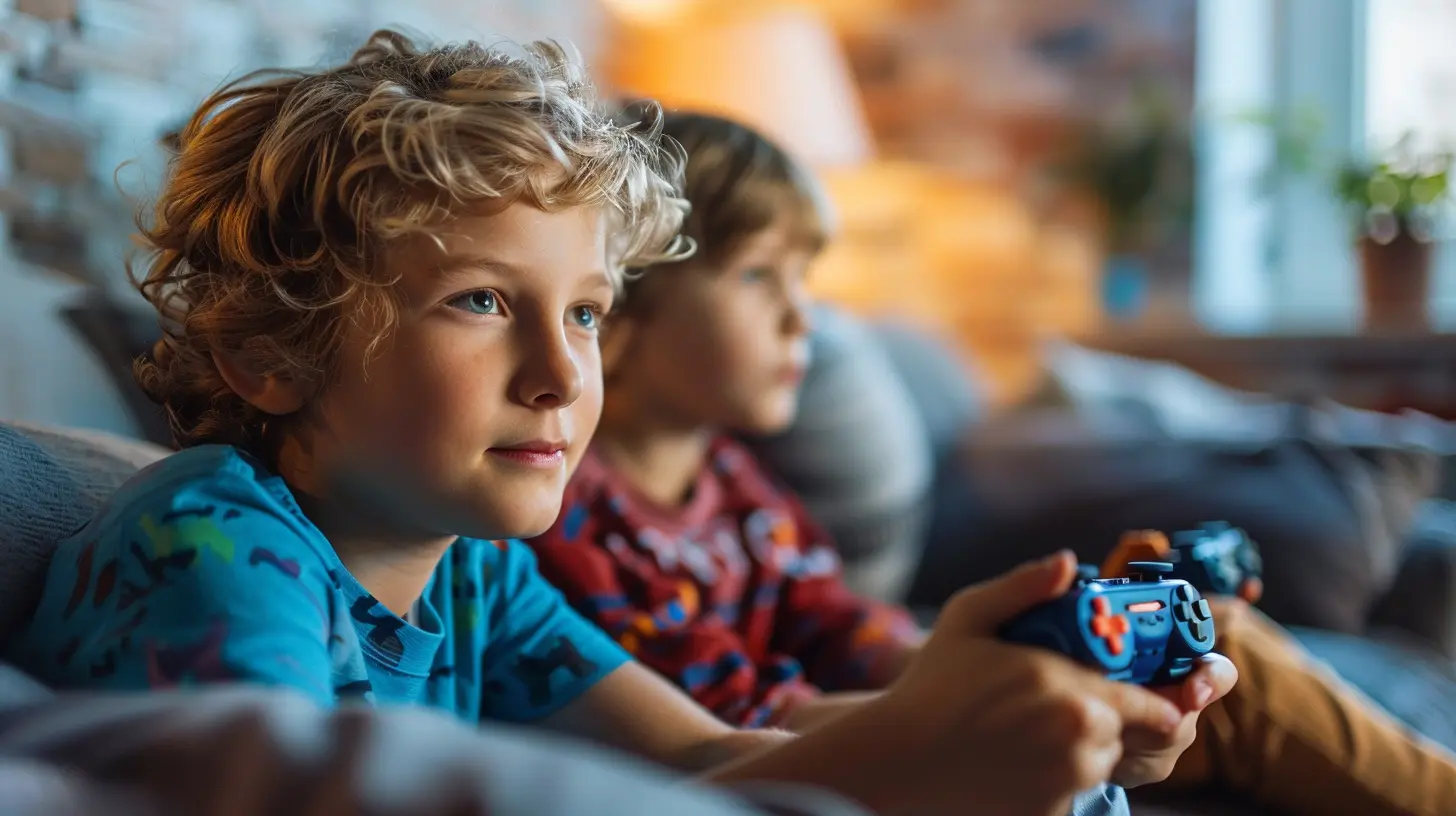
Level 3: Identity and Avatars — Be Who You Wanna Be
One of the coolest things about gaming? You can literally design your identity.Want to be a powerful elven mage with rainbow hair and a tragic backstory? Go for it. Prefer being a giant sentient strawberry with a jetpack? Your move, champ.
The Freedom to Express Yourself
Games let people explore parts of who they are—or who they want to be—in safe, creative spaces. This freedom empowers folks, especially those from marginalized communities, to find acceptance and connection.- LGBTQ+ gamers find welcoming communities
- Neurodivergent gamers thrive with structure and interaction
- Gamers with disabilities use adaptive tech to fully participate
All of this adds up to one powerful reality: games give people a chance to belong authentically, without having to mask their identity like we often do in the “real world”.
Level 4: Shared Struggles and Inside Jokes
Remember the first time you couldn’t beat that one boss after 73 attempts? Or when your friend accidentally blew up your house in Minecraft? (Still not forgiving you, Jake.)These are the shared experiences that hardwire belonging into our brains.
The Power of Struggle
Psychology says we bond through shared hardship. And while a brutal boss fight might not be on the same level as running a marathon, it feels just as intense when you finally see that victory screen after five hours of pain and pizza-fueled rage.And the Memes—Oh, The Memes
Gamers have their own flavor of humor. It’s weird, obscure, and almost incomprehensible to outsiders.- “Press F to Pay Respects”
- “The cake is a lie”
- “Arrow to the knee”
If you chuckled at any of those, welcome—you already belong.
Level 5: Cross-Cultural Connection Over Ping and Pixels
One of the best things about online multiplayer is that your squad might hail from five different countries and three time zones—but somehow you all understand that healing the tank comes first. Always.Gaming Is a Global Language
Even if you don't speak the same language, games unite people across borders. Whether it's through gameplay mechanics, emoticons, or interpretive dance via character emotes, communication finds a way.This global connection expands your world and makes it feel cozier at the same time. Like a massive digital quilt, stitched together by lag spikes and late-night victory dances.
Level 6: Gaming Events are Basically Nerd Woodstock
Ever attended a big gaming convention like E3, PAX, or Gamescom? Or even just tuned in to a live Twitch stream or esports match?From Lonely to Legendary with One Login
These events are a huge deal, not just for product announcements but for gathering the tribe. Thousands (even millions) of people celebrate a shared passion in real-time. Whether it’s cheering for your favorite team or screaming at the latest Elden Ring trailer, the energy is electric.You walk into these virtual or real-world events as a stranger and leave as part of a hype-fueled family.
Level 7: The Wholesome Side of the Internet (Yep, It Exists)
Let’s take a moment to talk about some feel-good stuff.You’ve probably seen it—gamers banding together to support a sick kid’s charity stream, or building entire virtual schools in Minecraft when pandemic lockdowns hit.
Solidarity Through Pixels
Games aren’t just entertainment. They mobilize communities, raise money, support mental health, and provide meaningful social support.And in many cases, they become a lifeline. For people dealing with anxiety, depression, or loneliness, that daily login, that one friendly username, or even that annoying griefing friend—can mean everything.
Final Boss: Are There Downsides?
Okay, so not everything is sunshine and golden loot. Toxic players exist. Gatekeeping happens. And yes, sometimes someone will scream obscenities at you in a lobby because you didn't heal them fast enough.But even with these issues, the overwhelming majority of gaming spaces foster positive, inclusive environments. And the industry is becoming more aware (and responsive) to these concerns with reporting tools, moderation, and inclusive design.
So yeah, games aren’t perfect. But they're evolving—just like your favorite 8-bit character who now has ray tracing and 4K resolution.
The Endgame: Belonging, Unlocked
At the end of the day, games aren't just games. They’re digital playgrounds, therapy couches, and global meeting points all wrapped in one colorful, chaotic package.In an era where genuine connection often feels harder to find than a legendary drop, games offer a way to not just play—but to belong.
Whether you’re a casual mobile gamer or a hardcore raider who plans snack breaks during boss fights, just know—you’re part of something bigger. A pixel-powered planet filled with people just like you.
So next time someone tells you gaming is a waste of time? Just smile and say, “Nah, I’m with my people.
all images in this post were generated using AI tools
Category:
Games And Social SkillsAuthor:

Aurora Sharpe