Why Cover-Based Shooting Still Matters Today
18 June 2026
Let’s be honest—cover-based shooters kinda feel like an old-school genre, right? You might even think they belong in a dusty 2008 time capsule, buried somewhere between flip phones and MySpace. But hold on a second. Despite the rapid evolution of gaming mechanics, the rise of battle royales, and the obsession with open-world madness, cover-based shooting still has a crucial place in modern gaming.
In this post, we’re digging deep into what made cover mechanics get so popular in the first place, why they haven’t disappeared, and why they’re still incredibly relevant—even essential—in today's gaming landscape.
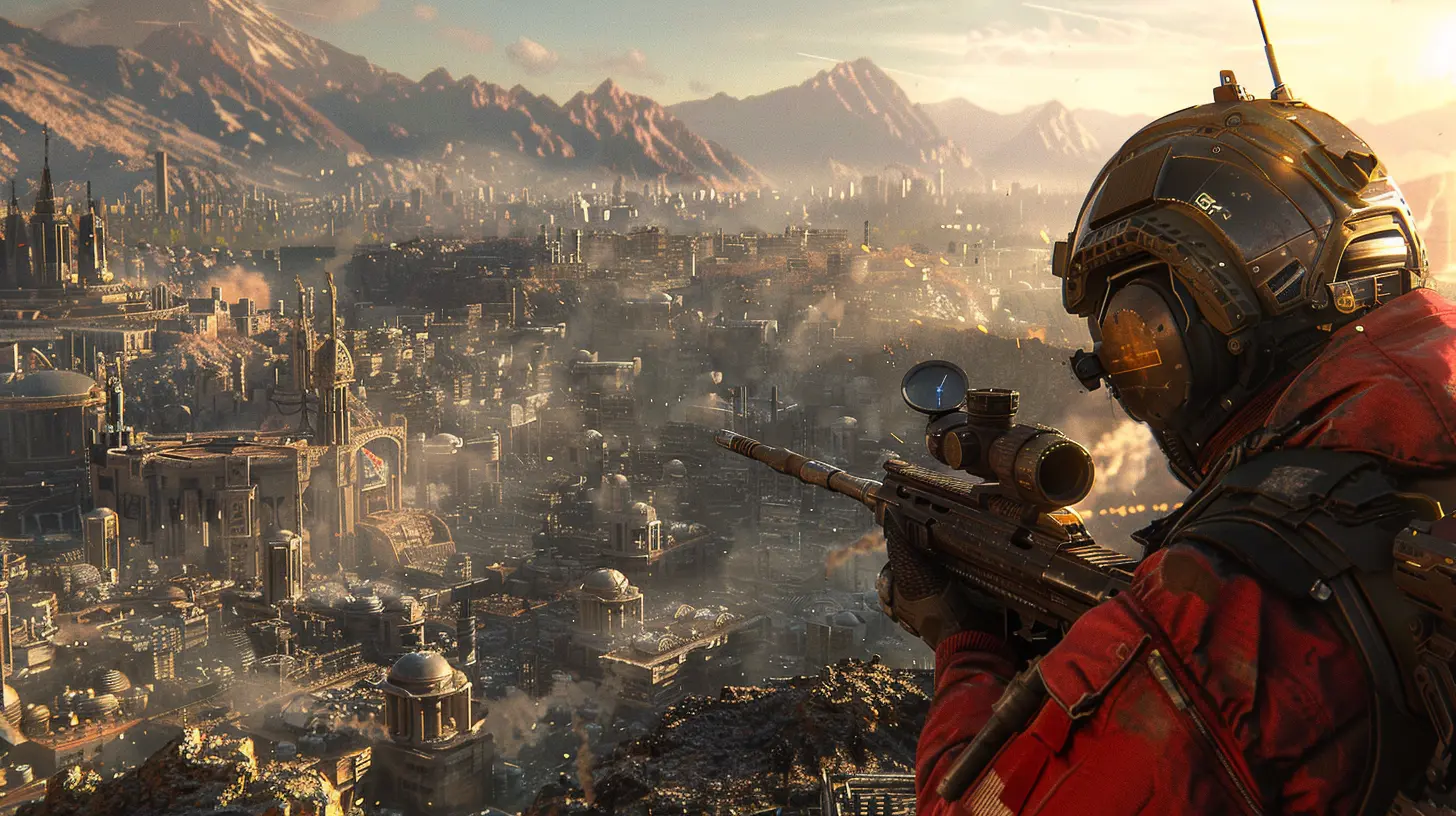
A Quick Throwback: Where Did Cover-Based Shooting Begin?
Alright, let’s rewind. Cover-based shooting didn’t really exist until a handful of iconic titles started shaping the gameplay around it. Games like Kill.Switch (yep, the 2003 sleeper hit) introduced early cover mechanics, but it was Gears of War in 2006 that truly made cover-based shooting mainstream. That game was chunky, intense, and forced you to think tactically. Ducking behind a slab of concrete to reload or peek-shoot around a corner? That just felt right.Since then, titles like Uncharted, The Division, and Mass Effect built entire gameplay loops around these systems. And while some games have moved away from this style, cover mechanics are far from gone.
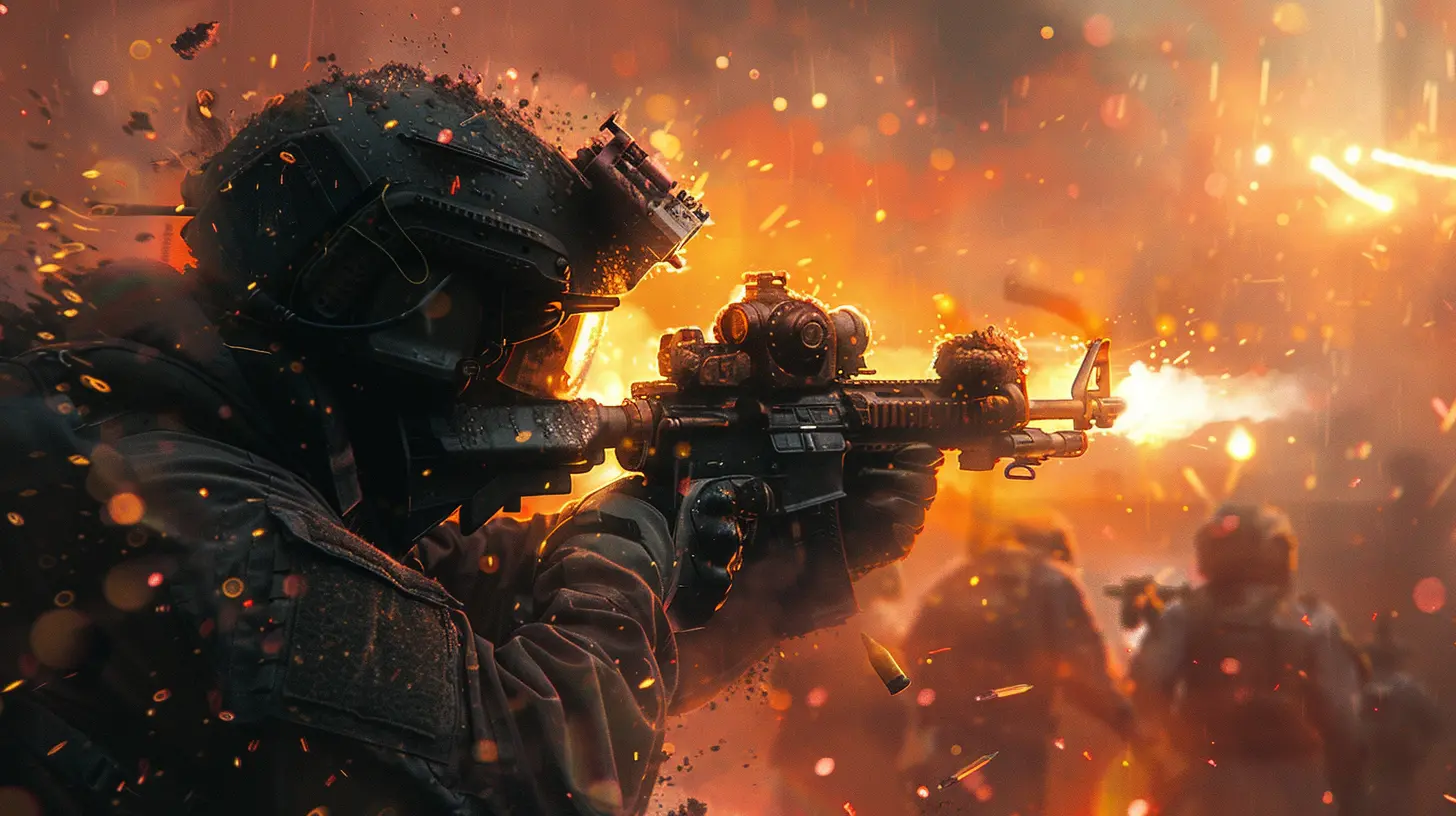
Why It Still Works in 2024
So here we are—high-speed internet, ray tracing, and battle passes everywhere. Yet cover systems continue to pop up in bestselling games. Why?1. Tactical Depth Never Goes Out of Style
Let’s be real: not every gamer wants to bunny-hop around like a caffeinated squirrel in a twitch shooter. Sometimes, you want to think—to outmaneuver enemies, not just outgun them. Cover-based shooting encourages tactical decision-making. It slows down the action just enough to let your brain catch up.Peeking from behind walls, predicting enemy movement, timing your reload—it’s chess with bullets. And that mental challenge? Super satisfying.
2. Realism That Doesn’t Feel Gimmicky
Sure, not every shooter has to feel like a military sim, but ducking behind cover during a firefight just feels more real. It's what you’d actually do if someone was shooting at you, right?Games like Ghost Recon or Rainbow Six Siege use cover to add realism without over-complicating gameplay. It bridges the gap between arcade fun and realistic tactics. And in an era where immersion is king, that balanced realism is a huge win.
3. Pacing That Keeps Players Hooked
Here's something you might’ve noticed: cover-based shooting helps regulate game pacing.In chaotic shooters, things can spiral into mayhem too fast. But cover-based systems create natural breaks—moments to breathe, reload, reassess. That pacing helps prevent burnout, gives players a rhythm, and keeps the tension high without becoming overwhelming.
Think of it like a rock concert. You need the high-energy guitar solos, sure, but those slower acoustic moments? That's where the emotion builds. Same logic applies here.
4. Cover Mechanics Are Evolving With Technology
Let’s not pretend cover mechanics have stayed the same since 2008. Developers are constantly tweaking them, making them smarter and more responsive. Some games have fully dynamic cover systems now, where objects degrade, move, or get destroyed entirely.Take The Last of Us Part II. That game doesn't just have "press to cover" mechanics. It adds a whole layer of stealth, prone movement, and fluid transitions between cover. It’s not old-school—it’s evolutionary.
5. Great for Multiplayer, Too
You might think cover shooting is just a single-player luxury, but it’s made its way into online games quite effectively.Games like The Division 2 or Ghost Recon Breakpoint introduce cover in PvE and PvP. It becomes part of the team strategy. Flanking, suppressing enemies, controlling terrain—it’s way more nuanced than just rushing in with a shotgun.
Even in games like Valorant, which don’t have explicit "cover systems", the concept of using map geometry for protection and positioning is basically a spiritual cousin to cover-based shooting.
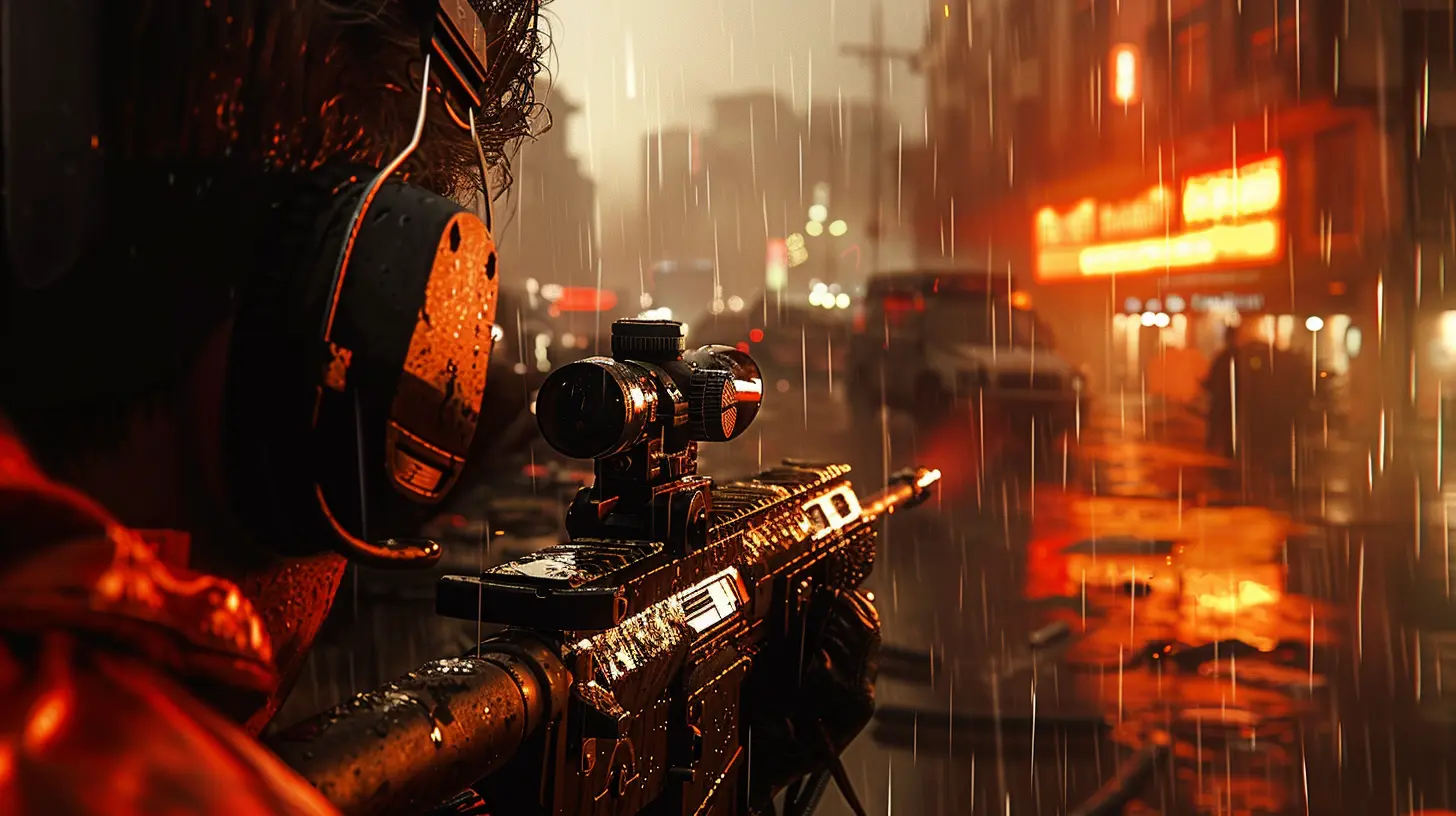
Genres Keeping It Alive
Cover-based mechanics aren’t just limited to military shooters anymore—far from it. They’ve spread into all sorts of genres, evolving along the way.Tactical Shooters
Games like XCOM, Phoenix Point, and Gears Tactics crank cover mechanics up to 11. Here, cover isn’t just helpful—it’s essential. These games force you to think about every angle, every move, every potential counter.Survival Horror
Ever played Resident Evil 2 Remake or The Evil Within 2? While not traditional cover shooters, they cleverly integrate cover mechanics to help players navigate tense environments. It makes encounters more dynamic and survival feel more earned.Action-Adventures and RPGs
You’ve got Mass Effect, Cyberpunk 2077, and even parts of Horizon: Forbidden West using cover in combat to encourage different playstyles. Whether you're a tank, a sniper, or a rogue-type, cover becomes a tool, not just a place to hide.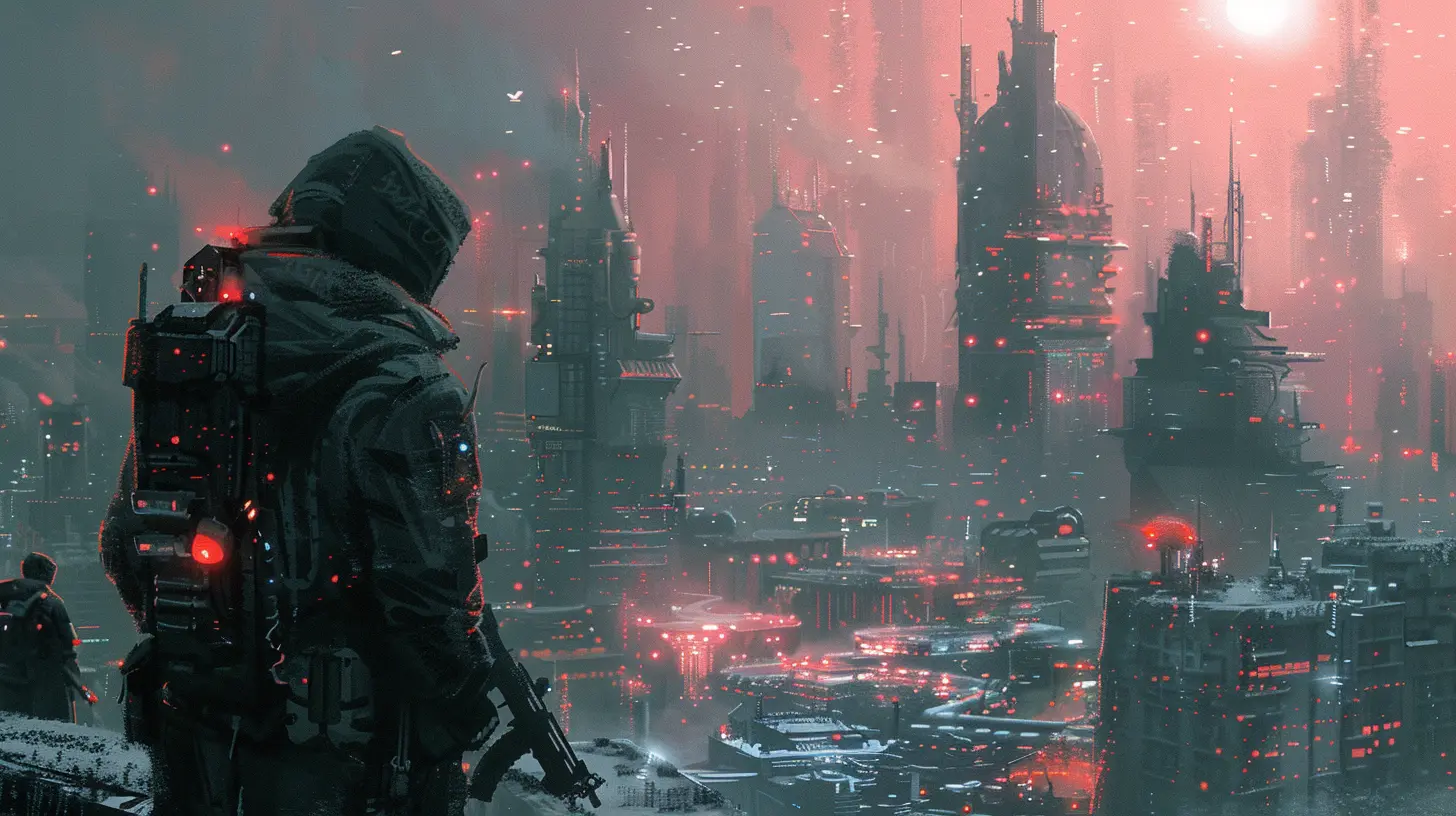
Why Some Games Dodge The Cover Formula
Now, let’s play devil’s advocate. Some games deliberately avoid cover mechanics. Why?It mostly boils down to pacing and player preference. Games like DOOM Eternal or Call of Duty thrive on speed, aggression, and intensity. You’re not supposed to slow down—you’re supposed to go faster. In those cases, ducking behind a crate would ruin the vibe.
But that doesn’t mean cover mechanics are outdated. It just means they’re not for every gameplay style. And that’s perfectly fine.
What Makes a Good Cover System?
Not all cover systems are created equal. Some are clunky. Some make you feel like you're glued to a wall and need a crowbar to detach.So what separates the good from the bad?
1. Fluid Movement
The best cover systems let you move easily from one spot to another. Think Uncharted 4 or Gears 5—you can roll out, slide into the next position, and keep the flow going.2. Context Awareness
Don’t you just hate it when your character tries to attach to a wall they aren’t even facing? A great cover system is intuitive. You approach a surface, and the game just gets it.3. Smart Enemy AI
Cover only works when enemies know how to use it, too. If the bad guys are just standing out in the open, what’s the point of hiding? Games with intelligent AI that also use cover create way more engaging battles.4. Environmental Interaction
Let’s get destructive. If a game lets the enemies blow your cover apart (looking at you, Red Faction), or you can vault over it to melee a stunned opponent—yeah, that's the kind of dynamism that keeps things fresh.
The Future of Cover-Based Shooting
Will cover-based shooters ever become the top genre again? Probably not. But they don’t have to be. Like a classic band that still sells out concerts, cover-based shooting doesn’t rely on hype—it’s built on solid fundamentals.With gaming hardware getting more powerful, AI getting smarter, and physics engines becoming more sophisticated, cover mechanics can evolve into even more immersive systems.
Imagine a future where cover adapts dynamically to your position, voice commands can direct squadmates to flanking spots, and smoke or lighting affects detection behind cover. We’re already seeing hints of this in VR and AAA titles.
So don’t count cover-based shooting out just yet. It’s not a relic. It’s a foundation—one that continues to grow, adapt, and hold up modern gameplay like the pillars of a well-fortified bunker.
Final Thoughts
Cover-based shooting isn’t just a gameplay mechanic—it’s a statement. It says, “Hey, maybe think before you shoot.” It brings balance to firefights, adds layers of strategy, and creates those heart-pounding moments when you're down to your last mag, pinned behind a crumbling wall.Whether you're playing a tactical RPG, a third-person shooter, or even a hybrid action-adventure, the value of thoughtful positioning and environmental awareness never wears thin.
So the next time you're in a game and find yourself ducking behind cover, remember: it's not outdated. It's time-tested. And it's here to stay.
all images in this post were generated using AI tools
Category:
Shooter GamesAuthor:

Aurora Sharpe
Discussion
rate this article
1 comments
Selina McInnes
Cover-based shooting adds tactical depth to gameplay, encouraging players to think strategically about positioning. Its blend of tension and teamwork keeps it relevant in modern game design.
June 20, 2026 at 4:50 AM
Aurora Sharpe
I completely agree. Cover-based shooting not only enhances strategy but also fosters teamwork, making each encounter feel dynamic and engaging. It remains a crucial element in today's gaming landscape.