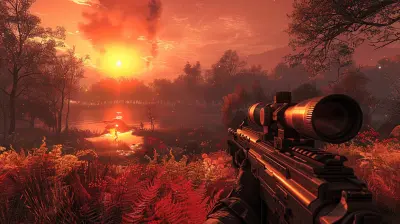
The Psychology Behind Patch Timing and Player Retention
24 July 2026
If you’ve ever found yourself checking the patch notes of your favorite game with the excitement of a kid opening presents, you’re not alone. Game devs know this. That’s why they don’t just drop patches randomly — they time them like clockwork magicians. But have you ever wondered why the timing of those patches feels so... perfect?
Let’s dive into the fascinating psychology behind patch timing and how it plays a massive role in keeping players hooked. Whether you’re a game designer, a psychology nerd, or just a curious gamer, there's something here for you.
What Is Patch Timing, Really?
At its core, patch timing is all about when developers release updates to a game — be it new content, bug fixes, balance changes, or seasonal events. But it’s not just about squashing bugs. It's a carefully calculated move aimed at maintaining or even boosting player engagement.Good patch timing can inject life into a game that’s losing steam. Bad patch timing? It can cause players to drift away, sometimes for good.
Why Patch Timing Matters (More Than You Think)
Let’s be real — games are a product, and players are the customers. If you've ever ghosted a game after hitting a content wall or because the devs went radio silent, you already get it. Patch timing is the glue that keeps players returning instead of jumping ship to the next big title.Imagine it like feeding a pet. Too much too often, and the pet gets bored. Too little, and it goes looking for food elsewhere. But feed it just right and at the right times? Now you’ve got a loyal companion. It's the same with game updates.
Big Emotions Behind Gaming Behavior
So what's going on in our brains when new patches drop?1. The Power of Anticipation
Ever notice how you get hyped just from a teaser or a future date announcement? That’s dopamine at work — the brain's little reward signal. When developers tease upcoming changes or new content, they create a cycle of anticipation. Players keep coming back to check for news, updates, or release dates.Basically, we get a dopamine hit not just when we get something, but when we expect to get something.
2. The Fear of Missing Out (FOMO)
Introducing limited-time events or seasonal content in patches triggers a strong emotional response — FOMO. When devs set an expiry date or put exclusive rewards up for grabs, players feel a sense of urgency. "If I don’t play now, I might miss out forever!"It's sneaky. But effective.
3. Sense of Progress and Novelty
Humans are wired to love progress. And novelty. When a patch adds a new quest line, a fresh map, or just a game-balancing tweak, it gives players something new to explore — breaking the monotony and reigniting curiosity.If a game stays the same for too long, it starts feeling stale. Think of it like eating your favorite food every day — even pizza gets boring eventually.
Timing Is Everything: The Patch Timing Sweet Spot
Now comes the million-dollar question — when should patches drop?There’s no one-size-fits-all, but let’s look at some strategies game devs use to nail it.
1. Regular Intervals
Some games, especially MMOs or live-service titles like League of Legends or Fortnite, follow a patch schedule. Every two weeks or every month, like clockwork.Why does this work?
- Builds trust. Players know when to expect updates.
- Keeps things predictable — which oddly makes the excitement more manageable.
- Re-engages lapsed players who time their return with major updates.
2. Event-Based Launches
Think Halloween content, winter events, or summer challenges. Aligning patches with real-world events taps into existing excitement. Players are already hyped about the season — now the game joins the party.3. Refresh Just Before Drop-Off
Smart devs use data. They can predict when player engagement typically dips — maybe a month after launch, or two weeks post-major update. Dropping a content patch right before that predicted drop rekindles interest.It’s like refueling your car before it breaks down.
Behavioral Science Behind Patch Timing
Let’s get a bit nerdy (just for a sec), because this stuff is cool. Game developers use principles from behavioral psychology to decide patch timing. Here are a few key ones:1. Variable Rewards
Think loot boxes, surprise rewards, or rare drops. The psychology behind variable rewards is the same as slot machines — you don’t know what you’re gonna get, but you know something is coming. This unpredictability keeps people engaged.Timed patches often bring in new rewards, and the randomness of these can be incredibly addicting.
2. Operant Conditioning
Games train us like Pavlov’s dogs. Play often? Get rewarded. Miss a day? Lose your streak. Patch timing feeds into this cycle. New patches reset or update reward systems, pushing players to re-engage with the routine.3. Scarcity Principle
People want what they can’t have. When a patch brings in a limited-time offer — say, a rare skin or a limited event — players are more likely to log in and play, just because of the perceived scarcity.Examples of Brilliant Patch Timing (That Totally Worked)
Let’s take a look at some heavy hitters who nailed their patch timing.Fortnite and Weekly Content Drops
Epic Games turned patch timing into a science. Weekly updates, surprise live events, and seasonal battle passes keep the player base constantly engaged. There’s always something new around the corner.Genshin Impact and Predictable Schedules
miHoYo nailed the rhythm of content patches. Players know new banners, quests, and areas are coming every six weeks. This predictability builds anticipation without burning players out.World of Warcraft and Expansion Hype
WoW expands in cycles, and Blizzard builds hype months in advance. Pre-patches prepare the stage, data mining leaks stir the community, and a carefully timed launch recaptures both current and lapsed players.What Happens When Patch Timing Bombs?
Patch timing is a double-edged sword. When it fails, it’s not pretty.Too Frequent? Players Burn Out.
If updates roll out too quickly, players feel overwhelmed. They can’t keep up. They might even quit out of frustration — no one wants to fall behind constantly.Too Sparse? Players Drift Away.
On the flip side, if updates are too far apart, players get bored. They move on. And the longer someone is away from a game, the less likely they are to come back.Remember: inertia is real. A player in motion stays in motion — unless something stops them.
How Patch Timing Impacts Player Retention
Retention is the holy grail of game development. You don’t just want downloads — you want people logging in again and again. Patch timing is your secret weapon.1. Keeps the Game Feeling Fresh
Nothing kills retention faster than stagnation. Patches shake things up. They break loops and add surprises.2. Creates a Rhythm
When players know when to expect content, they schedule around it. It's like Friday night TV back in the day. Consistent patch timing builds habits. And habits = retention.3. Re-Engages Dropped Players
Smartly timed patches strategically target dormant players. Maybe it’s a major content drop or a nostalgic event that tugs at their heartstrings. Either way, a well-timed patch can resurrect an otherwise dead player account.Tips for Game Developers: How to Nail Patch Timing
If you’re a game dev (or aspiring to be), here are some golden patch timing tips:- Study Your Player Data: Know when drop-offs happen and time patches accordingly.
- Bring in the Community: Tease upcoming updates to build hype.
- Watch for Burnout: Give players enough time to enjoy content before moving on.
- Be Consistent but Flexible: Regular patches build trust, but be ready to pivot.
- Celebrate Moments: Tie patches to holidays, anniversaries, or cultural events.
Final Thoughts
Patch timing isn’t just a technical decision — it’s a psychological masterpiece. When done right, it keeps players emotionally invested, engaged in the game world, and coming back for more. It’s the silent engine running behind successful titles.As gamers, we may not consciously think about why a new update feels so satisfying, but developers sure do. Behind every patch date, there’s a web of timing, intention, and psychological triggers all designed to make sure we stay connected.
So the next time you eagerly await an update — remember, it’s not just a patch. It’s a perfectly-timed encore.
all images in this post were generated using AI tools
Category:
Game PatchesAuthor:

Aurora Sharpe