Understanding Nonverbal Cues Through Gameplay
13 January 2026
Ever played a game of poker with friends and immediately knew someone was bluffing just from the way they scratched their nose, avoided eye contact, or suddenly had the sweatiest forehead you’ve ever seen? Yeah, you might be onto something, Sherlock. That, my friend, is the magic of nonverbal cues. And whether you're grinding ranked matches or just kicking it in a couch co-op, games are full of them.
In this article, we're diving headfirst into how gameplay—yep, those hours of button-mashing and strategy plotting—can actually level up your understanding of nonverbal communication. Buckle up, because it's about to get socially savvy up in here.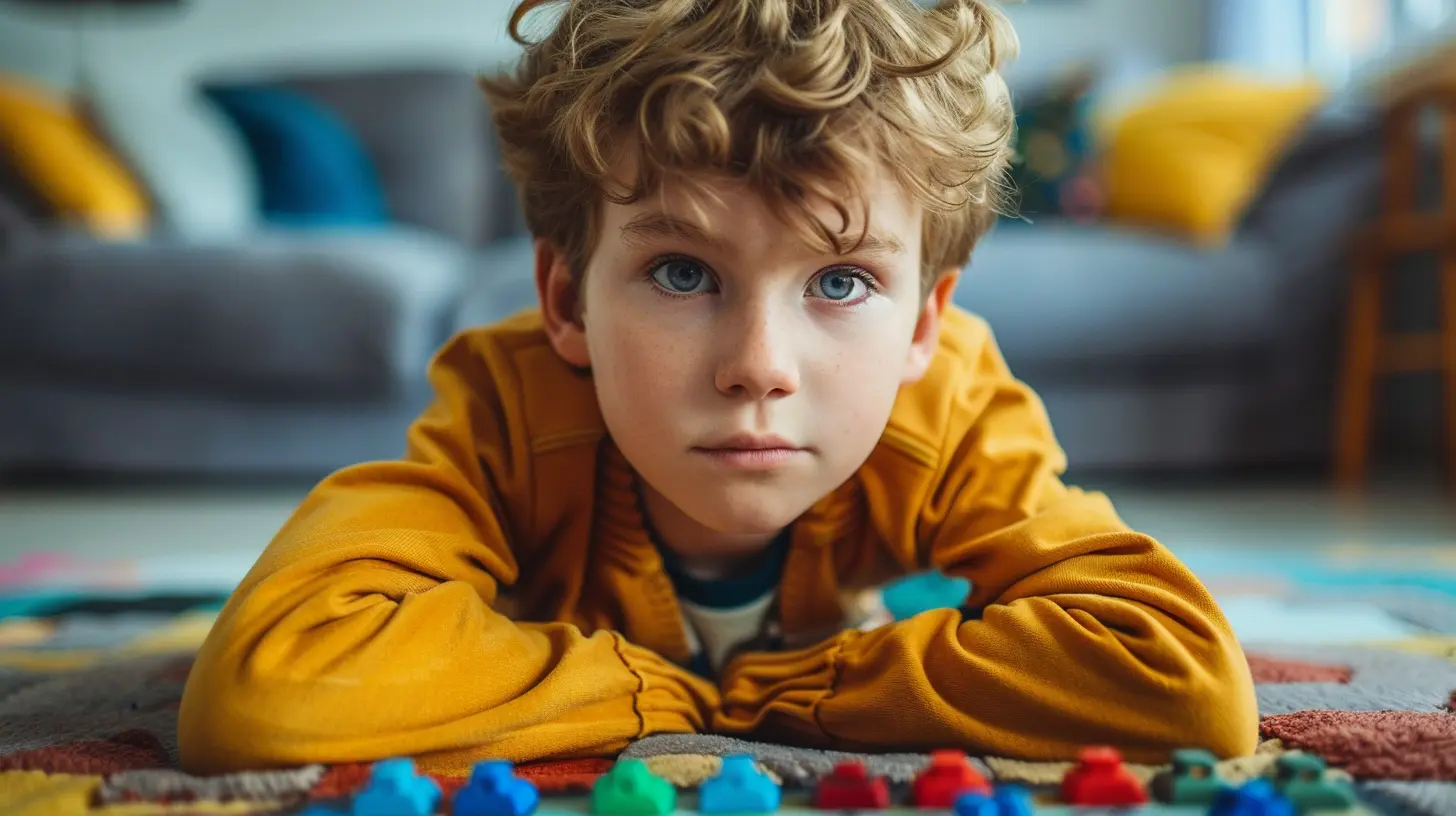
🎮 What Are Nonverbal Cues, Anyway?
Let’s keep it simple. Nonverbal cues are the things you communicate without actually saying a word. Think facial expressions, hand gestures, posture, even that dramatic sigh you let out when your teammate picks Teemo for the third time in a row.They’re like the secret code behind human interaction—some people are naturally good at reading them, while others are in the emotional equivalent of reading IKEA instructions upside down. But hey, good news: games can help with that.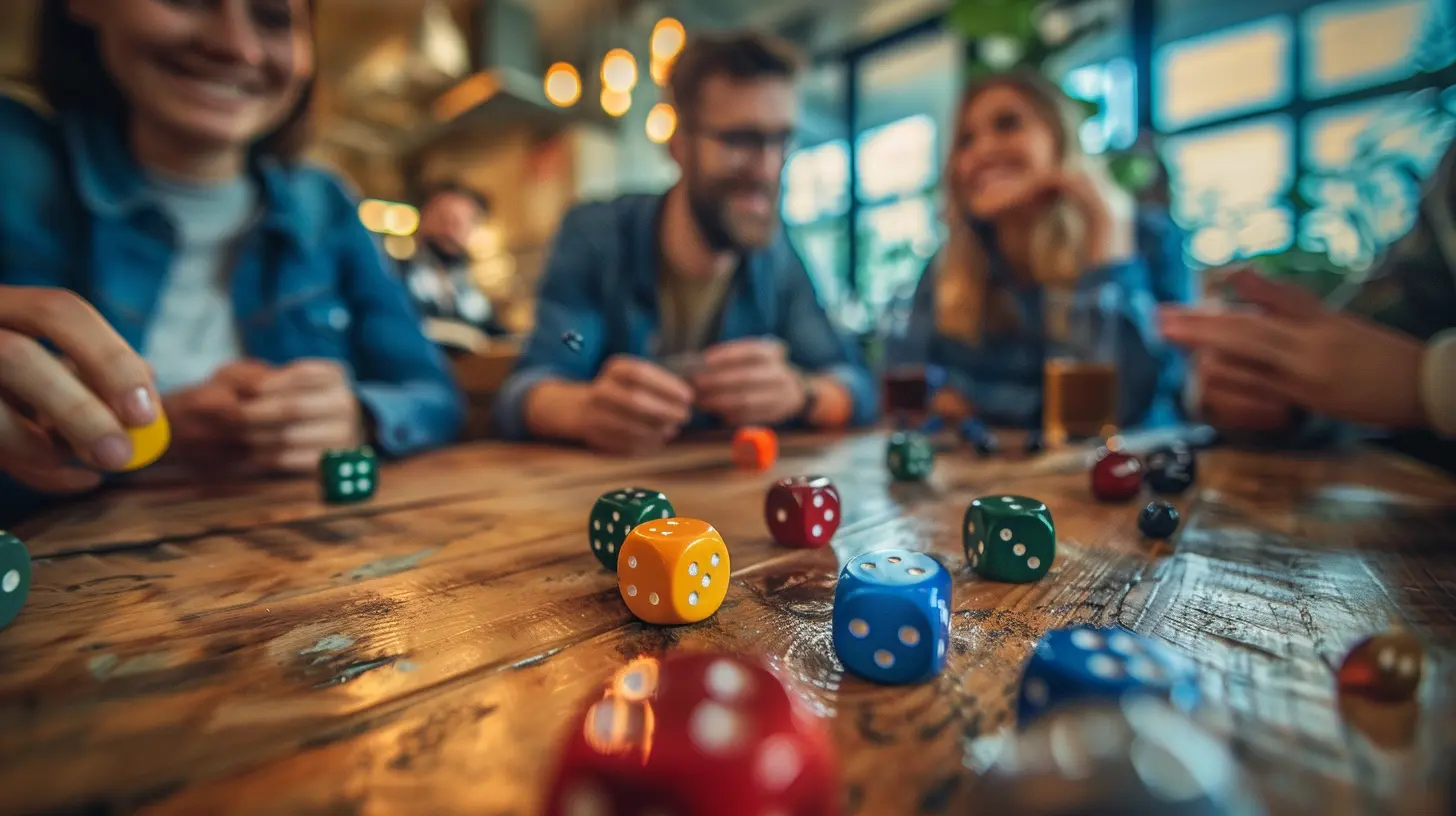
🕹️ The Surprising Social Lab That Is Gaming
Think gaming is just a bunch of pixels and rage-quits? Think again. Multiplayer games—whether online or couch-based—are social ecosystems. They’re mini universes where human behavior plays out in all its chaotic glory. And where there are humans, there are nonverbal cues.Let’s break down how gameplay settings, characters, and even player behaviors serve as crash courses in understanding and decoding those sneaky little signals.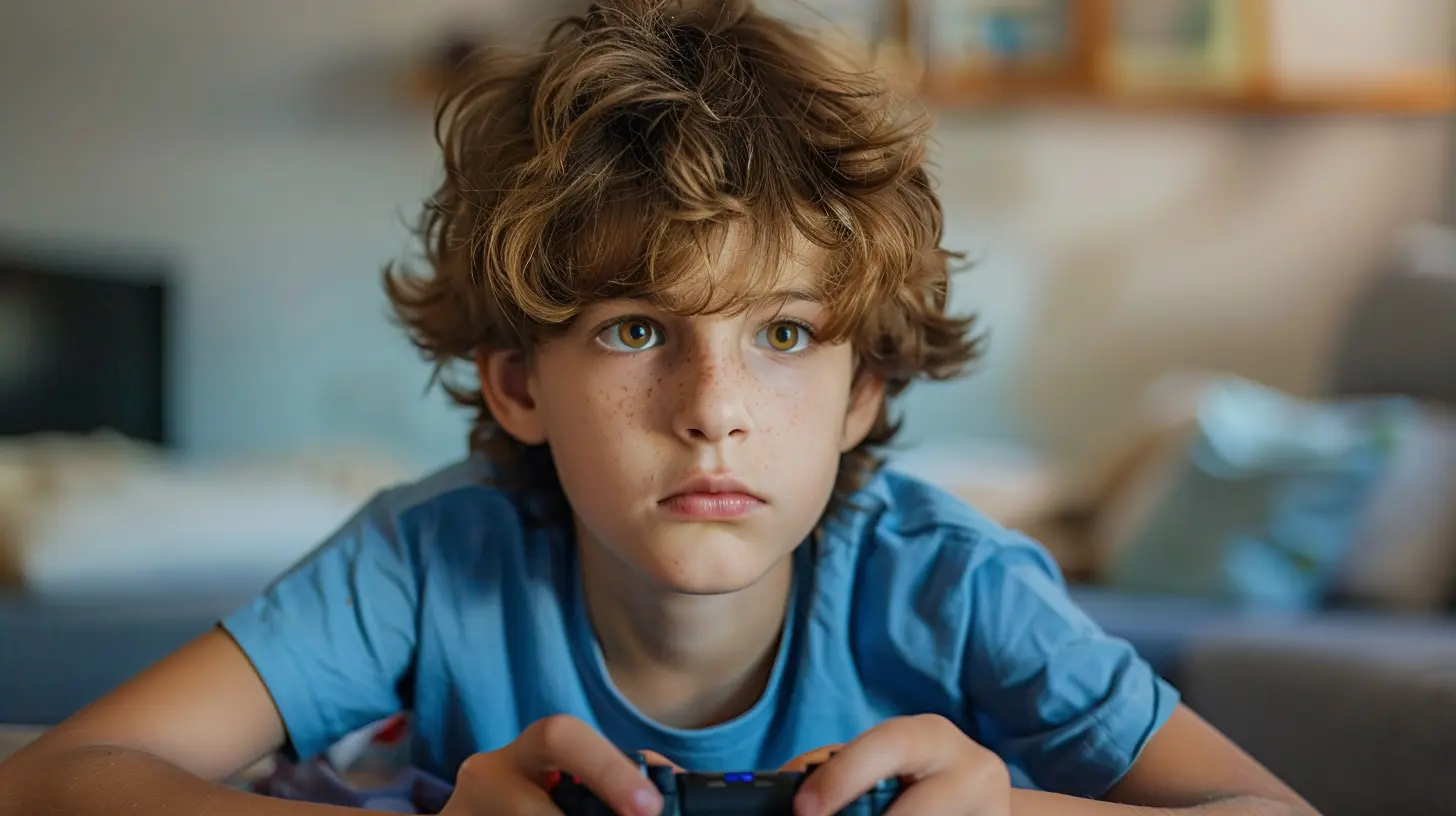
🧠 Learning Through Observation: Reading the (In-Game) Room
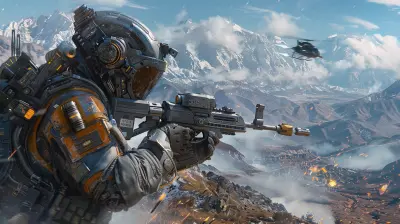
Even without voice chat, you can tell when something’s off with a teammate in a game like Apex Legends or VALORANT. Maybe they stop pushing with the group, hesitate before fights, or start wandering off like they’re planning their own solo spinoff game.These behaviors aren't just gameplay choices—they’re nonverbal signals. It’s the virtual version of someone anxiously tapping their foot during a job interview. You start picking up on patterns, reading intentions, and adjusting your strategy accordingly.
It’s not just useful in-game—it sharpens your real-world social radar, too.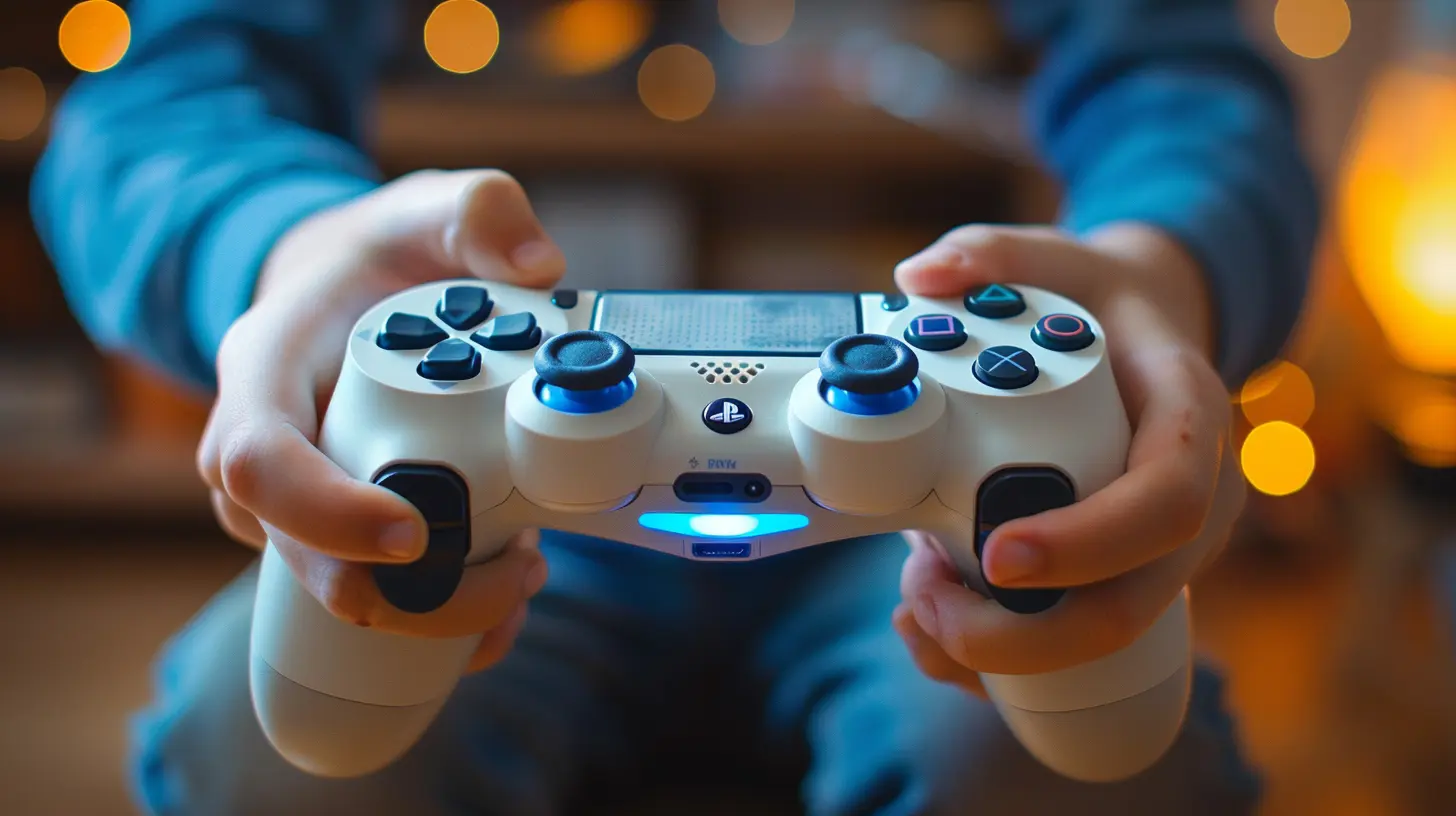
🧙 Online Avatars, Real-Life Emotions
Here’s something wild: people project themselves into their avatars. Whether you’re a 7-foot-tall paladin or a raccoon in a mech suit, your playstyle mirrors you more than you think.Ever notice how some players are disproportionately aggressive for no clear reason? Or how others just refuse to cross into enemy territory no matter how much you ping? Those behaviors are often extensions of real-life traits—introversion, anxiety, overconfidence, or just plain fear of commitment (even in a game).
Recognizing these nonverbal behaviors in your opponents or teammates can make you a better gamer and a more empathetic human. Two birds, one joystick.
🎯 Split-Second Twitch Reactions: The Eyes Tell All
Let’s talk about Twitch shooters (and no, not Twitch the platform—though reacting to chat is a whole other nonverbal jungle). I’m talking Call of Duty, Halo, Fortnite—the big names.In high-stress, fast-paced environments, players’ reactions become very telling. The way someone peeks corners, pre-aims at doors, or bunny hops across the map—these are all clues about what they’re feeling or thinking.
Are they scared? Confident? Clueless? Those little movements speak louder than their headset ever could.
And if you've ever 360 no-scoped someone who got too cocky? That’s a whole nonverbal conversation right there.
👫 Couch Co-op: Where Nonverbal Cues Go to Party
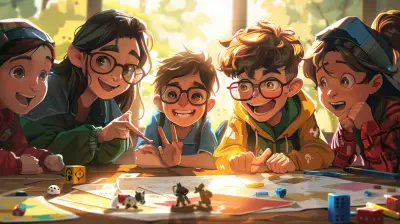
Now, let’s move from cyberspace to the real world—couch co-op games. You know, those moments when you're sitting next to your bestie, sibling, or significant other, madly button-mashing over who's getting the loot in Diablo or ruining friendships in Overcooked.Here's the twist: in-person gameplay adds facial expressions, body language, and even dramatic sighs to the mix.
You know they’re about to rage quit when they slam the controller down like it owes them rent. Or when they smirk before dropping a banana in Mario Kart, you can feel the betrayal brewing.
Playing in person is like going to drama school—except everyone’s in sweats, and the stakes are who gets the last slice of pizza.
🗣️ Emotes, Pings, and Gestures: The New Language of Gaming
Let’s not forget how games themselves have adapted to encourage nonverbal communication. Think about it—the “ping” system in Apex Legends? Genius. You can communicate direction, strategy, and emotion without ever opening your mouth.Emotes in games like Fortnite or Rocket League? Literally dancing your feelings out.
And gestures in VR or motion-sensing games take it even further. If someone waves, nods, or air-punches the air after a win, you’re picking up those social vibes, no subtitles needed.
It’s like emoji-speak, but with full-body charades.
🎭 Roleplaying: The Ultimate Nonverbal Playground
Ever wandered into an MMO like World of Warcraft and ended up in the middle of an in-game wedding or funeral? No? Just me? Cool.Either way, roleplaying is the Shakespearean theater of the gaming world. And actors in these games rely a lot on nonverbal expression—posing, positioning, timing, and tone (even in typed chat).
You start to notice how people “stand” near others, how long their character pauses before saying something, or how they slowly back away from awkward conversations. It’s almost eerie how real it feels.
Roleplay games teach you how to interpret silence, movement, and context—things textbooks rarely cover.
🤔 How This Helps IRL: From Zoom Calls to First Dates
So, why does any of this matter off the screen?Because the same skills you use to read a teammate’s behavior in League of Legends help you spot when your coworker’s totally zoning out during a Zoom meeting. Or when your date’s clearly not into discussing your 97-hour Elden Ring playthrough (rude).
You’ve been training your brain, unintentionally, to notice shifts in tone, behavior, and presence. It's like emotional CrossFit.
Plus, understanding nonverbal cues makes you better at resolving conflicts, connecting with others, and even nailing job interviews. Who knew gaming was a personal development course in disguise?
🧩 Games That Are Great for Practicing Nonverbal Cue Recognition
Here’s a quick hit list for games that are low-key great at teaching you to pick up on nonverbal signals:1. Among Us
Perfect for learning how to spot when someone’s lying. Watch behaviors, listen for inconsistencies, and clock those “uhhhh” moments. Basically a training camp for future detectives.2. Overcooked
Team coordination without talking = chaos. You learn to “read” your teammate’s movements and adjust your strategy based on their frantic dashes.3. Rainbow Six Siege
There’s a whole vibe to how someone moves, reinforces, or scouts. It’s tactical body language in action.4. Journey (PS3/PS4/PC)
No talking. No names. Just visuals and sound. Communicate through movement and vibe. Hauntingly enlightening.5. It Takes Two
Requires serious cooperation and synchronization. You’ve got to anticipate and react based on your partner’s actions alone. Couples therapy in game form.🧠 Final Thoughts: Gaming Is a Social Skill Gym
So next time someone tells you gaming’s a waste of time, hit 'em with this article. You’re not just smashing buttons—you’re learning to read subtle social signals, adapt to group dynamics, and fine-tune your emotional radar.It’s not just about the wins and losses. It’s about building your ability to connect, communicate, and pick up what others are silently putting down.
Gaming might not make you fluent in sign language, but it sure will teach you when someone’s silently screaming, “Don’t you dare drop that blue shell on me.”
Game on, social ninja.
all images in this post were generated using AI tools
Category:
Games And Social SkillsAuthor:

Aurora Sharpe
Discussion
rate this article
2 comments
Cerys Scott
This article beautifully highlights the significance of nonverbal cues in gaming. Recognizing these subtle signals can deepen our connections and enhance our understanding of each other as players. Thank you!
January 15, 2026 at 5:02 PM
Aurora Sharpe
Thank you for your thoughtful comment! I'm glad you found the article insightful in highlighting the importance of nonverbal cues in gaming.
Alyssa Klein
Great article! It's fascinating how gameplay can reveal so much about nonverbal cues. Understanding these signals can enhance communication and teamwork in games. Looking forward to applying these insights in my next session!
January 13, 2026 at 5:47 PM
Aurora Sharpe
Thank you! I'm glad you found it insightful. Best of luck applying these concepts in your next session!