Exploring Social Dynamics in Online Communities
2 March 2026
Online communities have become the new digital playgrounds — places where friendships blossom, ideas flourish, and sometimes, drama unfolds like an episode of a binge-worthy TV series. Whether you’re grinding ranks in your favorite multiplayer game, chatting on a subreddit, or building alliances in an MMORPG, you’re participating in a complex web of interactions. These spaces aren't just about gameplay or memes; they’re vibrant ecosystems full of real people with real emotions.
In this article, let’s take a deep dive into the tangled, fascinating world of social dynamics in online communities. Think of it as pulling back the curtain on what makes these digital societies tick — the good, the bad, and the invisible. Fasten your seatbelt. We’re going in.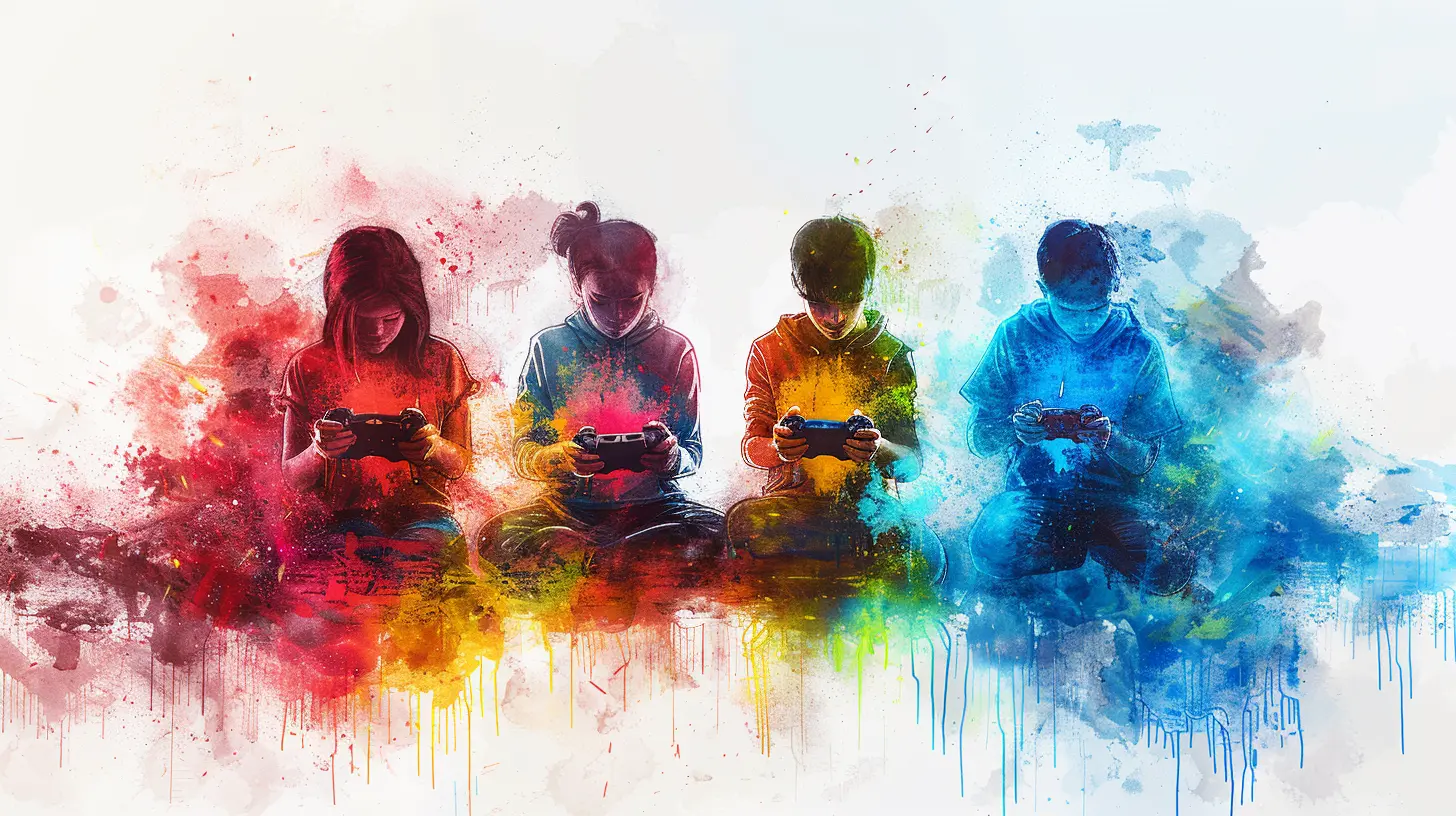
What Are Online Communities, Really?
Before we get all psychological and philosophical, let's break it down. Online communities are groups of people who interact over the internet around shared interests, goals, or activities. Gaming communities? Yup. Forums about modding Stardew Valley farms? Totally counts. Discord servers for role-playing as space pirates? You bet.These communities can be open or private, wholesome or chaotic, structured or totally wild. But what ties them together is human interaction.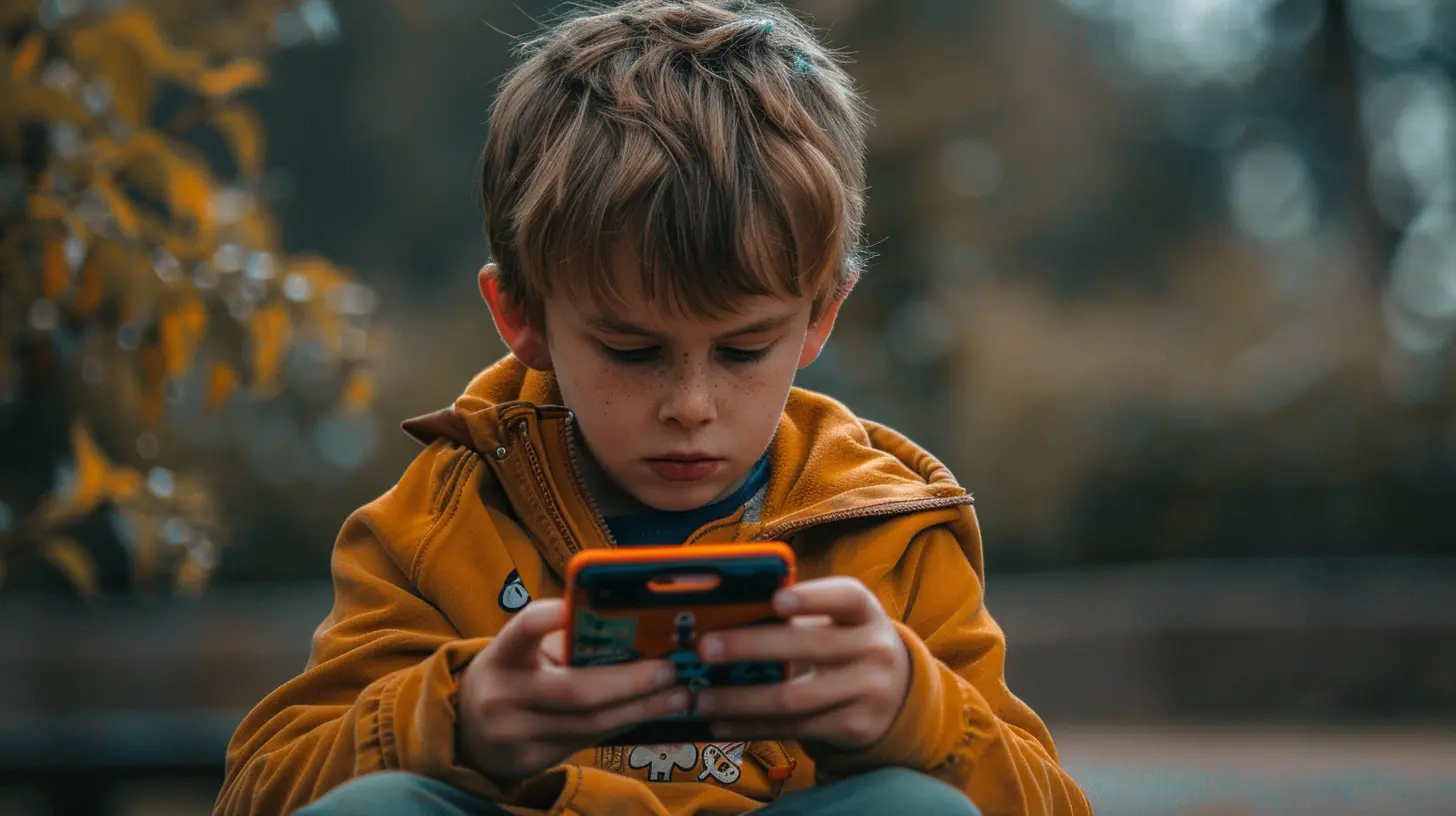
The Magic of Belonging
At the heart of any online community lies a basic human need — belonging.When we join a new Discord server or hop into a clan chat, we’re looking for more than just other people; we’re looking for connection. That sense that someone out there “gets” us — whether it’s sharing a love for a specific game, a playstyle, or just vibing on the same wavelength.
Communities thrive when people feel seen, heard, and valued. And when they don’t? Well, let’s just say ghost towns don’t always need tumbleweeds.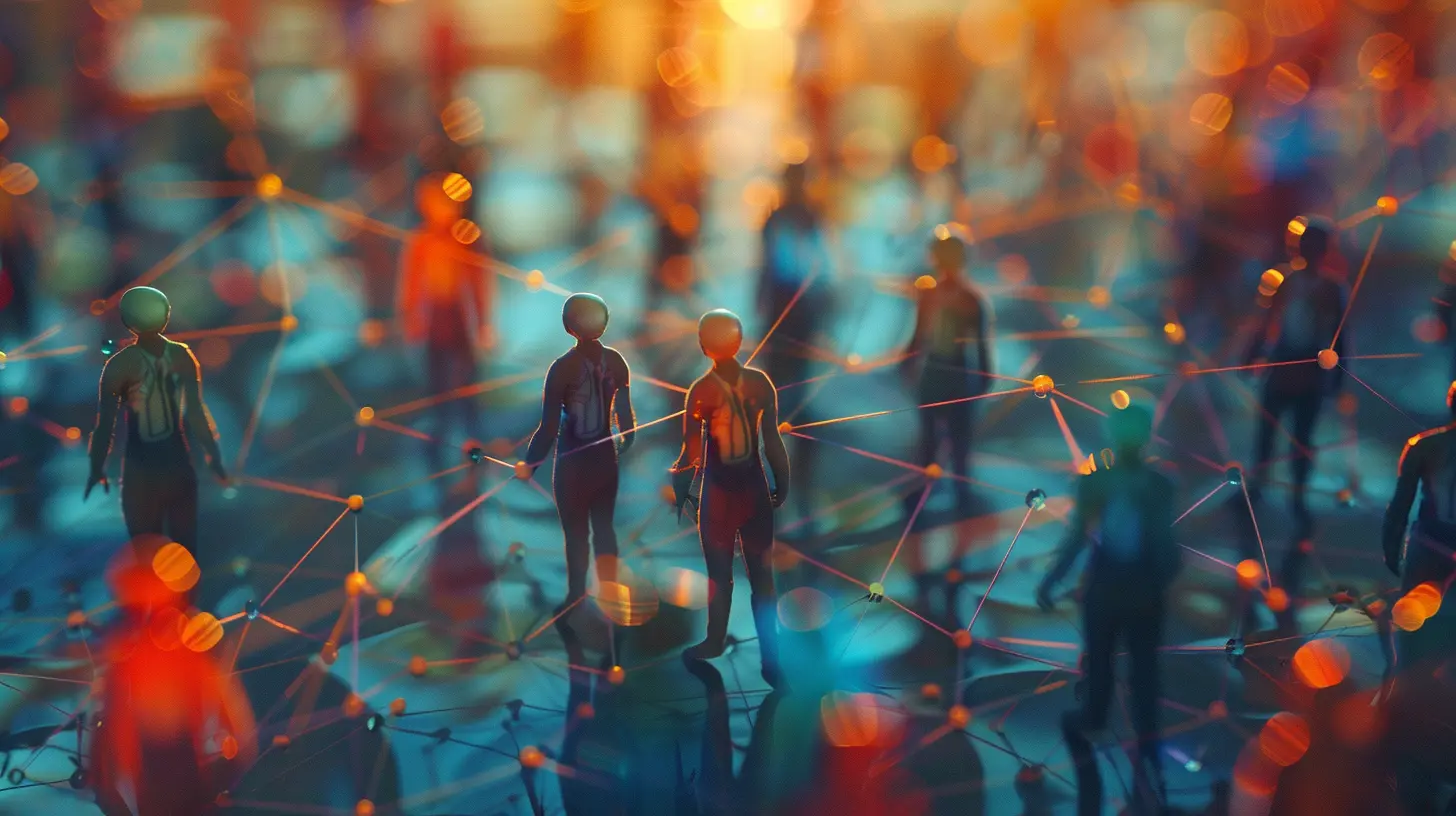
The Norms That Shape Behavior
Ever walked into a new server and felt like you were speaking a different language? That’s because every online community develops its own norms — unspoken rules, inside jokes, and behavioral expectations.These norms can be subtle. Maybe it’s how people joke with each other. Maybe it’s whether pinging “@everyone” is a huge no-no or totally normal. Or maybe it’s how people react to new players asking “n00b” questions.
These social cues guide how we behave, and often, we adapt without even realizing it. It’s human nature — kind of like learning to walk into a party and match the vibe without being told how to dress.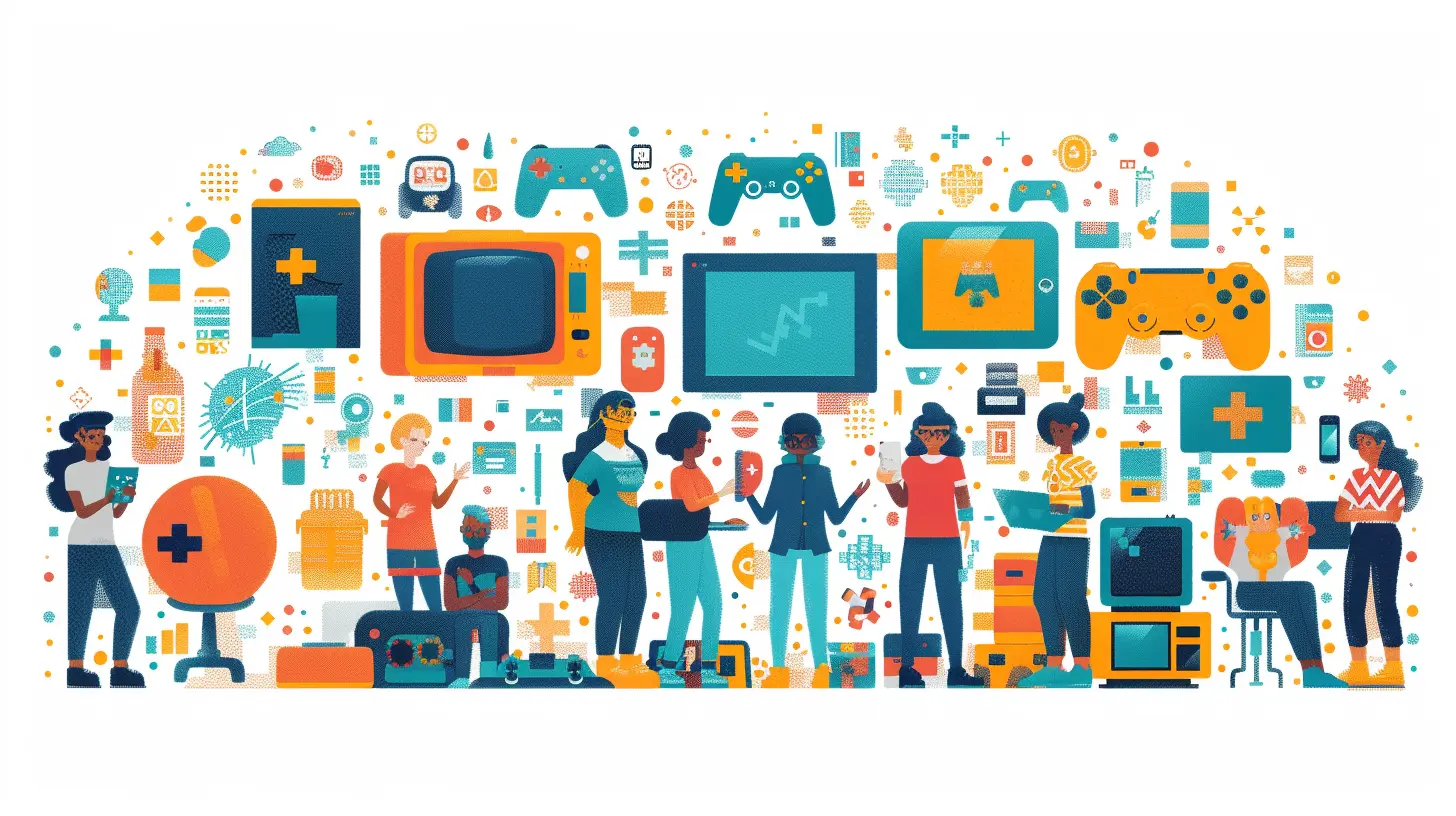
The Role of Reputation and Status
Let’s talk status. Yeah, it’s not just a high school thing.In online communities, reputation and status matter a lot. Think about that one guy in your guild who’s always the first to beat new raid bosses. Or that mod everyone respects. Their opinions carry weight. And that's not by accident.
These individuals become what sociologists call “high-status actors.” They set the tone, influence trends, and often act as the glue holding the group together. People listen when they speak because they’ve built credibility over time.
But status can also be fragile. A single misstep — being toxic, breaking a rule, or just a bad vibe — can shake the social fabric. Online fame? It’s like balancing on a Jenga tower.
Tribalism: Us vs. Them
Ever seen one subreddit's members roast another? Or two rival guilds trash-talk each other before a server war? That’s tribalism in its digital form.Humans have a tendency to form "in-groups" and "out-groups." It’s psychological shorthand — "these are my people, those are not." And online communities are no exception.
This tribal vibe can be fun and competitive — like friendly rivalry. But it can get toxic fast. Gatekeeping, harassment, or elitist attitudes can turn communities into battlegrounds. When the "us vs. them" mentality takes over, collaboration dies and toxicity wins.
The Rise (and Fall) of Online Leaders
You know those community influencers? The guild leaders, the subreddit mods, the Discord admins who practically live online? They’re kind of like digital mayors.Leadership in online communities plays a massive role in shaping the experience for everyone. Good leaders encourage healthy conversations, deal with drama before it explodes, and create an environment where members feel safe and welcome.
But, when leadership goes unchecked? Cue the chaos. Power-hungry admins, mod abuse, favoritism — it’s all too common. And when trust breaks, communities crumble.
Think of online communities like a garden. Leaders are the gardeners. Stop tending to the space, and the weeds of toxicity grow fast.
Groupthink and Echo Chambers
Let’s get real about groupthink.When everyone in a community starts agreeing with each other all the time, you might think, “Wow, unity!” But actually, it’s often a red flag. Groupthink happens when people avoid criticism or alternate viewpoints because they don’t want to rock the boat.
It feels safer to agree, right? But it kills creativity and can shut out newcomers who bring fresh perspectives.
And then there are echo chambers — places where only one way of thinking is allowed. It's like listening to your own thoughts bounce back at you a thousand times. Eventually, it warps reality.
Good communities encourage discussion, not conformity. Honest disagreement is healthy, even if it's a little messy.
Toxicity: The Dark Side of Online Social Interaction
Ah, toxicity. The elephant in every online room.Let’s not sugarcoat it — some communities get real ugly. Spamming, trolling, bullying, gatekeeping, slurs — it’s the kind of stuff that makes you want to log off and touch grass.
Toxic behavior usually stems from anonymity, lack of moderation, or just a culture that lets bad behavior slide. And once it starts, it spreads like wildfire. People either join in or leave.
But it doesn’t have to be that way. With active moderation, clear rules, and a community culture that values respect, toxicity can be managed. It’s not about being perfect. It's about being better.
Empathy, Kindness, and the Power of Positive Vibes
On the flip side of the internet coin, there’s a softer side to online communities — empathy and kindness.Random acts of support, encouraging words during a hard day, helping a new player get their footing — these things build emotional capital. And that matters.
Communities that lift each other up are more resilient, more active, and way more fun to be part of. They become digital safe havens, especially for people who might be struggling in real life.
And you know what’s cool? It often starts with just one person being kind. Positivity is contagious, too.
Moderators: The Unsung Heroes
Let’s give a shoutout to the unsung heroes: moderators.These are the folks who keep the peace, enforce the rules, and get very little thanks in return. Like digital referees, they blow the whistle when things get out of hand and make sure the game can go on.
Moderation is hard. It requires judgment, patience, and thick skin. But without it, even the best community can spiral into chaos.
Good mods don’t just delete posts; they guide conversations, mediate conflicts, and build trust. They help steer the ship, even when the waters get rough.
The Evolution of Communities Over Time
Online communities aren’t static. They change, grow, and evolve — just like people.A group that starts as a tight-knit circle of friends can turn into a massive fandom with thousands of members. Sometimes it’s awesome. Other times, it loses that personal touch.
Growth brings challenges: more moderation, more conflict, more complexity. But it also brings new voices, fresh energy, and wider impact.
It’s a balancing act, really — between staying true to your roots and adapting to the needs of a bigger crowd.
Your Role in the Social Web
Here’s the big reveal: whether you're a lurker, a regular, or a mod, you're shaping your online community.Every comment you leave, every meme you share, every time you help someone out — you're adding to the ecosystem. And that’s powerful.
So, ask yourself: what kind of digital space do I want to be part of? Because you’re already helping to build it.
Final Thoughts
Social dynamics in online communities are complex, messy, and absolutely fascinating. They reveal so much about human nature — our desire to belong, our capacity for empathy, our struggles with power and identity.These spaces have the power to shape lives, forge friendships, and create lasting memories. But they also reflect our flaws — bias, tribalism, toxicity, and more.
The good news? If we understand how these dynamics work, we can build better online spaces. Safer. Kinder. More inclusive. More fun.
Because at the end of the day, whether you're leading a guild, modding a server, or just chilling with your crew on voice chat, this is your community. And every action you take helps shape its soul.
Let’s make it count.
all images in this post were generated using AI tools
Category:
Games And Social SkillsAuthor:

Aurora Sharpe
Discussion
rate this article
2 comments
Patricia McIlroy
Connection fosters genuine engagement.
March 14, 2026 at 3:48 AM
Aurora Sharpe
Absolutely! Connection is the cornerstone of meaningful interactions in online communities, driving engagement and fostering a sense of belonging.
Soliel Hines
Engaging insights on community!
March 9, 2026 at 5:23 AM
Aurora Sharpe
Thank you! I'm glad you found the insights engaging.