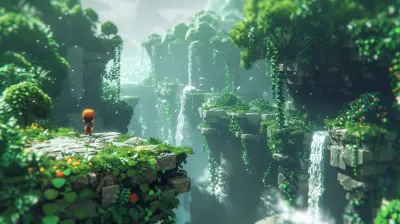
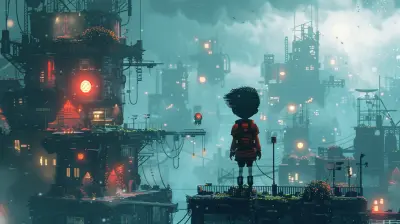
The Role of Player Choice in Social Learning
8 May 2026
Ever played a game where your decision changed how characters treated you? Or maybe you picked a dialogue option just because it felt 'right'? That moment—the one where you made a choice and saw its consequences—says a lot about how games can teach us something way beyond just how to win. This article dives deep into a fascinating concept: the role of player choice in social learning.

What Is Social Learning, Anyway?
Before we jump into games and choices, let’s clear the fog on social learning.Social learning is just a fancy term for how we learn by watching others. Remember as a kid when you’d see your friend get yelled at for throwing a rock at a window? You probably decided not to do the same thing—voilà, social learning in action! It’s about observing, imitating, and understanding behavior based on social interactions.
Now, imagine applying that to video games. That’s where things get exciting.

Games as a Social Mirror
Games have come a long way since Pong or Tetris. Today’s games offer sprawling worlds, deep character development, and complex moral decisions. But more importantly, they give players the power of choice. And with those choices come social consequences—just like in real life.When a game gives you a choice, it’s not just about picking between a sniper rifle or a shotgun. We're talking about moral choices, emotional decisions, and interpersonal dynamics.
Think Mass Effect, The Witcher, or Life is Strange. These games don’t just entertain—they challenge how you interact with others, how you handle conflict, and how you weigh right vs. wrong. That’s social learning in pixels and polygons.

Why Player Choice Matters
Alright, let’s get to the meat of it—why is player choice so important in the context of social learning?1. Empathy Through Choice
Ever been in a game where you had to choose between helping a struggling character or ignoring them? When you pick one route, you often see how it impacts that character’s journey. That moment helps you feel for them, to step into their shoes.This builds empathy. And empathy is the cornerstone of social behavior. The more players experience different perspectives, the more nuanced their real-world understanding of others becomes.
2. Consequences Shape Behavior
Games with branching narratives teach players a critical life lesson: your actions have consequences. Whether it's gaining the trust of a party member or causing a war between factions, choices ripple through the game world just like they do in life.This dynamic offers a powerful space for reflection. Players get to experiment with different responses and see the results, without real-world risk. It’s like a social simulator—but fun!
3. Role-Playing Builds Perspective
When players choose how they want their character to behave—kind, ruthless, diplomatic, or vengeful—they’re role-playing different social personas.This process lets players stretch their social muscles in a safe environment. Trying out a new personality in a game can teach someone what kind of person they want to be in real life. And let’s be honest, it’s easier to learn that by playing a game than sitting through a boring lecture.
4. Choice Promotes Agency
A huge part of social learning is agency, the sense that your actions matter.In many traditional learning environments, especially schools, kids don’t always feel like they have much control. Video games flip that script. They say, “You’re in charge. What you do changes the world.”
That’s incredibly empowering. And it teaches players the value of personal responsibility and the influence one person can have—lessons that extend far beyond the screen.
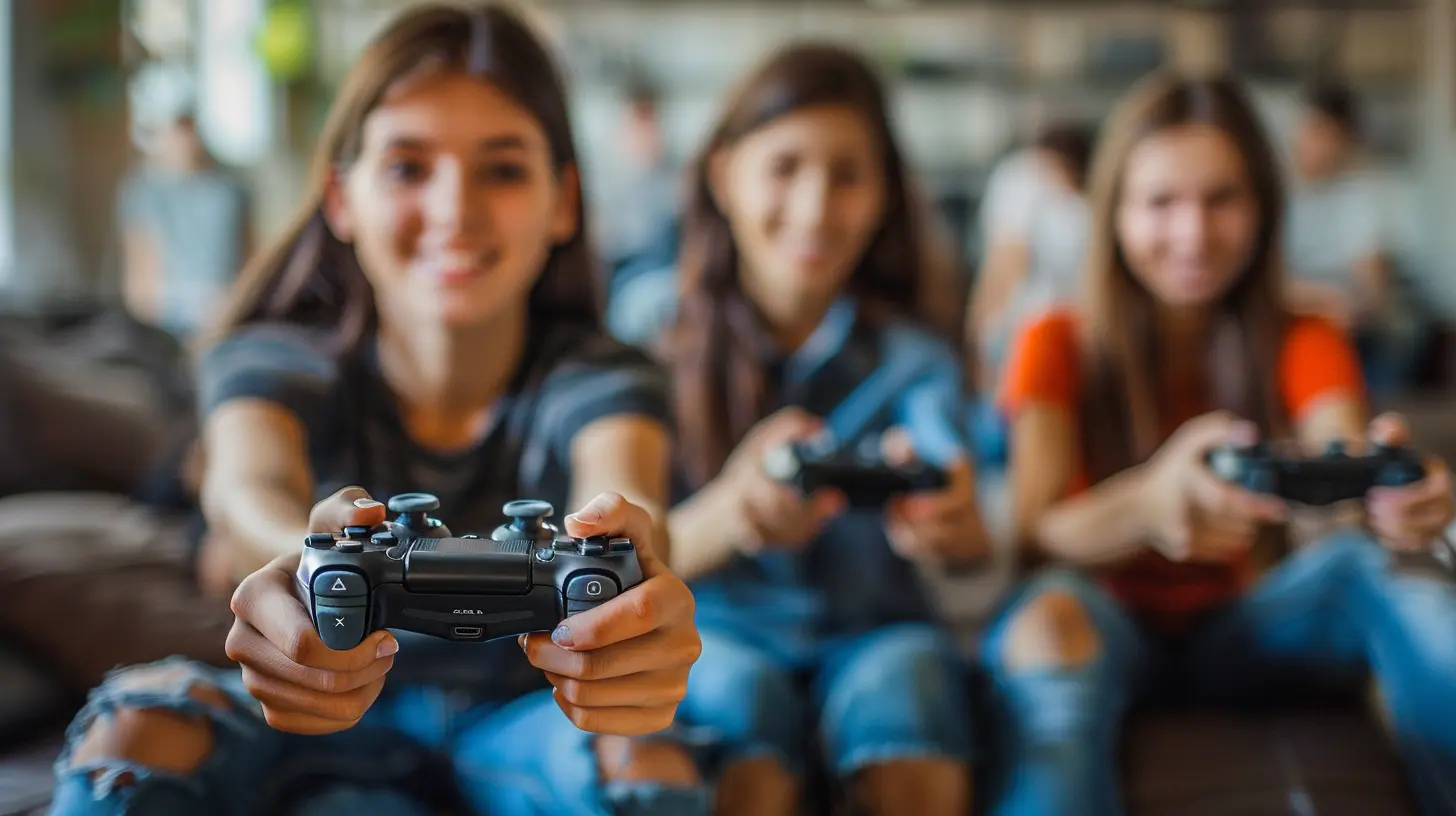
Real-Life Examples of Social Learning in Games
Let’s talk real games. These titles nail the way choice influences social learning.Mass Effect Series
Commander Shepard is more than a space cowboy. Every decision you make affects your team, alliances, and the entire galaxy.Whether you're making peace between alien races or deciding which teammate to save, your choices teach you negotiation, empathy, and leadership.
Life is Strange
In Life is Strange, time travel isn’t just for cool effects—it's a tool for moral reflection. Changing decisions and seeing alternate timelines shows how people react differently depending on your actions.It’s an emotional rollercoaster, but a brilliant example of how games can teach sensitivity and understanding.
The Walking Dead (Telltale Games)
These games put you in heart-wrenching scenarios where every dialogue option feels like life or death.Do you lie to protect a friend? Do you sacrifice someone for the greater good? It’s all about human relationships and trust—social learning, front and center.
Multiplayer Games and Social Dynamics
Don't think this only applies to single-player story games. Multiplayer games are their own social learning playgrounds.Cooperation and Teamwork
Playing games like Overwatch, League of Legends, or Fortnite isn’t just about reflexes. You have to work with a team—callouts, strategies, and reading your teammates become crucial.Making mistakes, adjusting based on others’ feedback, and figuring out how to communicate under pressure are all hardcore lessons in social dynamics.
Toxicity & Moderation
Let’s be real—multiplayer environments aren’t always cozy. Toxic behavior does happen. But here’s where social learning kicks in: by seeing and experiencing online interactions (both good and bad), players learn what’s acceptable and what’s not.Game communities often self-regulate, and players who want to keep good standing learn to manage their behavior. It’s not perfect, but it’s definitely a learning process.
Limitations and Dangers
Okay, it’s not all sunshine and boss fights. Let’s get into some potential pitfalls.Reinforcing Bad Behavior
Just like a negative friend group in real life, some games or communities can reinforce toxic behavior. If negative actions are consistently rewarded, players might pick up the wrong lessons.That’s why developers need to design feedback systems that encourage positive interactions, not just success at any cost.
The Illusion of Choice
Sometimes, games pretend to offer choices but railroad you into one outcome. This can be frustrating and even counterproductive in terms of social learning.To be effective, choices should matter and lead to different consequences. Otherwise, players might stop caring altogether.
What Game Developers Can Do Better
Game devs, if you’re reading this—here’s the wishlist:- Make choices meaningful. Don’t just give us “yes” or “no” options with the same result.
- Represent diverse perspectives. Let players engage with different cultures, experiences, and worldviews.
- Use feedback loops that reward empathy, cooperation, and problem-solving.
- Build systems that model real emotional depth, not just surface-level responses.
Games are more than entertainment—they’re digital classrooms. Let’s use them wisely.
Players as Learners
Here’s the wild part: half the time, players don’t even realize they’re learning. You go into a game thinking you’ll fight demons or build a farm—and walk away understanding human psychology a bit better.You learn who to trust, when to speak up, how to resolve conflict, and what kind of leader you want to be. That’s the magic of player choice—it makes social learning seamless, natural, and engaging.
Final Thoughts
So, why does player choice matter in games?Because it mimics real life. It helps us grow. It teaches us how to navigate relationships, understand others, and make decisions that reflect who we really are. It turns a controller and a screen into a powerful tool for human connection.
As gamers, we’re not just playing—we’re practicing how to be better people. And that’s something worth pressing “Start” for.
all images in this post were generated using AI tools
Category:
Games And Social SkillsAuthor:

Aurora Sharpe
Discussion
rate this article
2 comments
Preston Vasquez
Player choice can shape social learning in fascinating ways. I'm curious how different choices impact player interactions and community dynamics... what do others think?
May 15, 2026 at 5:00 PM
Aurora Sharpe
Player choice definitely influences how players interact and learn from each other. Different choices can lead to diverse experiences, creating unique community dynamics. It's exciting to see how these choices can foster collaboration or competition.
Gabrielle McInerney
Player choice enriches social learning by fostering deeper connections and unique experiences among gamers.
May 8, 2026 at 3:43 PM
Aurora Sharpe
Absolutely! Player choice truly enhances connections and makes each gaming experience distinct and memorable. It's a key part of meaningful social interactions.