The Impact of Server Maintenance on Patch Rollouts
14 January 2026
When you're deep into your favorite game, everything’s running smoothly, and you're about to hit a new level—then bam! The game goes down for server maintenance. Annoying, right? But here’s the thing: behind that temporary offline message is something way more important than it seems, especially when it comes to rolling out game patches.
In this post, we’re diving into how server maintenance plays a critical role in patch rollouts. Whether you're a casual player, a competitive gamer, or even just someone curious about how games function on the backend, this one’s for you.
What Exactly Is Server Maintenance?
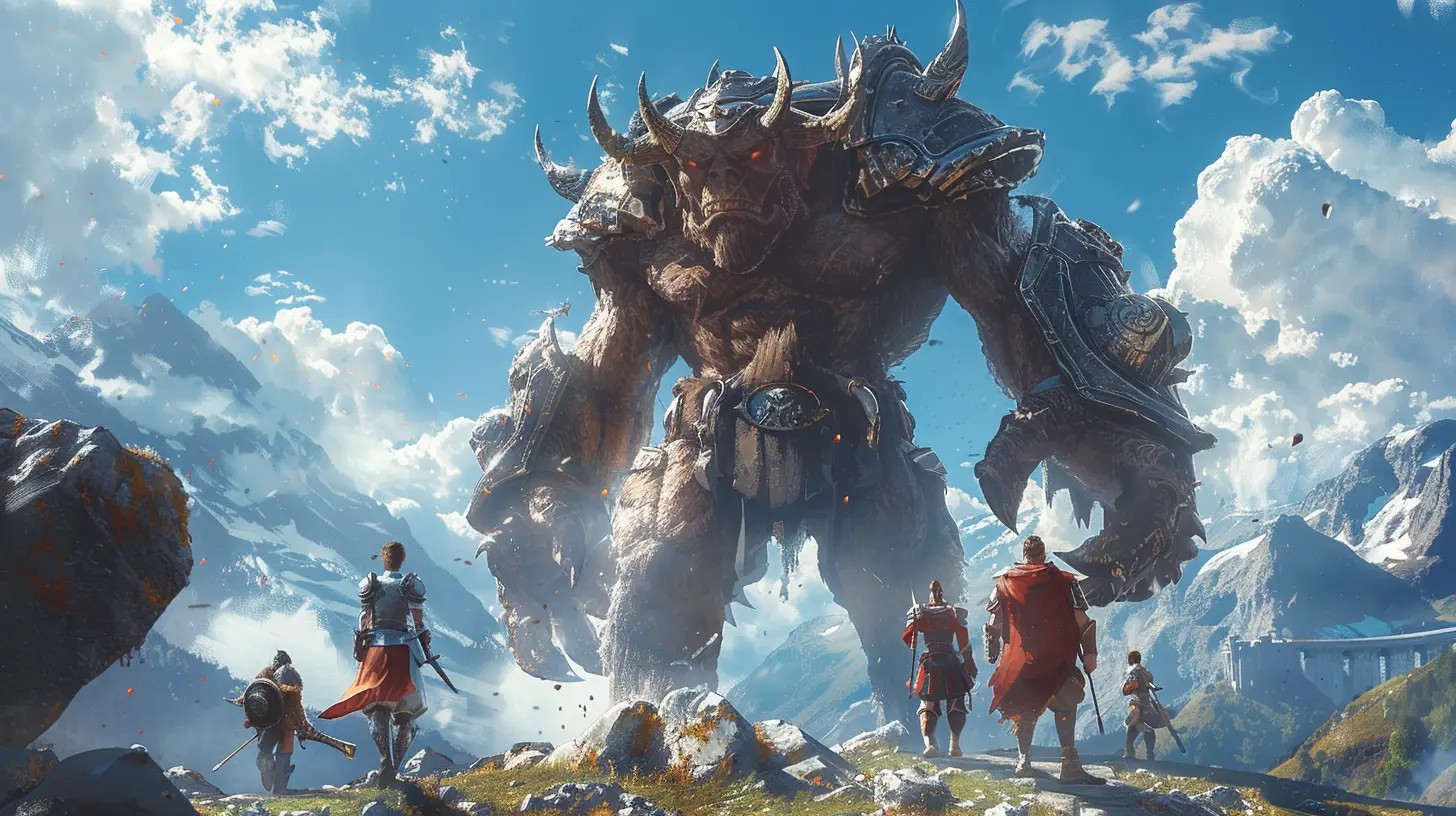
Let’s break it down first.Server maintenance is, in short, the routine (and sometimes emergency) updates and fixes performed on a game's backend infrastructure. Think of it like a pit stop in racing. The car (or in our case, the server) gets quick fixes, refueling, and tire changes to keep performing at its peak.
Why does this matter? Because servers are the backbone of any online game. They manage player data, multiplayer sessions, matchmaking, inventory systems—you name it.

Patch Rollouts: What’s the Deal?
Now, patches are updates pushed by the developers to fix bugs, balance gameplay, or add new features and content. You know those long patch notes you pretend to read but skip to the bottom? Yeah, those.But a patch isn't just uploaded like an Instagram story. There's a process. And here’s where server maintenance comes in.
The Symbiotic Relationship Between Patches and Server Maintenance
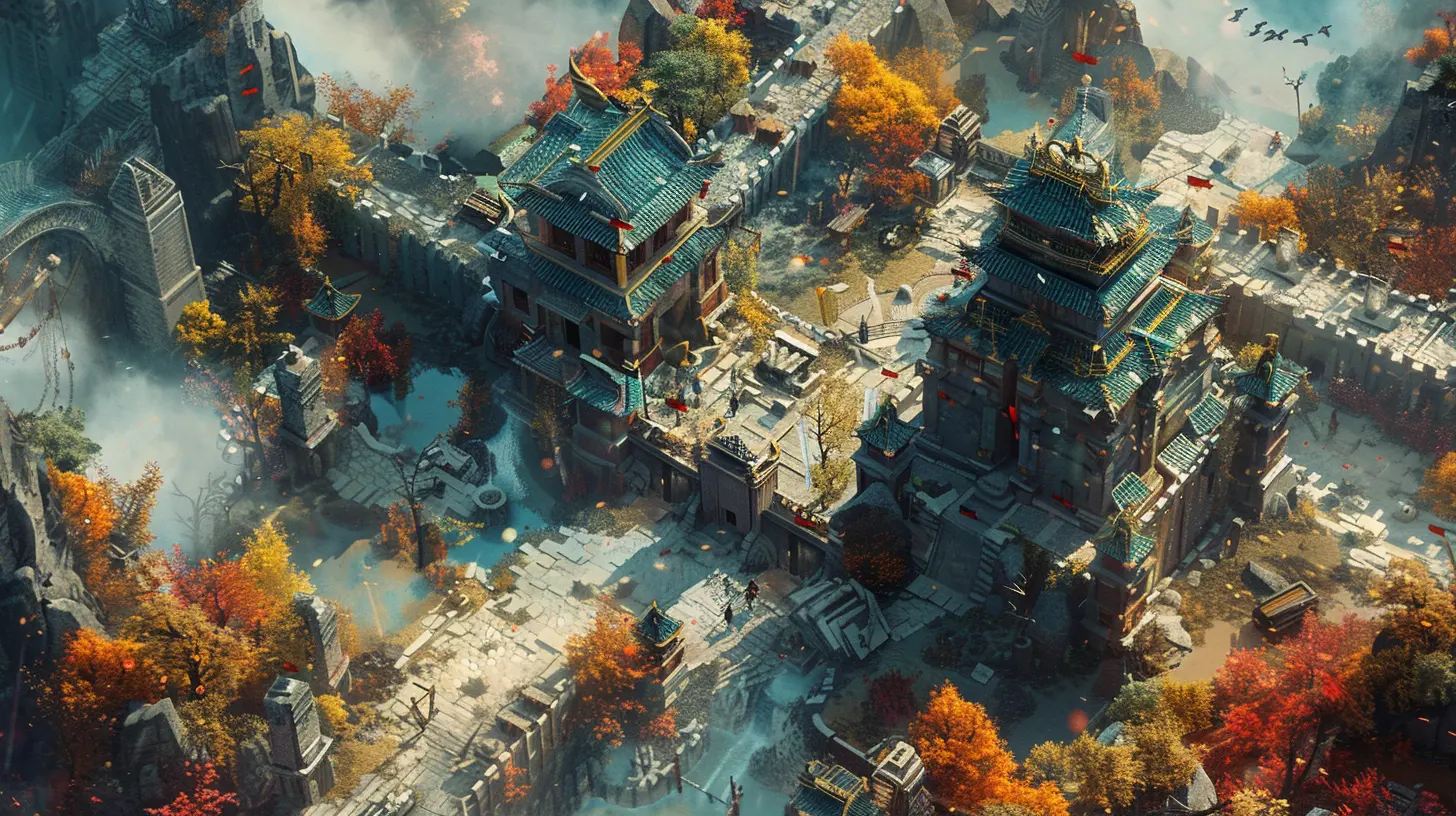
Imagine trying to replace key parts of a moving car engine while it’s still running. That’s what trying to apply a patch without server maintenance looks like.Server maintenance creates a stable environment for patches to be deployed safely. Without it, patch rollouts can go haywire—leading to crashes, data loss, or even corrupted files.
Let’s Talk Timing
Ever notice how maintenance usually happens during the slowest hours of the day (or night)? That’s no accident. Game companies schedule downtime when the fewest players are online to reduce disruption.Patches are typically deployed during these windows. And if you've ever wondered why a patch release is slightly delayed—maintenance might be the reason.
Safety Nets and Backups
One key goal during server maintenance is creating backups. If a patch introduces an unexpected bug (which happens more than you think), the server can be rolled back to its earlier state. It’s like hitting Ctrl+Z but for an entire game.So, if you’ve ever seen a patch get rolled back after causing chaos, that’s server maintenance saving the day.

The Techy Side: How It Works
Alright, let’s geek out for a sec.During server maintenance, here’s what typically happens:
- Load balancing: Servers distribute player loads more efficiently to prevent lag.
- Database optimization: Cleans up or reorganizes player data for faster access.
- File replacement: Old files are swapped with new ones (the patch!).
- Testing environments: Developers simulate the patch on live servers to iron out surprises.
All of this ensures that when the patch goes live, it works as intended and doesn't create more problems than it solves.
The Player’s Perspective: Why It Matters
I get it—you want to play and don’t care about “backend operations.” But here’s why you should care:1. Fewer Bugs, Better Gameplay
Server maintenance ensures that patches do exactly what they’re supposed to. That means fewer bugs, smoother performance, and less server lag.2. Improved Security
Every time a patch includes new security features or anti-cheat systems, maintenance ensures they're properly installed. Without it, hackers could exploit vulnerabilities faster than you can say “patch notes.”3. Stable Server Performance
Ever been kicked out mid-game because the server crashed? Proper maintenance reduces this by patching vulnerabilities in server software itself.4. Faster Matchmaking
Optimized servers process data quicker. That means less time in matchmaking queues and more time playing. It’s a win-win.
How Game Developers Handle Feedback During Maintenance
One cool but often overlooked part of server maintenance during patch rollouts is active communication. Most dev teams monitor social media, forums, and feedback channels in real-time.If the community erupts with reports of a new bug, developers can pause the rollout, fix the issue, or even revert changes—thanks to that backup process we talked about.
Ever noticed a second maintenance window announced just hours after a patch release? Yeah, that’s usually because of quick feedback.
The Struggle Behind the Scenes
We often underestimate just how complex this whole process is. It’s not just flipping a switch. Developers and engineers often work through the night to ensure updates roll out as smoothly as possible.Sometimes, a single mistake in the patch code can cause massive issues—like wiping player progress or breaking entire features. That’s why maintenance is non-negotiable. It’s the equivalent of proofreading a book before it goes to print.
Server Maintenance Delays: The Real Culprits Behind Late Patches
Let’s be real—nobody likes delays. But sometimes, maintenance can expose underlying issues that force devs to hit the pause button on a patch rollout.Common causes for patch rollout delays during maintenance include:
- Conflicts in game files: A new feature might overwrite a crucial existing one.- Unstable builds: The patch causes crashes in the testing phase.
- Load issues: Servers can’t handle the new build alongside current traffic.
- Incomplete testing: Devs discover last-minute bugs during live-server testing.
While frustrating, these delays are usually in the players’ best interest. Would you rather wait an extra hour or deal with a broken game?
The Impact on the Gaming Community
The community often has mixed reactions to maintenance announcements. Some groan, others understand, and the rest flood Discord with memes about server hamsters on vacation.But here’s the thing: consistent, well-handled maintenance builds trust. It signals that developers care about the game’s stability and longevity.
On the flip side, poor maintenance—where patches cause more problems than they solve—can hurt the devs’ credibility big time. Just look at past disasters where updates bricked entire games. Ouch.
Future Trends: Smarter Maintenance, Smoother Patches
The future is looking pretty exciting. Thanks to advancements in AI and machine learning, game developers are starting to implement predictive maintenance. These systems can detect potential issues before they become big problems.Also, we’re seeing more games adopt micro-updates—smaller patches rolled out gradually, reducing the need for long maintenance windows. Think of it like getting app updates in the background instead of waiting for a full system reboot.
Cloud gaming and edge computing are also revolutionizing how server maintenance is conducted. With smarter infrastructure, downtime might soon be a thing of the past—or at least a lot less painful.
Tips for Players to Survive Maintenance Downtime
Okay, so the servers are down. What now?Here are a few things you can do instead of watching the server status page refresh:
1. Read Patch Notes: For real this time. You’ll know what’s new or changed.
2. Clear Cache/Reinstall: If you’ve been meaning to fix weird in-game bugs, now’s the time.
3. Check Social Media: Devs often post live updates and timelines.
4. Watch Gameplay Vids: Keep the hype alive by checking out early access videos or streams.
5. Touch Grass (Seriously): Maybe... just maybe... it’s time to go outside for once.
Final Thoughts
Server maintenance might seem like a nuisance, but it's the unsung hero of smooth patch rollouts. Without it, patches would be chaotic, games would crash more often, and your favorite titles wouldn’t run half as well as they do today.So next time your game goes into maintenance mode, remember—someone’s working hard behind the scenes to make your experience better, faster, and more fun.
Yeah, it sucks to wait. But it’s a small price to pay for a game that actually works, am I right?
all images in this post were generated using AI tools
Category:
Game PatchesAuthor:

Aurora Sharpe
Discussion
rate this article
2 comments
Phaedra Howard
Great article! It's fascinating to see how server maintenance affects patch rollouts and overall gaming experiences. Understanding this impact helps both developers and players appreciate the complexities behind the scenes. Looking forward to more insights on maintaining a healthy gaming environment!
January 18, 2026 at 5:15 PM
Aurora Sharpe
Thank you for your thoughtful comment! I'm glad you found the article insightful. Stay tuned for more on maintaining a healthy gaming environment!
Iris Vance
Great article! Server maintenance is often overlooked but plays a crucial role in successful patch rollouts. Understanding its impact helps players appreciate the complexities involved in game updates. Keep up the good work!
January 15, 2026 at 6:12 AM
Aurora Sharpe
Thank you for your feedback! I’m glad you found the article valuable. Server maintenance truly is key to smooth patch rollouts. Appreciate your support!