How Game Design Can Benefit from Player-Created Content
1 January 2026
In the vast universe of game development, where innovation and immersion reign supreme, a powerful force often goes underestimated: the creativity of the players themselves. Today, we're diving deep into one of the most exciting and transformative aspects of modern game design — the immense potential and beauty of player-created content.
The Magic of Co-Creation
Imagine a world where the boundaries between developers and players dissolve — a realm where gamers don’t just consume content, but contribute, shape, and redefine the very games they love. That’s not just wishful thinking. It’s happening right now.Games like Minecraft, Roblox, and Dreams have shown us that when developers hand over the toolbox, players can build entire galaxies.
But why is this important for game design? Glad you asked.
Why Player-Created Content Is A Game Designer’s Secret Weapon
At first glance, you might think letting players tinker with your game is risky. What if they break the aesthetic? What if they create content better than yours?Let me tell you — that’s not a problem. That’s potential.
Here’s the thing: when done right, player-generated content becomes your biggest asset, not your competition. It fuels engagement, builds community, and often pushes creative boundaries far beyond what any small dev team could do alone.
Let’s dig into those juicy benefits.
1. Extends Game Lifespan Like Magic
You know how some games peak and then fade into the background? Online buzz dies down, updates get scarce, and eventually, it’s just another title on a dusty shelf.Now flip that. What if, every time players log in, they discover hundreds of new maps, skins, stories, or quests — all crafted by fellow players?
Games with mod support or level editors (looking at you, Skyrim and LittleBigPlanet) stay alive for years — sometimes decades. Mods breathe new life into games long after the devs have moved on. That’s the magic of community-driven creation.
A Living, Breathing Game World
When the community keeps expanding your universe, your game effectively becomes a living organism. Old players stay hooked, and new ones keep arriving to see "what’s new." That’s longevity money can’t buy.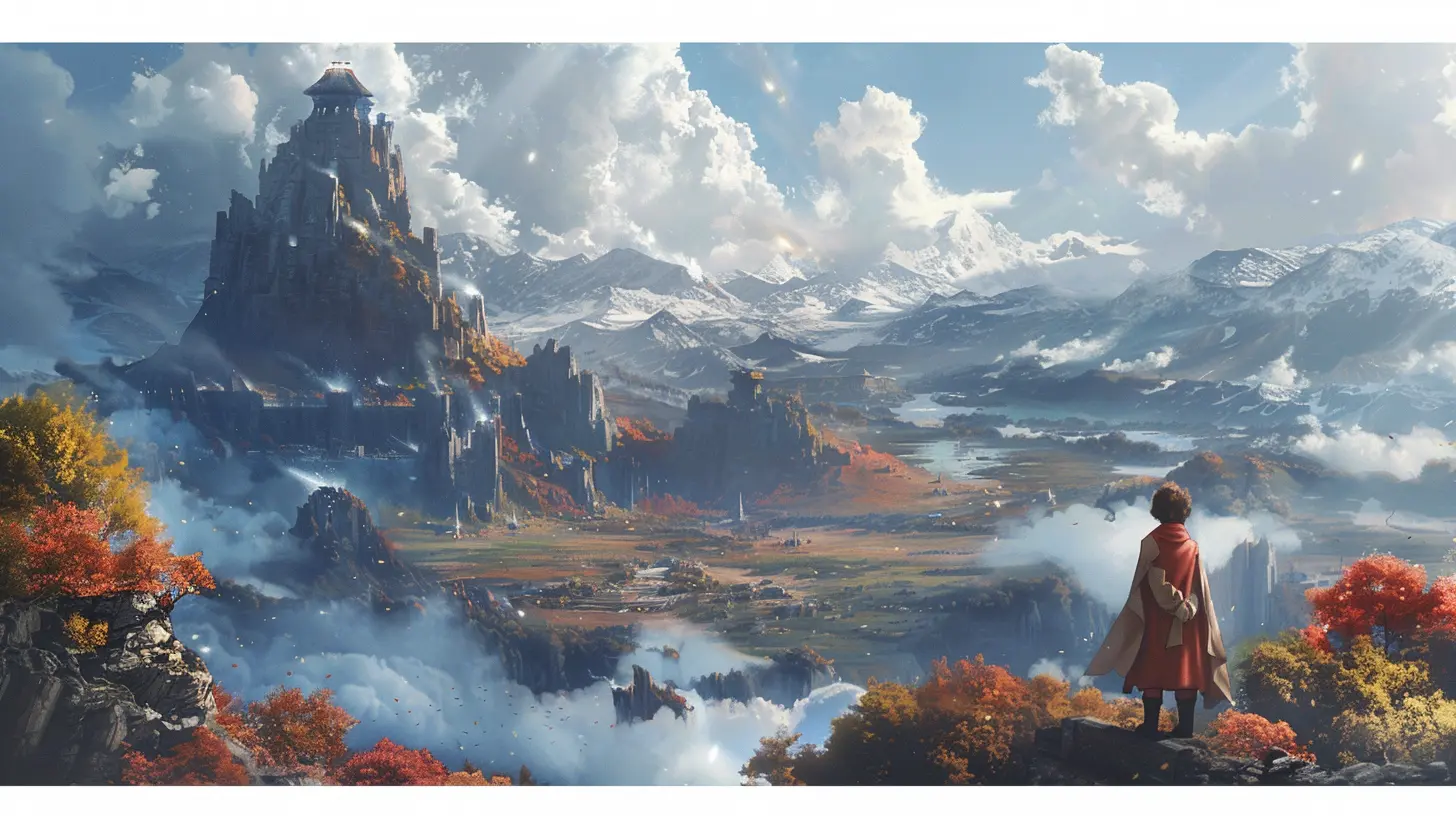
2. Sparks Limitless Creativity
Game developers — even the most talented ones — operate within limits. Deadlines, budgets, publisher expectations… the usual suspects.But players? Especially the passionate ones with spare time and wild imaginations? They go where developers can’t. Sometimes, they go where developers shouldn’t.
They remix mechanics, invent whole genres (Battle Royale started as a mod, remember?), and blur the lines of storytelling. When players create, they dream big. And that’s where some of the best ideas are born.
Unexpected Goldmines Waiting to be Found
Let’s be real: not every mod is a masterpiece. Some are hilarious. Some are broken. Some are both. But within that chaos sits a goldmine of experimentation. Developers can study how players interact with tools — what they build, what they ignore, what they remix — and use that to inform official updates or even entirely new games.Ever heard of Counter-Strike? It started as a mod for Half-Life. Now it’s a billion-dollar franchise. Need we say more?
3. Builds Rock-Solid Communities
Games aren’t just mechanics and graphics. They're vibes, they're feelings, and most importantly — they're people.When players have a hand in creating content, they're more invested. They’re not just "playing your game," they’re helping shape it. That’s a powerful shift.
From Players to Ambassadors
Creators become community leaders. They build fans of their own work, answer questions, post tutorials, even teach others how to get started.Suddenly, your game has its own ecosystem — a buzzing marketplace of maps, mods, stories, and friendships. That’s not just community. That’s culture.
And culture? That’s stickiness. That’s loyalty. That’s organic growth.
4. Reduces Developer Workload (But Multiplies Output)
Let’s face it — developing content is labor-intensive. Every level, every weapon, every new quest takes time, money, and dozens of team meetings that could’ve been emails.But when players are creating content, guess what? You get a torrent of new stuff — often without lifting a finger.
Scaling Without Scaling
This isn't about replacing devs. It's about enabling them. With players generating content, devs can focus on polishing core mechanics, fixing bugs, and adding foundational features instead of churning out endless filler.The result? A thriving content ecosystem built on passion, not pressure.
5. Feedback Loops That Actually Work
Want to know how your game resonates with players? Look at what they build.Player creations are a perfect mirror. If everyone's recreating your forest biome into a neon city, that’s a sign. If a mod that adds flying mounts goes viral, maybe the community is craving a change in traversal.
Let Players Show You What They Want
Traditional feedback is great. But player-made content shows you, not tells you. It’s data, emotion, and innovation wrapped into one delightful package.Listening isn’t just reading forums anymore — it’s watching the creative waves ripple through your world.
Game Design Tools Are Evolving — And That's A Good Thing
Once upon a time, game development tools were locked behind code and closed doors. But today? Accessible editors and user-friendly design systems are putting power in the hands of players — some as young as ten.Games like Super Mario Maker, Fortnite Creative, and Roblox Studio give players intuitive platforms to create, test, and share their ideas quickly. They’re basically game dev on training wheels — and they’re working wonders.
From Gamers to Game Designers
This isn't just a gimmick. It’s an education pipeline.We’re seeing generations of new developers who started making maps in StarCraft II or scripting their own boss fights in Roblox. They're learning systems, logic, storytelling — all through play.
And guess what? Many of them go on to make professional games. Some even land jobs at studios because of the content they created as fans. How cool is that?
Challenges of Player-Created Content (And How To Tackle Them)
Alright, let’s not sugarcoat it. As with any powerful tool, there are bumps in the road.Moderation can be a nightmare. Not all content is appropriate or high-quality. And sometimes, creators clash or get competitive in toxic ways.
But the solution isn’t to gatekeep the tools — it’s to refine the systems.
Curation, Moderation, and Incentives
- Curation tools help highlight the best content quickly.- Rating systems and community guidelines ensure quality and respect.
- Incentives like contests, creator spotlights, or revenue sharing can motivate positive contributions.
With thoughtful design, the pros far outweigh the cons.
The Future Is Player-Powered
We’re moving toward a world where the term “player” doesn’t mean passive consumer. A player can be a builder, a narrator, a systems architect. They can shape worlds and touch stories.Game designers who embrace this shift aren’t just making games. They’re hosting playgrounds. They’re curating possibilities.
A Win-Win Dynamic
The developer gets endless content, invaluable feedback, and a loyal community. The player gets expression, recognition, and ownership.That’s not just engagement. That’s empowerment.
Final Thoughts: Build the Box and Let Them Color Outside It
Let’s wrap this up with a metaphor, shall we?Imagine game designers crafting a beautiful sandbox. You've laid the soil, added the toys, set up some cool ramps, and maybe even a little waterfall. Nice, right?
Now invite the players in.
Some will build castles. Some will dig tunnels. Some will toss all the sand out and fill the box with water instead. And in all of that — the chaos, the creativity, the experimentation — your game will shine in ways you never imagined.
So next time you're designing something new, ask yourself:
What if the best part of your game… hasn’t even been built yet?
Let your players build it.
all images in this post were generated using AI tools
Category:
Game DesignAuthor:

Aurora Sharpe
Discussion
rate this article
2 comments
Vance Howard
Great insights! Player-created content truly enriches game experiences and fosters community.
January 7, 2026 at 6:01 AM
Aurora Sharpe
Thank you! I'm glad you agree—player-created content truly enhances engagement and builds a vibrant community.
Vance Whitaker
Great article! It’s awesome to see how player-created content can breathe new life into games. Engaging with the community not only enhances creativity but also builds a stronger connection between players and developers!
January 6, 2026 at 5:29 AM
Aurora Sharpe
Thank you! I completely agree—player-created content truly enriches the gaming experience and fosters a vibrant community. Your support means a lot!