The Impact of Esports on Shooter Game Design
13 July 2026
In the blink of an eye, the gaming world transformed. From split-screen duels in dimly lit basements to roaring crowds in sold-out arenas, esports catapulted competitive gaming—especially shooters—into the global spotlight. But do you ever wonder how the boom of esports has shaped the very games we play? Stick around, because we’re about to take you down the rabbit hole of bullets, balance, and brilliant design.

The Rise of Esports: A New Battlefield
Not too long ago, shooter games were simple. Grab a gun, find an enemy, shoot first, win. But things got serious when esports entered the scene. When millions of viewers watch players battle on Twitch and YouTube, and prize pools hit millions of dollars, the rules of the game change—literally.So what does this mean for shooter game design? Well, developers started designing not just for fun, but for fairness. For spectacle. For competition. And the ripple effects? Mind-blowing.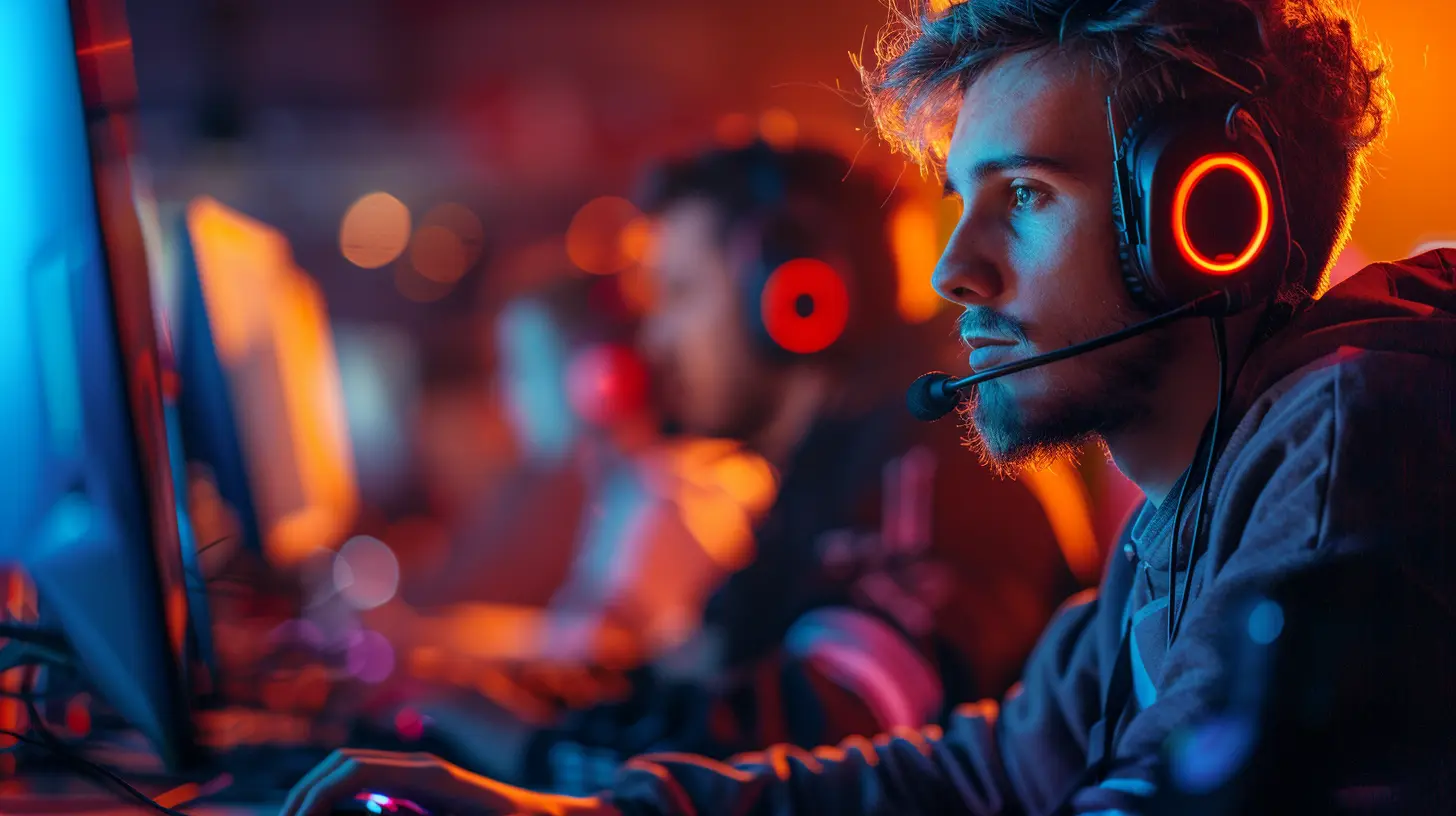
Balancing Act: Competitive Fairness Above All
Let’s start with balance. In non-esports shooters, it's okay if a weapon is a bit overpowered or an ability is hilariously broken. It adds chaos, right? But in esports, imbalance is deadly.Imagine a global tournament where one team dominates because their character has a 3-second invincibility bug. Not cool, right? That’s why games like Valorant, Rainbow Six Siege, and CS:GO put balance front and center.
Example: CS:GO’s Sacred Economy
In Counter-Strike: Global Offensive, the buy-phase economy is a pillar of competitive design. Each round’s outcome affects the next, pushing teams to think tactically. One round lost? Maybe it’s time for a “save round.” This creates drama and forces strategy—not random chaos.Esports made developers rethink everything: gun recoil, time-to-kill, map layout—every mechanic had to be tight, predictable, and perfectly tuned.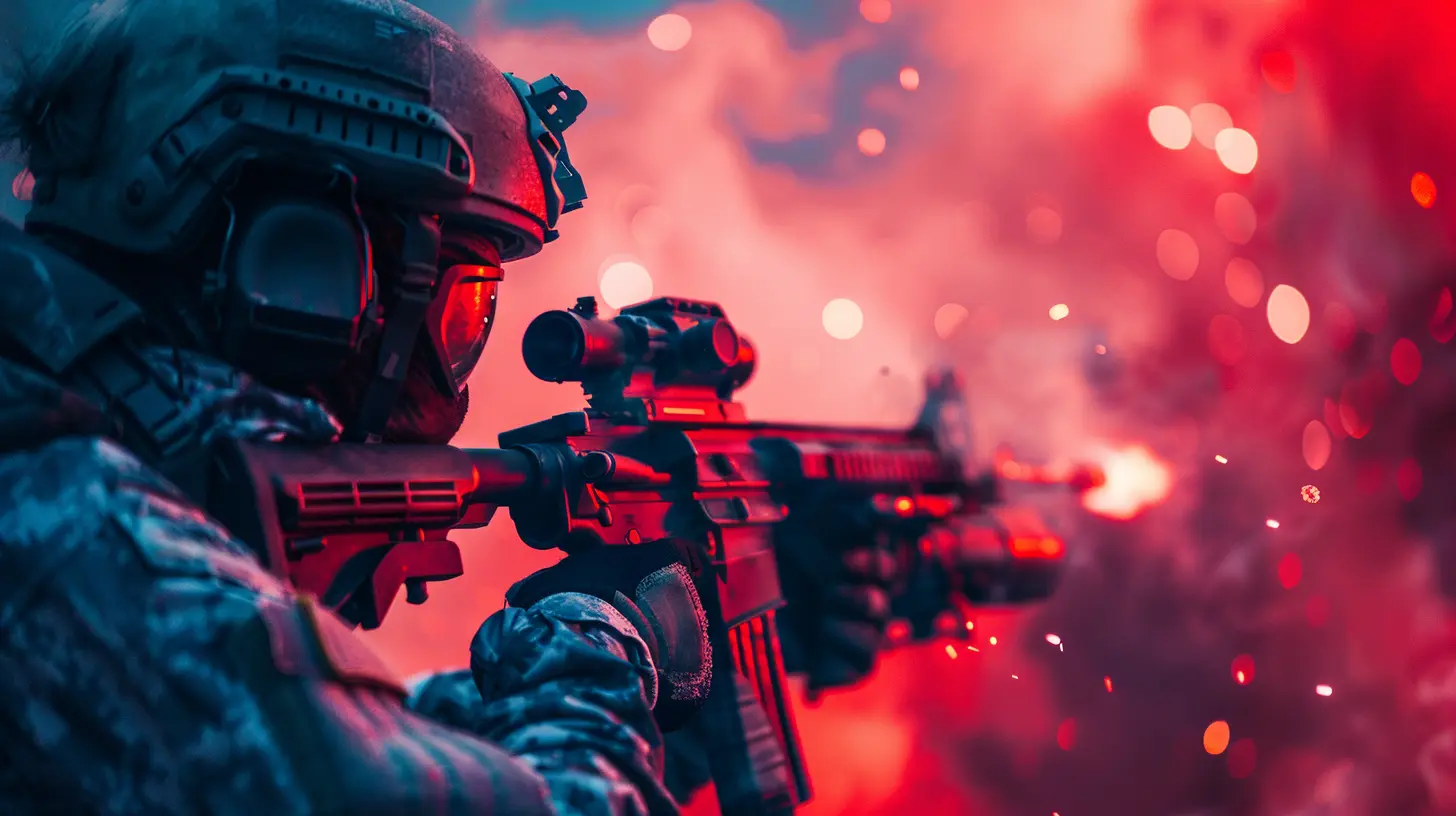
Map Design: Every Step Matters
Speaking of maps, the design of shooter arenas has evolved like never before due to esports. Back in the day, maps were built for exploration. Now? They’re crafted like chess boards. Every corner, corridor, and sightline has a purpose.The Art of Symmetry and Flow
Competitive maps need symmetry—or at least balance. No side should have an unfair advantage. Take Valorant’s map Ascent, for example. With its open mid, two bomb sites, and verticality, it demands strategy, communication, and timing.And let’s not forget about sightlines—all those long views where snipers suddenly become nightmares. Esports pushed devs to think: "Will pro players abuse this spot?" If the answer is yes, it’s back to the map editor.
Spectator Experience: Built for the Big Screen
Ever tried watching a fast-paced shooter without knowing what’s going on? Chaos, right? Esports forced devs to make shooters not just playable—but watchable.UI and Camera Work
Now, games come with built-in observer modes, dynamic killcams, and an easy-to-read HUD for viewers. These features weren’t always a priority. But with hundreds of thousands tuning in live, clarity became key.You can thank esports for those cool top-down tactical cameras, color-coded teams, and flashy kill notifications. They’re designed not just for players, but for us—fans watching from our screens or in sold-out stadiums.
Class-Based and Hero Shooters: Strategy Meets Diversity
The esports influence didn’t just fine-tune existing models. It created new ones. Enter the hero shooter. Think Overwatch, Apex Legends, and Valorant. Instead of nameless soldiers, these games gave us characters—each with unique abilities and roles.Esports demanded variety, and developers answered with layers of strategy.
Rock, Paper, Shotgun
Each hero or operator brings something new to a team composition. Need crowd control? Pick Brimstone. Need recon? Choose Sova. It’s like building a team of superheroes, each with strengths and weaknesses.And here’s the kicker—these choices aren’t just for flair. They're crucial to winning matches at the highest level. Esports made depth and variety essential, not optional.
The Meta Game: Shaping the Strategy
If you’ve been around esports at all, you know “the meta” isn’t just a buzzword—it’s everything. The meta is the unspoken rulebook of what strategies and characters are hot (or not) based on the current version of the game.Patch Notes: The Pulse of Competition
A weapon gets nerfed, a character gets buffed, and suddenly the entire competitive scene shifts. It’s like high-stakes chess, with devs as the unseen puppet masters. That’s the esports effect—developers constantly tweak their games not just for fun, but to keep the meta fresh and balanced.This back-and-forth between devs and players is a living, breathing dance. And make no mistake—it keeps the audience glued.
Training Grounds: Built-In Tools for the Pros
Ever played a shooter and felt overwhelmed? Don’t worry—so do the pros. But thanks to esports, games now come with robust training features that help sharpen skills.Aim Trainers, Replays, and Custom Games
Games like Rainbow Six: Siege let you recreate situations in custom lobbies. Want to practice that insane flick shot from Haven’s A site? Go for it. Esports pushed developers to think deeply about how to help players—both casual and competitive—train like champions.These tools aren't just nice to have—they’re essential in making sure talent can rise to the top, whether you’re playing from your couch or on the world stage.
Community Feedback Loop: Players as Co-Designers
Esports turned players into partners. Developers now scour Reddit threads, watch streamers, and attend Discord AMAs. Why? Because competitive balance depends on it.The Power of the Crowd
When pro players cry foul over a bug or imbalance, developers listen. And when the community rallies around a new strategy or gameplay loop, guess what? Devs adapt.This tight feedback loop ensures that shooter games evolve organically. It’s a far cry from the old days, where games were static after launch.
Monetization Meets Balance
Now, let’s talk money. Esports didn’t just change gameplay—it changed how games earn money. But with great monetization comes great responsibility.Cosmetic-Only Approach
In a competitive environment, pay-to-win mechanics are a death sentence. That’s why shooter games gravitated toward cosmetic monetization. Skins, voice lines, weapon charms—they’re flashy without affecting gameplay.This lets players express themselves (and support the game) without throwing off the balance. Again, esports made this shift necessary.
The Spectacle Factor: Flash Meets Firepower
Let’s not forget the dazzle. Esports turned shooter games into digital fireworks shows. From killcams to highlight reels, every match is part competition, part showbiz.Audio-Visual Feedback
Kill an enemy? You get a satisfying pop. Hit a headshot? Boom—critical sound cue. These feedback loops make games feel better—and they keep viewers engaged, too.Suddenly, shooter games aren’t just for players—they’re for audiences. And every sound, flash, and slow-motion explosion adds to the drama.
Cultural Shift: From Hobby to Career
It’s wild to think about how far we’ve come. Just a decade ago, playing shooters was a weekend hobby. Now? It’s a legit career path.Esports Shaped Future Dreams
Millions of kids now dream of being the next Shroud or TenZ, and universities even offer esports scholarships. That kind of cultural shift doesn’t just change the players—it changes how devs make games.Games are now crafted with longevity, scalability, and career-defining potential baked in.
Final Thoughts: A New Era of Game Design
Esports didn’t just influence shooter game design—it revolutionized it. From the tiniest UI elements to massive map reworks, everything changed. And as viewership grows and technology advances, the line between sports and esports continues to blur.So next time you load into a shooter, remember: every footstep’s echo, every weapon’s recoil, every map’s corridor has been touched by the spirit of competition. Esports didn’t just change games. It elevated them.
And the best part? This is only the beginning.
all images in this post were generated using AI tools
Category:
Shooter GamesAuthor:

Aurora Sharpe