Multiplayer Games as Tools for Teamwork
23 May 2026
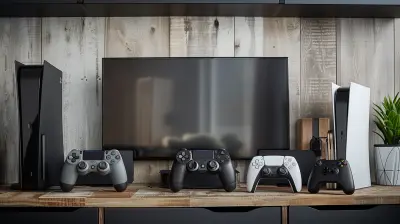
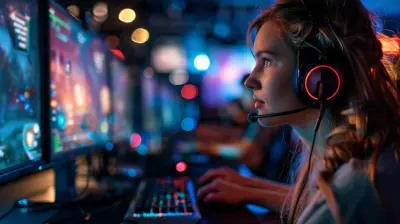
Whether you're crouched behind cover in a tense shooter, strategizing in a fantasy world, or pulling off a last-minute rescue in a co-op survival game, one truth stands out—multiplayer games are so much more than just entertainment. They’re strategic battlegrounds, communication labs, and, believe it or not, teamwork bootcamps. That’s right—multiplayer games are powerful tools for building teamwork.
And if you're shaking your head thinking, "Seriously? From gaming?" then hang tight. We're about to blow your mind with how group gaming can build real-world skills that matter far beyond the screen.
Why Teamwork in Games Is a Big Deal
You might think it’s all just button-mashing fun, but multiplayer games involve some serious behind-the-scenes collaboration. Picture this: you and a bunch of friends are trying to beat a dungeon boss that requires precise moves at the right time. If one person messes up, it's game over for everyone. Sound familiar? Yep—that’s teamwork in action.Whether it’s real-time coordination, effective communication, or decision-making under pressure, these are the same soft skills employers drool over. And guess what? Players sharpen these every time they log on.
The Growing Popularity of Multiplayer Games
Let’s get one thing straight: multiplayer gaming is no longer just for hardcore gamers camped out in their basements. Thanks to titles like Fortnite, Apex Legends, Minecraft, Among Us, and Call of Duty: Warzone, millions of people across the globe are connecting online, often with total strangers, to complete complex tasks and win together.Here's the kicker: these aren’t just games anymore—they're virtual arenas where leadership emerges, communication is tested, and teamwork becomes essential.
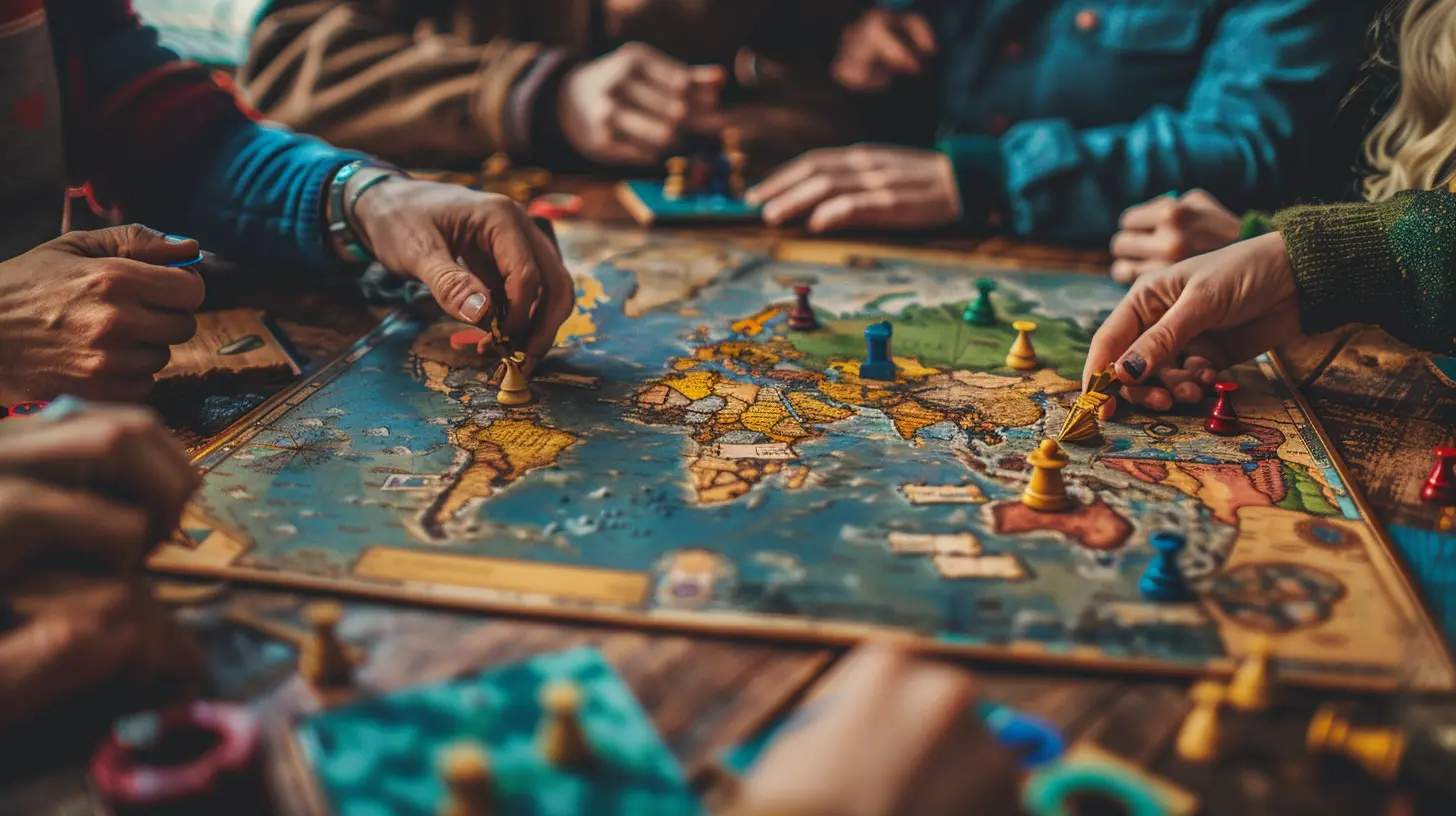
The Core Teamwork Skills Gamers Learn Without Even Realizing
So what’s really going on beneath the surface when you're lost in a 6-hour raid or a high-stakes battle royale?1. Communication… or You’re Toast
In a multiplayer game, silence isn’t golden—it’s a one-way ticket to losing. Teams need to constantly talk, ping, type, and signal. Whether it’s calling out enemy locations in a shooter or coordinating the next move in a puzzle game, clear, concise, and timely communication is everything.And the best part? Players start to develop a “team speak” shorthand. Sounds like the real office world, doesn’t it?
2. Collaboration and Trust
Ever teamed up with a stranger from another time zone to complete a mission? It’s oddly intimate. You learn to rely on others, even if you've never met them. In games like Destiny 2 or Final Fantasy XIV, trust is essential. You’ve got to believe your teammates have your back—or your mission’s doomed.Over time, this breeds collaborative thinking. You begin to see the value in each role and respect different playing styles. That’s teamwork, baby.
3. Leadership & Role Distribution
Here’s a fun fact: not everyone can be the hero all the time. In multiplayer games, you quickly realize that everyone has a specific role—tank, healer, sniper, support, and so on. And sometimes, when things go sideways, someone has to step up and lead.Great multiplayer games naturally shuffle leadership. One mission, you might be giving the orders. The next? You’re following them. It’s this fluid challenge of knowing when to speak and when to listen that hones real leadership skills.
4. Conflict Resolution (Yes, Really)
Not every game session goes smoothly. People rage quit. Someone blames the healer. Someone else gets defensive. But here’s the beauty: gamers learn to move past it, especially when the end goal is clear.They develop thicker skin, learn to apologize, de-escalate arguments, and sometimes just laugh it off. Sound like a crash course in emotional intelligence? It is.
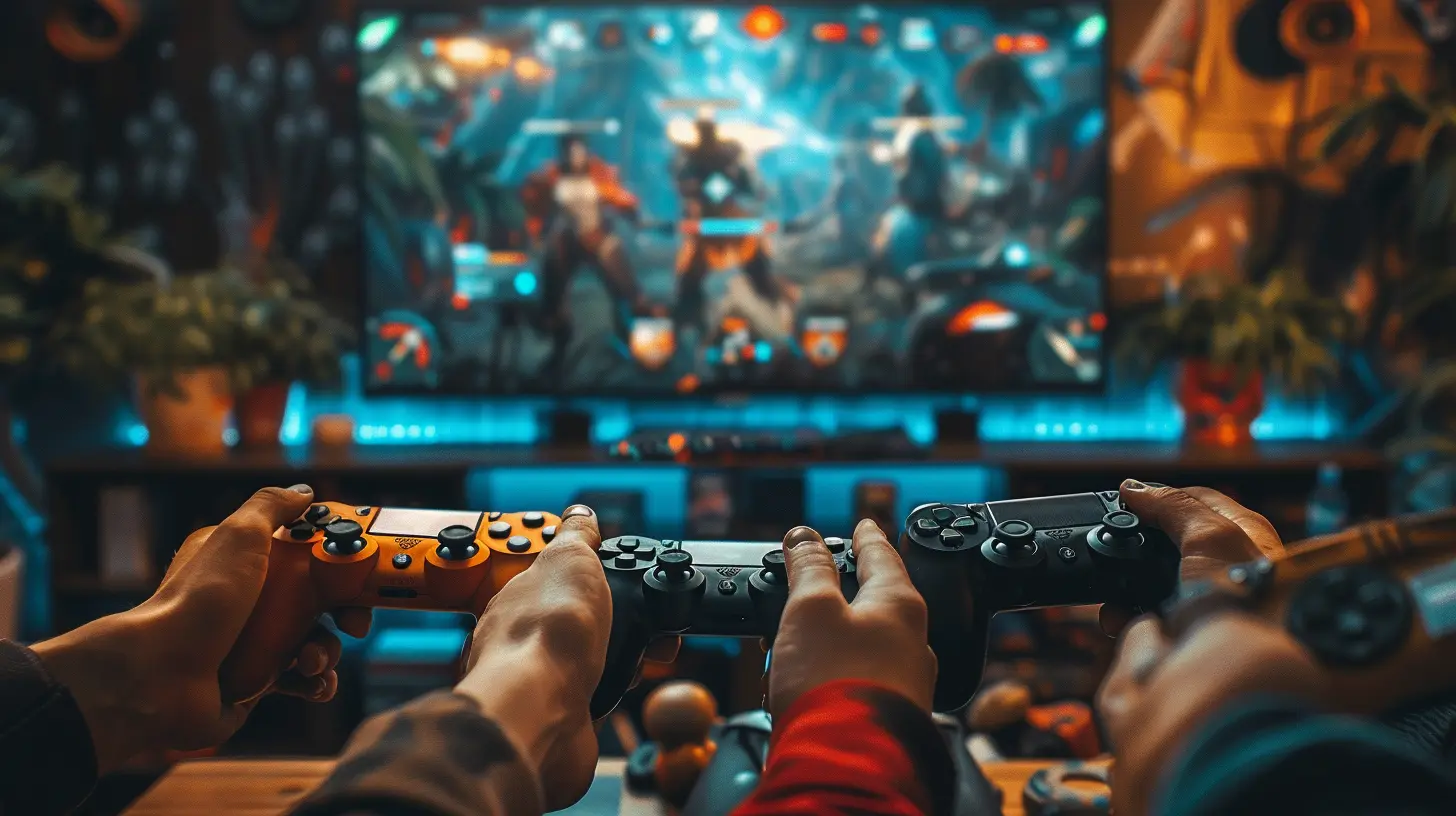
Multiplayer Games That Are Gold Mines for Teamwork
Alright, let’s zoom in on some standout games that serve as fantastic teamwork tools—even if they don’t shout it out loud.A. Overcooked/Overcooked 2
This chaotic kitchen simulator is absolute madness—and a teamwork masterpiece. Players work together to chop, cook, plate, wash dishes, and get meals out on time. One missed step? Total meltdown.But here’s where the magic happens: teams figure out workflow, assign roles, communicate under stress, and laugh their heads off. It’s like Hell’s Kitchen meets The Office party.
B. Rainbow Six: Siege
This isn’t your average run-n-gun. It’s a tactical shooter that demands next-level coordination. Players plan their approach, breach rooms, use gadgets, and adapt on the fly. Without planning and proper role execution, you’re toast.It’s like a digital police simulation—minus the paperwork.
C. Among Us
Sure, it’s hilarious. But underneath the memes and the sus accusations lies a brilliant lesson in social strategy and trust-building. Players have to deduce, collaborate, deceive (sometimes), and work toward a common goal.You want a crash course in group psychology? Play a few rounds of Among Us.
D. League of Legends (LoL)
Now, LoL isn’t exactly known for being chill. But it’s insanely good for learning role synergy and strategic collaboration. Each player has a distinct function within a team’s larger push toward victory. Good teams communicate constantly and adapt strategies based on real-time events.It’s a bit like chess…only faster…with dragons.
E. Fortnite (Squads Mode)
Fortnite isn't just about building and shooting. It’s about real-time communication, shared resources, reviving teammates, and supporting each other. In Squad Mode, every decision counts. Do you revive your teammate or go for the loot? Do you push or play it safe?It teaches quick thinking, value assessment, and, of course, sticking together.
The Real-World Benefits of Gaming for Teamwork
Okay, so plenty of pixels have been spilled on how games are “bad” for you. But the good stuff? That often gets buried. So let’s bring it into the limelight.Gamers at Work
More employers are waking up to the idea that gamers bring a unique, battle-tested skill set to the table. In fact, many HR recruiters now use cooperative gaming simulations to evaluate group dynamics.Why? Because how someone plays in a team setting says a lot about how they work in a real-world team.
Education and E-Learning
Educators are using multiplayer formats to teach collaboration, critical thinking, and leadership. Minecraft: Education Edition is a prime example. Kids work together to solve problems, all while learning geometry, programming, and communication.It's the next level of group projects—and nobody forgets their part in it.
Therapy & Social Skills Training
Believe it or not, therapists are also using multiplayer games with patients, especially kids and teens. It helps them practice social skills in a low-risk environment, face challenges, and get used to working with others.Cool, right?
How to Maximize the Teamwork Benefits of Multiplayer Games
So you're sold on the concept, and now you're wondering: “How do I actually make this work for me or my team?” Glad you asked.Play with Intention
Don’t just fire up a game mindlessly. Pick games that require collaboration, and focus on goals that need group effort. It could be clearing a dungeon, winning a match, or building something together.Rotate Roles
Try switching up positions. If you’re always the leader, take a backseat. If you usually play support, try leading. This gives everyone perspective and builds empathy for different contributions.Post-Game Reflection
Yeah, yeah—it sounds nerdy. But take five minutes after a session to talk about what went well, what didn’t, and how you could improve. This flips your game time into a learning tool.Keep the Vibes Positive
Toxicity kills teamwork. Be the person lifting others, not dragging them down. Encourage, support, and laugh off the fails—because at the end of the day, it’s still a game.The Future of Games as Team Builders
Looking ahead, multiplayer games are only going to get smarter, more immersive, and more collaborative. Think about future VR scenarios where entire teams work together in 3D environments. Imagine training simulations that blend real-life mechanics with game interfaces. It’s already happening in military, medicine, and space exploration.We’re heading towards a world where multiplayer games won’t just reflect teamwork—they’ll shape the way we build teams in real life.
Final Thoughts
So next time someone scoffs at your gaming habit, hit them with the facts: you’re not just playing—you’re training. Multiplayer games are shaping a new generation of team players, leaders, and communicators. And you? You're at the forefront.Whether it's coordinating a digital heist or reviving a teammate in a battlefield, every action builds a little more teamwork muscle. And that’s one level-up we all need.
all images in this post were generated using AI tools
Category:
Games And Social SkillsAuthor:

Aurora Sharpe
Discussion
rate this article
2 comments
Flint Chavez
Multiplayer games truly strengthen bonds and teach valuable teamwork skills in a fun way.
June 6, 2026 at 3:54 AM
Aurora Sharpe
Absolutely. Multiplayer games create a unique space for collaboration and connection, making teamwork enjoyable and impactful.
Zephyrine O'Brien
While multiplayer games foster cooperation, they often overlook the nuances of real-world teamwork dynamics.
May 28, 2026 at 3:40 PM
Aurora Sharpe
That's a valid point. While multiplayer games promote collaboration, they can simplify complex real-world dynamics. Balancing fun with realism could enhance their effectiveness as teamwork tools.