Online Gaming and Its Impact on Teen Socialization
22 June 2026
Alright, let’s talk about something that’s become a major part of everyday life for many teens: online gaming. Whether it’s hopping into a Fortnite squad, building in Minecraft, or taking on a raid in Destiny 2, teens are gaming more than ever. But this isn’t just about having fun or killing time—it has a much deeper layer. It’s about how these games are shaping the way teens socialize, interact, and build relationships.
So, is online gaming helping teens become more social, or is it making them retreat into a digital shell? Let's dive into this topic and break it down.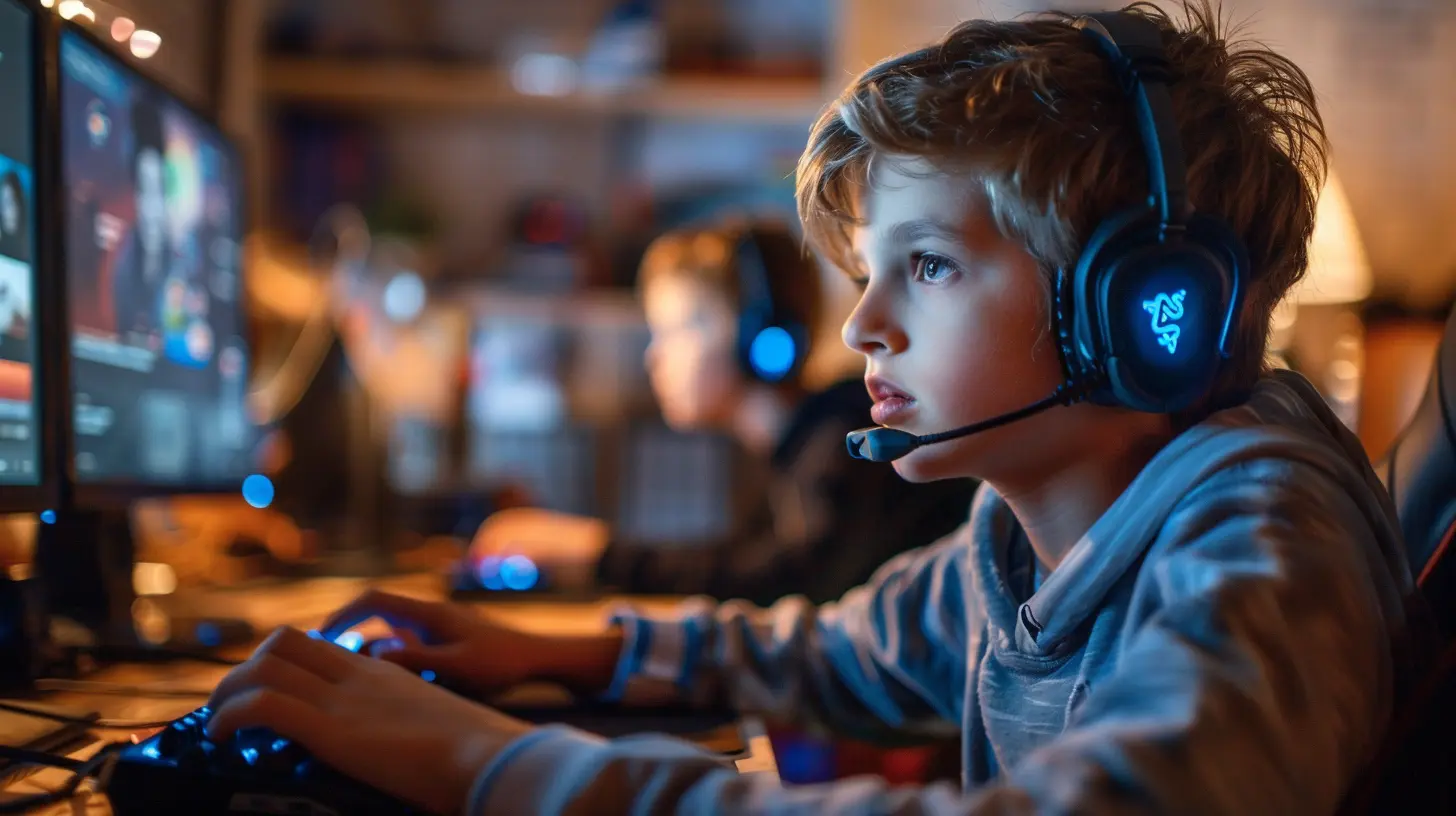
The Social Shift: From Playgrounds to Pixels
Not too long ago, hanging out with friends meant riding bikes around the neighborhood, chilling at the mall, or playing backyard sports. Fast forward to today, and many teens are doing all of that—but virtually. Through online games, today’s youth are making friends, talking for hours, and even solving problems together.Sure, it’s not face-to-face, but isn’t voice chat over a Call of Duty match a form of bonding too?
Why Online Gaming Feels Social
Let’s get one thing straight—online games aren’t just games anymore. They're social platforms. Games like Roblox, Among Us, and League of Legends have built-in text or voice chat, making them virtual hangouts.When teens team up to win a match or build something epic together, they’re not just playing—they’re collaborating. And just like working on a school project in person, this kind of collaboration builds communication skills and trust.
At its core, gaming is no longer about just beating bosses—it’s about connecting.
How Online Gaming Encourages Friendship
So how exactly does gaming help teens build friendships?1. Common Ground Creates Community
You know how it’s easier to start a conversation when you have something in common? That’s what gaming does. It gives teens shared experiences. Whether it's celebrating a win or laughing over a total fail, these moments turn into stories—stories that bond.It’s like being on a sports team. You might start as strangers, but throw in some teamwork, strategy, and shared goals, and suddenly, you're friends.
2. Icebreakers Are Built-In
Teenagers can be shy—especially when making new friends. But in an online game, there's almost always something to talk about. Whether it’s discussing strategy in Valorant or choosing characters in Apex Legends, the game provides a topic so no one has to face the awkwardness of small talk.It’s like the game hands everyone a conversation starter on a silver platter.
3. A Global Village of Players
Online gaming isn't limited to classmates or neighbors. Teens are now chatting with people across the country—or even the world. That’s pretty incredible, right? They’re learning about new cultures and different perspectives, all while playing a game.We often say travel broadens the mind. Well, gaming might just be the digital equivalent for teens.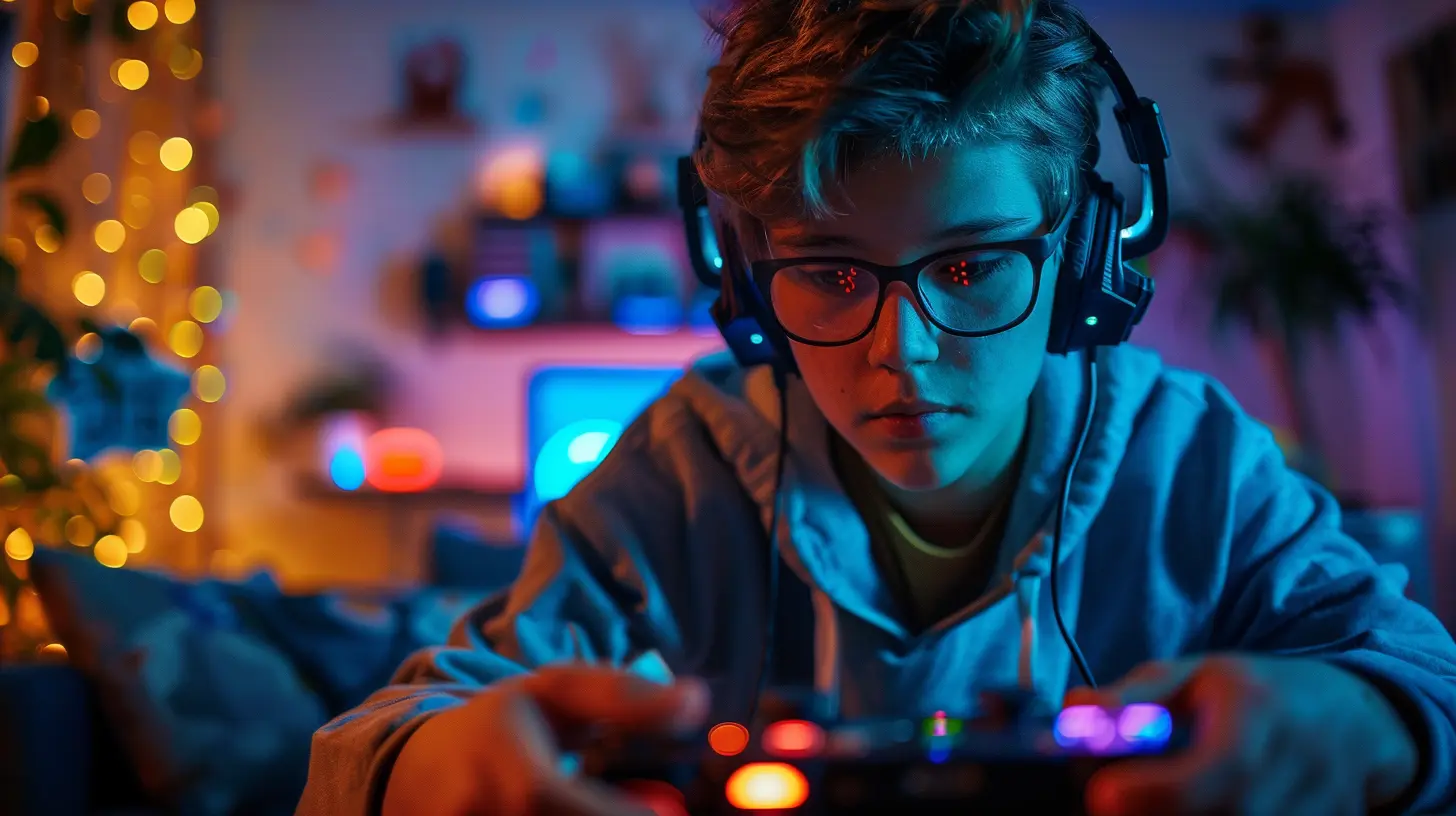
The Dark Side: The Risks of Online Gaming on Social Behavior
But let’s not sugarcoat it. While online gaming has undeniable benefits for teen socialization, it does have its downsides too.1. Replacing Real-Life Interactions
Let's face it: face-to-face communication is important. While talking online does count as social interaction, it's not quite the same as being in the same room with someone. There's eye contact, body language, spontaneous reactions—all things you just can't get through a headset.Spending too much time gaming might mean teens miss out on developing these essential social cues. It’s like knowing how to play an instrument but never learning to read music—you’ve got skills, but you’re missing key foundations.
2. Toxic Behavior and Online Bullying
Not everyone in a gaming chat is there to make friends. Some players are flat-out toxic. Between trash talk, trolling, and cyberbullying, online environments can get nasty fast. And constant exposure to that can mess with a teen’s self-esteem and view of social norms.Think of it like walking into a party where people constantly insult each other—after a while, you start thinking that’s normal behavior. Not exactly healthy, right?
3. Addiction and Isolation
Let’s talk about the elephant in the room: gaming addiction. When teens spend hours and hours grinding away at a game, they might start to cut back on real-life interactions—not just with friends, but with family too.It’s a slippery slope. The more time they spend gaming, the more disconnected they might feel from the “real world,” leading to feelings of isolation.
So, balance is key.
Parents, Let’s Talk: How to Support Healthy Gaming Habits
If you’re a parent reading this and wondering, “Should I be worried?”—don’t panic. The good news is, with the right approach, online gaming can be part of a healthy, balanced lifestyle.Tips for Parents:
- Limit screen time, not social time – It's okay to set boundaries, but make sure you're not cutting off your teen's way of interacting with friends.- Get involved – Learn about the games your teen is playing. Maybe even play with them! It's a great way to connect.
- Encourage offline hangouts too – Promote real-world social opportunities like clubs, sports, or family outings.
- Talk about toxic behavior – Make sure your teen knows what's acceptable and what’s not in online communities.
Schools Can Play a Part Too
Believe it or not, even schools are starting to recognize that gaming isn’t just a waste of time.Some schools now have esports teams—which not only give teens a space to compete and collaborate but also teach valuable skills like teamwork, strategy, and leadership.
Just like traditional sports, esports involve practice, dedication, and cooperation. And the best part? They’re inclusive. You don’t need to be tall, fast, or athletic—just passionate and committed.
The Pandemic Effect: A Surge in Online Social Gaming
Let’s be real—the world changed a lot during the COVID-19 pandemic. Schools closed, social events got canceled, and teens were stuck at home. For many, online gaming became more than a pastime—it was a lifeline.Games like Animal Crossing, Fortnite, and Among Us spiked in popularity because they allowed teens to hang out in safe, virtual spaces. They laughed, they played, they kept in touch. Honestly, it was beautiful to see how resilient and adaptive they were.
In a time when physical distancing was required, gaming brought people closer.
Finding a Balance: The Best of Both Worlds
So, what’s the verdict on online gaming and teen socialization?Like most things in life, it’s all about balance. Online gaming can help teens build friendships, communicate better, and even learn about the world. But too much of anything—even a good thing—can be a problem.
The ideal situation? Teens who can jump into a raid with friends, then head outdoors to shoot some hoops or catch a movie with the same crew. That’s social versatility. That’s what we should aim for.
Final Thoughts
Online gaming is a double-edged sword. On one hand, it’s giving teens powerful tools to connect, bond, and learn social skills in a digital age. On the other hand, if not monitored, it can lead to isolation, unhealthy behaviors, or exposure to toxic environments.But here’s the thing: it all comes down to how it's used. Just like with social media or even food, moderation is key. When embraced mindfully, gaming can be one of the most socially enriching activities of modern teen life.
So, instead of fearing the controller, maybe it’s time we picked one up and saw the world through their eyes—even if it’s in pixel form.
all images in this post were generated using AI tools
Category:
Games And Social SkillsAuthor:

Aurora Sharpe
Discussion
rate this article
1 comments
Elle Foster
In virtual realms, friendships bloom and fade, shaping bonds through pixels, where laughter and escape intertwine.
June 29, 2026 at 5:00 AM