When In-Game Music Elevated the Experience
4 August 2026
Ever found yourself humming a melody long after turning off your console? That’s not just coincidence—it’s the magic of in-game music pulling at your soul.
Gaming, at its core, is about immersion. It’s about stepping into unknown worlds, living stories that tug at your emotions, and battling dragons or aliens like it’s just another Tuesday. But behind every epic quest, every boss fight, and every tear-jerking cutscene, there’s a soundtrack that breathes life into every pixel.
Let’s dive deep into how game music doesn’t just accompany the action—it amplifies it. Sometimes, it even is the action.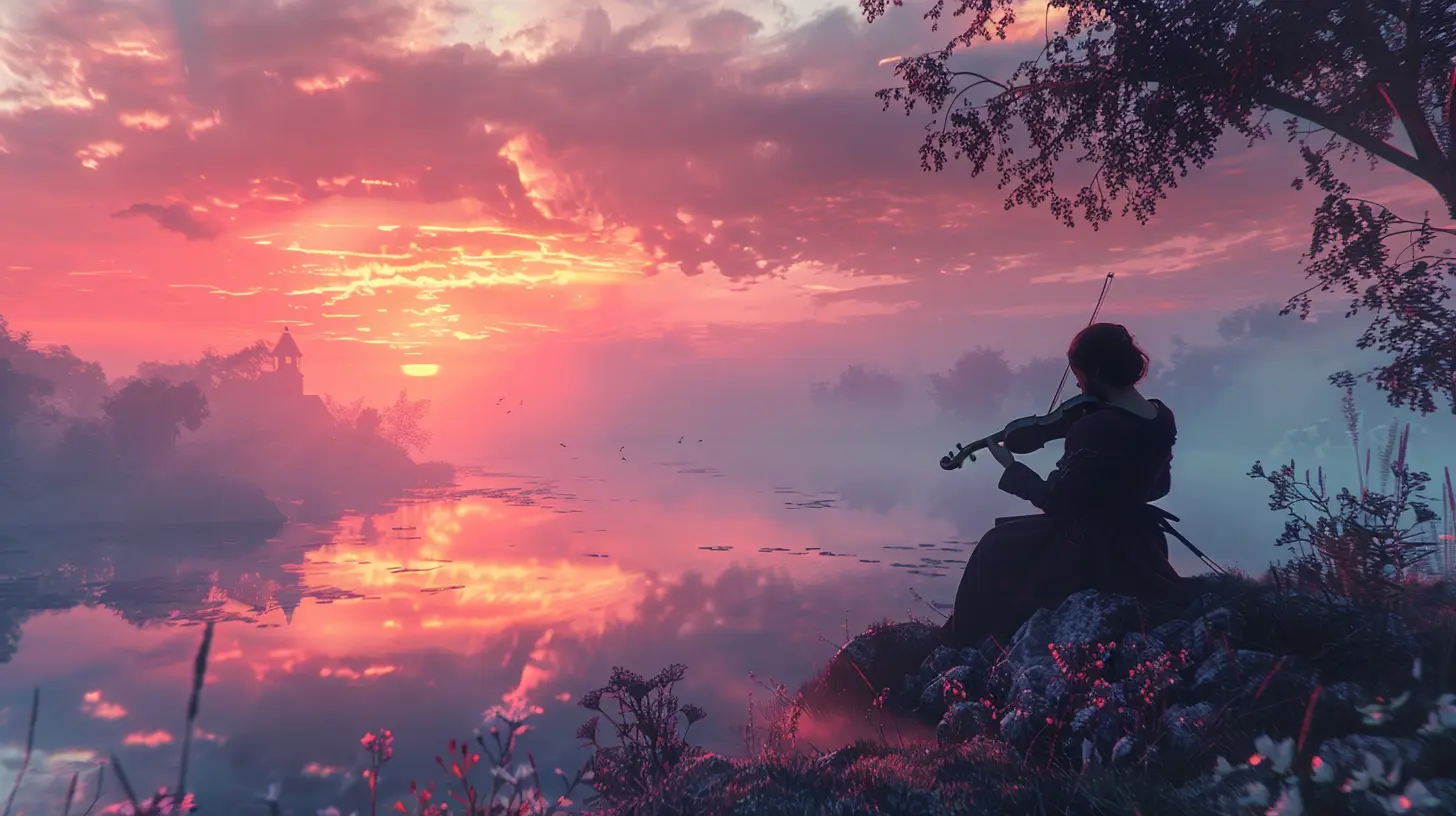
The Unsung Hero: Music in Gaming
Think back to your favorite gaming moment. Maybe it's walking through the fog in Silent Hill, your heart racing. Or maybe it's sprinting through Hyrule Field in The Legend of Zelda: Ocarina of Time, feeling invincible. Now imagine those scenes without music. Feels oddly empty, right?Music in games does more than fill the silence. It sets the tone, shapes the narrative, and often, tells a story all by itself.
Unlike movies, where music supports a fixed script, games are interactive. The soundtrack has to adapt—not just play in the background, but respond to your choices, your pace, your victories and defeats. It's a dance between code and composition.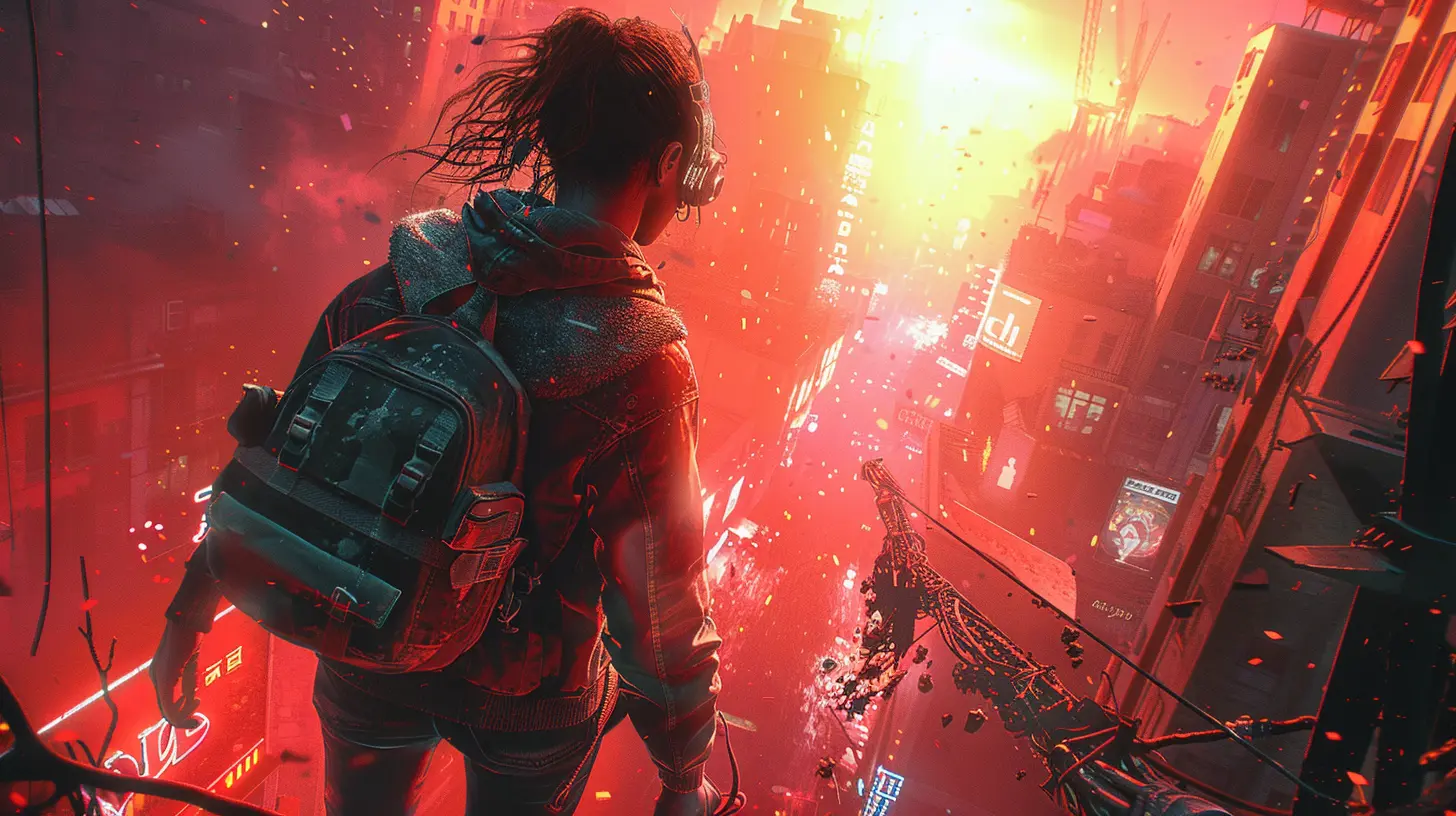
When the Melody Becomes the Message
1. The Legend of Zelda: Ocarina of Time – Music As Gameplay
Ocarina of Time didn’t just use music—it made music a core mechanic. Playing lullabies and mystical chants on your ocarina wasn’t just a gimmick. It was how you opened doors, changed time, and spoke with the world. Music wasn’t part of the experience; it was the experience.And don’t even get me started on “Zelda’s Lullaby.” That soft melody somehow manages to yank your emotions every time it plays. It’s like a lullaby not just for the game’s princess—but for every player returning home after a long journey.
2. Final Fantasy Series – Emotional Depth in Every Note
If JRPGs are operas, then Nobuo Uematsu is its Mozart. The Final Fantasy series, especially entries like VII and X, are known for their soul-stirring scores. Remember “Aerith’s Theme”? That gentle, melancholic tune that turned pixels into poetry?Final Fantasy’s soundtrack didn’t just provide a backdrop. It gave emotional gravity. In moments of loss, triumph, or quiet reflection, Uematsu’s compositions wrapped around players like a warm (or sometimes heavy) blanket.
3. The Elder Scrolls V: Skyrim – Epicness Turned Up to Eleven
“Dovahkiin, Dovahkiin!” The moment that dragon-chant anthem hits, you feel like you can fight the gods themselves. Skyrim’s music doesn’t whisper—it roars.Composer Jeremy Soule created a soundtrack that made the snowy peaks and sprawling dungeons of Skyrim feel alive and towering. Music wasn’t just immersive—it was empowering. Those booming choirs made you believe you were the Dragonborn.
4. Journey – Minimal Words, Maximum Emotion
Journey is a rare gem. A game where visuals and music do the storytelling. Composer Austin Wintory’s Grammy-nominated score is a masterclass in dynamic emotional balance.There’s something spiritual about playing Journey. The music sways and flows with your every movement. It morphs through discovery, fear, solitude, and unity. You may not say a word throughout the game, but the soundtrack speaks volumes.
5. Celeste – A Battle Within, Echoed in Sound
Celeste isn’t just a platformer—it’s a metaphor for overcoming anxiety and self-doubt. And Lena Raine’s soundtrack? It's like a diary of every emotional peak and valley.Tracks like “Resurrections” and “Reach for the Summit” don’t just pump you up—they walk alongside your struggle. It’s synthy, it’s raw, it’s beautiful. Somehow, the music says, “Hey, I get it.” And that’s powerful.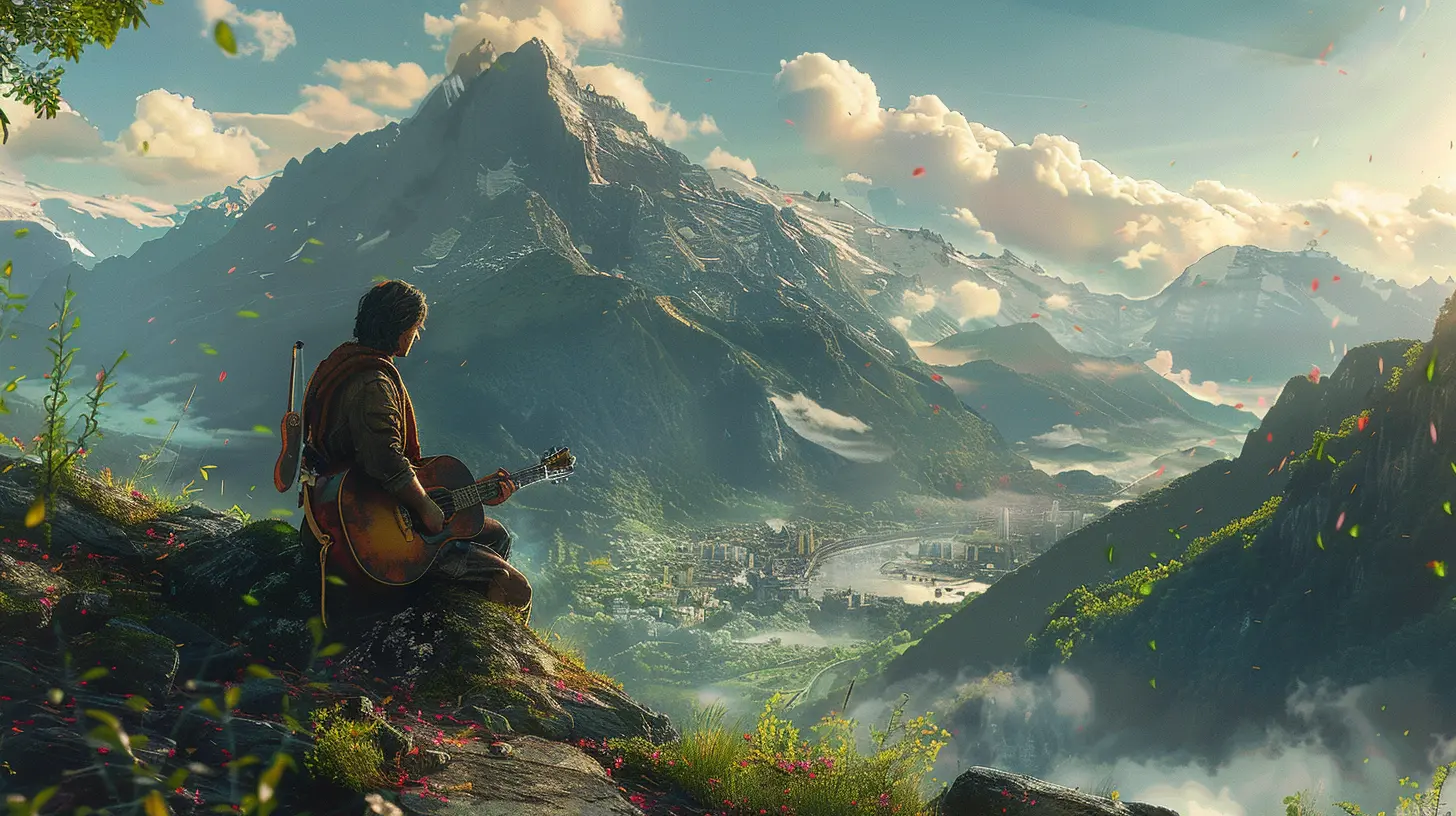
Adaptive Soundscapes: Music That Breathes With You
Here’s where game music truly flexes its muscles: adaptivity.Have you ever noticed how a peaceful track turns into a heart-pounding drumbeat the moment enemies spot you? That’s dynamic music design. It reacts to your actions like a pulse. It knows when to whisper and when to scream.
Games like Red Dead Redemption 2 or The Last of Us use this to stunning effect. A slow strum of a guitar can make a lonely prairie feel vast and poetic. Then, a sharp violin string can flip that mood into dread within seconds.
These aren’t static scores—they’re living, breathing soundscapes that follow your every step.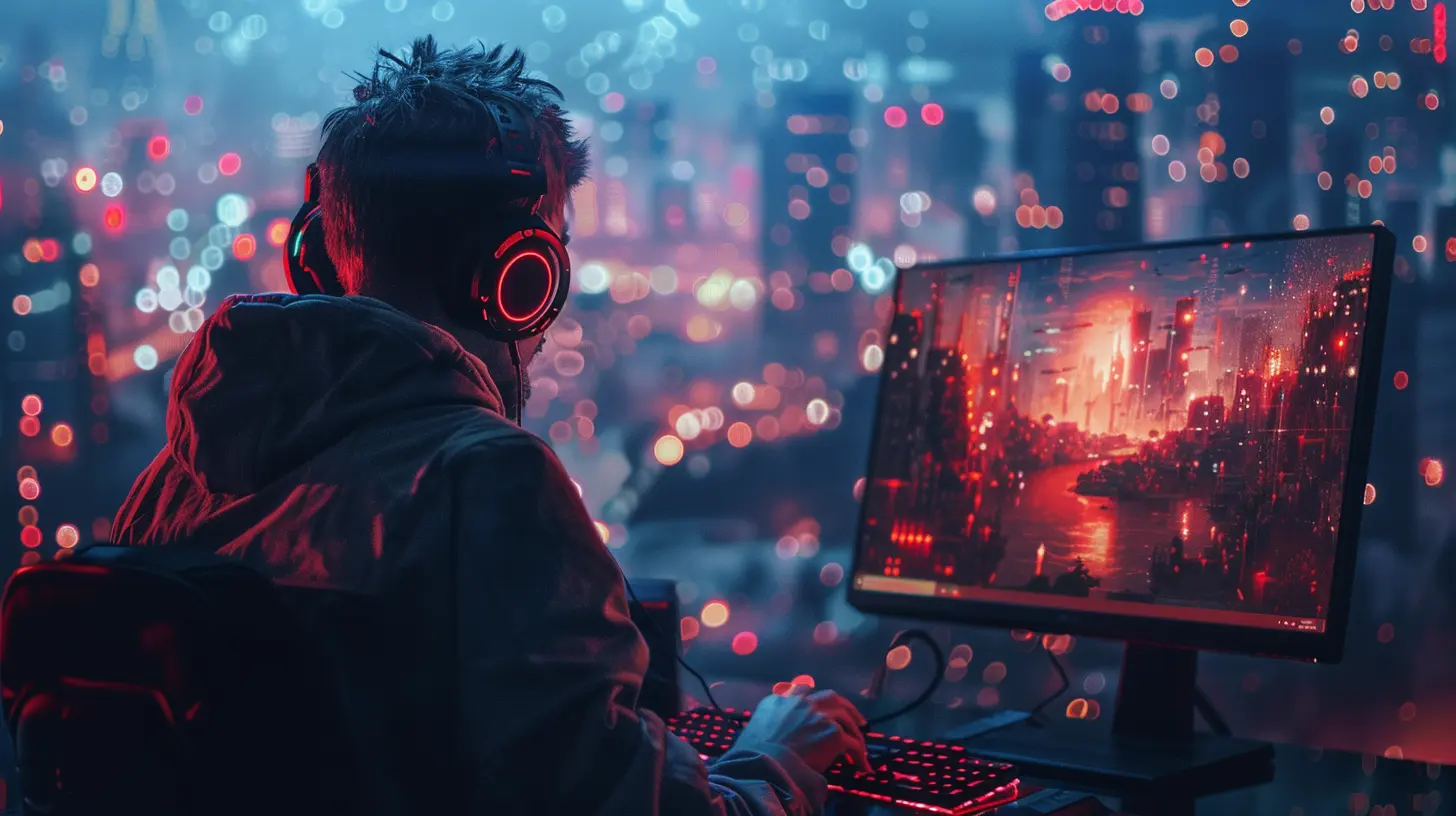
Nostalgia, Pixelated and Perfect
There’s something unexplainably nostalgic about 8-bit and 16-bit era music. You hear the first few notes of the Super Mario Bros. theme or Tetris, and your brain fires off like fireworks on New Year’s.Back then, sound chips were limited, but composers pushed boundaries. Koji Kondo, Yuzo Koshiro, and others turned simple beeps into iconic symphonies. They had to be clever. Without lush orchestras, they composed tunes catchy enough to loop endlessly without driving players insane—which is a feat in itself.
Today, chiptune music is a genre of its own, often revisited in indie games paying homage to that golden age.
Music That Tells the Story Without Words
Not all stories are told through dialogue or cutscenes. Sometimes, a song says everything.Take Hollow Knight, for example. The game barely talks to you. The world is dark, the lore mysterious. But Christopher Larkin’s haunting, echoey soundtrack makes the underground kingdom of Hallownest feel like an elegy. You feel the loss, the history, the decay—without a single word.
Or Undertale, where every character has a musical theme—a motif that reflects personality, mood, and backstory. “Megalovania,” perhaps the most iconic, isn’t just a boss fight track—it’s a character study in sound.
Multiplayer Mayhem and Melodies
Even in chaotic multiplayer titles, music holds its ground. Think about Halo's Gregorian-inspired theme. Doesn’t it make you feel like you're charging into battle alongside ancient warriors?Or Splatoon, whose quirky, alien-pop soundtrack adds as much identity as its ink-splatting mechanics. It’s like music made for a neon paint fight—and it slaps.
In games like these, the music doesn’t just support the gameplay—it defines the game’s personality.
Indie Games: Where Music Reigns Supreme
Let’s give a round of applause for the indie scene. Because when budgets are tight, emotional depth makes up the difference—and music leads that charge.Games like Hyper Light Drifter, Oxenfree, and Fez use music not just as flourishes, but as foundations. They're proof that you don’t need photorealistic graphics to move someone. Sometimes, all it takes is a steady beat and a heart that understands.
The Soundtrack Lives On
Here’s the wild part: long after credits roll, the music stays with us. Game soundtracks are now on Spotify playlists, in orchestral concerts (Final Fantasy: Distant Worlds, anyone?), and even studied by scholars.Why? Because game music isn’t just “background noise” anymore. It’s art. It’s identity. It’s emotional memory.
You might forget the exact mechanics of a puzzle or the name of that one side character, but the theme that played in the background during your biggest challenge? That sticks. Music lingers. It lives rent-free in your mind—and heart.
A Personal Note: Why We Remember
Let me get personal for a second.Once, during a rainy night, I replayed Ori and the Blind Forest. Gareth Coker’s music started playing—and I actually paused to cry. Not because of a cutscene. Not because of dialogue.
But because the music hit me in a way nothing else did in that moment. It made me remember a part of myself I'd forgotten.
That’s not just music. That’s magic.
Final Thoughts: A Symphony of Pixels and Passion
Gaming is a tapestry woven from many threads—graphics, story, mechanics, voice acting—but music is the golden thread that binds it together. It’s not about flashy notes or bombastic noise. It’s about connection.So the next time you boot up your favorite game, pause. Listen. Let the music wrap around you. Because you’re not just playing a game… you’re part of a symphony.
And you? You’re the main instrument.
all images in this post were generated using AI tools
Category:
Best Gaming MomentsAuthor:

Aurora Sharpe