Interactive Storytelling as a Tool for Building Social Skills
2 December 2025
In today’s ultra-plugged-in world, where face-to-face interactions are becoming less frequent, social skills are more important—and harder to come by—than ever. While traditional education and parenting play a big role in shaping those skills, there's an unexpected hero quietly making a difference: interactive storytelling.
Yep, we're talking about games, role-playing, choose-your-own-adventure stories, and narrative-driven apps. These storytelling tools are doing more than just keeping us entertained—they’re helping people (especially kids and teens) develop empathy, communication abilities, and conflict-resolution skills. So, if you've ever brushed off story-based games as just “fun with no real value,” think again.
In this blog post, we’re diving deep into how interactive storytelling is becoming a powerful method for building essential social skills. We'll break it down, look at why it works, how it’s used in different formats, and how even you can jump in to start growing socially—all while having fun.
What Is Interactive Storytelling, Anyway?
Before we get too ahead of ourselves, let’s clear up what we mean by “interactive storytelling.”At its core, interactive storytelling is a method where the audience (that means you—the player, reader, or viewer) becomes part of the story. Instead of just passively consuming a narrative like watching a movie or reading a book, you get to make choices that shape what happens next.
Think of it like the “choose-your-own-adventure” books from back in the day, but on steroids. We're talking about video games like Life is Strange or The Walking Dead, role-playing games like Dungeons & Dragons, or even apps that tailor story outcomes based on your responses.
You’re not just watching a story unfold—you’re in it, steering the wheel, and feeling the consequences of every decision.
The Psychology Behind Why Stories Work
So, why does being part of a story help with social skills?Humans are hardwired for stories. From ancient campfires to binge-watching Netflix, narratives are how we connect, understand the world, and make sense of emotions.
Now add interactivity into the mix. When you're involved in the story:
- You start to empathize with characters.
- You experience consequences in a safe, no-risk environment.
- You practice decision-making, often in morally complex situations.
This kind of emotional engagement is gold for developing social intelligence. It places you in someone else’s shoes—and that, my friend, is where true empathy begins.
How Interactive Storytelling Builds Social Skills
Let’s break this down further and look at exactly how these narrative experiences work their magic on our social skills.1. Empathy: Walking a Mile in Virtual Shoes
Imagine playing a game where you're a refugee making difficult choices to survive. Or a teenager dealing with bullying, relationships, or mental health. These types of storylines aren't just entertainment—they're emotional labs.By making choices for these characters, players start to internalize what those people are going through. You start to see the world from perspectives you may have never considered before.
This strengthens your ability to empathize in real life—whether it’s understanding a friend’s bad day or seeing why someone might behave the way they do.
2. Communication: Dialogue That Matters
Most interactive stories involve dialogue. But unlike real life, you often get to choose what to say and see how different responses play out. That's like social communication bootcamp.You get to:
- Practice expressing feelings or thoughts clearly.
- Understand how tone and word choice affect others.
- Learn the difference between passive, aggressive, and assertive communication styles.
Trial and error in games like Mass Effect or Detroit: Become Human teaches you better ways to handle conversations—even when they get tricky.
3. Conflict Resolution: Solving Problems Without Punches
Let’s face it: conflict is part of life. Interactive stories often throw characters into tense situations requiring smart thinking and cool heads. Some games offer multiple paths—fight, talk, run, compromise.This freedom helps players explore consequences—what happens if I de-escalate? What if I outsmart instead of overpower?
You learn problem-solving, negotiation, and critical thinking. All crucial social tools no matter your age or setting.
4. Teamwork and Collaboration: Role-Playing Games to the Rescue
When you jump into a tabletop RPG like Dungeons & Dragons or a co-op story game, you’re not going solo. You’re part of a team.- You’ve got to listen.
- You have to plan together.
- You solve puzzles as a group.
- And yeah, sometimes you have to give up your idea in favor of the group’s consensus.
It’s group dynamics in action, and you’re right there in the middle of it. This real-time collaboration builds skills that spill over into school, work, and social settings.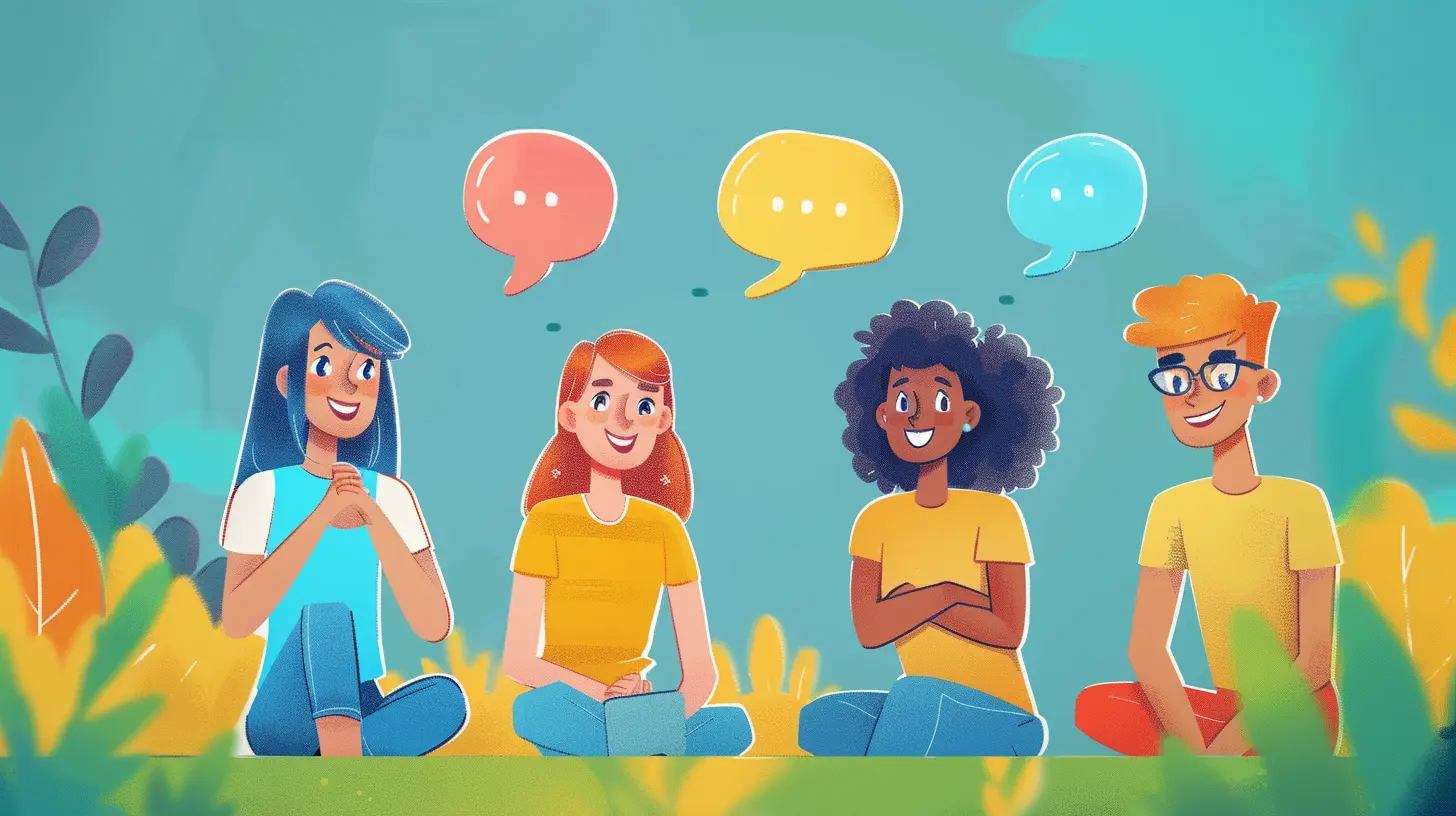
Real-Life Examples Where Interactive Storytelling Shines
Need some proof that this really works? Let’s check out a few real-world applications where interactive storytelling is already a game-changer.1. Education: Life Lessons in the Classroom
Teachers are now incorporating story-based games into lessons. Games like Quandary help kids navigate ethical dilemmas. Mission US immerses students in historical settings where choices affect outcomes.These tools not only make learning fun but build critical thinking and emotional intelligence right in the classroom.
2. Therapy: Storytelling for Emotional Growth
Therapists use storytelling and games like Minecraft or custom-built apps to help kids with autism or anxiety disorders practice social interaction. The safe, game-based environment makes it easier for children to open up, try new behaviors, and build confidence.3. Corporate Training: Soft Skills at Work
Companies are using interactive scenarios and story-based simulations to teach workers emotional intelligence, leadership, and diversity awareness. Why? Because stories stick. People remember lessons better when they feel them.Say goodbye to boring corporate PowerPoints—interactive storytelling is taking over.
Digital Games Versus Traditional Storytelling
Now, you might be wondering… can’t books or movies teach these same skills?Well, kind of. Traditional storytelling is great, but it’s passive. You read or watch, maybe you reflect, and that’s it.
Interactive storytelling is participatory. You’re actively involved, making decisions, feeling consequences. That’s a whole different level of engagement.
It’s the difference between watching someone cook versus getting your hands dirty in the kitchen. The learning sticks better when you do it yourself.
How to Use Interactive Storytelling to Boost Your Own Social Skills
Curious about jumping into this world? Here are a few simple ways to get started, no matter your age or gaming experience:1. Play Narrative-Driven Games
Try games like:- Life is Strange
- Firewatch
- The Walking Dead
- Undertale
- Disco Elysium
These titles aren’t about high scores—they’re about stories, emotions, and the people behind them.
2. Join a Story-Based Tabletop Game
Find a local D&D group or an online RPG community. You’ll meet people, build a character, and practice social dynamics in a fun, low-stakes setting.3. Use Interactive Story Apps
Apps like Choices, Episode, or Reigns offer quick, engaging stories you can dip into on your phone. Great for casual play and social learning on the go.4. Make Your Own Story
Want to take things to the next level? Create your own interactive story using platforms like Twine or Ink. Writing out choices for characters forces you to think about different perspectives—hello, empathy!The Future of Social Learning Through Story
As technology keeps evolving, storytelling tools will get even more immersive—think VR experiences, AI-driven narratives, and adaptive emotional feedback.And guess what? All of these advancements mean more exciting ways to build social skills without sitting through another boring lecture.
Parents, teachers, employers—everyone should take notice. Interactive storytelling isn’t just a trendy pastime—it’s a revolutionary way to teach what really matters: how we connect with each other.
Final Thoughts
At its heart, interactive storytelling taps into what makes us human—our emotions, our decisions, and our relationships. It invites us to explore life through someone else’s eyes and gives us safe, creative space to practice being better people.Whether you're navigating the apocalypse, solving a mystery, or just trying to say the right thing at a virtual lunch table, every choice builds something.
So the next time someone says, “You’re just playing a game,” you can smile and say, “Actually, I’m building social skills.”
Because with interactive storytelling, you’re not escaping reality—you’re learning how to thrive in it.
all images in this post were generated using AI tools
Category:
Games And Social SkillsAuthor:

Aurora Sharpe
Discussion
rate this article
2 comments
Yvette Elliott
Who knew leveling up your social skills could come from talking to virtual dragons? Forget therapy; I’ll just negotiate my way through a fantasy realm!
December 2, 2025 at 4:06 PM
Aurora Sharpe
Absolutely! Interactive storytelling, like engaging with virtual dragons, offers a unique way to practice and enhance social skills in a fun and immersive environment. It's a valuable tool for learning through play!
Selene Wagner
Love how games boost social skills! So fun!
December 2, 2025 at 5:26 AM
Aurora Sharpe
Thank you! I'm glad you enjoyed the article. Games indeed create fantastic opportunities for social interaction and skill development!