How Parents Can Use Games to Teach Social Skills
17 June 2026
We live in a world where screens glow brighter than backyard sunshine and online interactions have taken a front seat. In this age of rapid digital evolution, parenting has grown complex. Teaching kids core life values like empathy, teamwork, patience, and communication — aka social skills — can feel like climbing Mount Everest with flip-flops.
But what if I told you the secret weapon may already be buzzing inside your living room? Yup. Games.
They’re not just about high scores and boss battles. Games, both digital and tabletop, can be magical playgrounds where kids can learn, grow, and develop the soft skills that matter most. So pull up a chair, grab your favorite beverage, and let’s dive into how parents can use games (yes, even video games!) to teach social skills in a way that’s super fun and incredibly effective.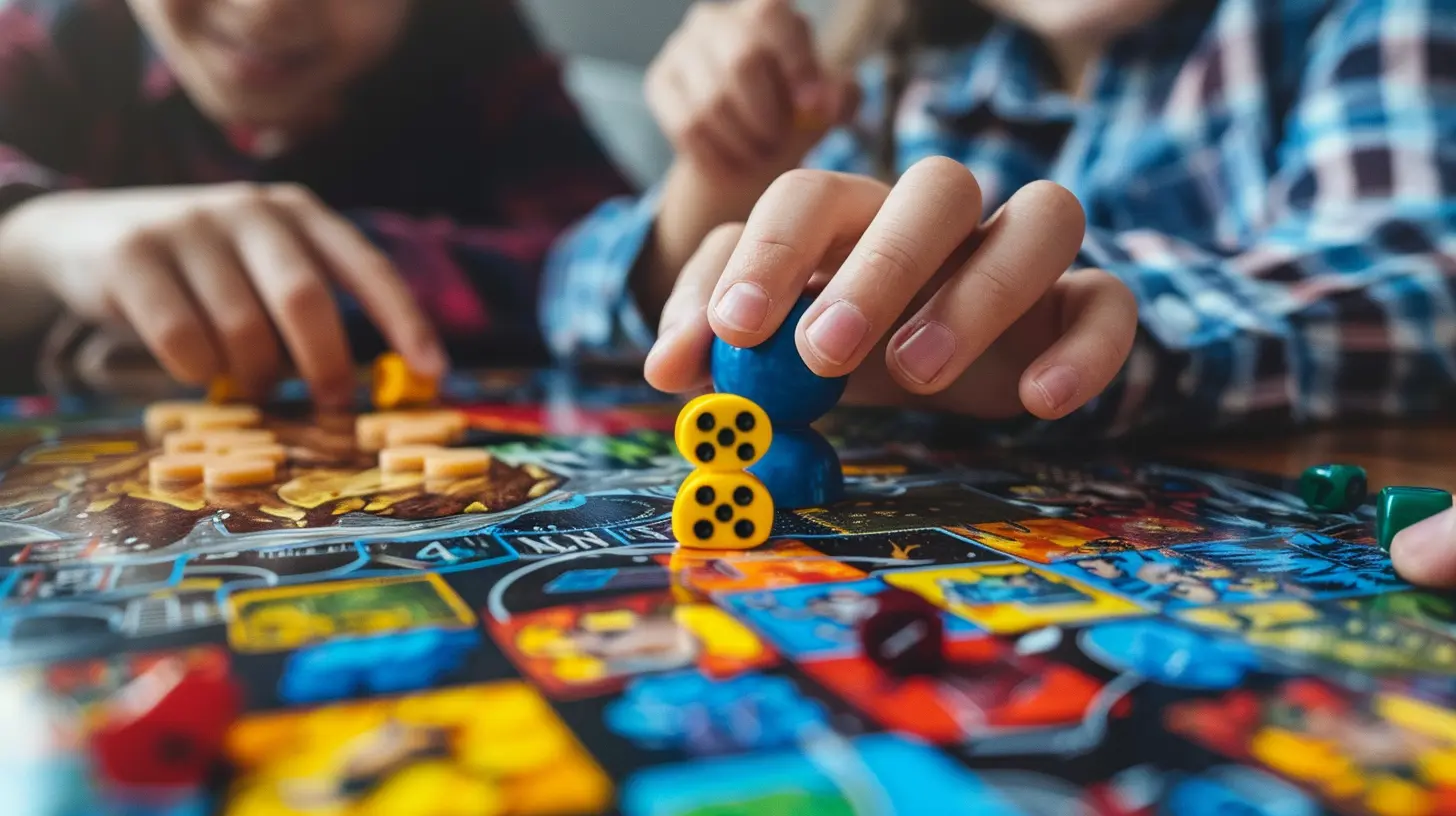
✨ Why Social Skills Matter More Than Ever
Let’s set the stage first, shall we?In a highly connected world, the ability to connect with others is gold. Kids aren’t just preparing for spelling bees or soccer matches — they’re gearing up to become future leaders, collaborators, friends, and partners.
Social skills like:
- Active listening
- Empathy
- Conflict resolution
- Cooperation
- Patience
These aren’t just nice-to-haves. They’re the secret sauce to a successful, happy life.
But here’s the catch — teaching these skills can’t be lectures-only. You can’t talk someone into becoming empathetic. They have to experience it, feel it in their bones. Cue the entrance of our unassuming heroes: games.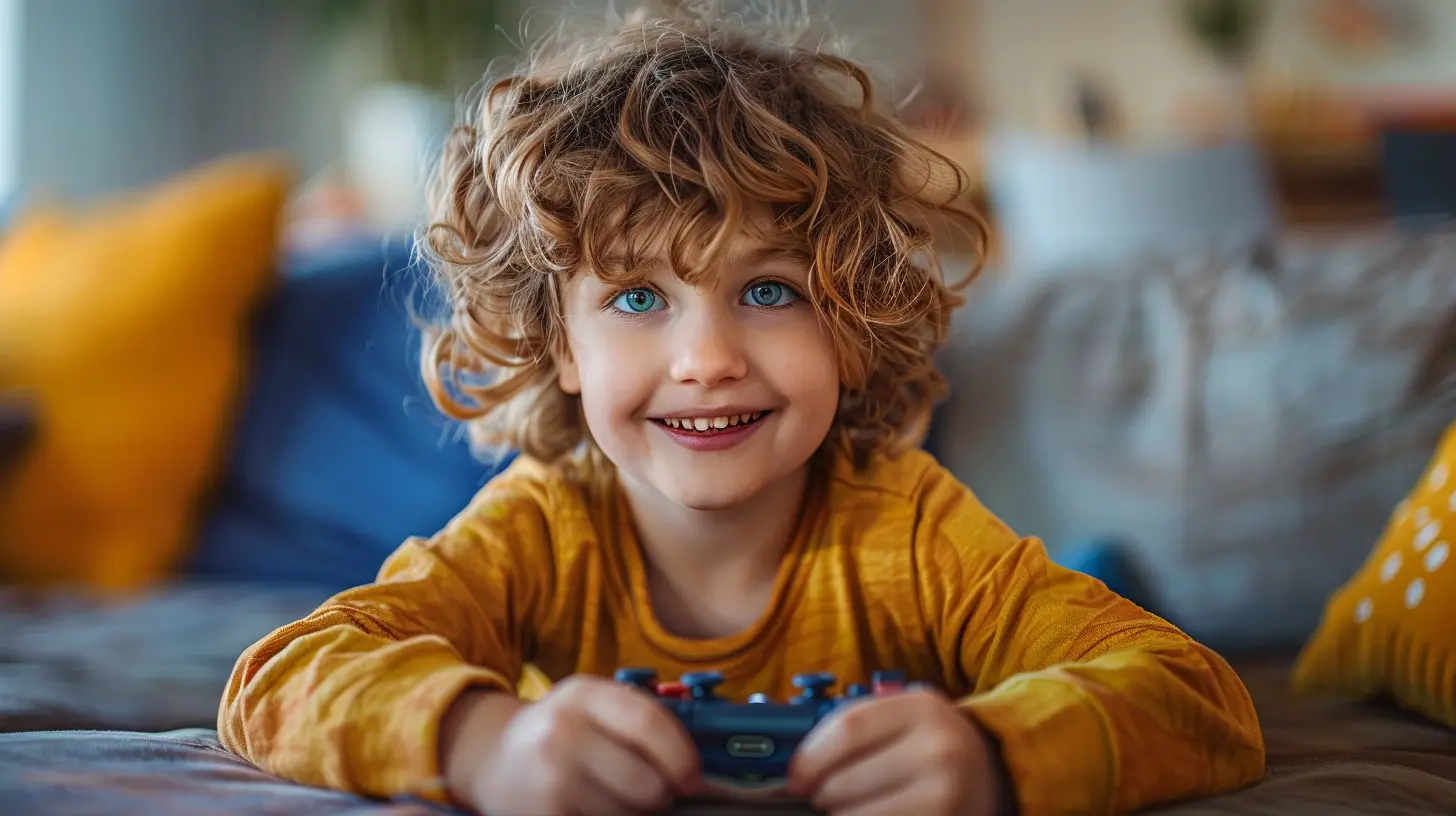
? The Hidden Powers Within Games
Games are more than entertainment. Think of them as the sugar that helps the medicine go down. They're immersive, emotional, and full of teachable moments.Whether it’s Monopoly testing patience, Minecraft encouraging collaboration, or a game of charades that sparks nonverbal communication — kids learn by doing. And that’s why games work so brilliantly.
But not all games are created equal, right? Let’s break down how different types of games help kids flex their social muscles.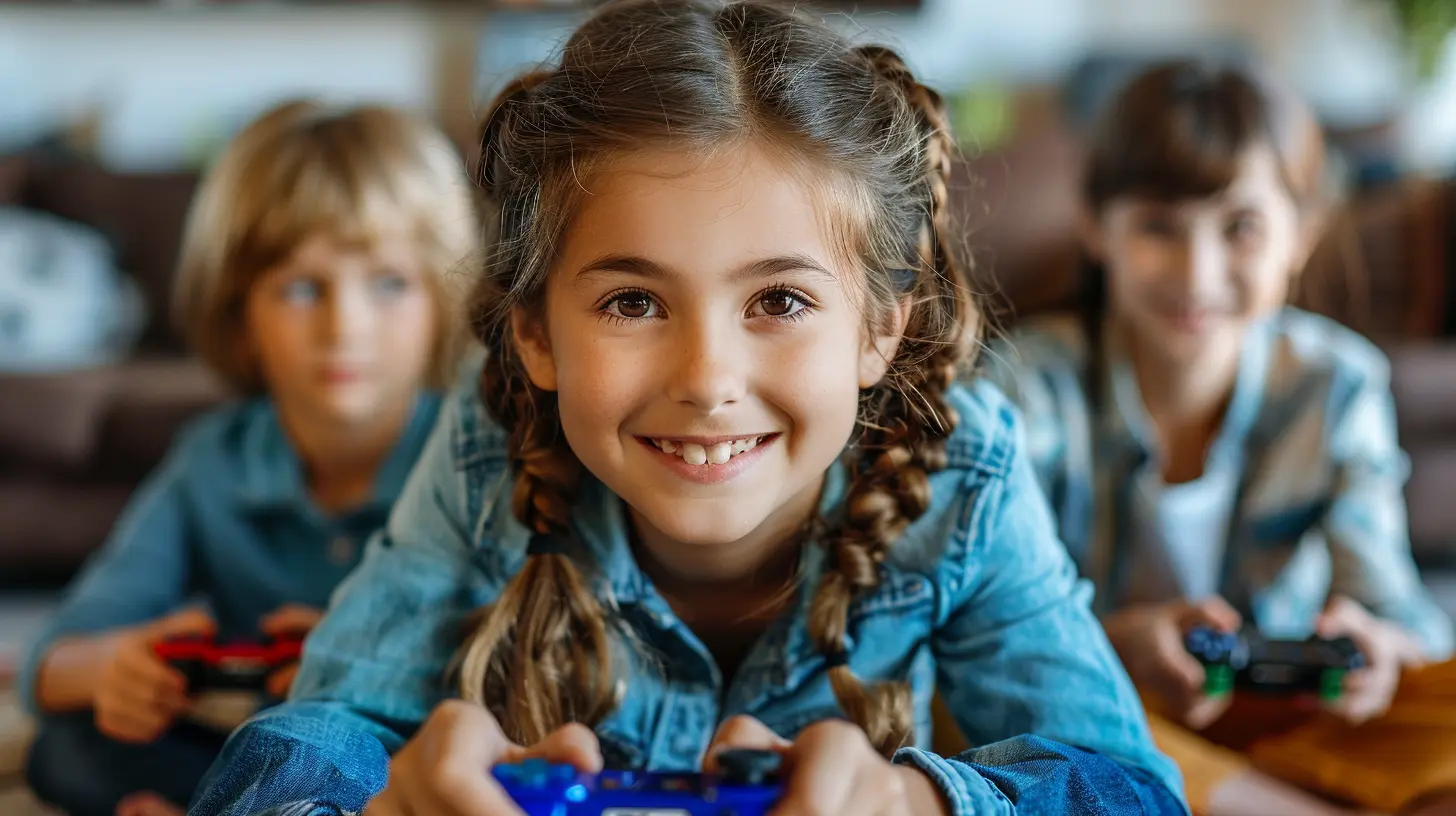
? Board Games: Old-School Charm with Big Lessons
Take a second to remember your childhood. Remember waiting for your turn in “Sorry!” or trying not to flip the board when you lost at “Risk”? Those moments were frustrating, sure — but wow, did they teach us something.Key Social Skills Learned from Board Games
- Turn-Taking and Patience: Waiting for your turn may sound simple, but for a five-year-old? That’s like waiting for Christmas in July.- Empathy and Sportsmanship: Feeling disappointed when they lose helps kids understand how others feel when they lose.
- Communication: Games like “Pictionary” or “Codenames” require clear messaging and understanding — real-life conversation practice.
Parent Tip:
Make family game night a ritual. Set gentle rules: no phones, no cheating, no tantrums. Make it fun. Use it as a chance to model good behavior yourself — because kids are always watching.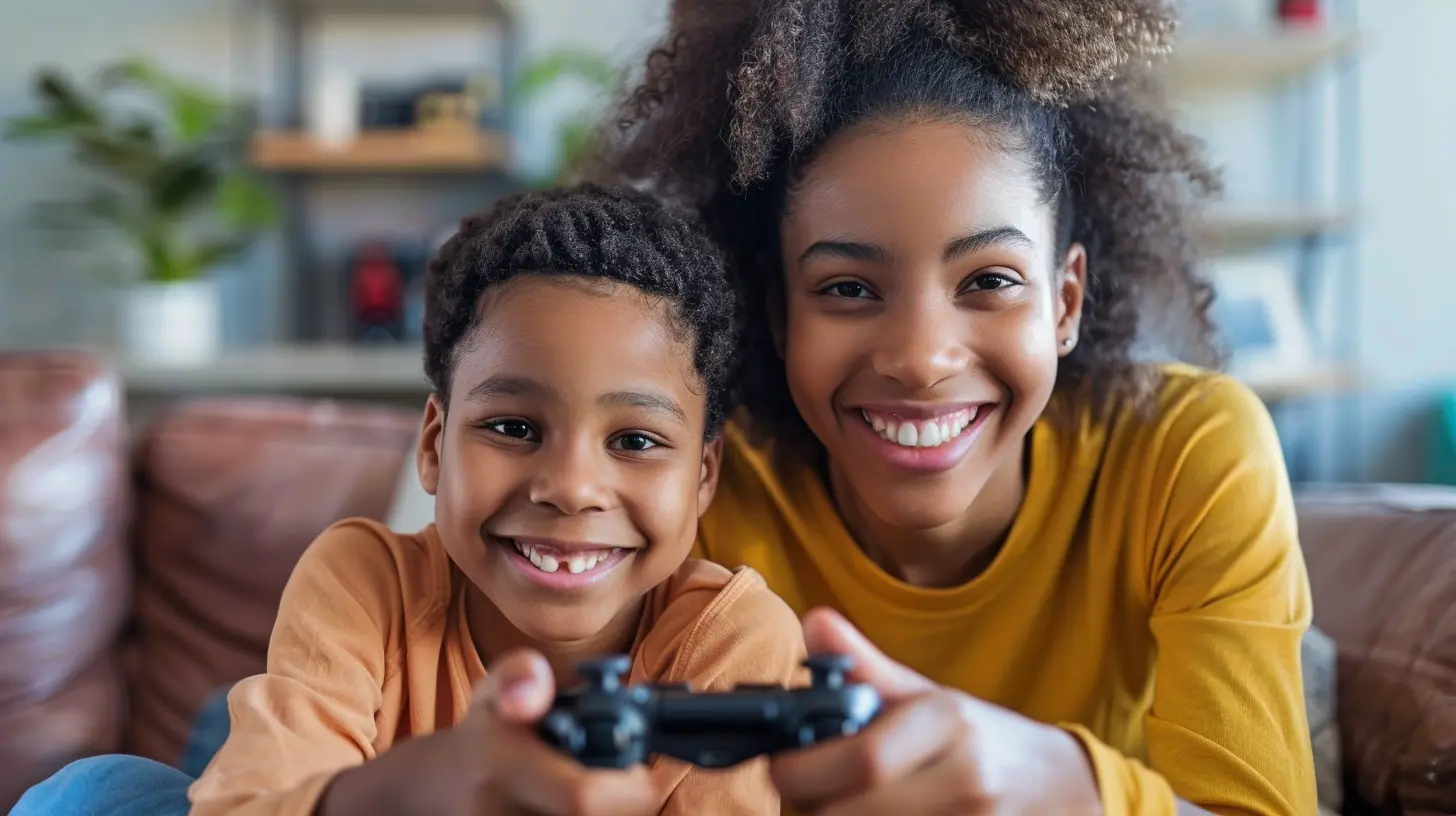
? Video Games: The New-Age Social Gym
I know what you’re thinking — “Aren’t video games isolating?” Yes, sometimes. But many games today are built around teamwork, collaboration, and communication.Multiplayer = Multiskilled
- Cooperative Games (think: Overcooked!, Minecraft, Among Us): These demand players to plan, talk, and work together.- Role-Playing Games (RPGs): Games like Animal Crossing or Pokémon encourage meaningful exchanges, kindness, and even altruism.
- Strategy Games: Fortnite teamwork? Surprisingly educational. Kids learn planning, delegation, and dealing with loss in real-time.
Parent Tip:
Play with them. Instead of banning games, hop on and co-op. Laugh. Mess up. Learn how your child handles frustration or teamwork. Talk about what happened in the game after it’s over — like a post-match huddle.? Imaginative Play & Role-Playing Games: Heartfelt Lessons in Disguise
Pretend play is the sandbox of emotional intelligence. Whether it’s a make-believe tea party, a Dungeons & Dragons quest, or dressing up like superheroes — kids tap into emotions and perspectives beyond their own.What Kids Learn
- Perspective-Taking: Being someone else helps them see different views.- Storytelling and Listening: Kids learn how to share stories and also listen — two-way street.
- Problem-Solving in Teams: Role-playing often involves group decision-making. One wrong move affects the whole crew.
Parent Tip:
Encourage these sessions. Be a character too! Take turns being the villain or the hero. Use these moments to softly teach concepts like fairness and inclusion.? Cooperative Games: Winning as a Team
Many modern games ditch the idea of “one winner” and instead focus on everyone pulling together toward a common goal.Picture Pandemic (the board game, not real life — we’ve had enough of that). Players must work together to save the world. No heroes, just teamwork.
Key Benefits
- Collaboration Over Competition: Not everything is a race. Cooperative games teach that sometimes, helping each other wins.- Conflict Resolution: Disagreements happen. But when the game depends on teamwork, kids learn negotiation fast.
- Shared Joy (and Disappointment): It's a bonding experience to win (or lose) together. And that shared emotional space is where relationships deepen.
Parent Tip:
Rotate leadership roles. Let your kid take the lead sometimes — even if chaos follows! Trust me, that chaos is a golden learning opportunity.?️ Conversation-Based Games: Talk It Out, Baby!
These are the games that really spark dialogue. Think “Would You Rather?”, “The Ungame”, or even simple jokes and riddles at dinner time.They may seem casual, but they’re heavy lifters when it comes to:
- Emotional Expression: Kids learn to say what they feel, clearly and confidently.
- Respectful Listening: Someone else’s turn to talk isn't just downtime. It's practice in patience and respect.
- Nonverbal Cues: Games that involve guessing emotions or facial expressions teach kids to read the room.
Parent Tip:
Create a ritual — maybe “Talking Tuesdays” or “Feelings Friday”. Ask silly questions. Deep ones too. Keep it light but consistent. It makes the heavy stuff easier down the road.? Turning Gameplay into Teaching Moments
Alright. The games are on the table (or console). What now?Here’s how to supercharge the learning:
1. Debrief After Play
Ask them:- “What did you enjoy most?”
- “What was hard?”
- “How did you solve that issue with your teammate?”
Let them reflect. That’s where growth lives.
2. Celebrate Social Wins
Caught them helping a sibling during Mario Kart? Point it out. Praise the behavior, not just the result: “You were really patient waiting for your turn. That was awesome teamwork!”3. Model the Behavior You Want to See
During games, win gracefully. Lose even more gracefully. Life’s going to hand them both. Games are a dress rehearsal.4. Tailor Games to Age & Need
Every child is unique. Shy kids may need expressive games. Bossy ones? Collaborative challenges. Pick and tweak based on YOUR kid.? The “Limit” Side of Things
Let’s keep it real. Not all games are saints. Some breed aggression, or isolate players for hours. So yes, boundaries matter.- Set screen time limits
- Preview games before buying
- Balance solo games with face-to-face play
The goal is progress, not perfection. A little guidance from you goes a long way.
❤️ The Parent’s Role: From Controller to Coach
You’re not just a referee waving yellow cards. You’re the coach, mentor, and sometimes a co-player. Your vibe sets the tone.When you sit down and play with your child, you enter their world. That’s sacred stuff. It builds trust, creates memories, and opens up conversations that textbooks never could.
Through games, you’re not just teaching — you’re connecting. You’re showing them that learning doesn’t have to be boring. That growing up can be full of adventure, strategy, dragons, and family game nights.
? Final Thoughts: More Than Just Play
Parenting is part instinct, part improvisation, and a whole lot of “what the heck just happened?” Games won’t solve every problem, but they can be powerful tools in your parenting toolbox.So the next time someone tells you, “Games are a waste of time,” you can confidently say — “Nah, this is social skills boot camp, baby.”
And while the dice roll and the avatars run, your kids are quietly building friendships, empathy, problem-solving chops... and memories that last a lifetime.
So go ahead. Play on.
all images in this post were generated using AI tools
Category:
Games And Social SkillsAuthor:

Aurora Sharpe
Discussion
rate this article
1 comments
Damian Mercado
Games foster communication, teamwork, and empathy in children.
June 18, 2026 at 3:03 PM
Aurora Sharpe
Absolutely, games are a fantastic way to help kids learn important social skills while having fun. They promote collaboration and understanding among peers.