Times Games Predicted the Future Too Well
10 June 2026
Video games are often seen as pure escapism—pixelated worlds for blowing off steam, leveling up, and indulging in epic power fantasies. But every now and then, something strange happens. A game steps into the realm of prophecy.
Yes, prophecy. Like a techno-oracle wrapped in code and cutscenes, some games have eerily predicted real-world events years—or even decades—before they happened. Coincidence? Maybe. Or maybe developers are just way better at reading the signs than we give them credit for.
Grab your controller (or tinfoil hat, whichever feels more appropriate), because we're diving deep into times games predicted the future too well.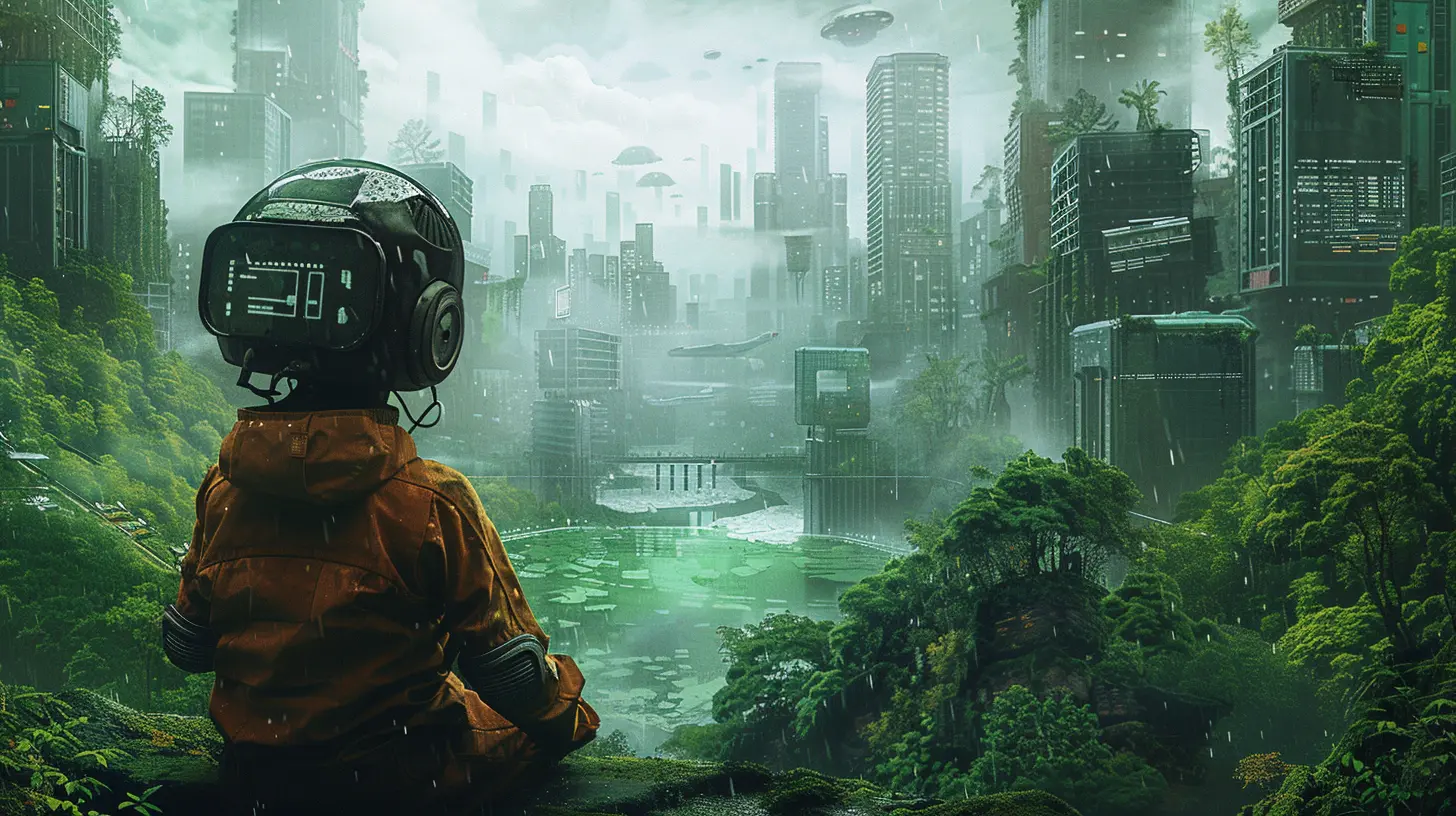
1. Deus Ex (2000) and the Missing Twin Towers
Let’s kick things off with an all-time eerie prediction. When Ion Storm’s cyberpunk RPG Deus Ex launched in 2000, it painted a bleak, dystopian future full of government conspiracies, bio-terrorism, and shadowy elites. Pretty standard cyberpunk fare—until you notice something strange in the game’s version of New York City.Despite being set in the near future, the NYC skyline is missing something… huge. The Twin Towers.
Now, the developers claimed this omission was due to memory constraints. But in true Deus Ex fashion, they explained the absence in-game by saying the towers had been destroyed in a terrorist attack—a full year before 9/11 happened.
Coincidence? Maybe. But come on—a game about terrorism and government coverups omits the towers and blames terrorism? That’s just too on-the-nose.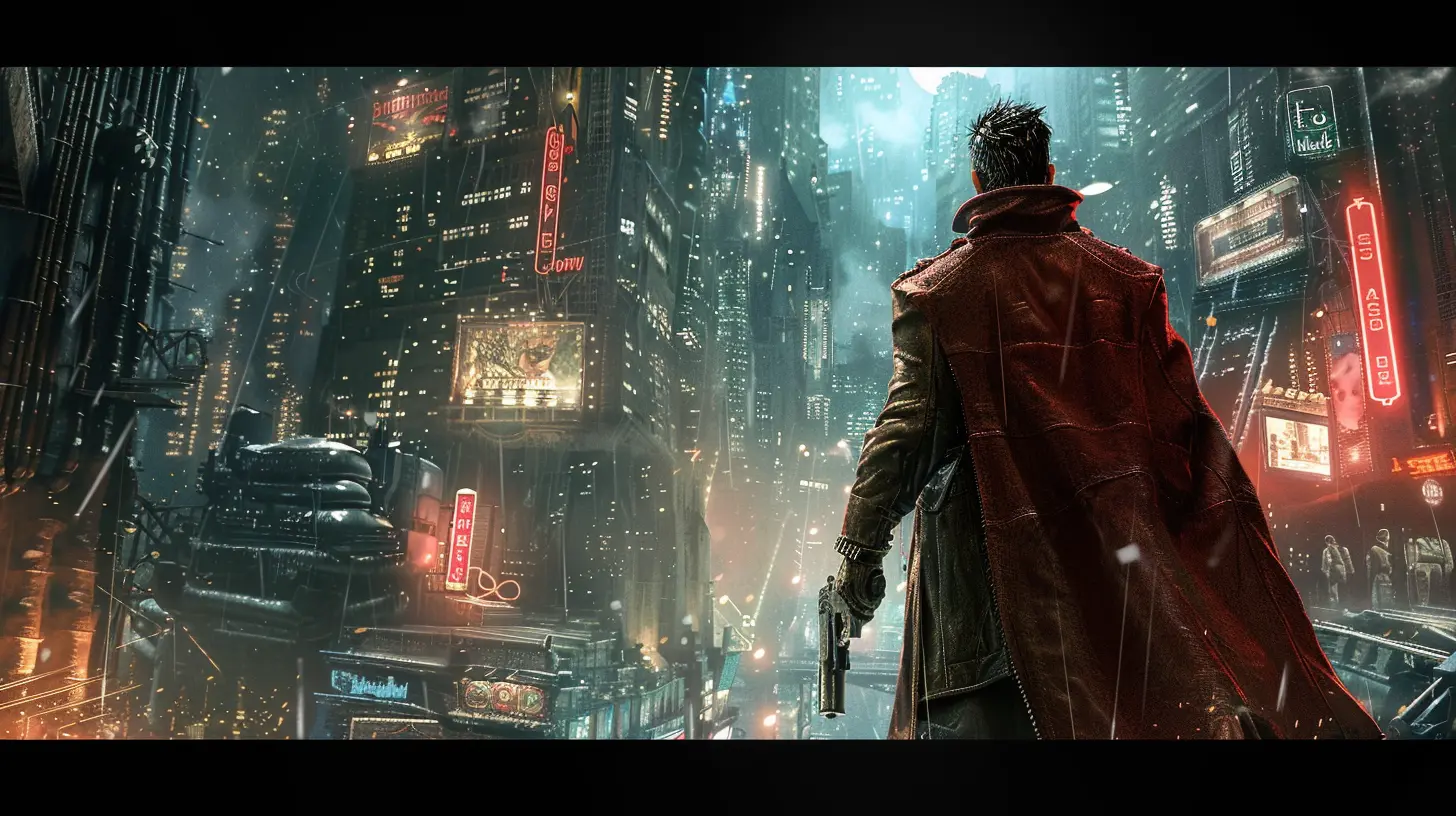
2. Watch Dogs (2014) and the Rise of Surveillance
When Ubisoft released Watch Dogs, some people laughed. A hacker running around Chicago, using his phone to control traffic lights, ATMs, and even spy cams? It sounded like classic video game nonsense.Fast forward a few years, and what do we have? Smart cities. IoT devices. Massive data breaches. Phones that can do everything. And let’s not forget the massive eye that is government surveillance—it’s practically a real-life version of Watch Dogs now.
Even the game’s central system, CTOS, feels eerily familiar. Think about how much control Google, Amazon, and Apple now have over our daily lives. One digital slip and our entire existence could short-circuit.
Watch Dogs didn’t just predict a future—it warned us. Did we listen? Nope. But it got it right anyway.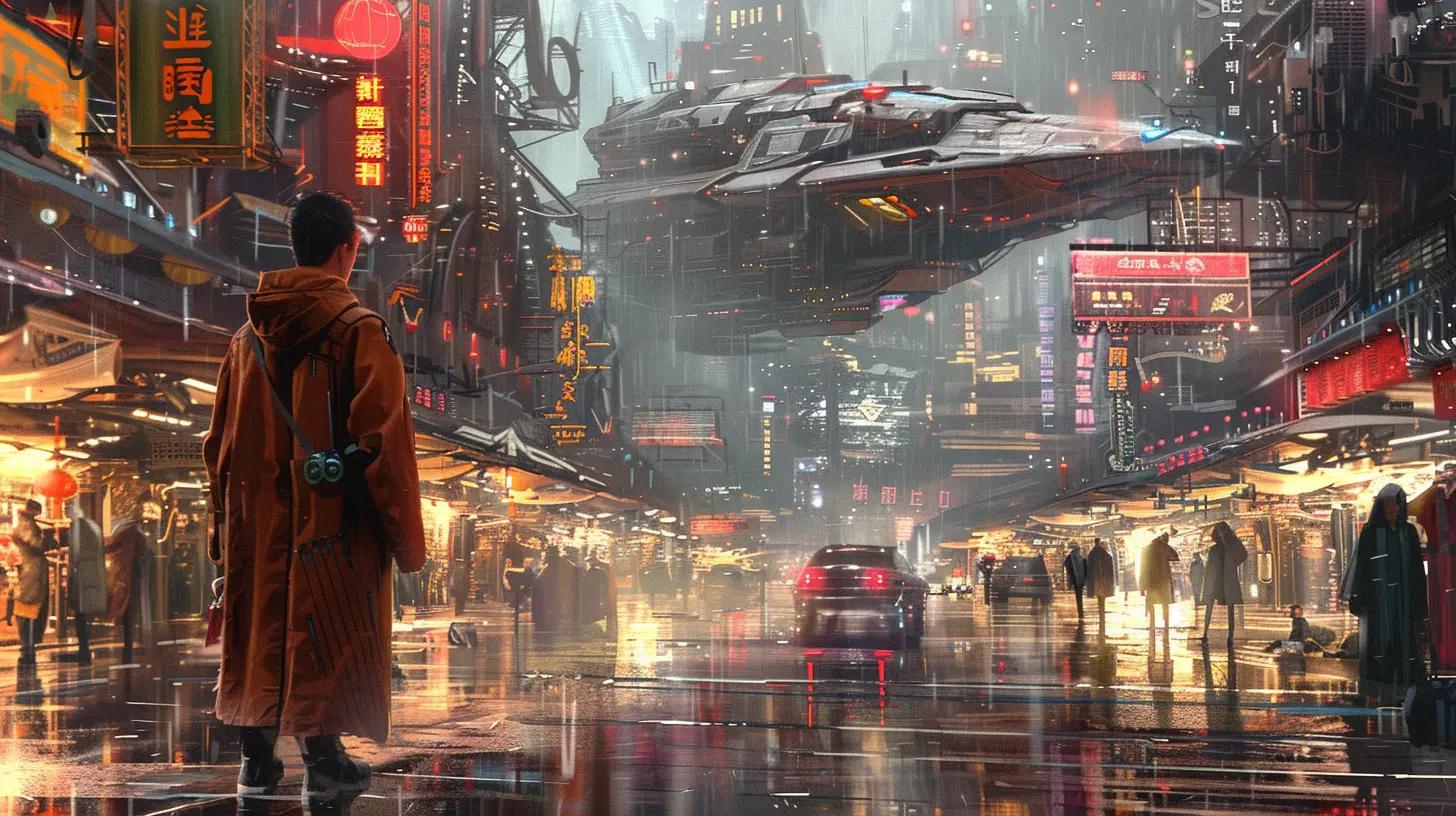
3. Metal Gear Solid 2: Sons of Liberty (2001) and Information Control
Hideo Kojima is like the David Lynch of gaming—nothing he does makes immediate sense, but it ages like fine wine.In 2001, Metal Gear Solid 2 threw players into a confusing, yet deeply philosophical rabbit hole. One of its central themes? Information warfare. Manipulation of truth. Digitally sculpted realities.
At the time, it seemed convoluted. The internet was still wearing diapers. But then came the rise of social media, fake news, and algorithmically driven echo chambers.
Kojima predicted a world where information is weaponized, reality becomes subjective, and the line between fact and fiction gets blurred. It’s almost like he peeked into the future and coded a warning.
To this day, that game's ending feels more relevant now than it did 20 years ago.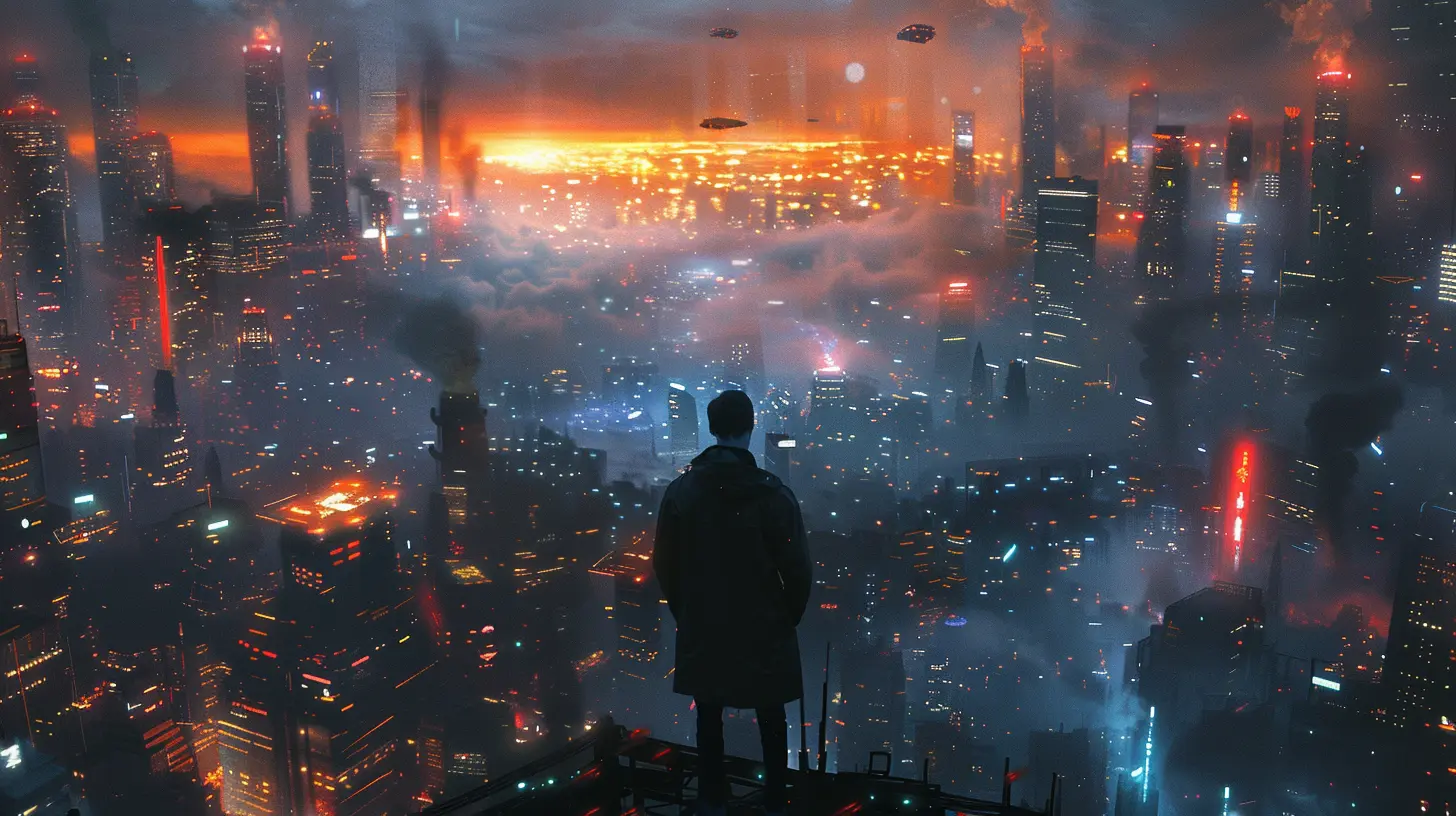
4. Tom Clancy’s The Division (2016) and Pandemic Parallels
You had to know this one was coming. When The Division launched, it presented a chilling scenario: a viral outbreak spreads through New York City thanks to contaminated currency during Black Friday shopping madness. The city collapses. Society breaks down. Quarantine zones appear.Feels familiar, doesn't it?
Fast forward to 2020, and the eerie parallels with COVID-19 became impossible to ignore. No, COVID didn’t start with money, but the themes of panic, lockdowns, and systemic breakdowns? Totally on point.
What made it even weirder was the way people in 2020 started sharing screenshots from The Division as if they were real. Because sometimes, art imitates life—and other times, life seems to be copying your Xbox.
5. SimCity and Urban Planning Realities
SimCity has been teaching (and frustrating) would-be urban planners since the '80s. Build a power plant here, zone a residential district there, maybe throw in a park or two. But what started as a quirky city-building game has actually become a low-key educational tool.Urban planning students and professionals use it to model traffic flow, test zoning strategies, and even simulate disaster preparedness.
The weirdest part? Some real-world cities—actual cities—have borrowed design concepts based on SimCity logic. Yep, a game that once let you drop Godzilla on downtown is now indirectly influencing how we manage urban sprawl and civic infrastructure.
Irony, thy name is zoning.
6. Fallout Series and Warnings About Nuclear Power
The Fallout series may be dripping with 1950s kitsch and mutant mole rats, but beneath that campy surface is a potent critique of nuclear hubris and post-war paranoia.When Fallout 3 dropped in 2008, the idea of nuclear devastation felt almost quaint. But as global tensions have risen and new arms races have begun, the series’ warnings are ringing louder.
Even more chilling, the game shows how people adapt to disaster—not just with tech, but with twisted ideologies and survivalism. Sound familiar? In a world where prepping is a billion-dollar industry and doomsday bunkers are luxury real estate, Fallout doesn’t feel so fictional anymore.
7. Call of Duty: Modern Warfare 2 and Airport Security
Remember that infamous “No Russian” mission in Modern Warfare 2? The one where you walk through an airport as a terrorist? It caused a media firestorm when it came out in 2009.But just a few years later, airport attacks started happening in real life. Moscow’s Domodedovo Airport was bombed in 2011. Istanbul and Brussels followed.
It’s not that the game caused anything—it’s that it eerily foresaw how the most secure places could become targets. The mission now feels less like shock value and more like a dark glimpse into vulnerabilities we didn’t want to acknowledge.
It was a warning hiding in plain sight.
8. Detroit: Become Human and the Ethics of AI
When Quantic Dream released Detroit: Become Human in 2018, it brought us a vision of a future where humanoid AIs struggle for rights and identity. Players had to make heavy, morally grey decisions about what it means to be sentient.Fast forward just a few years, and AI isn’t just sci-fi anymore. Think of ChatGPT, deepfakes, AI-generated art, and robots powered by neural networks. We're already arguing about things like authorship, responsibility, and ethics.
Detroit was asking questions we’re now starting to face in courtrooms and boardrooms.
Are we on the same path? The roadmap from playable fiction to tangible reality seems increasingly clear.
9. Homefront (2011) and Geopolitical Shifts
Homefront was a middling FPS to most, but its story was...uncomfortably realistic. The game imagined a future where North Korea becomes a superpower after unifying with the South, and then invades the United States.Sounds like sci-fi, but consider this: North Korea has developed long-range missile capabilities, and tensions with the U.S. have escalated multiple times. Meanwhile, South Korea’s tech dominance (Samsung, Hyundai, etc.) and cultural exports (K-pop, Korean cinema) are giving them serious soft-power leverage.
While an invasion seems far-fetched (we hope), the idea of Asia reshaping the balance of global power? That’s already happening.
10. Civilization Series and Technological Progression
Last but not least, we have the grand strategy behemoth: Civilization. Players guide their empires from the Stone Age to the Space Age, making choices that mirror real socio-political events.What’s spooky? The way the game’s AI sometimes mirrors human history, even unintentionally. Players have reported simulated timelines where AI leaders sparked world wars, created nuclear arms races, or triggered mass religious conversions—all eerily similar to real-world events.
Even the game’s tech trees look a lot like our own evolution: from agriculture to computers to AI. Civilization doesn’t just simulate history—it seems to foreshadow it.
So, Are Game Developers Time Travelers?
Okay, probably not. But it’s hard to ignore the pattern—games, often seen as entertainment, have a sneaky way of tapping into cultural anxieties, emerging tech, and future conflicts long before we see them in the headlines.Maybe it’s because game developers are thinkers, dreamers, and imagineers. They spend years building worlds, and in the process, they accidentally sketch our future.
Or maybe it’s like that old adage: art imitates life. And then life, without even realizing it, imitates art right back.
In any case, next time you boot up a new game and something feels a little too familiar… you might just be peeking into tomorrow.
Final Thoughts
From pandemics to AI ethics to ruined skylines, video games have a surprisingly strong track record at predicting the future. Whether it’s intuition, creativity, or just uncanny luck, it’s clear: these digital visions of the future deserve a second look.So next time you're diving into a twisted future, ask yourself—what if it’s not fiction? What if it’s a preview?
Game over? Nah. The real game might’ve just begun.
all images in this post were generated using AI tools
Category:
Best Gaming MomentsAuthor:

Aurora Sharpe
Discussion
rate this article
1 comments
Zorina Moses
What a fun read! It's amazing how some games seemed to know what was coming, almost like they had a crystal ball. So spot on!
June 12, 2026 at 4:06 AM
Aurora Sharpe
Thanks! It's surprising how some games can capture future trends so accurately. Glad you enjoyed it!