How Games Can Strengthen Community Engagement
12 June 2026
Let’s be real—games are more than just a way to procrastinate your rapidly approaching adult responsibilities. They’re not just flashy distraction machines with dragons, loot crates, and that one friend who always rage-quits. Games—yes, those pixel-packed, controller-gripping, keyboard-mashing wonders—are secret superheroes of community building.
It might sound like a bold claim, but stick with me. We’re diving headfirst into the wonderfully weird world of how games can turn random strangers into besties, unite neighborhoods, and even build global communities. (Spoiler Alert: It gets heartwarming.)
What Even Is Community Engagement, Anyway?
Before we hook up our consoles and start mashing buttons, let’s define what we're talking about. Community engagement is basically the lifeblood of any group—whether it's a group of people sharing memes on Reddit, or your neighbors trying to figure out who keeps stealing the recycling bins.It’s about people coming together, sharing experiences, cooperating, and actually giving a hoot about each other. And guess what? Games are ridiculously good at doing just that.
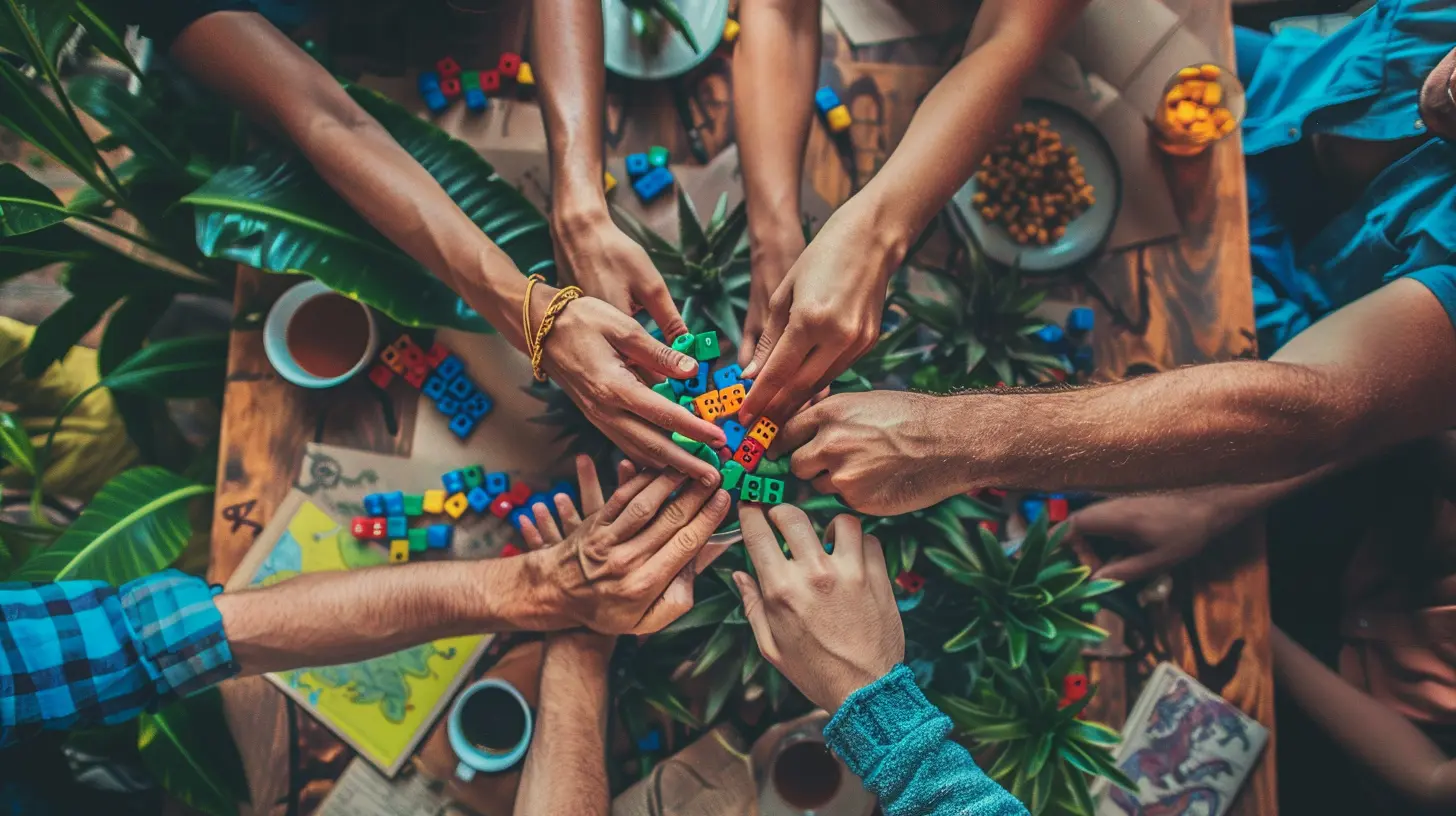
Gaming: The Great Uniter (With Fireballs)
You remember that feeling the first time you played co-op mode and your friend kept accidentally blowing you up with a grenade? Bonding. Shared trauma. A connection that lives forever.Whether it’s a local board game night, a Minecraft server, or a global esports tournament, games have a magical way of bringing people together. It’s like group therapy—but instead of crying, you’re battling pixelated zombies or building a theme park that definitely won’t collapse under code errors.
1. Multiplayer Games = Friendship Factories
Ever notice how you might barely talk to your coworkers during the week, but the minute you form a team in an online shooter, things change? Suddenly, you’re a tactical genius, shouting callouts and saving their virtual lives like you’ve been in the same platoon since birth.Games like Fortnite, Overwatch, and Apex Legends aren’t just kill-fests—they’re digital campfires where friendships are forged amid the chaos. Heck, even Among Us, a game about deception and betrayal, somehow brings people together. Nothing says “trust” like accusing your best friend of murder.
Takeaway: Multiplayer games create micro-communities where communication and collaboration thrive—and often carry over into real-life relationships.
2. MMOs: Digital Cities Without the Rent
Massively Multiplayer Online games (aka MMOs) are entire universes brimming with characters (some human, some suspiciously elf-like) and endless opportunity for community engagement.Think about games like World of Warcraft, Final Fantasy XIV, or even Runescape. These aren’t just games; they’re lifestyles. Guilds, clan wars, community events, and in-game weddings (yes, those are real) show that players care deeply about one another.
Some of these communities are tighter than your grandma’s knitting circle—and way more organized. Players write guides, help newbies, host charity streams, and even attend real-world meetups. That kind of engagement? Top-tier.
Tip: If you want loyal, engaged fans of your game, give them room to build their own communities within it. Then sit back and marvel as they take it places you never imagined.
3. Local Tournaments and LAN Parties: IRL Magic
Let’s go old school for a second. Remember LAN parties? They were like slumber parties… but smellier, louder, and with significantly less sleep. People would lug giant desktop towers across town just to play on the same network. Dedication or madness? You decide.Local events like tournaments, gaming cafes, and board game nights bring that same energy. Face-to-face interaction over a tense game of Smash Bros. or Settlers of Catan? That’s bonding, baby.
These types of events build hyperlocal communities. Your town might not all agree on politics, parking rules, or how to pronounce “GIF”—but you can count on someone to bring snacks to game night.
Pro Tip: Cities and community centers looking to pump life into public spaces? Host game nights. Boom—instant community.
4. Streamers & Content Creators: The New Age Community Leaders
Streamers are more than just people talking to themselves while playing games (though let’s be honest, that’s still 80% of it). They’re creators, entertainers, and community builders.Platforms like Twitch, YouTube, and Kick have enabled streamers to gather massive fanbases and foster real connections. You’ve got Discord servers buzzing with activity, charity streams raising millions, and inside jokes that feel like they’re part of an underground club.
When a streamer gives shout-outs to their regulars, reads fan messages, or hosts impromptu games with their followers? That’s engagement on a level that brands dream of.
Heads-Up: If you're a game dev or marketer, consider collaborating with content creators. They speak the language of their communities and know how to fire up the hype train.
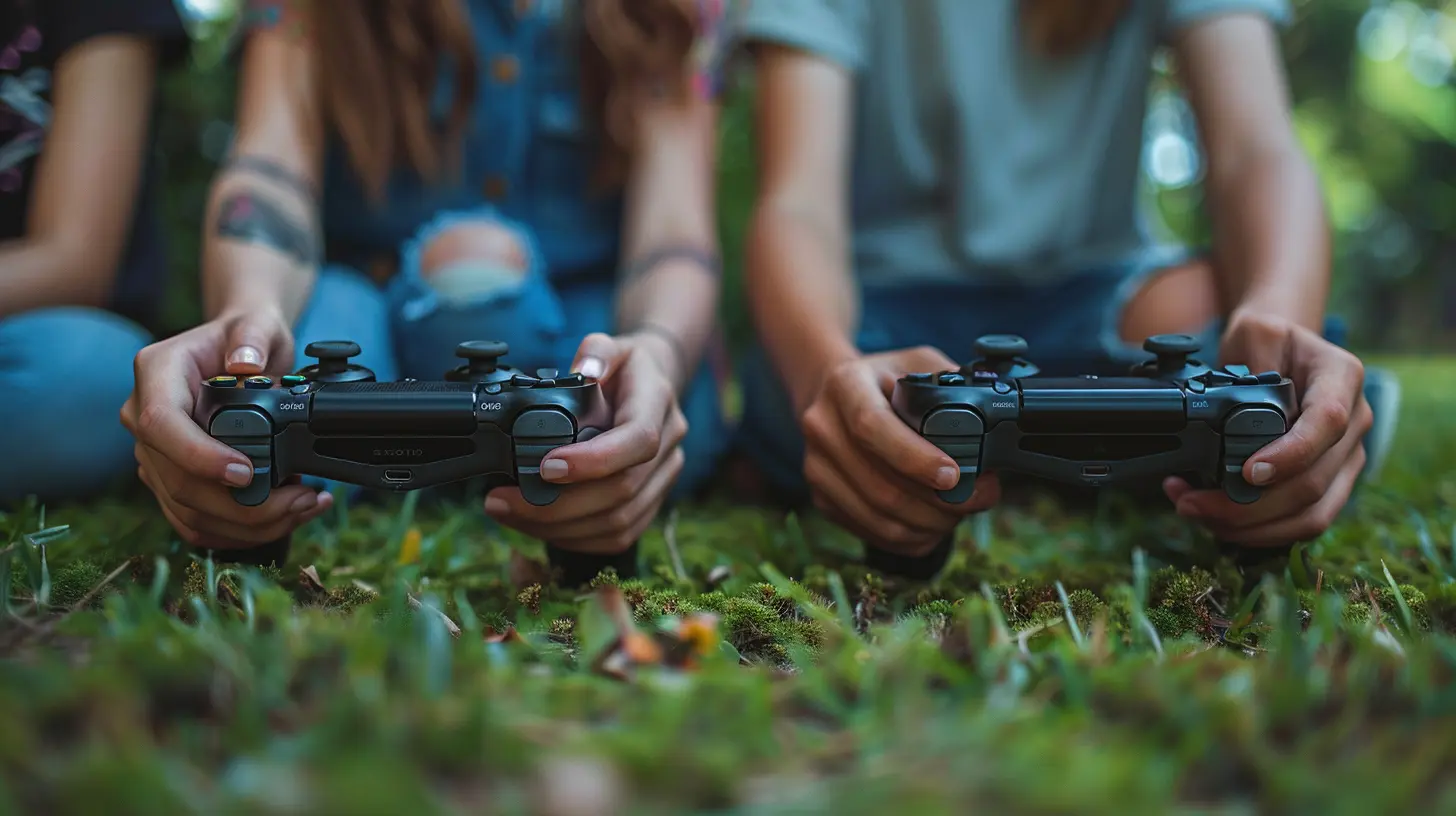
Games + Charity = Feel-Good Fuel
Now here’s where it gets wholesome. Many gaming communities rally together for good causes. Think Extra Life, Games Done Quick, and countless smaller fundraisers where gamers prove they have hearts as big as their inventories.These events turn playing games into acts of kindness. That’s right—your 12-hour Mario speedrun just bought a kid a wheelchair. Not all heroes wear capes; some wear headsets and yell “GG” after every match.
By tying games to charitable efforts, communities create purpose-driven engagement. It’s easier to rally around a cause when it comes with achievements and loot drops.
Moral of the Story: Never underestimate the power of gamers with a mission (and maybe too much Mountain Dew).
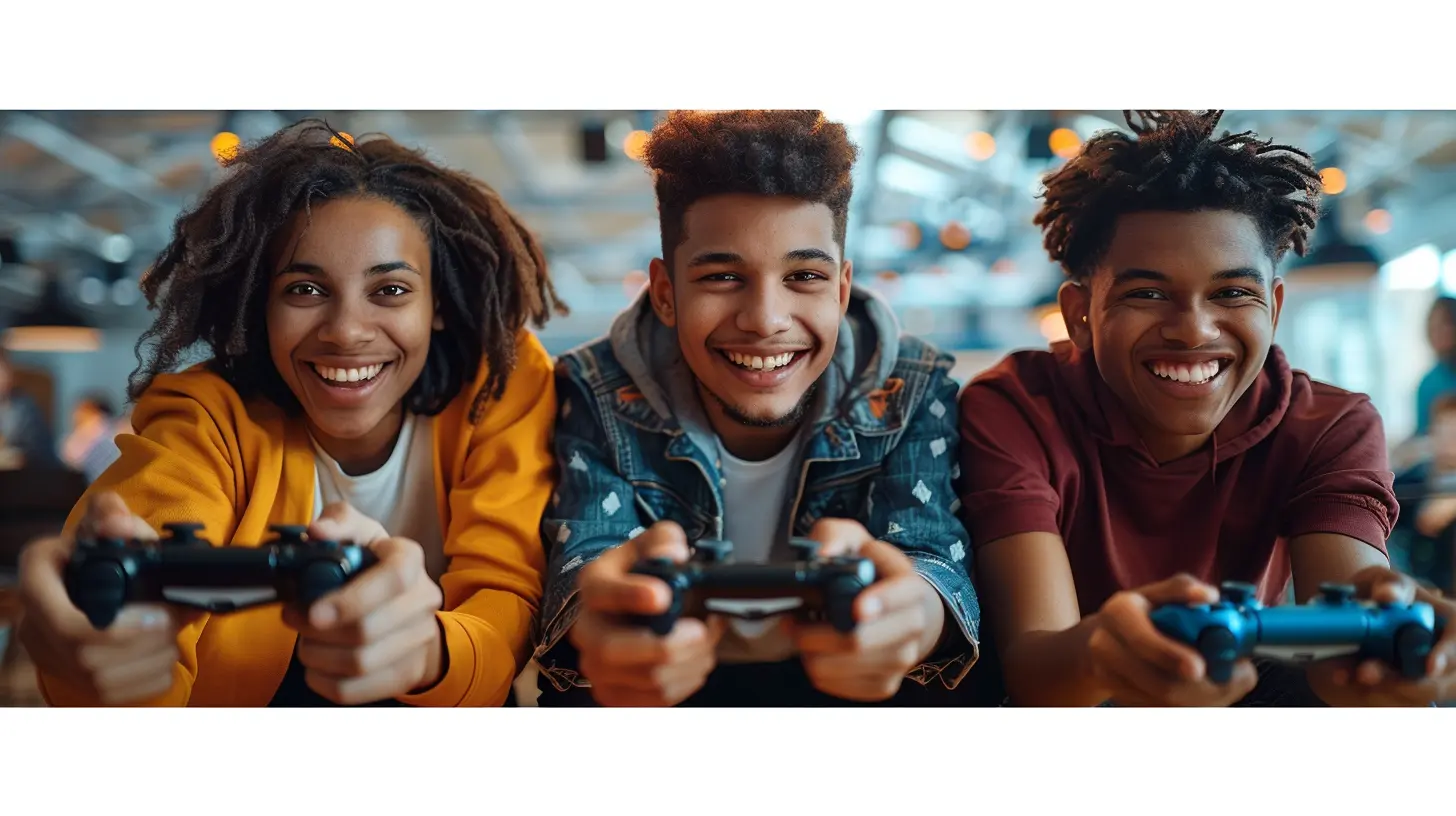
Education and Inclusivity: Games Breaking Barriers
Not all communities are about pew-pew and high scores. Some gamers are using platforms to educate, include, and inspire.- Language Learners join global MMORPGs to practice conversational English.
- Neurodiverse players find safe space in custom-built Minecraft servers.
- Students get excited about ancient civilizations via turn-based strategy.
- Elderly communities (yes, Grandma’s raiding now) use games for social connection and mental exercise.
Games are becoming more inclusive, more diverse, and more education-friendly. And when done right, they give everyone—from all backgrounds—a chance to not just play, but participate.
Bottom Line: It's not just about making games accessible. It's about making everyone feel like they belong in the player lounge.
Virtual Worlds, Real Friendships
Remember when your parents said you’d never make real friends online? (Hi Mom ?) Joke’s on them—we're building guilds, teams, empires, and lifelong bonds with people halfway across the planet.Research even backs it up—studies show that online gaming communities can foster deep, meaningful relationships. Whether you're trading Pokémon from Tokyo to Texas or strategizing raids in Destiny 2, those shared experiences build trust, teamwork, and a sense of belonging.
Community Boosters: The In-Game Tools That Make It Happen
If you’re wondering what makes games good at this whole community-building thing, here’s a cheat sheet:- Chat and Voice Channels – Essential for bonding during chaos.
- Emotes and Reactions – Perfect for expressing joy, sarcasm, and rage with zero actual words.
- Achievements and Leaderboards – Competition fuels camaraderie (and a healthy dose of trash talk).
- Custom Content – Modding and map-making let players co-create and share.
- Events and Updates – Keeps the community active and returning regularly for new adventures.
It's like a community garden, but everyone’s planting dragons and power-ups instead of carrots.
A Few Real-World Examples to Get You Pumped
Still not convinced? Let’s throw some real-world examples at you like a digital dodgeball:- Animal Crossing: New Horizons – Basically a cozy utopia. During the pandemic, people used it for birthdays, weddings, and even talk shows!
- Roblox – Where kids (and adults) create mini-games that become viral hits. It’s basically Lego meets Hollywood.
- Pokemon Go – Remember when people willingly walked outside and made eye contact with strangers while catching Pikachus? A miracle.
- Final Fantasy XIV – Literally saved from failure thanks to its community. Now it’s the gold standard of MMORPGs.
- Twitch Plays Pokemon – Internet chaos. Thousands of people controlling one game. An experiment turned legend.
All of these proved that when people play together, they stick together.
So, Can Games Actually Save the World?
Okay, let's not get ahead of ourselves. We’re not saying games will fix climate change or make your uncle stop sending weird Facebook memes. But when it comes to building community, creating inclusion, and sparking real relationships?Games are already doing the heavy lifting—and making it fun.
So next time someone tells you gaming is a waste of time, hit 'em with this article. Then ask if they want to join your MMORPG guild… or at least not camp the spawn point.
Game Over? Nah—Press Start on Community
In a world that sometimes feels like it's held together by duct tape and existential dread, games stand as colorful little beacons of hope and connection. Whether you’re building a castle block-by-block or coordinating a raid with 50 strangers, you’re creating something real: community.So power up, plug in, and remember—every game you play might just be the beginning of a new friendship, an epic story, or even a change in your neighborhood.
Let’s keep playing. Together.
all images in this post were generated using AI tools
Category:
Games And Social SkillsAuthor:

Aurora Sharpe
Discussion
rate this article
1 comments
Jane Fletcher
Games bring people together in such a remarkable way. Whether it's teaming up for a quest or sharing a laugh over a silly mishap, they create bonds that make our communities stronger. It's all about those shared experiences that matter most.
June 18, 2026 at 4:54 AM