Game Mechanics That Created Legendary Moments
19 August 2026
Let’s face it—without solid game mechanics, even the prettiest game is just a lifeless shell. The way games play is what sticks with us, right? It’s those jaw-dropping moments of gameplay that etch themselves in our memory: pulling off a clutch win, surviving against all odds, or simply getting lost in a world that feels alive because the mechanics just work. Today, we’re diving deep into the core of what makes those unforgettable, legendary moments in gaming—the game mechanics that changed everything.
Why Game Mechanics Matter
Before we get into the good stuff, let’s break down what game mechanics actually are. Think of mechanics as the rules and systems that guide the experience—kind of like the laws of physics in the real world. But in video games, developers are God; they create the rules from scratch. Whether it’s how you jump, shoot, build, dialogue, or even die, mechanics are the invisible strings pulling the entire experience together.But only a few mechanics transcend and become legendary. They create moments that players share in stories years later, moments that shift the landscape of gaming itself.
The "Bullet Time" in Max Payne – Slowing Down Time, Speeding Up Hearts
Let’s start with a mechanic that literally changed the tempo of action games: bullet time.When Max Payne released back in 2001, it brought something revolutionary—it let players slow down time during gunfights. Think The Matrix, only you’re in control. This wasn’t just eye candy; it changed how people played third-person shooters.
Suddenly, diving sideways with twin pistols in slo-mo wasn’t just stylish—it was strategic. Players felt empowered, like choreographers of cinematic chaos. The thrill of dodging bullets in slow motion made every encounter feel like a final boss fight. And for years, other games tried to recreate that magic.
Why it worked:
Bullet time gave players total control in the middle of chaos. It shifted the balance from reaction to anticipation, letting us plan those insane John Wick-style takedowns before they even happened.
The Nemesis System in Shadow of Mordor – Enemies With Memory
Okay, here’s one that more games really should be copying—the Nemesis System from Shadow of Mordor. Instead of fighting faceless enemies who vanish after death, this mechanic did something radical: it made bad guys remember you.Get killed by an orc? That same dude might taunt you later, now stronger, smarter, and holding a personal grudge. Beat him? He might come back scarred and vowing revenge. Enemies evolved their personalities and behavior dynamically based on your actions.
Why it worked:
It made every encounter feel personal. Losing wasn’t just a setback—it changed the story. You weren’t just progressing through a static game; the game world was reacting to you. That’s powerful stuff.
Paragon and Renegade in Mass Effect – Morality With Impact
Let’s be honest, most morality systems in games are kind of...meh. But Mass Effect did it differently. The Paragon and Renegade system wasn’t just about good vs. evil—it was about building your version of Commander Shepard.Do you play it cool and diplomatic? Congrats, Paragon. Do you shoot a war criminal mid-sentence? Total Renegade move. But what made it shine was the way these choices rippled through the storyline across three whole games.
Why it worked:
It made player choice genuinely matter. Your decisions shaped who lived, who died, even who loved you. And when you watched the consequences unfold? That’s a legendary moment born from a simple mechanic.
Building in Fortnite – Out of Nowhere, Into the Meta
Love it or hate it, Fortnite’s building mechanic changed everything. When the game dropped in 2017, people were used to shooters where cover was static. Fortnite said, “What if you just made your own cover?”Suddenly, firefights became intense construction duels. Developing the skill to build towers and defenses mid-combat separated casuals from pros real fast. It added a vertical, creative layer to combat that no shooter had really explored before.
Why it worked:
Building transformed Fortnite into more than just a battle royale—it became a genre of its own. It created unbelievable clutch moments of last-second survival and skill-based victories that felt purely earned.
The Pause and Command in Dragon Age: Origins – Tactical JRPG Meets Western RPG
If you’re into RPGs, you know strategy can make or break a game. Dragon Age: Origins introduced a mechanic that brought tactical depth to a Western RPG—pause-and-command.You could freeze time mid-battle, assign actions to your party members, and then resume to watch the plan unfold. It combined real-time tension with turn-based strategy. Perfect for players who wanted their fights to feel like chess instead of chaos.
Why it worked:
It gave you the reins of combat, letting you craft every battle like a war general. The satisfaction of executing a perfect combo? That’s where legendary moments come from.
Crafting and Discovery in Minecraft – Creativity as a Core Mechanic
Minecraft didn’t invent crafting, but it sure made it famous. The entire heart of Minecraft revolves around grabbing raw materials and turning them into tools, buildings, machines—you name it.What’s wild is how the game never really “tells” you what to do. It’s all trial, error, and discovery. That first time you figure out how to make a sword or build a shelter before nightfall? Gold. Absolute gold.
Why it worked:
Crafting in Minecraft wasn’t just a feature—it was the game. It rewarded experimentation and gave players the tools to create their own epic, viral-worthy moments.
Time Looping in The Legend of Zelda: Majora’s Mask – Anxiety Meets Adventure
Talk about being ahead of its time. Majora’s Mask dropped a mechanic that turned a standard adventure game into a haunting, timed puzzle: a three-day cycle.Every character, event, and mini-story operated on this ticking clock. Fail to save the world in time? Boom. Moon crashes. Try again. It was part time-loop, part Groundhog Day, and fully immersive.
Why it worked:
The time mechanic made every choice feel urgent. You were pushed to learn not just the puzzles, but the world’s rhythms. It created high-stakes tension that stuck with players long after the credits rolled.
Fireteam Coordination in Destiny Raids – Mechanics That Require Humans
Most shooters give you everything you need to go solo. Destiny said, “Nah—you need a team.” Raids in Destiny aren’t just about shooting well. They’re about coordination, communication, and timing.Everyone has a role. Maybe you’re carrying the relic, maybe you're holding off swarms, or maybe you're jumping between platforms like a parkour god. One mistake? Wipe. Start over.
Why it worked:
These mechanics created shared stories. Clutch saves, last-second wins, or flawless runs—these are battle-won campfire tales that players bond over for years.
Permadeath in XCOM and Fire Emblem – One Wrong Move and They’re Gone Forever
Okay, if you don’t hate permadeath, are you even human? When games like XCOM or Fire Emblem tell you a character can die forever, it cranks up the tension instantly.That sniper you spent hours upgrading? Gone in a single unlucky shot. This mechanic forces you to play carefully, think two steps ahead, and weigh every risk.
Why it worked:
Because loss is real. Your choices carry emotional weight. The memories of losing your best unit in a brutal mission—those stick with you. It’s heartbreak and strategy rolled into one.
Open-World Emergence in Red Dead Redemption 2 – Systems Intersecting for Magic
What happens when mechanics collide perfectly in an open world? Red Dead Redemption 2 answers that with emergent gameplay.Everything from wildlife behavior, NPC routines, weather systems, and honor mechanics interact in ways that feel unscripted. One small action might trigger a domino effect that leads to chaos—or a moment of beauty.
Helping a stranger on the road? Might lead to an ambush. Feeding your horse to build trust? It saves your life in a gunfight later. None of it feels forced. All of it feels alive.
Why it worked:
Because you create the stories. The mechanics don’t just sit there—they talk to each other, and that creates moments no script could ever write.
Dialogue Wheels in The Witcher 3 – Choices That Feel Human
Dialogue trees have been around forever, but The Witcher 3 took it to another level. In a world filled with grey morality, the dialogue wheel did more than offer basic good-or-evil lines.Your choices weren’t always “right” or “wrong”—they were human. Messy. Sometimes your best intentions led to tragedy. And that made every dialogue choice tense and meaningful.
Why it worked:
It made you feel the weight of your words. Real consequences, real regret, and occasionally, real triumph. That’s storytelling through mechanics.
Final Thoughts: Mechanical Magic
So here's the thing—game mechanics are way more than buttons and code. They're the grammar of gaming. The way developers arrange them is like writing sentences that thrill, scare, shock, or inspire us. And when they get it right? They create those unforgettable, "you had to be there" moments that define entire generations of gamers.Whether it's a perfectly timed bullet dodge, an enemy who won't stay dead, or the bittersweet choice that haunts your save file—legendary moments are born from brilliant, innovative mechanics.
So next time you’re playing and something just clicks, take a second to appreciate the invisible gears turning behind the scene. Because chances are, that magic moment was made by genius game design.
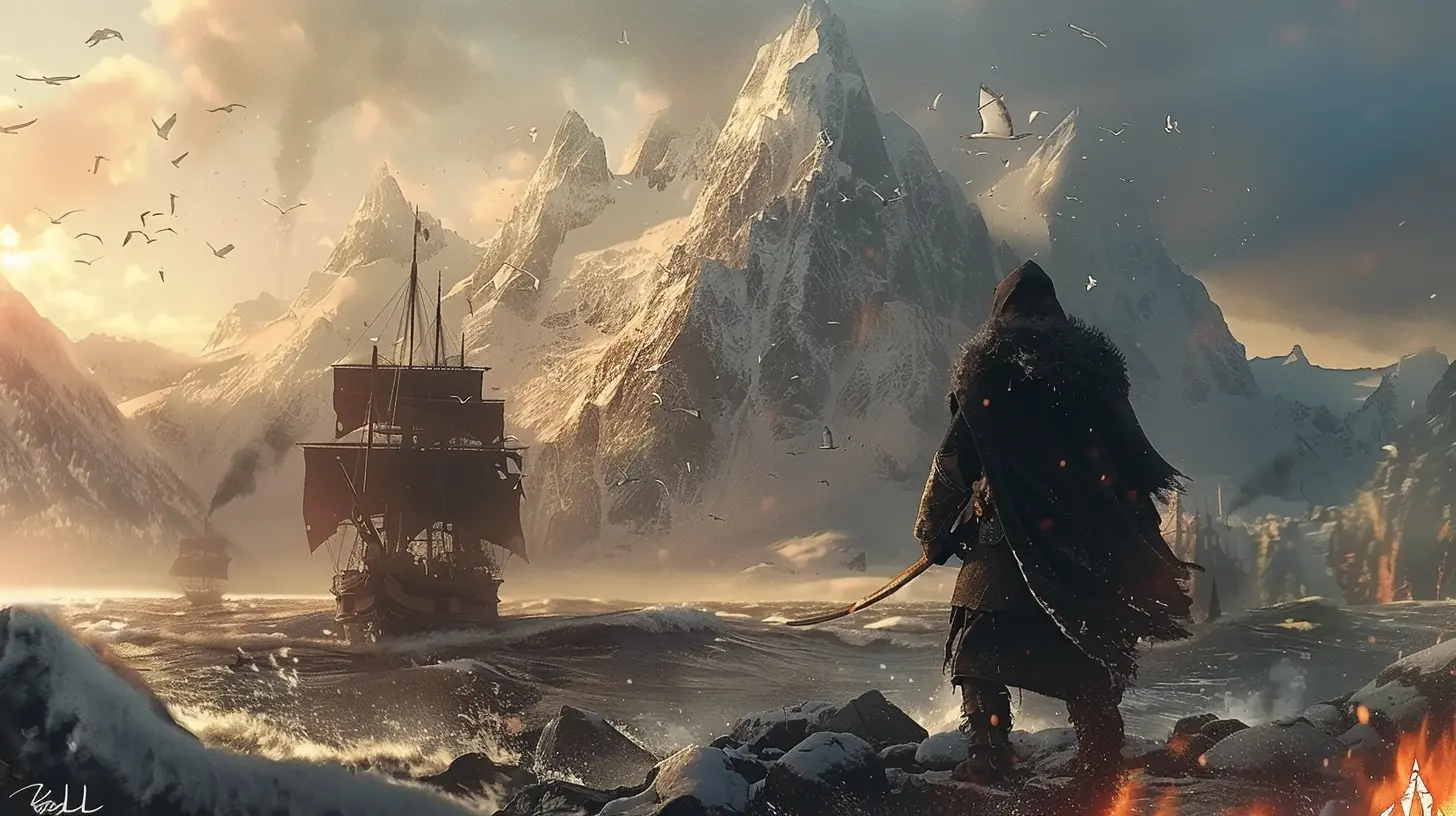
all images in this post were generated using AI tools
Category:
Best Gaming MomentsAuthor:

Aurora Sharpe