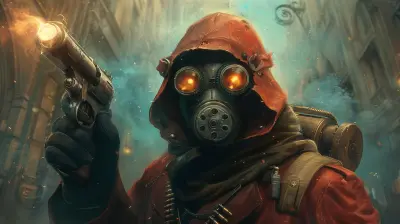
The Psychology of Social Interaction in Video Games
18 May 2026
There’s something fascinating about the way we connect with each other through video games. Whether it's rallying your squad in a heated match of Apex Legends or tending to your farm while chatting with villagers in Stardew Valley, that feeling of shared experience sticks with us.
But have you ever stopped and wondered—why do these digital spaces feel so real when we interact with others? Why do we care so much about our squadmates, guild members, or even those random strangers we meet in-game? There's actually a deep well of psychology behind those connections, and it's changing how we think about friendships, teamwork, and even our own emotions.
In this piece, we’re diving deep into the human side of gaming—peeling back the layers to understand how social interaction in video games impacts us on a psychological level. So grab a cup of coffee (or your favorite energy drink), and let’s talk about what really happens when we play together.
A New Era of Social Connection
Video games aren’t just about pixels and high scores anymore. They’ve evolved into social hubs—virtual hangouts where people don't just "play" together, they connect. Think of games like Fortnite, Minecraft, or Roblox. These aren’t just games; they’re platforms for communication, shared experiences, self-expression, and even identity exploration.And let’s be honest—sometimes it's easier to be ourselves behind a screen, right?
With millions of people logging in daily, these games offer a fascinating lens into human interaction, especially for those who might struggle with face-to-face communication. For some, these online worlds provide a safe space to be seen, heard, and valued.
Why We Crave Social Interaction in Games
Humans are social by nature. Even if you consider yourself an introvert, there’s a part of you that yearns for connection. Video games tap straight into that need in ways other mediums can’t quite match.Here’s why:
1. Shared Goals Build Bonds
Ever raided a boss with a dozen strangers and came out feeling like you’ve known them forever? That’s not just adrenaline talking—it’s psychology.Working toward a shared goal, especially under pressure, is one of the most effective ways to build trust and camaraderie. Games naturally create these scenarios—team matches, co-op missions, time-limited quests—forcing players to rely on each other. And when you win (or even lose) together, you form real emotional connections.
2. Persistent Worlds, Persistent Relationships
Unlike a group project where you part ways after it’s done, online games offer continuity. You see the same usernames pop up, form guilds or clans, and come back day after day. Over time, those usernames become friends, allies, and confidants.It’s like high school, but with fewer awkward hallway interactions and more dragon-slaying.
3. Custom Avatars, Real Identities
Ironically, hiding behind a virtual avatar can help people open up more. Players often feel safer expressing themselves in a role or character they’ve created. That orc warlock might just be a teensy bit closer to someone’s true self than what they show in the real world.It’s like wearing a costume that lets people say things they couldn’t say wearing a tie and slacks.
Building Empathy in Multiplayer Spaces
Here’s something you might not expect: multiplayer games can actually help develop empathy. Yup, digital sword fights and team-based shootouts can lead to genuine understanding between people across the globe.How does that happen?
Well, when you're consistently engaging with others—whether that’s coordinating tactics, sharing loot, or reviving a fallen teammate—you begin to see the person behind the screen. They stop being “Player2045” and become Tom, the guy who always has your back when the team’s in a pinch.
And when someone opens up in voice chat about a bad day or a sick family member, those walls break down even more. Emotional bonds form. That’s empathy in action.
Toxicity: The Dark Side of Social Interaction
Now, let’s not pretend gaming spaces are always sunshine and rainbows. If you've spent time in competitive lobbies or public forums, you know there's a flipside—toxicity, harassment, and some downright nasty behavior.So what gives?
1. Anonymity and the Disinhibition Effect
Being anonymous online can make people say and do things they wouldn’t dare in real life. This is called the online disinhibition effect. Without the risk of social consequences, some players feel emboldened to act out.It’s like shouting at someone from behind a one-way mirror—you feel powerful because you can’t be seen or hurt.
2. Competitive Environments Fuel Frustration
High-stakes competitive games naturally induce stress. And unfortunately, some players vent that stress on teammates or opponents. Add in poor match outcomes and heated rivalries, and you’ve got a recipe for toxicity.But here’s the good news—many developers now prioritize community health through moderation systems, reporting tools, and inclusive design. The gaming world is slowly waking up to the importance of empathy and kindness, one patch at a time.
Games as Safe Havens for the Marginalized
For many players—especially from marginalized communities—video games offer a refuge. They’re places where people can explore identity, find support, and escape from social stigma.1. Connection Without Judgment
In real life, many face social rejection based on race, gender, sexual orientation, or disability. In a game, your skill, your strategies, and your contributions matter more than how you look or sound.Online guilds and communities often become chosen families—offering belonging where the real world may have failed.
2. Roleplaying and Identity Exploration
Games like Second Life, The Sims, or even MMORPGs allow players to explore different identities or express gender fluidity in ways they might not feel safe doing offline. This ability to experiment, to play with identity without judgment, is both liberating and therapeutic.How Game Design Shapes Social Interaction
Game designers hold a lot of power when it comes to how players interact. The structure of a game—its mechanics, rules, and social systems—can encourage cooperation or conflict, loneliness or connection.Here’s how:
1. Co-op vs. Competitive Play
Some games are built around collaboration (think It Takes Two, Phasmophobia), while others focus on dominance and ranking. Co-op experiences naturally promote teamwork and empathy. Competitive games can foster rivalry or, if designed carefully, mutual respect.2. In-Game Communication Tools
Whether it’s voice chat, emotes, or ping systems, how players communicate can shape the tone of the community. Games like Apex Legends introduced non-verbal communication tools that help reduce toxicity while boosting cooperation. Genius move, right?3. Community Events and Shared Experiences
Live events in games (like Fortnite’s concerts or Destiny's seasonal changes) create shared memories. These moments feel like digital block parties—everyone's there, talking, laughing, reacting together. These experiences bind communities and turn games into cultural phenomena.The Long-Term Psychological Impact
So, what’s the takeaway here? Do these interactions in games actually matter long-term?Absolutely. While some might dismiss online friendships as “less real,” psychological research tells a different story. Players often report that their online friends provide emotional support equal to—or even greater than—their offline ones.
In fact, during events like the pandemic lockdowns, many relied on gaming communities to maintain their mental health and social connections. Games became lifelines. For some, they still are.
Let that sink in.
Final Thoughts: It’s More Than Just a Game
At the end of the day, video games are about more than just entertainment. They’re living, breathing ecosystems of human interaction—spaces where we laugh, cry, rage, vent, and connect. They’re part playground, part therapist’s couch, part town square.The psychology behind social interaction in video games shows us that these digital worlds can nurture empathy, build lifelong bonds, and yes, sometimes test our patience. But they’re real in all the ways that matter.
So next time you log on, remember—you’re not just playing a game. You’re stepping into a shared story, one where every emote, every raid, and every late-night chat counts toward something bigger: human connection.
all images in this post were generated using AI tools
Category:
Games And Social SkillsAuthor:

Aurora Sharpe
Discussion
rate this article
2 comments
Kylie Shaffer
Who knew gaming was therapy?
June 4, 2026 at 5:10 PM
Aurora Sharpe
It's interesting how gaming can provide a unique space for connection and self-discovery. Glad you found it insightful!
Grace Matthews
Gaming is more than just play; it reveals hidden desires and fears. What happens when our virtual personas clash? Dive into the shadows where connection and competition intertwine, and the mind unravels.
May 18, 2026 at 3:00 PM
Aurora Sharpe
You've captured the essence perfectly. Gaming does peel back layers of our psyche, exposing deeper truths about ourselves. The clash of virtual personas really does spark fascinating insights into our fears and desires. Thank you for sharing your thoughts!