Designing Boss Fights: Challenges that Resonate
18 February 2026
Let’s be honest—there’s something magnetic about a good boss fight. You know that moment when the music changes, your palms start sweating, and the screen fills with something bigger, louder, and way more intimidating than anything you've faced before? Yeah, that. Boss fights are the heart-pounding, brain-twisting, finger-numbing cherries on top of our favorite games.
But behind every epic showdown is a huge design challenge: how do you make a boss fight feel meaningful, exciting, and... well, not just a damage sponge that yells a lot? Designing boss fights that truly resonate isn’t just about throwing in massive health bars or flashy animations. It’s an art, and like any good piece of art, it needs thought, soul, balance—and a little bit of chaos.
So, let’s dive deep into what it really takes to design boss fights that stick with players long after the credits roll.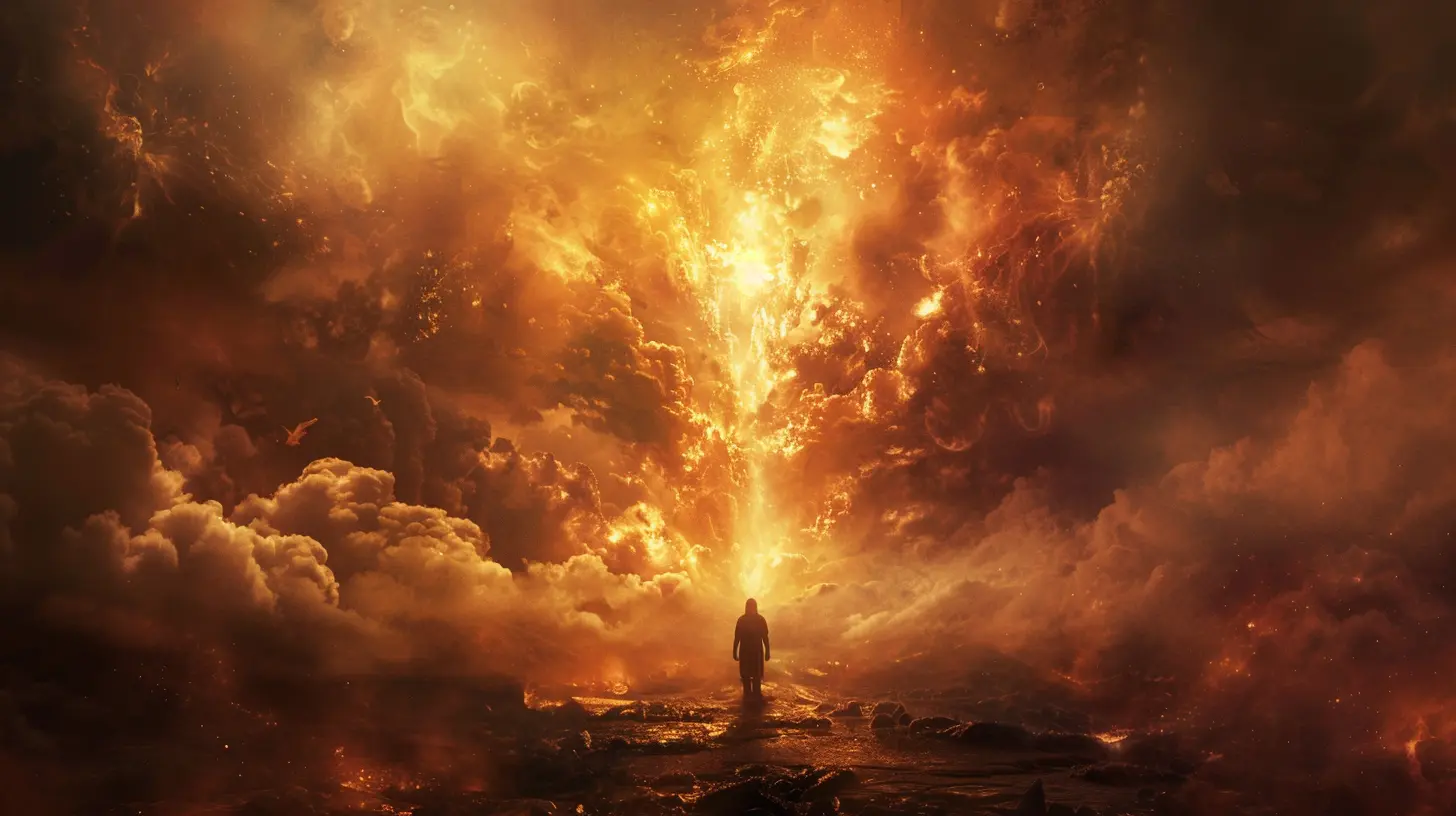
Why Boss Fights Matter More Than We Admit
Bosses aren’t just enemies. They're symbols—of progress, story arcs, emotional payoffs, or sometimes, of the player’s own growth. Think about it. Whether it's Sephiroth from Final Fantasy VII, The Nameless King in Dark Souls III, or Ganon from The Legend of Zelda: Breath of the Wild, these bosses aren’t just fights—they’re experiences.Boss fights serve multiple purposes:
- They test everything you’ve learned.
- They raise the stakes (emotionally and mechanically).
- They act as narrative climaxes.
When done right, they’re unforgettable. When done wrong? They can leave players frustrated or, worse, bored.
What Makes a Boss Fight ‘Resonate’?
Ah, the million-rupee question. It’s not just about difficulty. A hard boss doesn’t automatically mean a good one. What you want is impact. Something that lives rent-free in a gamer's mind.Let’s break it down:
1. Emotional Connection
A boss has more weight when the player actually cares. This doesn’t mean you need a tragic backstory every time (although that helps sometimes). But there should be some context. Maybe the boss wronged the player earlier. Maybe it's a corrupted ally. Or maybe it’s just your personal arch-nemesis after dying to them 37 times.The point is: emotion sticks. Mechanics fade, emotions don’t.
2. Narrative Payoff
A good boss doesn’t just feel like another enemy—it closes a narrative loop. Either it answers a question, challenges the protagonist’s goals, or drives the story in a new direction. The boss fight should mean something in the game’s world.3. Mechanical Mastery
Boss fights are like final exams. They should combine mechanics players have encountered before, but remix them in fresh, exciting ways. Think of them like remix DJs using old beats to drop a new banger.The best boss fights force players to use all their tools without feeling cheap or unfair.
The Key Elements of Memorable Boss Fight Design
1. Pacing and Phases
Nobody likes a boss who's a one-trick pony. Multi-phase fights—where the boss changes behavior, form, or strategy—keep players on their toes. Each phase should feel like a new act in a dramatic play. Take Lady Maria from Bloodborne: each phase unveils a new truth about her character, and the fight grows fiercer as her story unravels.Tip: Make each phase distinct, with different attack styles or tempo. Start slow, build tension, then hit them with the chaos.
2. Feedback and Clarity
Players need to know when they're doing well—and when disaster is imminent. Visual and audio feedback is crucial. Flash when the boss is stunned. Roar when it's charging. Shake the screen on a mega-attack.Clarity also means fairness. Telegraph big moves. Make the hitboxes honest. Don’t punish players for things they can’t see or predict.
3. Unique Mechanics
Bosses are the perfect moment to break your own rules a little. Throw in something unexpected. Maybe the terrain changes. Maybe the boss steals the player's weapon for a phase. Maybe your fireballs heal it.Subvert expectations—but always stay within the logic of the game world.
4. Challenge, Not Frustration
This is a fine line. Challenge should make players think, adapt, and improve. Frustration feels like the game is just being mean. The best way to avoid this? Telegraphed attacks, reasonable checkpoints, and patterns that reward learning.Nothing kills the mood like a 5-minute cutscene before every retry.
The Psychology Behind the Perfect Boss Battle
Let’s get a bit nerdy for a second. What really makes a boss fight resonate is its ability to tap into the player’s psychology.Escalation and Reward
Great boss design follows a tension curve. Start with manageable threats, then escalate. The final few hits should feel like the climax of a movie. And when it’s all over? Boom—release. That reward rush. The kind that gets you leaping off your couch.Flow State
The best fights are the ones where time melts away. You're reacting without overthinking, your hands moving before your brain even catches up. That’s called flow state. Good design encourages this by maintaining a balance between skill level and challenge.Too easy? You get bored. Too hard? You're frustrated. Just right? You’re in the zone.
Boss Fight Examples Done Right
Let’s give credit where it’s due. Here are a few bosses that absolutely nailed it.1. Ornstein and Smough – Dark Souls
This duo is legendary—for good reason. It’s not just their difficulty. It’s the way they complement each other: one is fast and nimble, the other is slow but devastating. Taking them down requires planning, patience, and adaptability. The phase transition when one falls? Brutal and brilliant.2. Kronika – Mortal Kombat 11
Instead of just spamming overpowered moves, this boss bends time. Literally. The mechanic is unique, the pace is relentless, and there’s a real sense of finality to the battle.3. GLaDOS – Portal
A non-traditional boss, but masterfully done. You’re not fighting in the conventional sense. Instead, it's a battle of wits, filled with humor, suspense, and a satisfying ending that flips the narrative on its head.Common Pitfalls in Boss Design (And How to Avoid Them)
Let’s face it—not all boss fights are hits. Some are just… meh. Here’s what to avoid:1. Sponge Bosses
If your boss has tons of health but no interesting behavior? Congrats, you’ve made a tanky snoozefest.Solution: Add variety, phases, and unique mechanics. Make that health bar feel deserved.
2. Recycled Mechanics
Using the same old attacks from normal enemies? Lame. Bosses are your chance to innovate.Solution: Mix old concepts with new twists. Keep the player guessing.
3. Lack of Stakes
If beating the boss doesn’t unlock something, change the world, or deepen the story, it falls flat.Solution: Tie the boss to narrative consequences. Make the player care.
Designing Boss Battles for Different Game Types
Different genres require different flavors of boss design. Let’s take a quick look:RPGs
Bosses should be about strategy and resource management. Think elemental weaknesses, turn orders, team dynamics.Action Games
Here, it’s all about reflexes and pattern recognition. Players expect fast-paced fights, dodge-rolling, parrying, and timing windows.Puzzle Games
Yup, even these can have bosses. Make the fight about solving complex patterns under pressure. Think Zelda dungeon bosses—trickier than they are tough.The Secret Sauce: Player Growth
Remember, the boss isn’t the hero. The player is. A truly resonant boss doesn’t just flex—it reflects. It highlights how far the player has come.Maybe it uses mechanics that seemed impossible at the start, but now they're second nature. Maybe it calls back to earlier plot points. Maybe it forces the player to choose between two difficult options.
Whatever it is, make it about growth. That’s what sticks.
Final Thoughts
Designing boss fights that resonate is no easy feat. There’s a balance to strike between challenge and fun, complexity and clarity, emotion and mechanics. But when all the pieces click? Magic happens.Players remember that one fight. That one moment. That one boss. Not because it was hard, but because it meant something.
So whether you're a game dev plotting your next epic showdown—or just a curious gamer wondering why you can't stop thinking about that boss—you now know: it's all by design.
And that’s what makes it awesome.
all images in this post were generated using AI tools
Category:
Game DesignAuthor:

Aurora Sharpe
Discussion
rate this article
2 comments
Zevan Jenkins
Great insights on boss fight design! Striking the right balance between challenge and player satisfaction is crucial. Excited to see how developers continue to innovate!
February 20, 2026 at 4:57 PM
Aurora Sharpe
Thank you! I'm glad you found the insights valuable. It's an exciting time for boss fight design, and I can't wait to see how creativity continues to evolve in this area!
Gabriella McCallum
Boss fights should ignite passion, challenge players, and forge unforgettable moments!
February 19, 2026 at 4:58 AM
Aurora Sharpe
Absolutely! Crafting boss fights that inspire passion and challenge players is key to creating memorable gaming experiences.