Cinematic Sequences That Deserved an Oscar
26 January 2026
Let’s get brutally honest for a second—video games have been knocking cinematic storytelling out of the park over the last two decades. Some of these games aren’t just "games" anymore; they’re full-blown emotional rollercoasters with heart-wrenching narrative arcs, jaw-dropping visuals, and characters so real, you start talking to them like they're your roommates.
If Hollywood had a little more sense, maybe they'd hand out tiny golden statues to developers too. I mean, some of the cinematic sequences in games would rival, or even outshine, what we see on the actual Oscar stage.
Ready for a wild ride through the gaming moments that screamed OSCAR-WORTHY? Let’s dive deep into some jaw-dropping, tear-inducing cinematic sequences that—let’s face it—deserved an Oscar.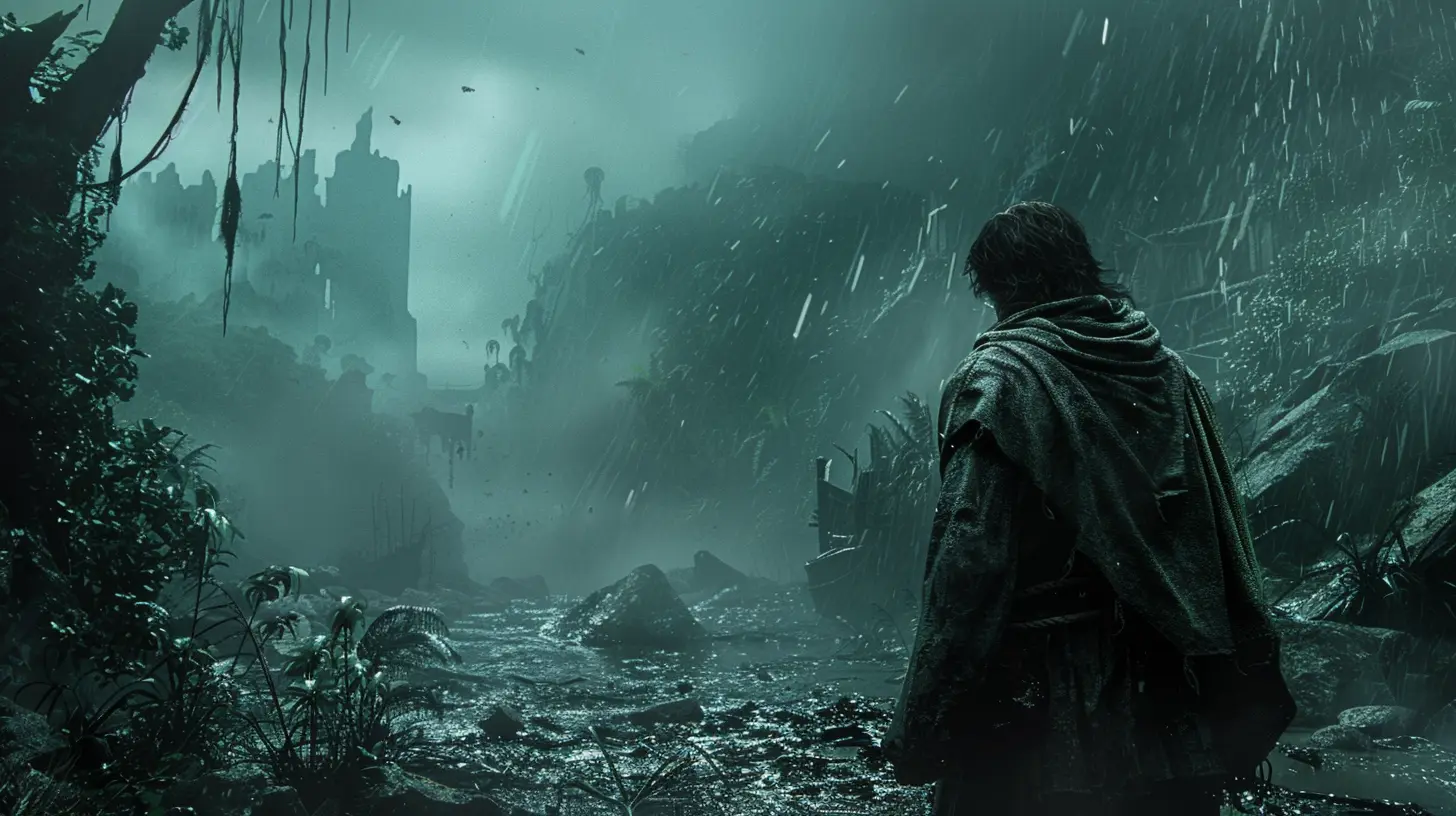
What Makes a Cinematic Sequence Oscar-Worthy Anyway?
Before we start name-dropping the giants, let’s clear the air. What exactly makes a video game scene so iconic that we’d toss around Hollywood’s finest honor?It’s not just about fancy graphics or epic explosions. It’s about raw emotion, storytelling finesse, acting (yes, voice and mocap actors deserve their flowers), music that lingers in your soul, and moments that make you pause the game just to process what happened.
In short, it's about the feels, folks. That gut punch. That mind-blowing twist. That slow, cinematic walk toward destiny.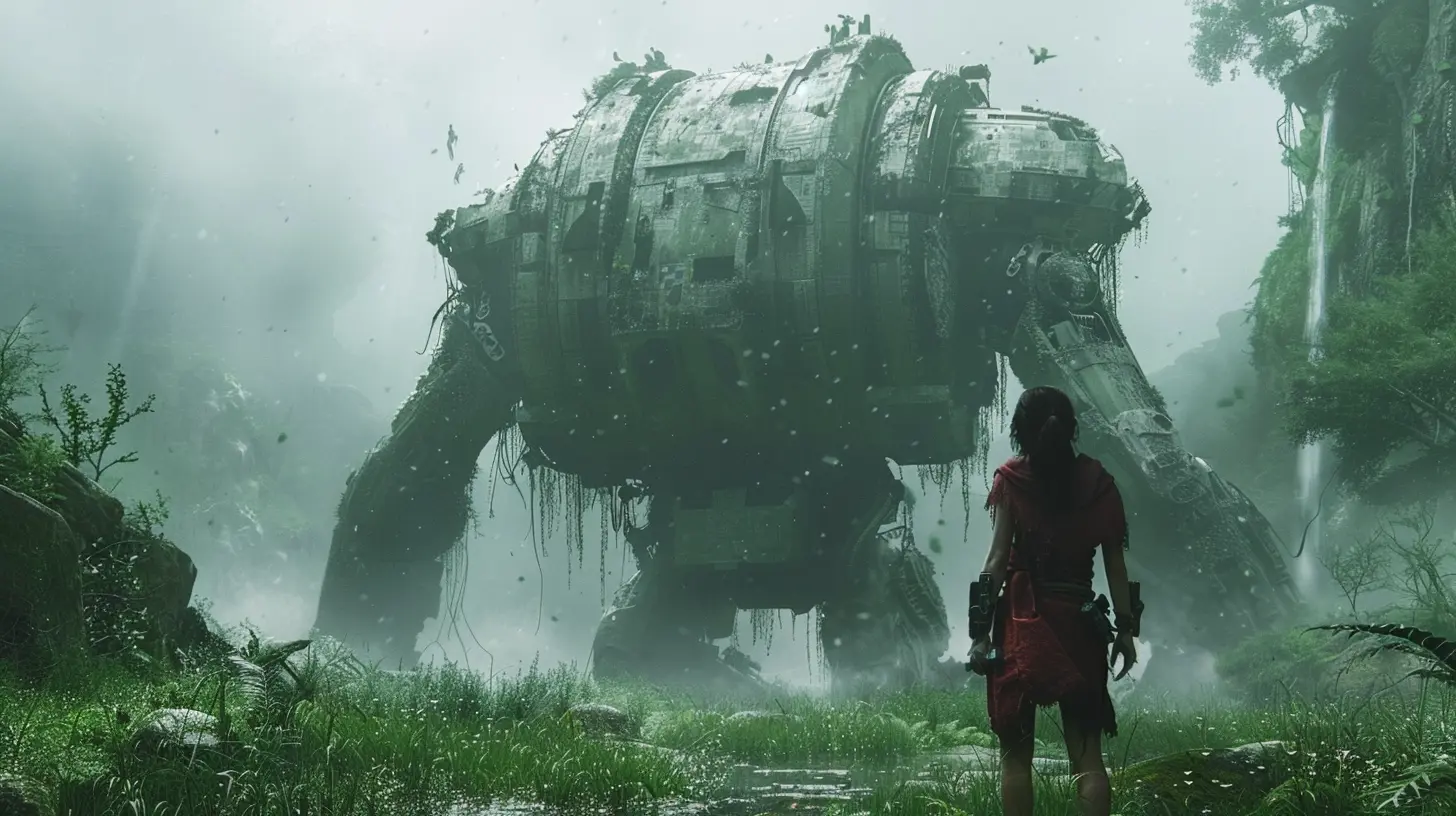
1. The Opening Sequence – The Last of Us (2013)
Let’s start with an absolute monster of a scene—The Last of Us’ opening.Imagine this: all you know is peace, then in minutes, you're plunged into a world-ending chaos. The moment Sarah, Joel’s daughter, dies in his arms is easily one of the most gut-wrenching scenes in gaming history. No one’s safe, the world feels real, and your heart drops into your stomach within the first 20 minutes.
Naughty Dog didn’t just tell us the apocalypse started—they made us feel it with every fiber of our being. You’re not just watching a story; you're living it. That kind of emotional gut-punch? Yeah, give it the Oscar.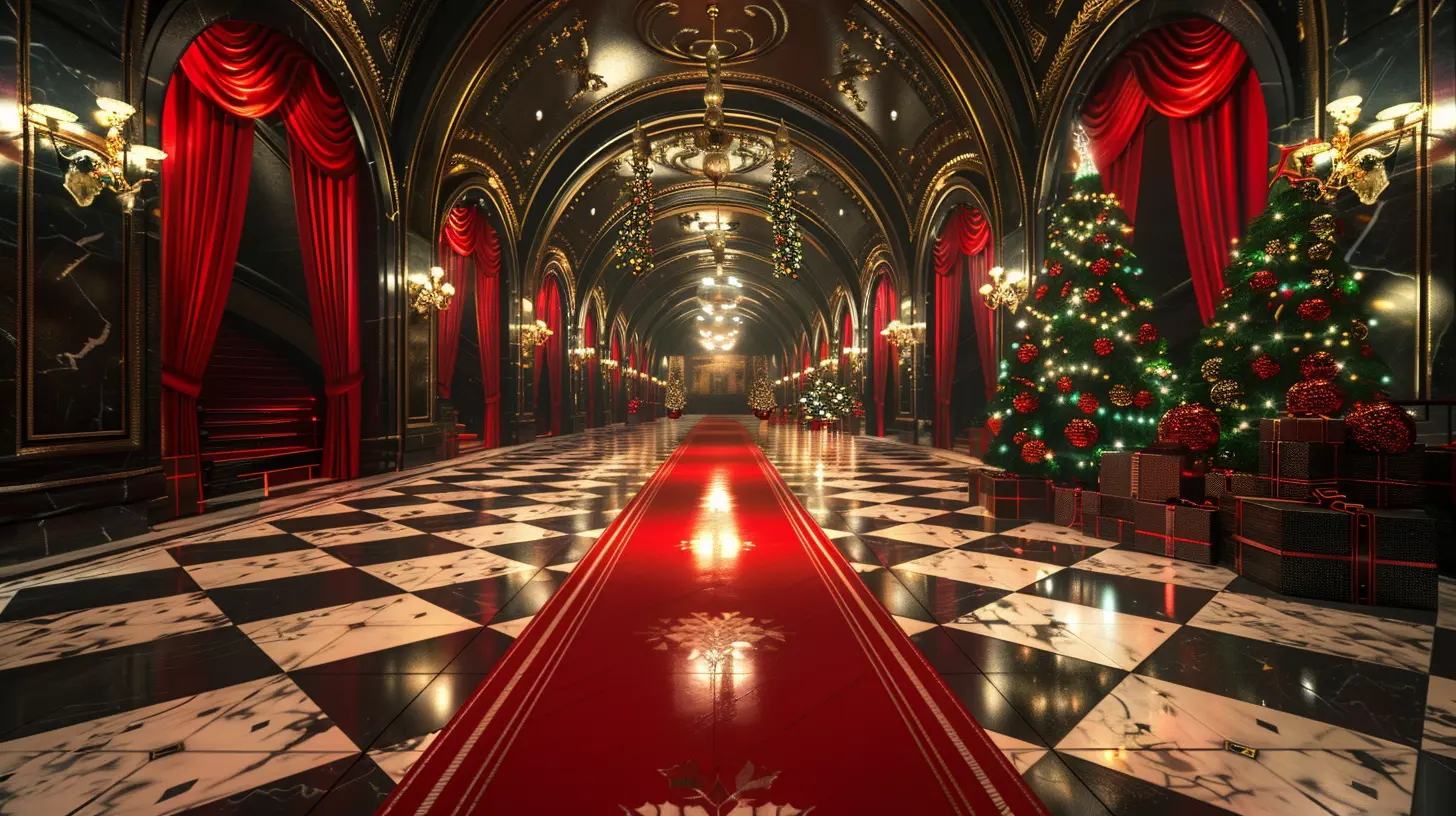
2. Arthur’s Last Ride – Red Dead Redemption 2
Saddle up, partner. The sunset never hit harder than when Arthur Morgan took his final ride.There are actually two different last sequences depending on your honor level, but the one that hits the hardest is the high honor ending. Picture a broken man riding toward his inevitable death, staring into the mountains under a blood-orange sky while D’Angelo’s “Unshaken” plays in the background.
This isn’t just a scene; it's a poetic farewell. Rockstar stitched Arthur’s humanity into every line, every cough, every glance. It’s Shakespeare on horseback, my friend, and it's absolutely Oscar material.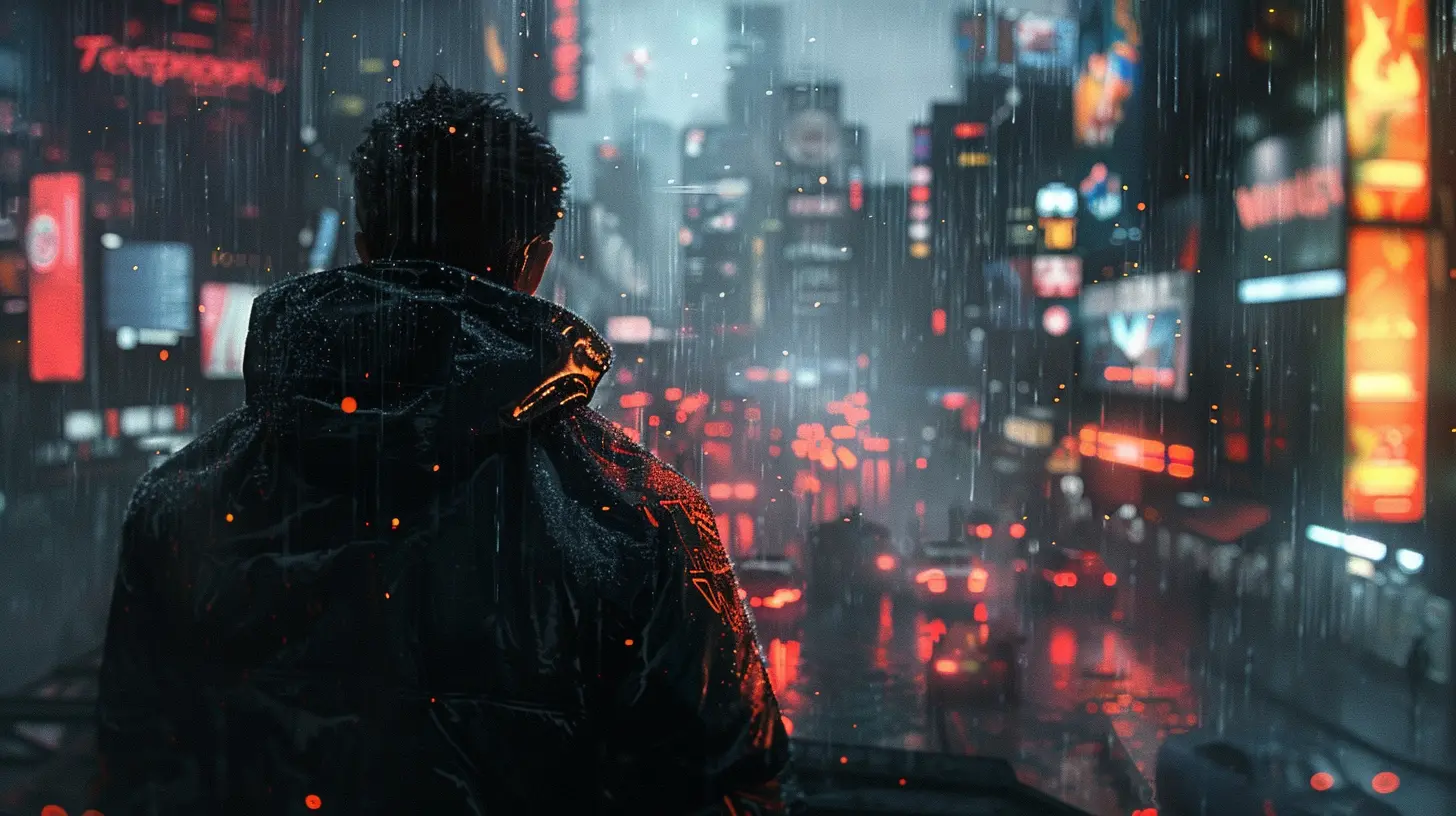
3. The Ending – Shadow of the Colossus
Minimal dialogue. Vast landscapes. Monumental creatures. That’s the formula Team Ico brewed in Shadow of the Colossus.But the final sequence? Oh boy.
Wander’s fate culminates in a heart-stopping finale where you realize you're not the hero—you’re the problem. You’ve slaughtered these majestic beings for love, only to become possessed by the evil force you unleashed. The music swells, your horse returns (yes, you cried), and the credits roll with a silence that’s louder than any explosion.
If tragedy had a visual blueprint, this would be it. Pure, art-house cinema except—you guessed it—interactive.
4. The Suicide Mission – Mass Effect 2
There’s a reason this mission goes down in gaming legend.Everything—the stakes, the music, the emotional weight—is dialed up to eleven. You’ve made decisions for dozens of hours, built relationships, earned trust, and now you're about to throw everyone you care about into the fire. Who lives and who dies depends entirely on how you played.
This isn’t just narrative design; it’s narrative magic. When the Normandy tears through enemy lines and the music kicks in, it feels like Star Wars, Avengers, and Apollo 13 all rolled into one.
If Oscar judges played this sequence without context, they’d probably be scrambling for tissues and a little gold trophy.
5. The Bloody Baron Questline – The Witcher 3: Wild Hunt
Would you believe a side quest could be more emotional than most main stories in games?The Bloody Baron arc isn’t about heroes or monsters. It’s about alcoholism, domestic abuse, guilt, and redemption. It’s human, it’s raw, and it doesn’t give you easy answers. Geralt doesn’t fix things—he just shines a light on them.
The cutscenes, the dialogue trees, the performances—it all adds up to a deeply cinematic exploration of human failure. Seriously, if this storyline dropped as a Netflix short film, it’d rake in awards faster than you can say “Silver for monsters.”
6. "Take On Me" – The Last of Us Part II
Another entry from Naughty Dog because, well, they’re just that good at melting your soul.This sequence is a quiet, tender moment amidst all the blood and chaos. Ellie picks up a guitar in a music store and sings “Take On Me” to Dina. It’s soft, vulnerable, and unashamedly intimate. You’re watching love bloom in a world that’s lost everything else.
It’s not flashy. No explosions or monster fights. Just two people, a guitar, and a song. And it hits harder than most love scenes in film.
Tell me that's not Oscar-worthy in its simplicity.
7. The Ending – Bioshock Infinite
“Bring us the girl and wipe away the debt.”If you don’t get chills just reading that, you probably haven’t played Bioshock Infinite. The ending to this mind-bending journey through time and space had players gasping when the curtain finally dropped.
You realize you’ve been the villain, the hero, and the victim, all wrapped into one multiverse-smashing twist. The baptism. The parallel realities. The sacrifice. It’s like Inception and Donnie Darko got together and made a baby with better hair physics.
Ken Levine’s storytelling, combined with the visual and musical direction, easily places this ending in the Oscar conversation.
8. The Fireflies Decision – The Last of Us (Yes, Again)
Yeah, we’re circling back to The Last of Us because it just doesn’t quit.The climax scene—when Joel chooses to save Ellie instead of curing the world? That’s the kind of moral complexity Oscar films salivate over. It’s a moment of selfish love. Of blinding devotion. Of irreversible consequences.
Ellie’s unconscious. Joel’s on a rampage. The music is hauntingly beautiful. And when he lies to her later—saying there was no cure? That single, quiet scene says more about humanity than a hundred action-packed blockbusters.
9. The Death of Aerith – Final Fantasy VII
Time to go old-school.The moment Sephiroth descended from the sky and pierced Aerith through the heart? That wasn’t just a scene—it was a collective trauma for an entire generation.
Even in polygonal form, the emotional weight was staggering. And the music? “Aerith’s Theme” still brings tears to the eyes of fans decades later. Square Enix took a major storytelling risk here. Killing your healer mid-game? Unthinkable!
It became one of the most iconic moments in gaming, and honestly, one that could’ve earned a standing ovation at the Oscars.
10. That One Walk Through Hell – Hellblade: Senua's Sacrifice
Let’s wrap it up with a true psychological masterpiece.Hellblade isn’t your average hack-and-slash. It's a deep dive into psychosis, grief, and determination, fused with Norse mythology and motion capture perfection.
The sequence where Senua walks through flames and shadows, voices whispering in her ears, barely holding onto reality—that’s not just a moment. It’s a revelation. Ninja Theory collaborated with mental health professionals to portray psychosis authentically, and the results are chilling and beautiful.
It doesn’t just feel like cinema. It feels like something more vulnerable, more real.
Why Gaming Deserves Its Own Oscars
If you’ve stuck around this long, you’re probably on the same boat as I am—games are storytelling powerhouses. They earn our time, our emotions, and our applause. With top-tier writing, stellar acting, and cinematography that rivals Hollywood, why shouldn't the best sequences get Oscar-level recognition?Films tell us a story. Games let us live them.
And that's worth celebrating.
Final Words: Did We Miss Any?
This list could go on forever. From Kratos hugging Atreus in God of War, to Lee’s final words to Clementine in The Walking Dead—there are so many moments where games transcended their medium.What scenes had you clutching your heart or slow clapping at your screen? Hit us up in the comments or share your own Oscar-worthy picks.
Because one day, when gaming finally gets its golden night at the Oscars, we’ll all be there, cheering loud.
all images in this post were generated using AI tools
Category:
Best Gaming MomentsAuthor:
Aurora Sharpe
Discussion
rate this article
2 comments
Beth Benton
This article sparks such intrigue! It’s fascinating to think about the emotional impact of cinematic sequences in games. Which moments had you on the edge of your seat? I’d love to hear more about the criteria for selecting these standout scenes—any hidden gems we should know about?
January 30, 2026 at 4:30 AM
Aurora Sharpe
Thanks so much! For me, the opening of *God of War* (2018) and the *Last of Us* prologue are standouts. As for hidden gems, *Hellblade: Senua’s Sacrifice* is a masterclass in emotional storytelling.
Quentin Chapman
I really enjoyed this article! It's fascinating to see how gaming can deliver such powerful storytelling through cinematic sequences. Each choice highlighted here truly showcases the artistry involved in game design. Thank you for shedding light on these deserving moments—it's a reminder of the emotional impact games can have.
January 29, 2026 at 4:32 AM
Aurora Sharpe
Thank you for your kind words! I'm glad you enjoyed the article and appreciate the artistry of storytelling in gaming.