Best Practices to Communicate With Your Squad in Shooters
4 May 2026
Let’s face it—no matter how good your aim is or how stacked your loadout might be, you’re not winning a squad-based shooter without solid communication. Whether you’re dropping into Warzone, making plays in Apex Legends, or strategizing in Valorant, being able to talk effectively with your team can be the make-or-break factor for victory.
So, if you’ve ever had your teammate run off solo mid-fight or heard "he’s one shot" with no context (ugh, the worst), then this one’s for you. We're breaking down the best practices to communicate with your squad in shooters, and trust me—your win rate will thank you.
Why Communication is Everything in Team-Based Shooters
Picture this: you’re in the middle of an intense firefight, bullets flying like angry hornets, you've got 10 HP, and suddenly… radio silence from your teammates. Not ideal, huh?Communication isn’t just about calling out enemy locations—it’s the glue that holds your team together. When you talk to your squad with purpose, you transform from a group of individual players into a well-oiled machine. And in the chaos of multiplayer shooters, that’s your secret weapon.
1. Be Specific – Vague Callouts Are Useless
“Over there!” “On me!” “He’s low!”Sound familiar? Now imagine hearing that in the middle of a fight with zero idea where “there” is or who “he” even is. These generic callouts kill teamwork faster than a headshot from across the map.
? Pro Tip:
Use directions, landmarks, or ping systems to be laser-specific. Instead of “He’s over there,” say, “Sniper on the roof northeast, next to the water tower.”Even better? Combine audio with pings. Most modern shooters (like Apex or Fortnite) have ping systems built-in. Use them. Abuse them. Praise them.
2. Keep It Short and Sweet
Long rants mid-fight? Absolutely not. Your teammates are dodging grenades, flanking enemies, and healing—you think they’ve got time for a TED Talk?? Rule of Thumb:
Stick to quick, clear phrases:- “Two pushing right.”
- “Cracked one, second floor.”
- “Need a revive, safe spot.”
- “Rotating left behind the building.”
The goal is clarity, not commentary.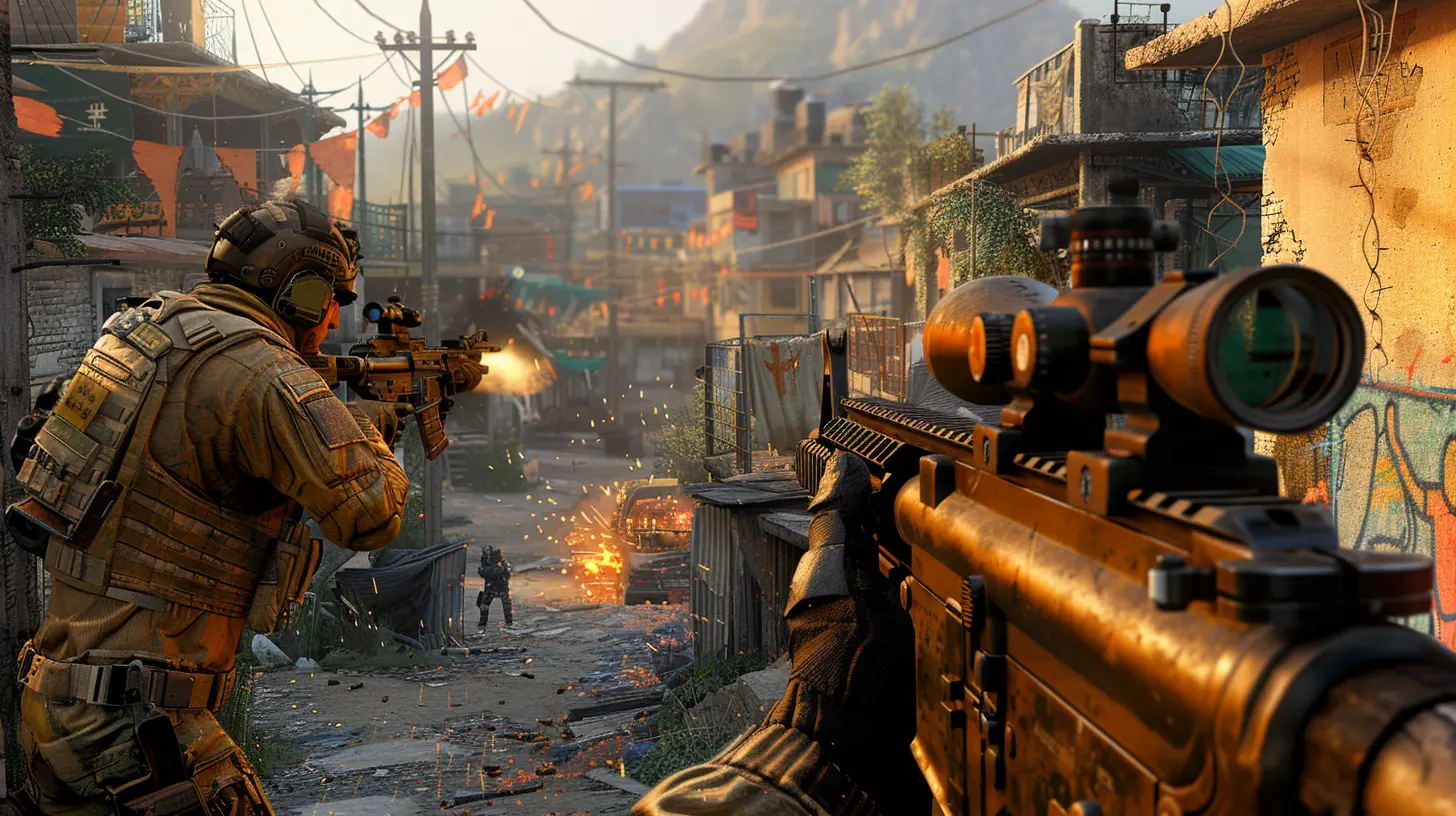
3. The Power of Pre-Match Strategy Chats
Before the match even begins, take 20 seconds to lay down the game plan. Who’s taking what role? Are you playing aggressive or passive? Got a preferred landing spot or chokepoint?Why it works: Being on the same page before the chaos starts saves time and prevents confusion. You don’t want three people rushing one direction while someone’s busy looting in Narnia.
4. Use Callout Terms Everybody Understands
Every shooter has its own lingo, and using consistent terminology helps your team stay on the same wavelength.For example:
- “Cracked” – Usually means the enemy’s shield/armor is broken.
- “One shot” – (Use carefully!) Should mean they’re literally one shot away from death.
- “Push” / “Hold” / “Rotate” – Tactical movements.
Got new players on the team? Check in with quick clarifications. A little collaboration goes a long way.
5. Stay Calm Under Pressure
If your voice turns into a panicked mess every time you're ambushed, guess what? Your teammates will panic too. Communication is like a heartbeat—it needs to stay steady, even when things go sideways.You don’t have to be a robot, but try keeping your tone calm and direct. Shouting “AAAAHH THEY’RE ALL HERE” doesn’t help much. Saying “Three enemies pushing from the south, regrouping now” is about 1000x more useful.
6. Call Out Your Status (Don't Leave Your Squad Guessing)
Good communication isn’t just about spotting the enemy—it's also about sharing your own situation.Think about it:
- Are you low on health?
- Have no armor left?
- Out of ammo?
- Ulti ready?
Don't wait to be asked—announce it.
Examples:
- “No plates left, can’t peek.”
- “Need AR ammo, down to 30 rounds.”
- “Ult ready, let’s combo it with smoke.”
Keeping your team clued into your condition helps them make better decisions. Less guessing, more fragging.
7. Keep the Vibes Positive
Nobody likes a teammate who screams “TRASH!” every time something goes wrong. Tilted players ruin the vibe and the game.Even if someone messes up, keep it light. Use humor, pump each other up, and focus on the next play. Morale is a real in-game factor—teams that communicate with kindness tend to stick together better (and win more, just saying).
8. Use Code Words or Shorthand (If You Squad Often)
Got a regular squad? Develop your own shorthand for common plays. It’s like your own team language—and it speeds things up like crazy.Examples:
- “Alpha Stack” – Everyone push left flank.
- “Ghost Rotate” – Quietly rotate without engaging.
- “Burn & Push” – Use grenades to flush enemies, then rush them.
Just make sure everyone knows what the terms mean. Use them enough and you’ll be reading each other’s minds mid-match.
9. Have a Dedicated IGL (In-Game Leader)
Every squad needs a shot-caller. Someone to decide when to push, where to rotate, and which fights to take or avoid. Without this role, teams often end up aimless—even if everyone’s communicating.The IGL should be calm, decisive, and open to input. It’s not about being bossy—it’s about creating structure. You can rotate the role, too, depending on who’s feeling confident.
10. Don’t Over-Comms – Talk Less When It Counts
Sometimes the best communication is… silence. During those tense 1v2 moments or clutch situations, background chatter can be distracting.Know when to pipe down. Don’t narrate everything (“I’m reloading... I’m walking... I’m turning the corner...”), just give the essentials. If a teammate’s clutching up, let them focus.
11. Use Tech Tools To Up Your Comms Game
Here are some tools that can seriously level up your squad talk:- Discord – Way better voice chat quality than most in-game systems.
- Voice Activation / Push-to-Talk – Avoids background noise.
- Noise-Cancelling Mics – Because no one needs to hear your dog barking during a 1v1.
Also, make sure everyone’s mic is working before jumping in. Few things are worse than realizing mid-match that your IGL is muted.
12. Practice Makes Perfect (And Cleaner Comms)
The more you play with your squad, the smoother your communication gets. Patterns form, habits build, and pretty soon you won’t even need full sentences.Set aside time to review what worked and what didn’t after matches. Maybe your callouts were too slow or your rotations weren’t communicated clearly. Talk it out, tweak, and grow.
Bonus: FUN is the Secret Sauce
Remember, at the end of the day—it’s a game. While strong communication boosts performance, it’s also about bonding, laughing, and building those epic stories you’ll talk about for days. Mix focus with fun, and your squad won’t just perform better, they'll stick together longer.Final Thoughts
Strong communication isn’t just a nice-to-have in shooters—it’s non-negotiable. Whether you’re a casual player looking to improve or a team grinding toward that next ranked division, sharpening your squad talk is one of the quickest ways to boost performance.So next time you drop into the zone, don’t just bring your best weapon—bring your voice, your ears, and your squad synergy. Victory’s not just about who shoots first, but who speaks smarter.
all images in this post were generated using AI tools
Category:
Shooter GamesAuthor:

Aurora Sharpe
Discussion
rate this article
2 comments
Grace Klein
If only my squad could hear my genius callouts instead of laughing at my "enemy behind the tree" blunder... at least I nailed the snacks!
May 28, 2026 at 3:40 PM
Aurora Sharpe
Sounds like you're balancing strategy with snack duty! Keep those callouts coming; they'll appreciate your genius soon enough.
Rivera McClure
Great article! Clear communication can turn a good team into a great one. Love the tips on callouts and teamwork... now to get my squad on board!
May 19, 2026 at 4:32 AM
Aurora Sharpe
Thanks for the kind words! Glad you found the tips helpful. Getting your squad on board will definitely make a difference. Happy gaming!