The Importance of Track Variety in Keeping Racing Games Engaging
8 December 2025
Racing games are like our adrenaline-fueled escape from reality, aren’t they? You hit the gas pedal, hear the roar of the engine, and leave the world behind as you weave through winding roads and heart-pounding curves. But let’s be real—no matter how shiny the cars look or how realistic the physics feel, if the tracks are bland or repetitive, the excitement fizzles out faster than a popped tire. That’s why track variety is such a game-changer. It’s the secret sauce that keeps your engines revved and your palms sweaty, race after race.
In this article, we’re going to dig into why track variety is so crucial to maintaining the thrill of racing games. Buckle up because we’re taking this discussion to the finish line!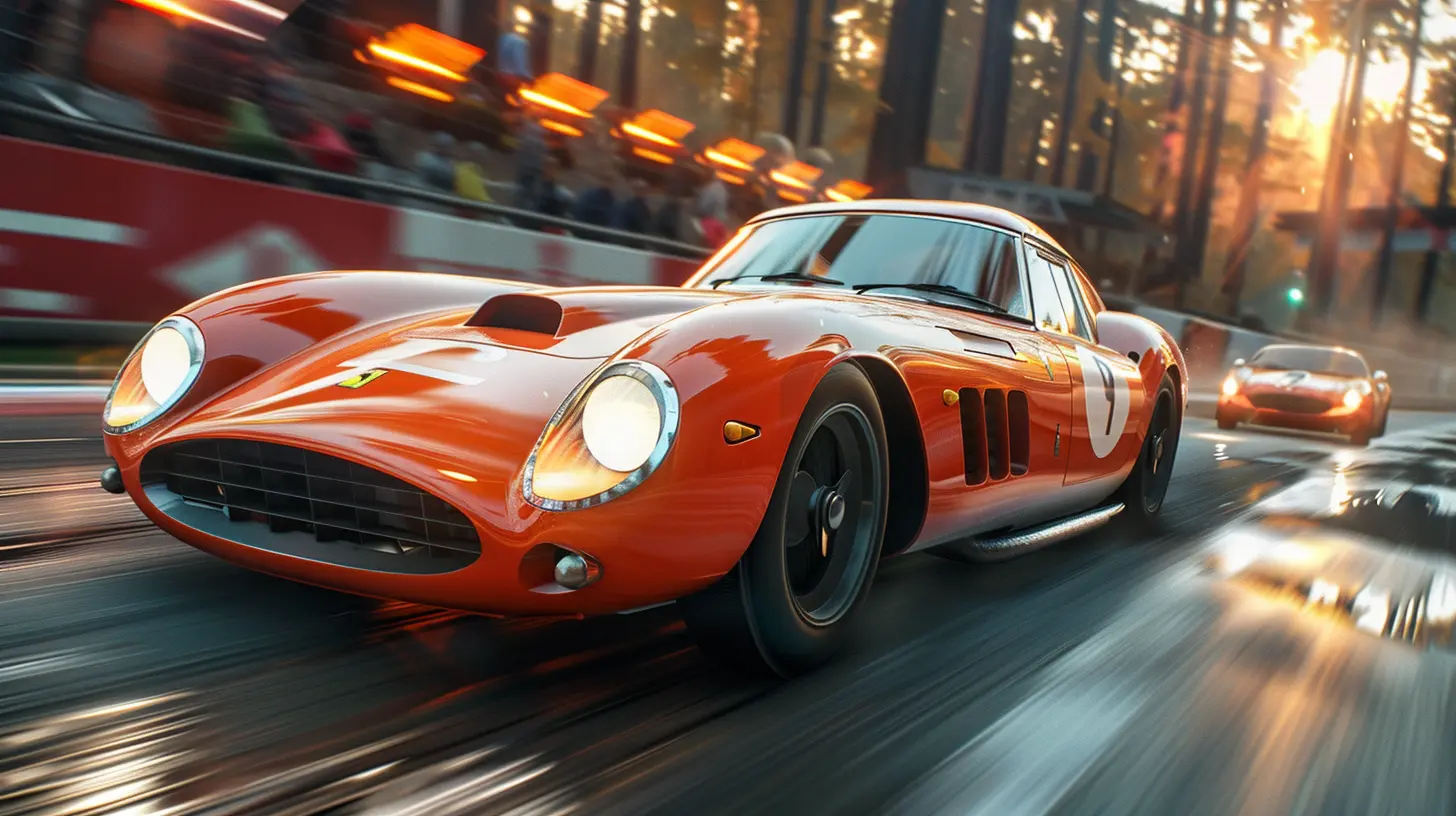
Why Does Track Variety Matter?
Imagine this: You’re playing your favorite racing game. The first race feels like a shot of adrenaline straight to your soul. And the second? Still pretty fun. But by the time you’re on your tenth lap around the exact same track, it starts feeling like Groundhog Day. Boredom creeps in, and eventually, you’re tempted to hit Alt+F4 or pick up another game.Track variety matters because it keeps things fresh. Every new track is like a new challenge, a new puzzle to solve. It’s the difference between a game you play for a weekend and one you come back to for months—or even years.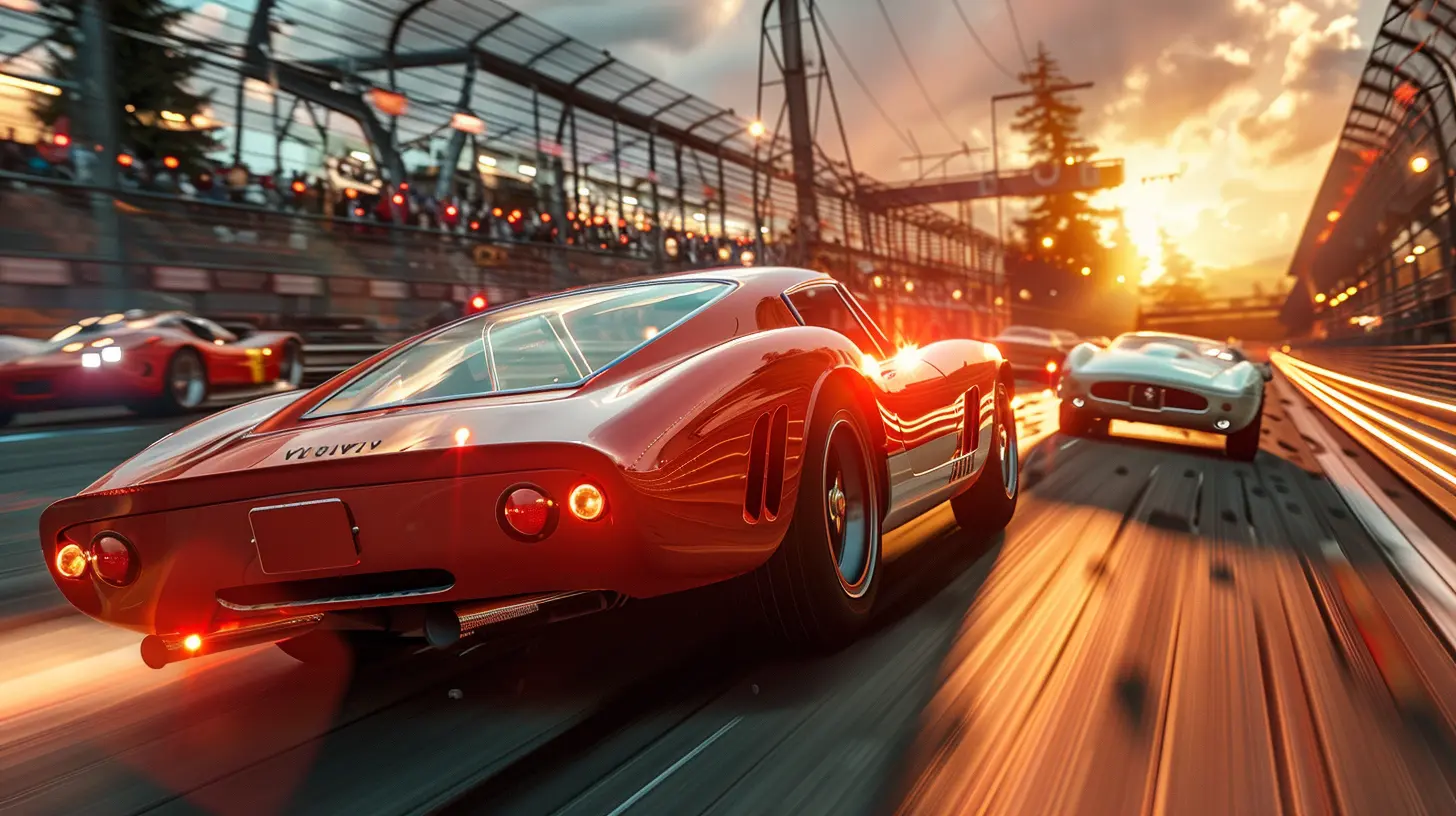
The Spice of Life: Diversity in Design
Have you noticed how some tracks just stick in your mind? Maybe it’s the tight hairpin turn that makes you hold your breath, or that long, straight stretch where you can finally hit top speed. These standout moments don’t happen by accident; they’re the result of thoughtful track design.A Mix of Environments
The difference between racing through a sun-soaked beach, a dense jungle, or a neon-lit city at night is like swapping your plain oatmeal for a buffet of flavors. Changing up a track’s environment gives players a sense of adventure and variety. It’s not just a race; it’s an experience. Think of games like Forza Horizon or Gran Turismo. The diversity in their track environments keeps players hooked because they’re not just racing—they’re exploring.Technical Challenges vs. Open Thrills
There’s a delicate balance between tracks that test your skills and those that let you blow off steam. A good racing game will throw a mix at you: one moment, you’re white-knuckling through tight corners, and the next, you’re flying down a highway as free as a bird. This contrast keeps the game dynamic. If every track was either too easy or impossibly tough, it’d feel like eating a meal with just one spice—boring and predictable.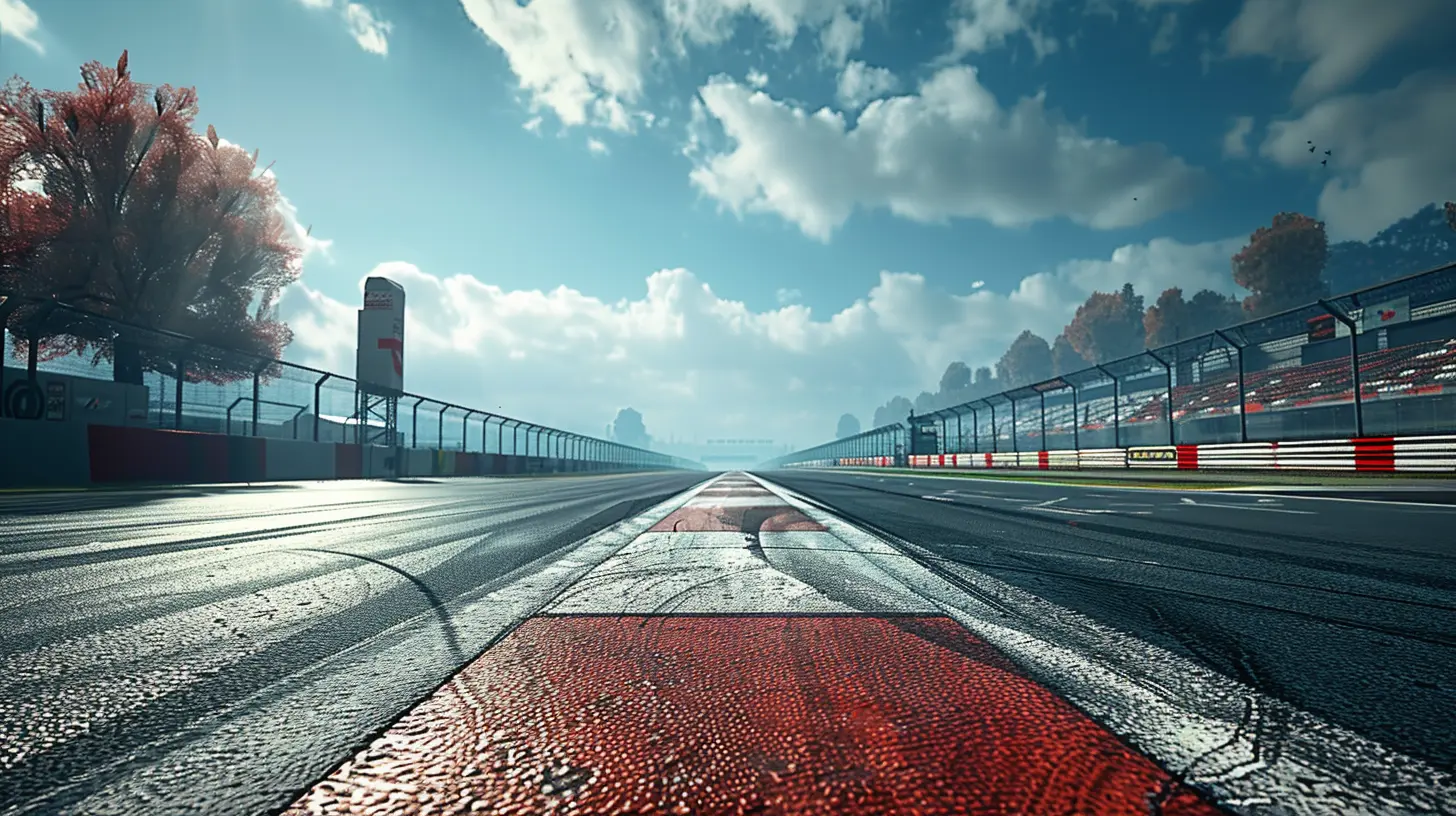
Replayability: The Lifeline of Racing Games
Look, we all want to feel like we’re getting our money’s worth with a game, right? Replayability is what transforms a “meh” game into a long-term obsession. And guess what? Track variety is a huge factor in this.When a game offers a wide range of tracks, it creates a playground for experimentation. You’re not just racing to cross the finish line—you’re figuring out how to master different terrains, optimize your car’s performance, and outsmart your opponents. Every track becomes a new challenge, and every race feels unique.
Randomized Elements
Some games take it a step further with randomized elements like changing weather or dynamic hazards. The same track can feel completely different when it’s pouring rain versus when it’s a sunny day. This unpredictability keeps players on their toes and makes even familiar tracks feel exciting.
Multiplayer Mayhem: Why Variety Matters More in Multiplayer
If you think track variety is important in single-player modes, wait until you dive into multiplayer. When you’re racing against real players, the stakes are higher, and the demand for variety skyrockets. No one wants to end up racing on the same loop over and over while they watch their friends rage-quit out of sheer boredom.Keeps Competition Fierce
Diverse tracks level the playing field. One person might dominate a simple oval track, but throw in a technical mountain pass with sharp turns and sudden drops, and it’s anyone’s game. This variety forces players to adapt, making every race feel like a fair fight (and let’s be honest, it’s way more fun when everyone has a shot at victory).Builds Community
Have you ever noticed how certain tracks become legends in the gaming world? Think Rainbow Road in Mario Kart. Tracks like these get people talking, debating, and sharing strategies. A varied set of tracks fosters this sense of community because everyone has their favorites—and the ones they love to hate.The Art of Surprise: Unconventional Track Designs
Sometimes, the best tracks are the ones that totally catch you off guard. Unconventional designs—like anti-gravity loops in Mario Kart 8 or vertical climbs in Trackmania—can breathe new life into a game. These tracks break the mold and surprise players, adding an extra layer of excitement.And let’s not forget hidden shortcuts! Who doesn’t love the thrill of discovering a sneaky way to shave seconds off your lap time? Clever track designs reward exploration and creativity, keeping players engaged far beyond the first playthrough.
The Role of Post-Launch Content: DLC and Updates
In today’s gaming world, post-launch content is almost a given. Developers often release new tracks as part of DLCs or free updates to keep players coming back for more. This isn’t just a cash grab—it’s an opportunity to expand the game’s universe and keep the community alive.For example, games like Mario Kart 8 Deluxe and F1 2022 regularly introduce new tracks, ensuring that even long-time players have fresh challenges to tackle. These updates transform a one-time purchase into an evolving experience, making the game feel like a gift that keeps on giving.
The Emotional Connection: More Than Just Racing
Let’s face it—racing games aren’t just about speed. They’re about the stories we create while playing. Maybe you have a favorite track where you scored an epic win or a nemesis track where you keep crashing but refuse to give up. Tracks become part of the narrative we tell ourselves, and variety ensures those narratives stay rich and personal.Conclusion
When it comes to racing games, track variety isn’t just a “nice-to-have”; it’s essential. It’s what keeps us engaged, pushing the pedal to the metal, race after race. From diverse environments and technical challenges to replayability and community building, track variety is the unsung hero of the genre. Without it, even the fastest cars in the world would start to feel like they’re running on empty.So, the next time you find yourself zooming down a track that makes your heart race and your palms sweat, take a moment to appreciate the artistry behind it. Because let’s be honest—variety really is the spice of life, even at 200 miles per hour.
all images in this post were generated using AI tools
Category:
Racing GamesAuthor:

Aurora Sharpe
Discussion
rate this article
2 comments
Tank McMahon
Track variety: because racing around the same loop repeatedly turns even the fastest cars into glorified bumper cars! Let’s keep those tires squealing in new places!
December 21, 2025 at 3:48 AM
Aurora Sharpe
I completely agree! Track variety is essential for maintaining excitement and challenge in racing games. Fresh environments keep the experience dynamic and engaging!
Fenris McFarland
Great insights on track variety! It truly enhances the gaming experience, keeping players engaged and excited. Diverse environments challenge skills and spark creativity, ensuring every race feels fresh and exhilarating. Keep racing innovation alive!
December 8, 2025 at 5:43 AM
Aurora Sharpe
Thank you! I’m glad you enjoyed the insights. Track variety is indeed key to keeping the excitement alive in racing games!