Consumer rights lost in the digital media age are unlikely to come back
July 19, 2026 - 21:29
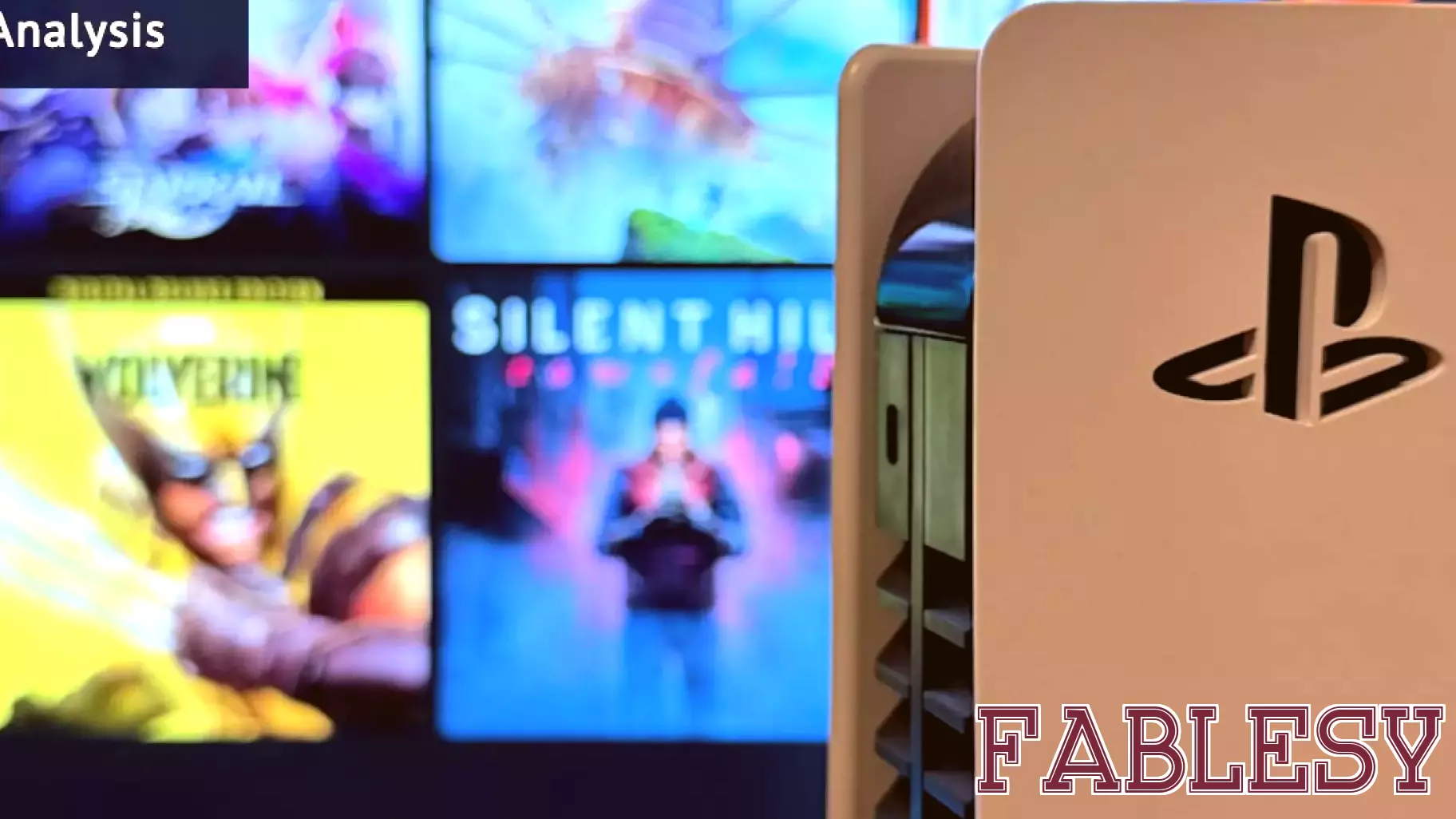
Sony's recent announcement that it will stop producing physical PlayStation games marks another nail in the coffin for physical media. But the real story isn't just about discs vanishing from store shelves. It is about the quiet, steady erosion of consumer rights in the digital age. When you buy a digital game, movie, or song today, you do not actually own it. You are renting a license that can be revoked at any time.
The fine print in most digital storefronts makes this painfully clear. You are not purchasing a product. You are purchasing permission to access a file, and that permission can be changed, withdrawn, or simply expire. Streaming services have already normalized this. A movie you bought on a platform last year can vanish without warning when a licensing deal ends. A song you downloaded can be remotely removed if the rights holder changes their mind. And now, with Sony pushing toward an all-digital future, the same logic applies to video games.
Once the disc drive is gone, there is no backup. No used market. No way to lend a game to a friend. No way to sell it when you are done. The only copy that matters is the one on Sony's servers, and they control access to it. If the company decides to delist a game, or if its servers go down, your library becomes a list of digital ghosts.
This is not a conspiracy theory. It has already happened. Nintendo shut down the Wii Shop Channel, leaving users unable to redownload purchases. Microsoft closed its Xbox 360 marketplace, making some games permanently inaccessible. And Sony itself has removed purchased content from users' libraries when licensing disputes arose.
The argument for convenience is strong. Digital downloads are instant, take up no shelf space, and never get scratched. But the trade-off is total loss of control. Physical media was never perfect, but it gave you a tangible object that could not be turned off by a corporate decision. That safety net is disappearing.
Consumers have largely accepted this shift without protest. The industry has trained people to see ownership as a burden. But once physical media is gone, there will be no going back. The rights we have lost in the digital media age are unlikely to return. The disc is dying, and with it, the last shred of real ownership in entertainment.
MORE NEWS
July 18, 2026 - 19:01
The Odyssey badly needs a big budget video game adaptationWith Christopher Nolan`s upcoming movie adaptation of The Odyssey set to launch worldwide, the conversation has turned back to one of humanity`s oldest and greatest stories. But while Hollywood is...
July 17, 2026 - 13:24
10 Iconic Suits We Need in the Next Spider-Man Video GameInsomniac`s Spider-Man games have set a high bar for superhero video games, largely thanks to the massive wardrobe of unlockable suits. Players can swing through New York wearing movie costumes,...

July 16, 2026 - 10:15
GUNNAR Releases 'Tomb Raider' 30th Anniversary Gaming GlassesGUNNAR Optiks has unveiled a special edition line of gaming eyewear to celebrate three decades of the Tomb Raider franchise. The Croft collection, named after iconic protagonist Lara Croft,...

July 15, 2026 - 22:20
Empowering The Culture: Tristan Wheeler’s vision for gaming beyond the screenFor many people, video games are a way to unwind after a long day. But Tristan Wheeler sees something bigger. He believes the culture surrounding gaming has the power to shape real-world skills and...