Why Map Knowledge Is Your Secret Weapon in Shooters
21 April 2026
If you've ever found yourself getting snapped from across the map or ambushed right outside your spawn, you're not alone. First-person and third-person shooters can feel chaotic, especially when you're just starting out. But here’s the deal: all that chaos starts to make sense once you unlock one powerful skill — map knowledge.
Yep, not flashy aim or high-end gear. It’s your brain’s ability to remember layouts, anticipate enemy movement, and confidently navigate the terrain that gives you the real edge. Let’s talk about why map knowledge is the not-so-secret weapon that separates rookies from veterans in shooter games.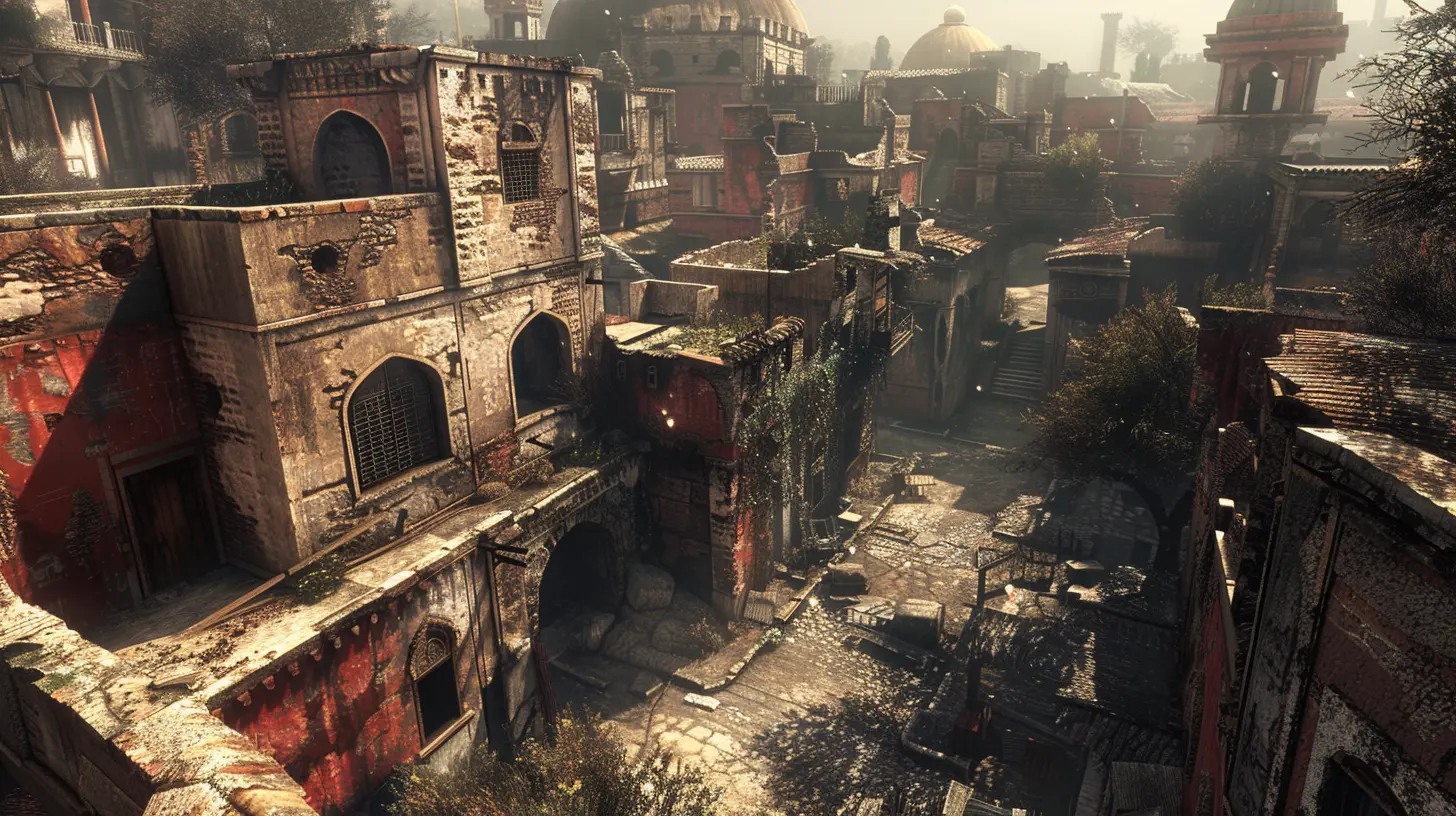
What Is Map Knowledge, Really?
Okay, first things first — what do we mean when we say “map knowledge”? It’s more than just knowing where stuff is. It’s about understanding the environment on a deeper level. That includes:- Map layout: Knowing the geography — choke points, sniper nests, danger zones, and safe routes.
- Spawn points: Understanding where players (including enemies) are likely to appear.
- Power positions: Recognizing advantageous spots that give you the upper hand.
- Flow of combat: Anticipating where conflicts will happen and getting there first.
- Escape routes: Knowing how to retreat, flank, or reposition safely.
It’s like muscle memory for your surroundings. And just like learning to ride a bike, once it clicks, it becomes second nature.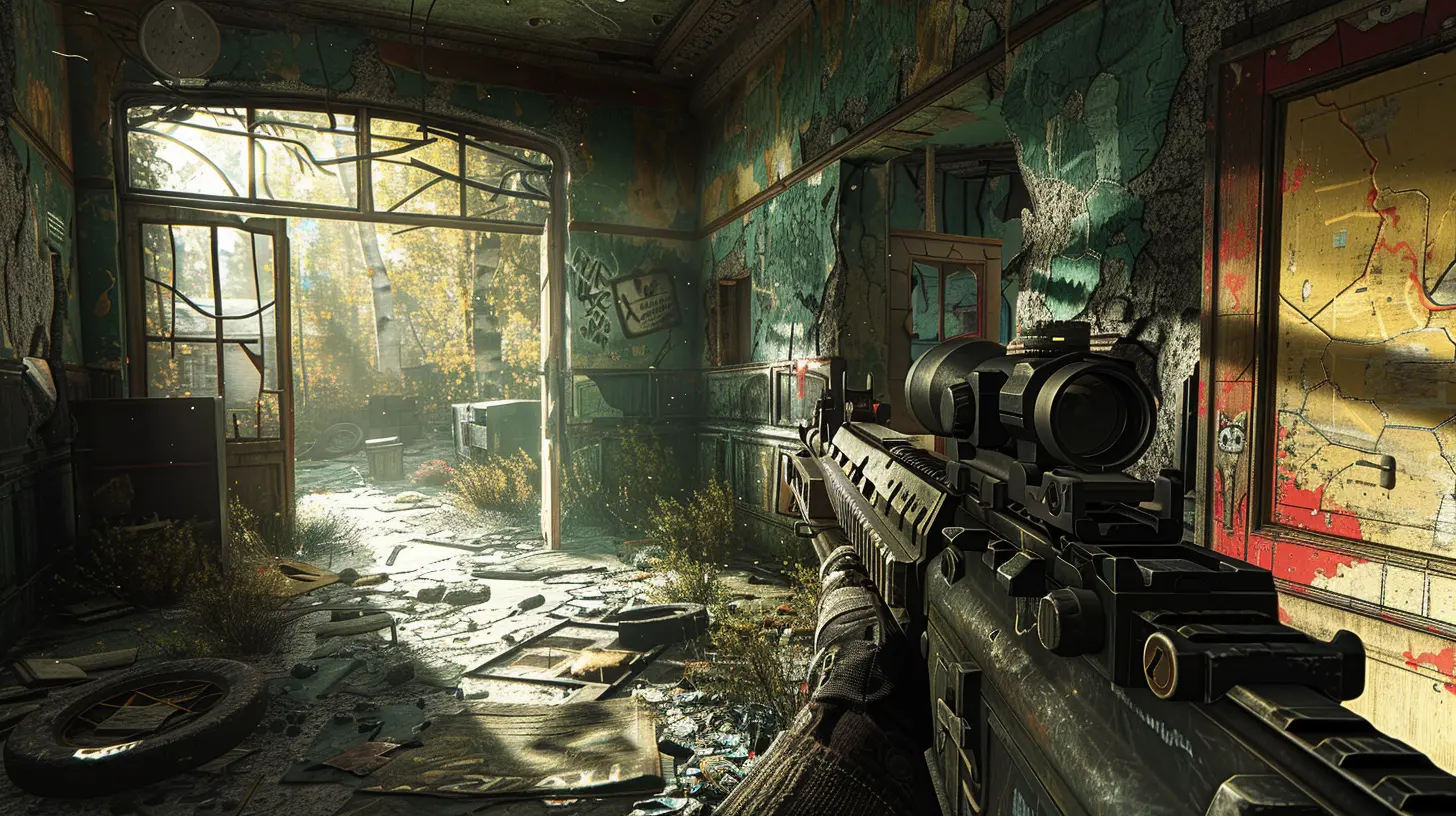
Why Map Knowledge Outclasses Raw Aim
Sure, aim is important. Flick-shots and quick-scopes look cool in highlight reels. But raw aim without map awareness? That’s like being a race car driver who doesn't know the track.Let me give you a visual. If your opponent has excellent aim but doesn’t know the map, they might walk right into your line of sight — unaware you were camped in a corner watching the main corridor. Who wins that fight?
Exactly. The person with smarter positioning.
Map knowledge lets you:
- Set up ambushes.
- Control movement.
- Predict enemy behavior.
- Avoid getting caught off guard.
It’s a chess match — and knowing the board better than your opponent means you’re always one move ahead.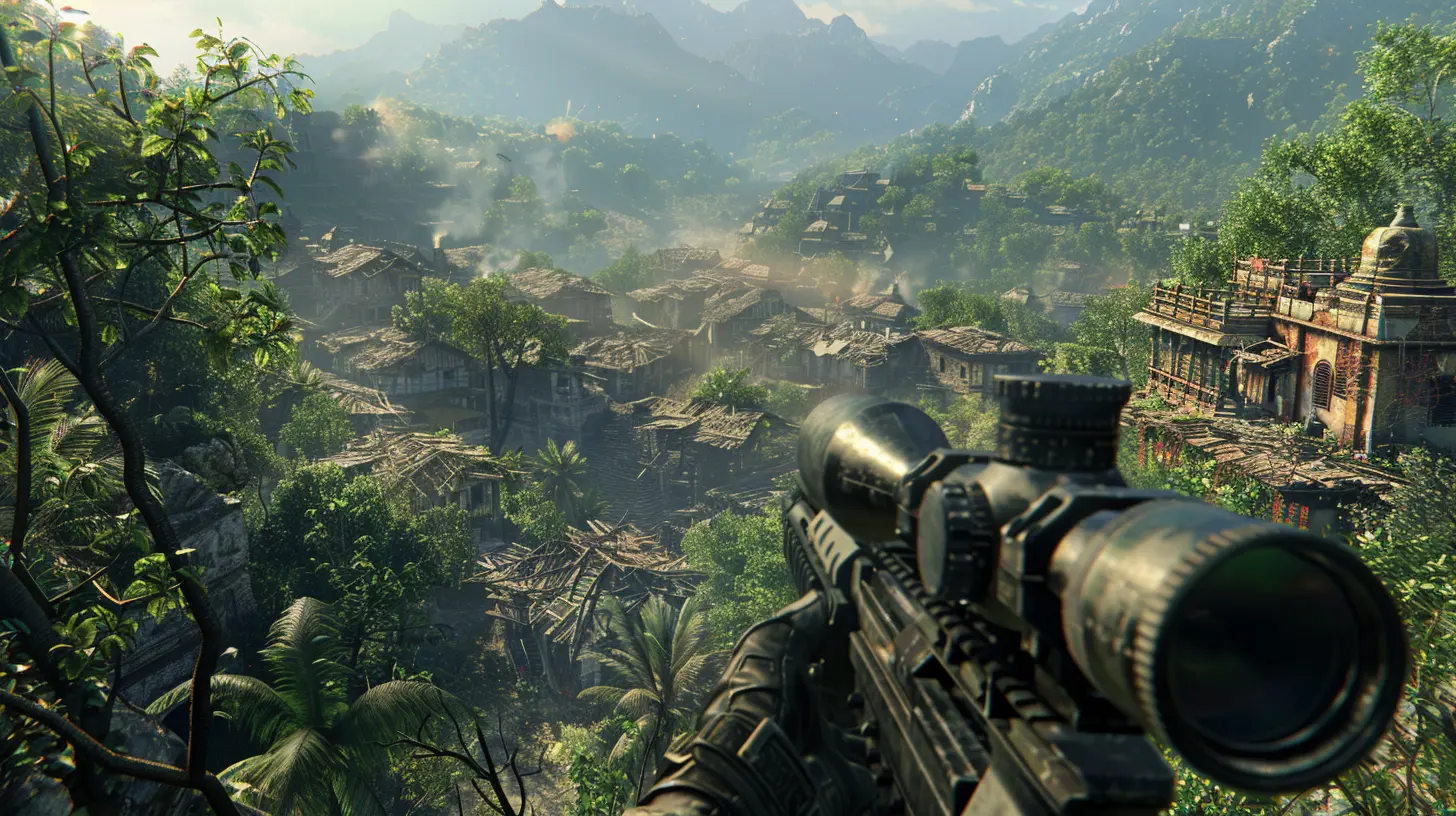
Know the Flow: Predicting Enemy Movement
Ever feel like the enemy always pops out when you least expect it? That feeling disappears once you understand how players move through maps.Most shooter maps are purposefully designed with:
- Symmetry (in competitive games like CS:GO and Valorant)
- Defined lanes and chokepoints
- Rotational routes and flanks
- Verticality (floors, ladders, rooftops)
When you know these elements, you start seeing patterns. You can predict:
- Where the rush is coming from
- Where enemies might rotate after an engagement
- Where to throw utilities (flashbangs, grenades) for max impact
It’s not psychic ability — it’s pattern recognition. And it develops naturally the more you study the map.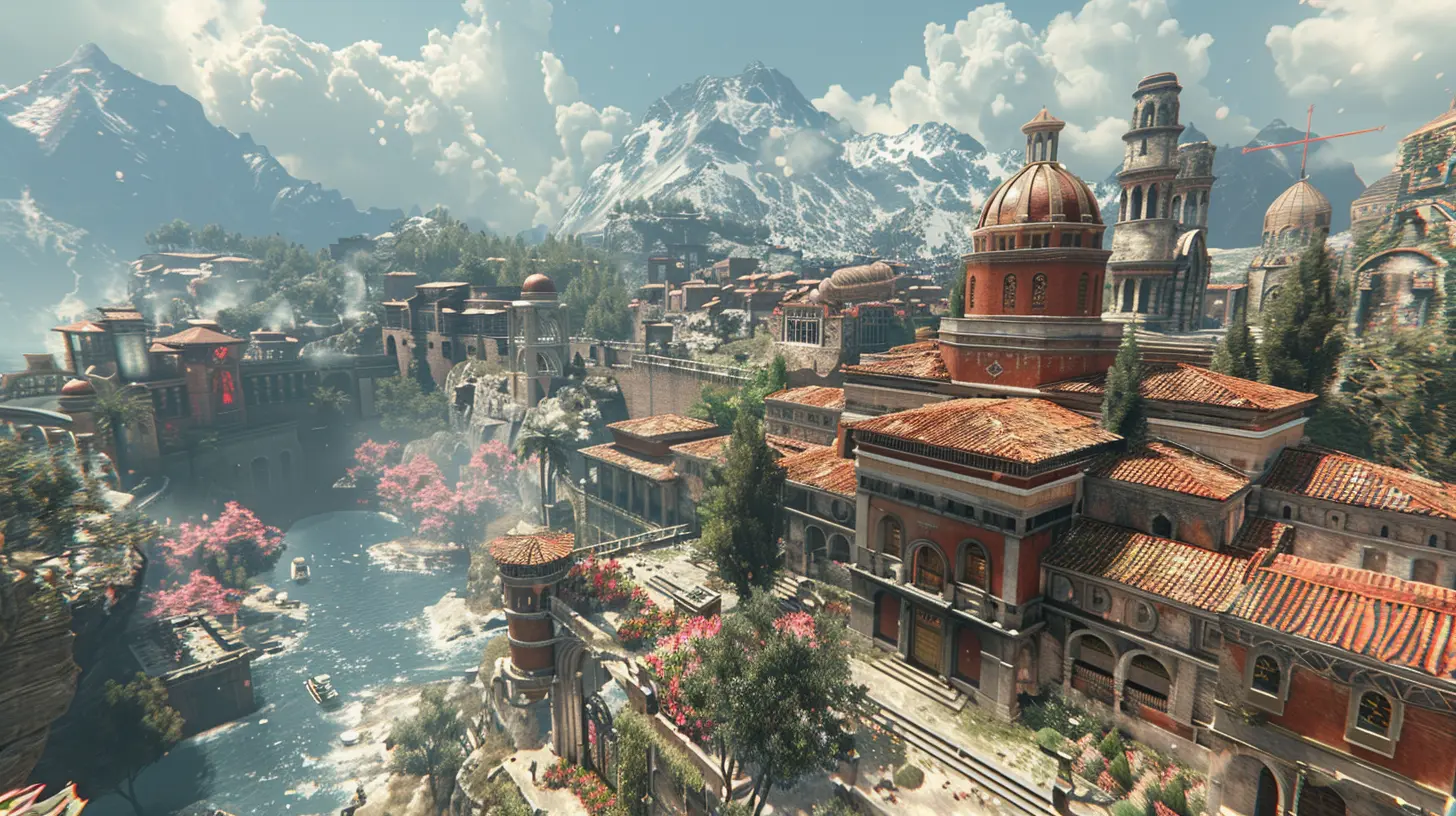
Positioning: The Silent MVP
Let’s say you and your opponent have equal aim. Who wins in a head-on fight?The answer: the one who had better positioning.
Good positioning often looks like being:
- Behind cover while your opponent’s exposed.
- Holding a high-ground angle with better sight.
- Watching a corner while crouched for extra recoil control.
- Pre-aiming where the enemy has to pass through.
Map knowledge gives you those opportunities. You know where enemies usually come from. You know where to expect danger. So instead of reacting, you’re already prepared.
It's like setting up a trap. While others are running around blind, you're the hunter lurking in the bushes.
Flanking: The Art of the Sneaky Genius
Flanks are probably the most satisfying part of shooters. There’s something magical about looping behind enemy lines and taking out the whole squad before they even know what hit them.But effective flanking takes more than guts. It takes map knowledge.
You’ll need to know:
- Hidden routes and lesser-used paths.
- Timing — how long it takes to reach the enemy spawn.
- Risk zones — where defenders are likely to check.
- Sound cues — how close your footsteps are to enemy ears.
Great flanks don’t happen by accident. They’re the reward for players who take the time to learn every back alley and broken wall on the map.
Mastering Rotations: Stay One Step Ahead
You ever play a round where your team goes A, gets pushed back, and then someone yells, “Rotate to B!”?Rotations are the art of moving from one part of the map to another — intelligently. Knowing the fastest, safest rotation paths helps you support your team or reposition without wasting time (or getting picked off mid-run).
Map knowledge helps you choose:
- Quickest paths based on spawn location.
- Alternate routes to avoid expected enemy spots.
- Routes with the most cover or escape options.
- Timing when rotating so enemies don’t spot you too early.
This part of map mastery is what makes you feel like a commander rather than a pawn.
Knowing the Spawn System: Predict and Pre-aim
In many shooters — like Call of Duty or Halo — spawn prediction is huge.When you figure out where enemies come from after they die, you can:
- Control the map by cutting off spawn zones.
- Predict the direction of enemy approaches.
- Set up spawn traps (a bit dirty, but effective).
- Avoid getting flanked by fresh respawns.
Not every game has the same spawn mechanic. Some are dynamic, some are fixed. But the better you understand the system, the more you can manipulate it to your advantage.
It’s like playing tag in your neighborhood but knowing all the secret paths — you’re always one step ahead.
How To Improve Your Map Knowledge Fast
Now that you’re convinced this is THE skill to master, let’s talk about how to actually build your map awareness.1. Play With Purpose
Stop running around randomly. Start paying attention to:- Popular engagement zones.
- Where you keep dying.
- Where enemies typically come from.
Each death becomes a lesson if you’re willing to learn.
2. Watch Pro Players
Streamers and esports pros make smart movements look easy. Watching them gives you insights into:- Rotation timing.
- Pre-aiming positions.
- Peek angles and sightlines.
Take notes. Seriously, it helps.
3. Walkthrough Modes or Custom Games
Most shooters have private lobbies or practice modes. Use them to:- Explore maps freely.
- Test jump spots and hiding places.
- Learn callouts for communication with teammates.
This is like studying a playbook before a big game. The more you practice, the more natural it feels.
4. Use Heatmaps and Tools
Games like CS:GO and CoD offer heatmaps of player deaths and movement. These show:- High-traffic areas.
- Common sniper nests.
- Choke points.
Knowing this can help you position wisely and avoid obvious traps.
Team Communication: Map Knowledge Boosts Shot Calling
If you’re playing team-based games like Rainbow Six Siege or Valorant, knowing the map makes you the most valuable teammate.You can call out:
- “One pushing long A!”
- “Watch the mid rotate!”
- “They’re flanking through tunnel!”
This level of communication builds trust and helps your squad make smarter plays. You become the person everyone listens to — the one who “just gets it.”
And that feels awesome.
Confidence Comes From Control
Here’s the emotional piece nobody talks about.When you know the map, you stop feeling lost. You stop double-guessing your decisions. You play faster, think clearer, and move with purpose.
That confidence?
It changes everything.
You enjoy the game more. Your kill-death ratio improves. You become someone other players want on their team.
All because you took the time to understand your surroundings.
Final Thoughts: The Mind Is Mightier Than The Mouse
You don’t need to have god-tier aim or a $200 mouse to dominate in shooters. What you really need is awareness. Knowing where to be, when to be there, and how to control the flow of battle.That’s what map knowledge gives you.
It puts you in control of the chaos. It turns the game from a reflex test into a strategy challenge. It makes you a smarter, more calculated player — and honestly, that’s way more powerful than a montage of lucky trickshots.
So next time you boot up your favorite shooter, don’t just focus on your aim trainer. Spend some time learning the terrain. Because in the world of shooters, the map is your best weapon — you just need to learn how to wield it.
all images in this post were generated using AI tools
Category:
Shooter GamesAuthor:

Aurora Sharpe
Discussion
rate this article
2 comments
Jemima Carr
Map knowledge is crucial in shooters, as it enhances tactical decision-making and situational awareness. Understanding terrain and enemy movement not only optimizes positioning but also significantly improves team synergy and overall performance.
April 28, 2026 at 4:28 PM
Aurora Sharpe
Absolutely. Knowing the map transforms gameplay, allowing for better strategies and teamwork, which can make all the difference in competitive shooters.
Gwen McDermott
Map knowledge isn't just an advantage; it's your tactical superpower. While others scramble to find cover or objectives, you’ll be one step ahead, predicting enemy movements and ambushes. In the high-stakes world of shooters, knowing your terrain can turn the tide of any battle.
April 22, 2026 at 4:39 AM
Aurora Sharpe
Absolutely, map knowledge is crucial. It transforms your gameplay and gives you the edge to outsmart your opponents. Knowing the terrain truly can change the game.