Why Gun Skins and Cosmetics Are More Than Just Looks
3 July 2026
Alright, let’s get real for a second. If you’ve ever played a shooter game—Call of Duty, Valorant, CS:GO, Fortnite—you’ve probably come across flashy gun skins, wild character outfits, and animated emotes. At first glance, it’s easy to think, “Hey, that’s cool… but just for show, right?”
Wrong. Gun skins and cosmetics in games have evolved into something much bigger than just eye candy. They’ve become a real part of the gaming world—changing how players express themselves, how they interact with games, and even how the gaming economy operates.
So, if you ever thought cosmetics were just glitter and glam, buckle up. We're diving deep into how and why gun skins and cosmetic items are far more than what meets the eye.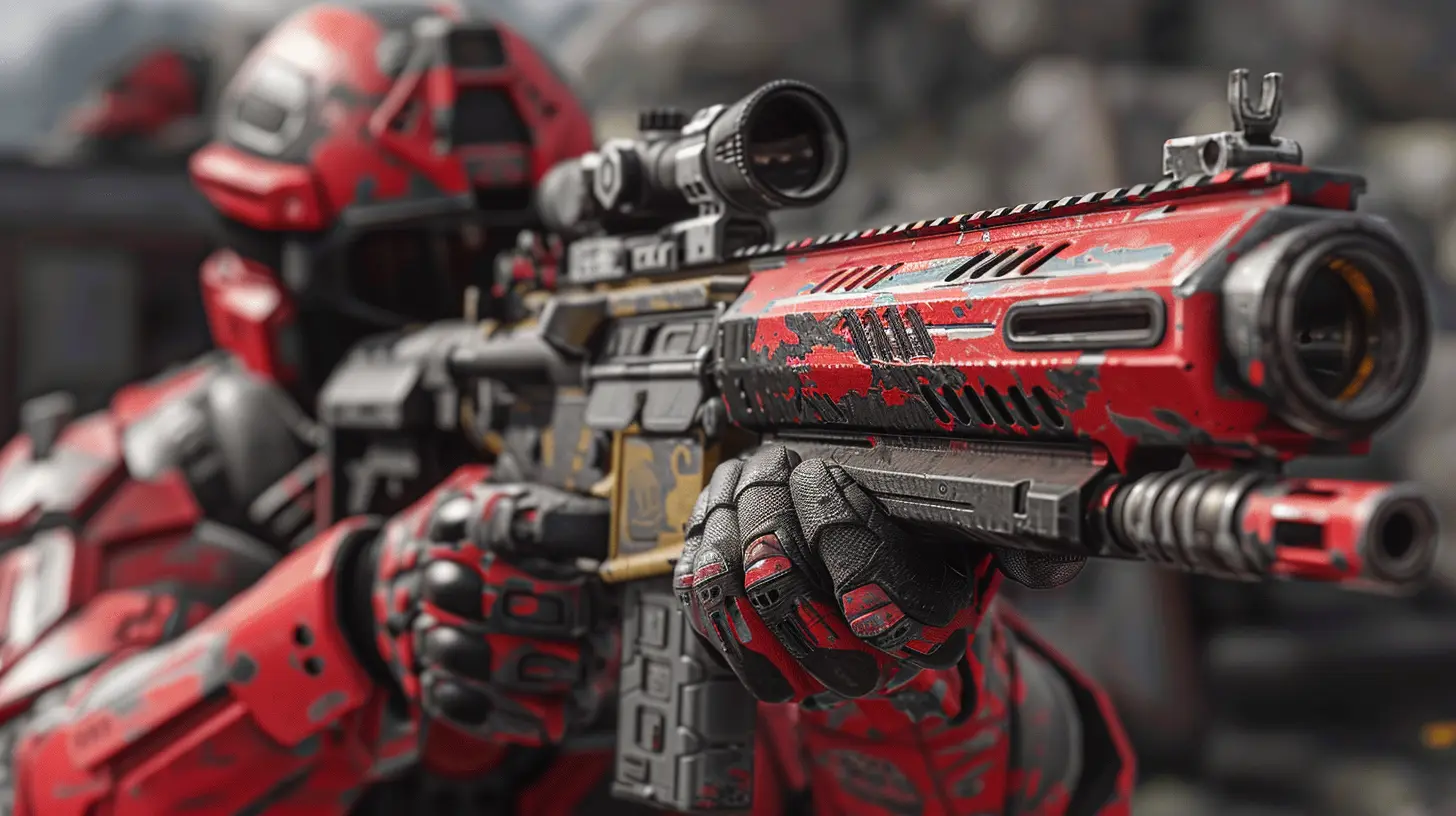
The Psychology Behind Skins: Why We Care So Much
Let’s start with the “why.” Why do people go nuts for skins?Simple. Humans love customization. Take it back to childhood—remember painting your bike, decorating notebooks, or choosing clothes for your Barbie or action figure? It’s the same concept, just leveled up in the digital world.
Expression of Identity
Gaming is more than just gameplay now—it’s social. Whether you’re queuing solo or jumping in with friends, how you look in-game says a lot about you. Skins allow players to reflect their personality. Whether you're the flashy type with neon-colored AK-47s or someone who prefers stealthy, dark-themed cosmetics, your loadout tells a story.It’s like the difference between wearing a black hoodie to a concert versus rocking up in a pink blazer. You’re making a statement.
Status Symbol
There’s a reason people flex certain skins—because they’re rare or extremely expensive. Think Dragon Lore in CS:GO or the OG Skull Trooper in Fortnite. These are the Rolexes and limited-edition Jordans of gaming.People want to show off. And honestly? Why shouldn’t they? When you've grinded a battle pass to tier 100 or dished out real cash for a coveted cosmetic, it's satisfying to flaunt it.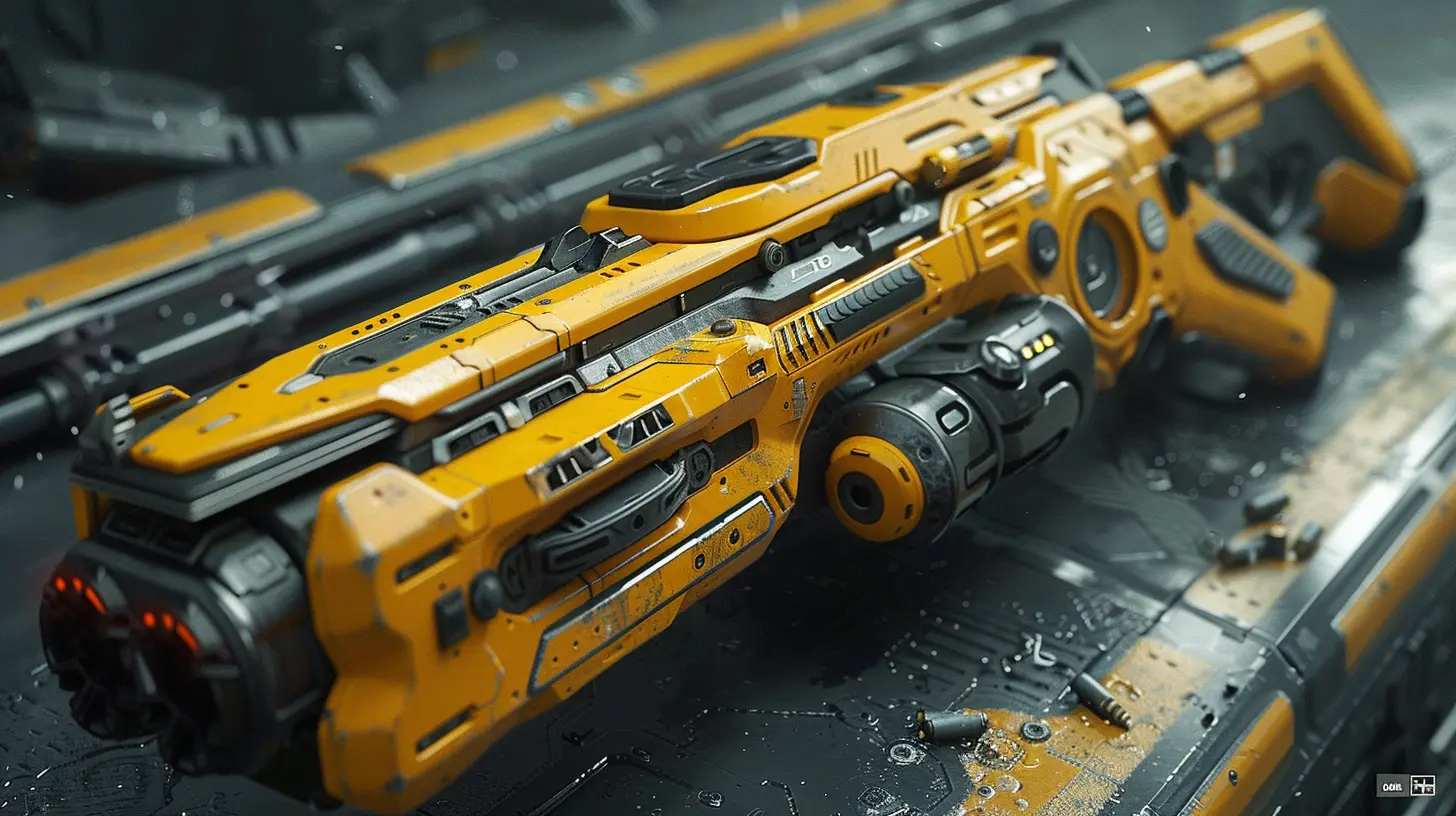
Gameplay Impact: More Than Just Visual Flair?
Here’s where things get spicy. A lot of players claim that skins don’t affect gameplay... But let’s be honest—it’s not that black and white.Confidence Boost = Better Performance
Ever noticed how you play better when you feel good? You’re not imagining things.Strapping a new skin on your go-to weapon can give you a mental edge. It’s the digital version of lacing up your brand-new sneakers before a big game. It doesn't increase your aim stat, but your confidence soars—and that can seriously impact performance.
Tactical Advantages? Sometimes, Yeah.
Let’s not ignore the sneaky truth—some skins do have subtle gameplay implications.For instance:
- Certain camo skins blend better with map backgrounds, especially in realistic shooters.
- Bright, flashy character skins make you an easier target in some games.
- Animations on melee skins can alter perceived hitboxes or visibility.
While developers try to balance this, competitive players often choose cosmetics that give them even the tiniest tactical edge. So yeah, gun skins can sometimes be more than just looks.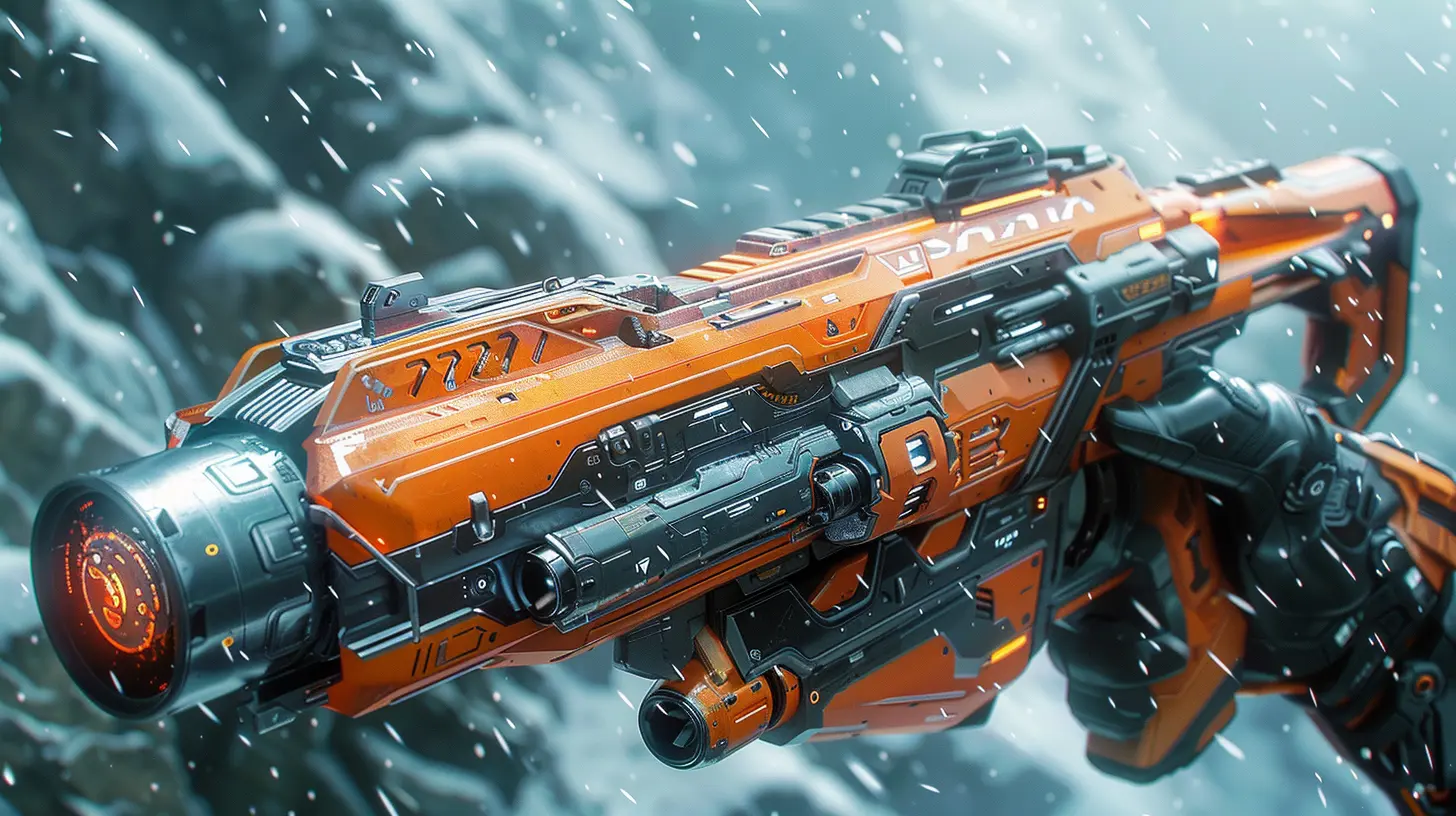
Emotional Attachment: Skins Tell Stories
Ever had a skin that reminds you of a clutch play, a first win, or a hilarious moment with friends? That’s called emotional attachment—and it's a real, powerful thing.Personalized Memories
You remember that one time you 1v4’d a squad in Warzone while using your gold-plated M4? That skin becomes a trophy. It’s like a digital badge of honor tied to a special moment.Nostalgia Factor
Older players often cling to legacy skins not just because they’re rare, but because they carry memories. Skins become time capsules. They remind you of where you were in life, who you played with, and what made those times special.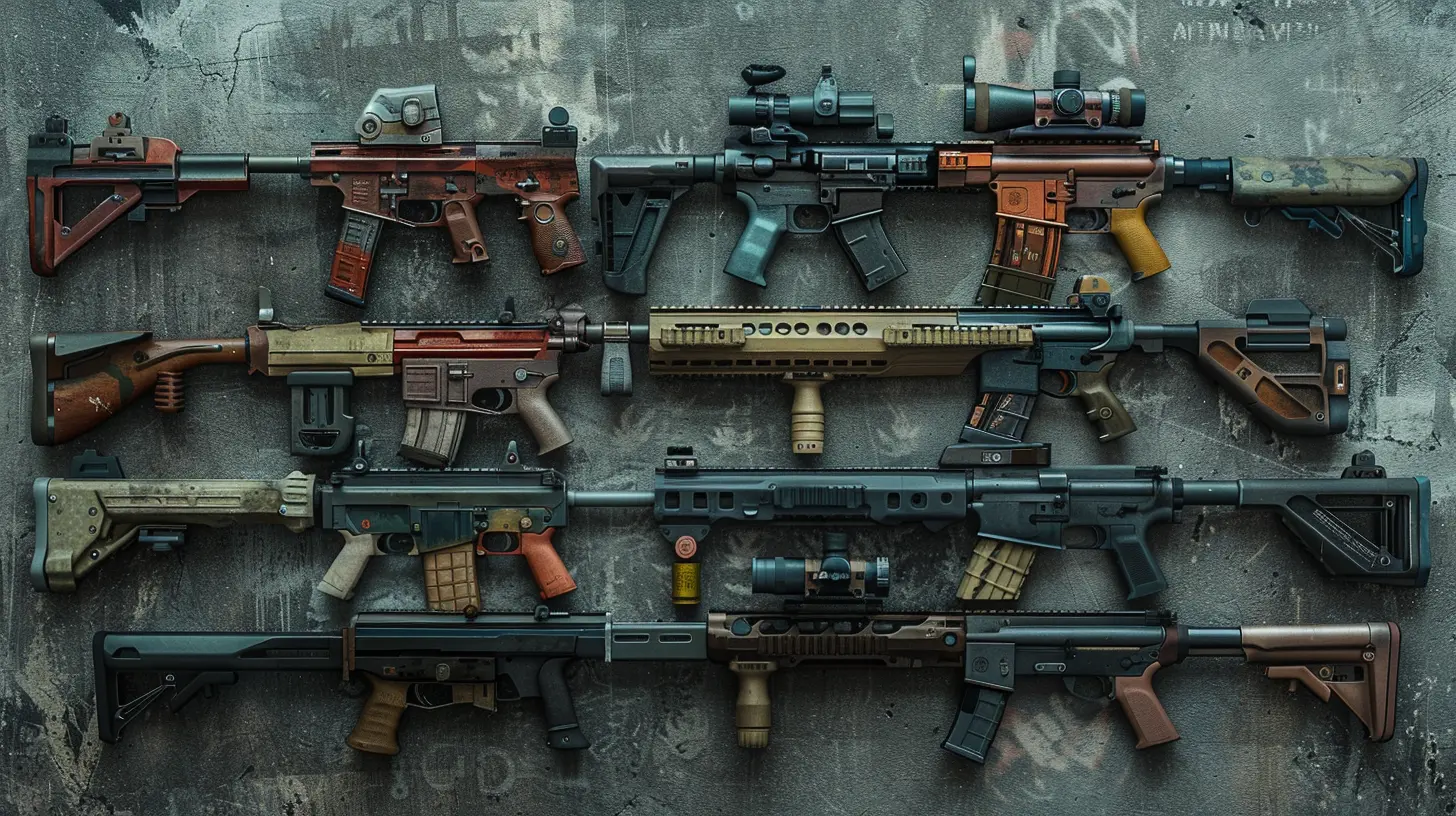
The Business Side: A Multi-Billion-Dollar Industry
Let’s talk cash. Gun skins and cosmetics aren't just a cool side feature—they’re the bread and butter of many game developers.The Rise of Microtransactions
Fortnite, Apex Legends, Valorant—all free to play, but they rake in millions (even billions) thanks to cosmetics. Players willingly spend real money on items that don’t boost stats—just looks.And why not? When you spend hundreds of hours in a game, dropping $10 on a wicked skin makes perfect sense. It’s like decorating your digital home.
Skins as a Marketplace
Games like CS:GO have thriving marketplaces where rare skins are bought, sold, and traded like collector’s items. Some sell for thousands of dollars. Not even joking.These digital items have real-world value, and in some cases, they even function like investments. The right skin can gain value over time based on rarity and demand.
Community, Creators, and Culture
Let’s not forget the community aspect. Skins bring people together in unexpected ways.Community-Driven Content
In games like CS:GO and Rust, community-created skins can actually make it into the game and earn the creators a share of the profits. That’s huge. Suddenly, players aren’t just consumers—they’re contributors.Streamer Influence & Trendsetting
If your favorite streamer starts using a certain skin, you can bet it’s going to trend. The influence creators have on cosmetic popularity is massive. They’re basically the fashion influencers of the gaming world.People want their game characters to look cool—not just for themselves, but for others watching. Whether you're streaming to thousands or just showing off to friends, your cosmetics become part of your gamer identity.
Skins as a Form of Digital Ownership
Here's a thought: what if skins are the closest thing we have to digital property?NFTs and Skins: Digital Collectibles
Without diving too deep down the NFT rabbit hole, there's crossover in how we view skins and digital art. They're limited, sometimes rare, and owned individually. With blockchain tech slowly creeping into gaming, gun skins could pave the way for true digital ownership.Imagine being able to carry your rare AK-47 skin from CS:GO into other games, or selling it on a universal marketplace. We’re not quite there yet, but the groundwork is being laid.
The Social Influence of Cosmetics
Ever gotten a friend to try a game just because of how cool your character looked? Yeah, cosmetics influence social circles too.Peer Pressure and FOMO
Let’s be honest—nobody wants to be the only one in the squad wearing default skins. When friends flex their latest unlocks, it creates a subtle form of pressure to keep up. That's the Fear of Missing Out (FOMO) in action.Believe it or not, this drives a huge chunk of cosmetic purchases. It's not just about looking good—it's about not being left out.
Skins as Conversation Starters
“Oh dude, where’d you get that?” is something you’ll hear in more lobbies than you can count. Skins are icebreakers. They're part of the social glue that binds players in squads, friend groups, and communities.The Future of Gun Skins and Gaming Cosmetics
We’re just scratching the surface. The future of in-game cosmetics is insanely bright, and it's evolving fast.Gamification of Skins
Future updates may include skins that evolve based on in-game achievements. Think reactive skins that change color when you get killstreaks or level up. That’s not sci-fi—it’s already starting to happen.Cross-Game Ecosystems
Studios are experimenting with the idea of transferable cosmetics. Imagine unlocking a skin in Apex Legends and rocking it in a completely different game under the same publisher. That kind of cross-platform compatibility could redefine how we view digital assets.AR and VR Integration
With the rise of AR and VR, cosmetics could become even more immersive. Instead of just looking at your character on a screen, what if you could walk around them, inspect them, and show them off in virtual space?We’re heading there. And skins will play a huge role.
Final Thoughts: They’re Not “Just” Skins
So, next time someone tells you that cosmetics don’t matter, you’ll know better. Gun skins and cosmetics are:- Emotional tokens
- Performance boosters
- Digital status symbols
- Economic assets
- Social tools
- Creative expressions
They’re baked into modern gaming culture in more ways than most people realize.
They may not change your damage numbers, but they sure as hell change how you feel, how you look, and even how you play. Cosmetics aren’t just about style—they’re about identity, pride, and the social heartbeat of gaming.
So, whether you're rocking a legendary skin or just got your first rare drop, own it. You’re not just customizing your character—you’re telling your story.
all images in this post were generated using AI tools
Category:
Shooter GamesAuthor:

Aurora Sharpe
Discussion
rate this article
1 comments
Skyler McVeigh
Who knew looking good while shooting would be the key to world peace? I'll take my sparkly gun over a boring one!
July 18, 2026 at 5:11 AM
Aurora Sharpe
It's true, sometimes a little flair can spark joy in unlikely places. A unique gun skin can definitely add some fun to the experience!