Why Classroom Games Encourage Better Peer Interaction
13 April 2026
Let’s be honest—we all remember those moments in school when the teacher said, “Today, we’re playing a game!” Suddenly, the classroom turned from a quiet, yawning arena of boredom into a buzzing hive of excitement. Eyes sparkled, chairs squeaked from the shift in attention, and even the shyest kid sat up straighter. But what was really going on beneath the surface of Uno cards, scavenger hunts, and trivia showdowns? Spoiler alert: it wasn’t just fun and games—it was powerful peer interaction in action.
In this article, we’re unpacking the surprisingly deep magic that happens when students engage in classroom games. So buckle up, grab your metaphorical game controller, and let’s find out why tossing a bean bag across the room might just be the MVP move in building better peer relationships.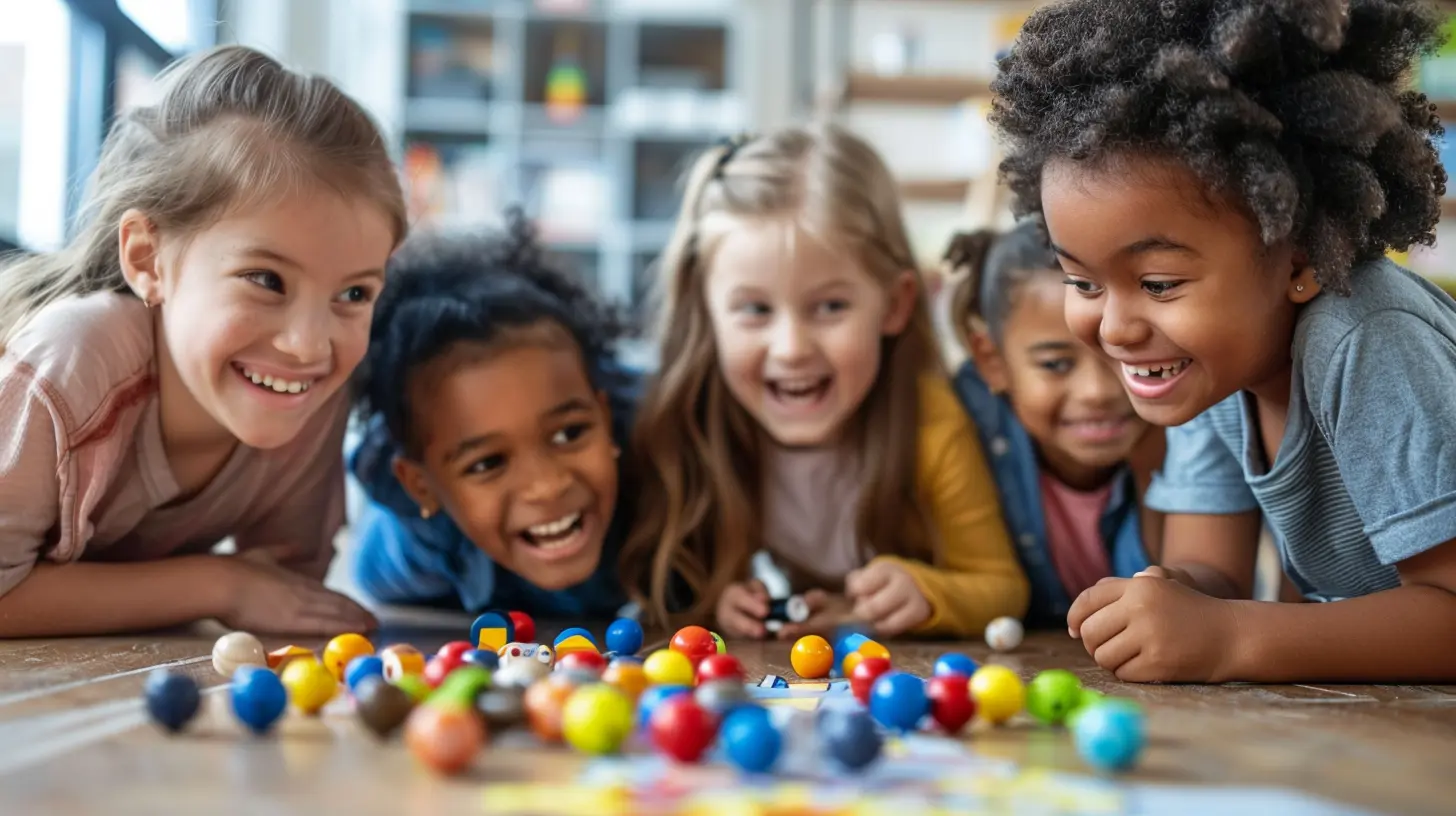
1. The Power of Play: More Than Just Fun
Games are like the ultimate social glue. They break down walls faster than icebreakers at a summer camp. When students play games together, they connect—sometimes without even realizing it. And that’s the secret sauce.Why It Works:
Think of it like a co-op video game. You aren’t going to beat the boss level unless you and your team communicate, strategize, and cheer each other on. Similarly, classroom games—whether it's a spelling bee with a twist or a math puzzle race—force students to talk, listen, and rely on one another. That’s golden for social development.And let’s be real—what other setting encourages a quiet kid to high-five someone they barely know because they nailed an answer on a pop culture trivia question?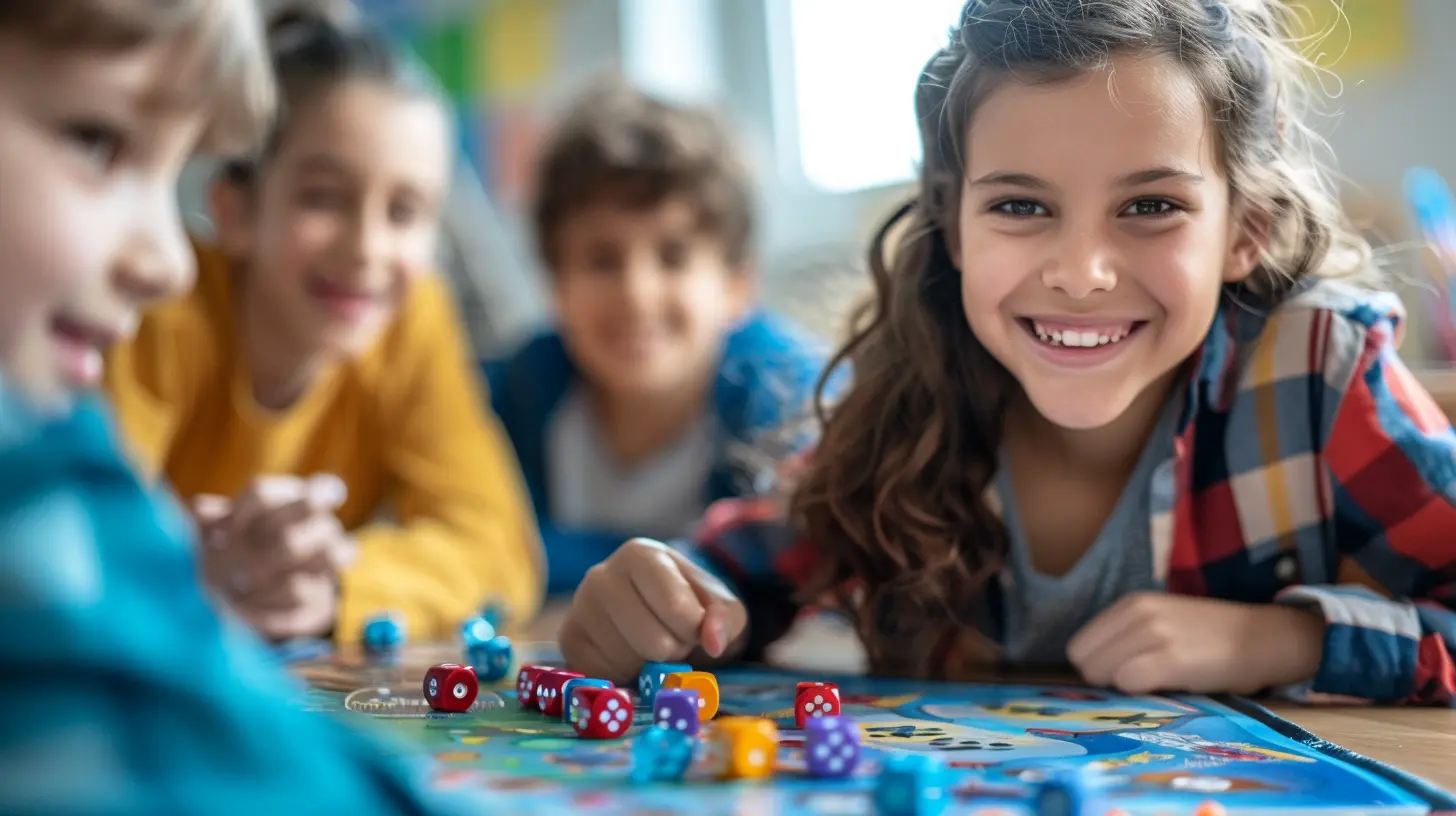
2. Breaking the Ice: Awkward No More
Remember the cringe of group projects where no one wanted to talk first? Yeah, games fix that.The Social Opener
Games create low-pressure, high-reward scenarios where students can interact naturally. That awkward tension evaporates when you’re all giggling through charades or shouting out answers in a Jeopardy-style quiz. Suddenly, Tim from the back row isn’t just “that guy”—he’s the teammate who got your team those last-minute points.Classroom games shift the vibe from “forced interaction” to “organic connection.” It’s like putting social interaction on training wheels—safe, supported, and surprisingly fun.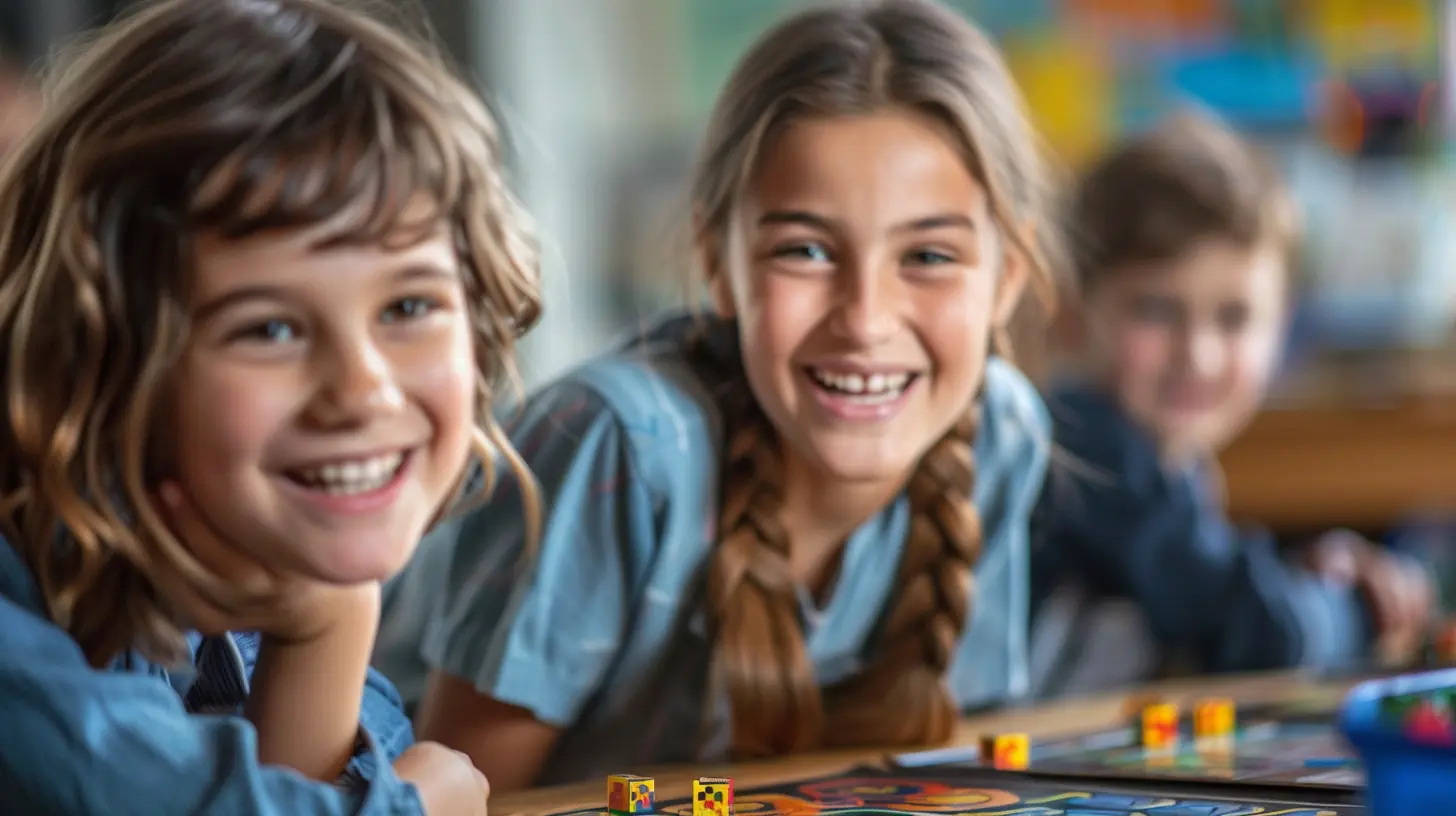
3. Putting the "Team" in Teamwork
No solo missions here. Many classroom games are built on collaboration, and teamwork is a one-way ticket to better peer relationships. Whether you're solving puzzles as a group or building the tallest marshmallow tower, you're in it together.Communication, Baby!
Here’s where the magic happens: students learn how to communicate their ideas, listen to others, negotiate roles, and resolve differences. That’s real-world stuff happening right there on the classroom floor. They’re not just playing—they’re soft-skill building like champions.So next time you see a classroom working on a game together, realize you’re watching future leaders in training… via a card game. Who knew?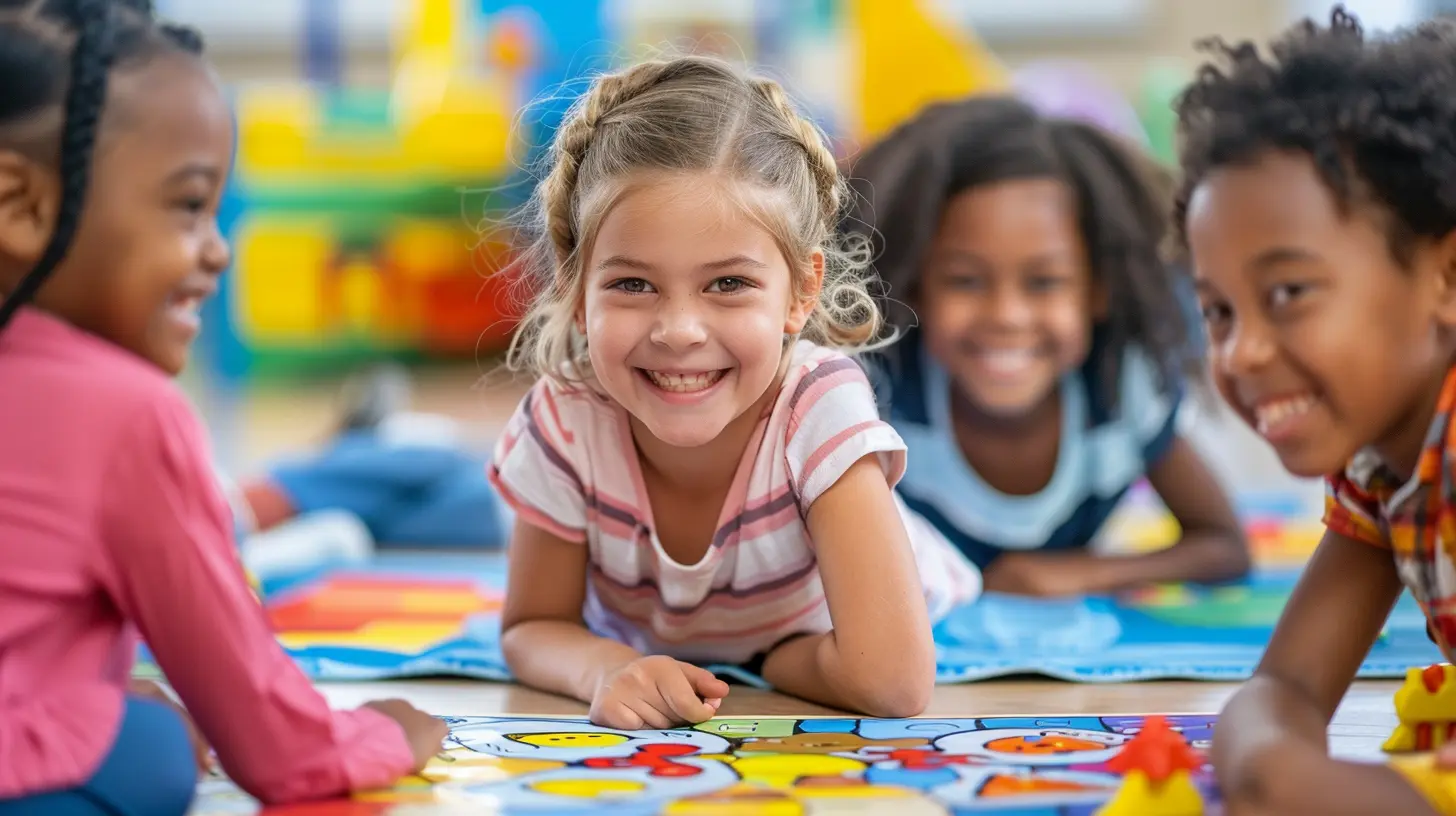
4. Everyone Gets a Moment to Shine
In traditional classrooms, some kids fade into the background like a poorly rendered NPC. But games? They change the dynamic.Unexpected Heroes
A normally quiet student might turn out to be a memory master in a matching game or the undisputed trivia king. Games shift the status quo and offer different types of intelligence and skills a moment in the sun.This shift boosts confidence and alters how peers view each other. Labels like "quiet" or "bad at math" start fading when students witness each other succeeding in unexpected ways. Suddenly, you’re not just a classmate—you’re the go-to for movie trivia or puzzle-solving.
5. Encouraging Empathy and Emotional Intelligence
Games are full of emotions—frustration when you mess up, excitement when you win, and disappointment when you come in second. But guess what? That’s a good thing.Feel All the Feels
Navigating those emotional moments with others builds emotional intelligence. Students learn to handle winning graciously, losing with dignity, and supporting peers through both. That's empathy in action.Think of it like emotional dodgeball—you’re learning when to throw support, when to catch a mood, and when to just dodge the drama.
6. Creating Shared Memories
Nothing bonds people faster than shared experiences—especially the joyful, chaotic kind that games almost always bring.Inside Jokes & “Remember Whens”
Ever notice how teams that play together stay together? Games create those “remember when Jonathan fell off his chair during Pictionary?” moments. These shared experiences build a class culture and spark camaraderie that outlasts the game itself.It’s less “these are my classmates” and more “this is my team.”
7. The Safe Space to Take Social Risks
Let's face it—making new friends or speaking up in class can be scarier than a horror-themed escape room. But games give students a buffer—a reason to interact.Risk Worth Taking
When interaction is part of the game, the social risk feels less risky. You’re not just talking to a peer out of nowhere; you’re asking a teammate to pass the card or guess your charade. The pressure's off, and suddenly, social interaction feels like part of the fun.For shy or anxious students, this is huge. It's like dipping a toe into the social pool instead of doing a cannonball into the deep end.
8. Promoting Inclusivity Like a Boss
The best classroom games are designed so that everyone can participate. It doesn’t matter how fast you run or how loud you speak—there’s a role for everyone.Level Playing Field
Games level out the playing field in the classroom. The “popular kid,” the “quiet genius,” and the “goofball” all have equal chances to contribute and shine. This promotes mutual respect and breaks down cliques.And when students see the value in everyone’s unique contributions, peer interactions get a lot more respectful—and a lot more real.
9. Goodbye Boring, Hello Engagement
Let’s be real: no one gets jazzed about worksheets. But throw the same math problems into a competitive game format and boom—everyone’s engaged.Engagement = Interaction
The more engaged students are, the more likely they are to interact—not just with the material, but with each other. Games make learning social. You're not just racing to answer; you're strategizing, laughing, and bonding.Engagement is the fuel. Interaction is the ride.
10. Reflection and Reinforcement
After a whirlwind game session, it’s not just “okay, back to your seats.” The post-game reflection stage is where deeper interaction happens.“What Worked?" vs. “What Didn’t?”
Discussing the game afterwards—what strategies worked, who led, what could improve—offers a classroom moment of collective growth. It reinforces the value of each person’s input and promotes constructive feedback among peers.It’s like a post-battle debrief in a video game. Everyone learns. Everyone shares. Everyone grows.
Wrapping It Up: Game On, Social Stars!
So, the next time you see a group of students playing a classroom game, don’t be fooled by the laughter and chaos. Beneath the dice rolls and dramatic charades, there's serious stuff happening. They're building connections, flexing their empathy muscles, learning to communicate, and creating shared memories that make school feel more like a community.Classroom games aren’t just about adding fun to the day—they’re about building bridges between students, one challenge, puzzle, and teammate at a time. And that, my friends, is the kind of interaction that sticks long after the game is over.
So here's to using Pictionary as a path to friendship, and charades as a shortcut to connection. Game on!
all images in this post were generated using AI tools
Category:
Games And Social SkillsAuthor:

Aurora Sharpe
Discussion
rate this article
2 comments
Sarah McCarty
This article raises fascinating points about the role of classroom games in enhancing peer interaction. I'm curious to see how different game types influence social dynamics and whether certain games work better for various age groups or learning styles. Great insights!
April 19, 2026 at 3:10 PM
Aurora Sharpe
Thank you for your thoughts! It's interesting to consider how game types can impact social dynamics and learning styles. I'll definitely explore that in future discussions.
Verity Curry
Great insights! Classroom games truly foster valuable connections among peers.
April 14, 2026 at 3:41 AM
Aurora Sharpe
Thanks for your feedback! I'm glad you found the insights valuable. Classroom games really do make a difference in building connections.