Using Games to Teach Respect and Fair Play
7 June 2026
Games are more than just fun and entertainment. Sure, they bring a thrill, give us a way to unwind, and sometimes offer a healthy dose of competition. But here’s the kicker—not enough people realize that games (yes, even the loud, chaotic ones) are powerhouse tools to instill respect and fair play in kids, teens, and even adults.
Whether it’s a team-based video game, a playground match, or a challenging board game, there's a golden opportunity to teach real-life values. So, if you’re a teacher, a parent, a coach, or just someone who loves gaming, this article is for you.
Let’s dive into how using games can shape respectful and fair-minded individuals—and why it totally works.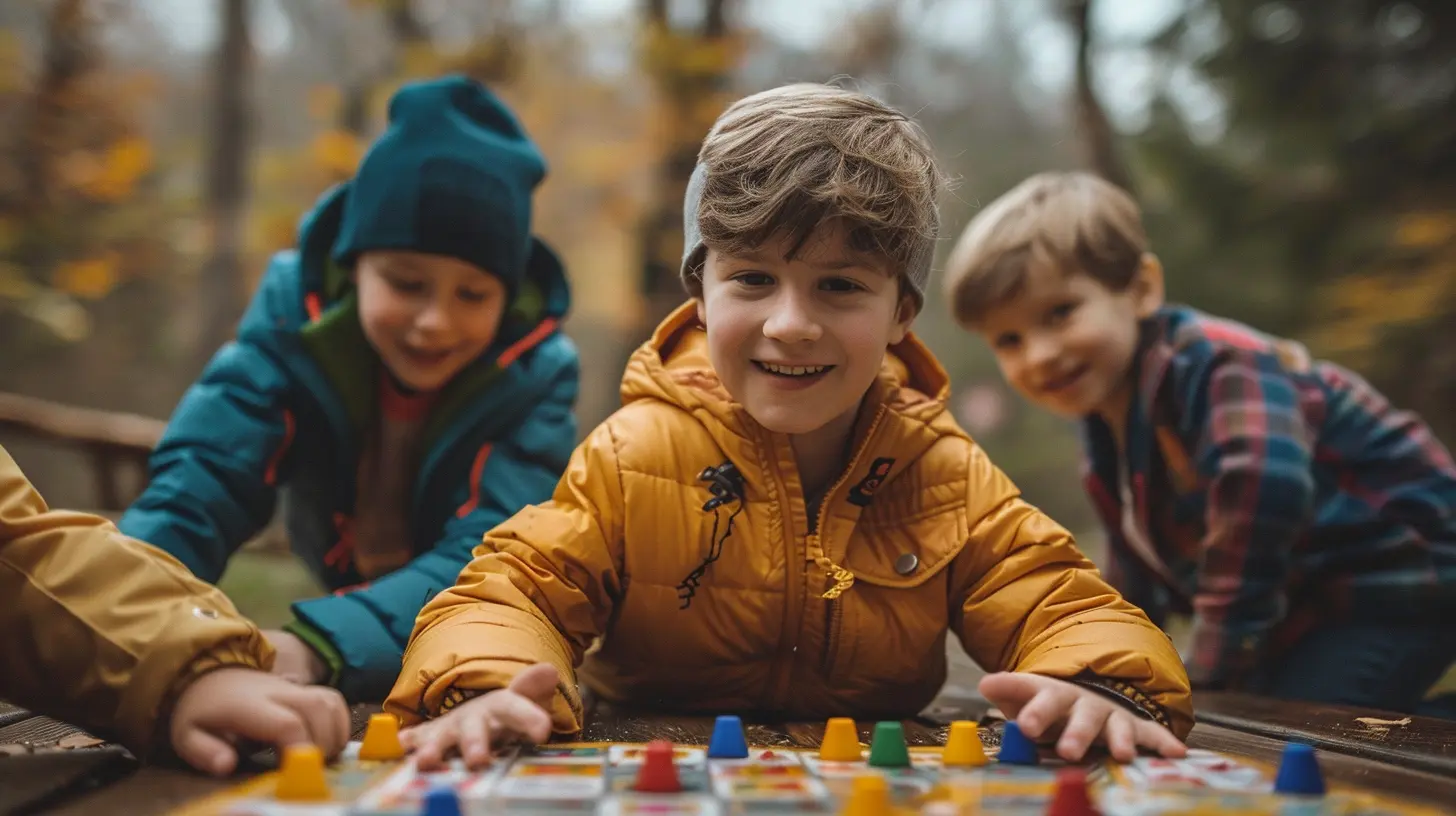
Why Games Are Perfect for Teaching Life Lessons
Let’s be real for a second. Teaching kids about values like fairness, respect, and empathy isn’t always a walk in the park. Lectures? Snooze-worthy. Textbooks? Dry as dust. But games? Now you’ve got their attention.Games Mimic Life—but in a Controlled Way
Games are like miniature versions of real life. They come with rules, challenges, roles, successes, and failures. Here's the beauty—they let players experience consequences without real-world risks. So when someone plays unfairly and loses... lesson learned, without any permanent damage.Feedback Is Instant
Ever seen a kid react after losing in a game because they cheated or ignored the rules? That’s instant feedback. Games don’t sugarcoat things. You either play right, or you lose out. This kind of real-time learning sticks way better than a lecture does.They Reinforce Positive Behaviors Through Fun
People, especially younger players, are naturally more open to learning when they're having fun. Respect, patience, and cooperation can be embedded into the gameplay itself, turning learning into a stealth mission. You’re teaching, and they don’t even realize it.
How to Use Games to Promote Respect and Fair Play
Okay, so we know games can teach values. But how exactly do we do that? It’s not just about tossing a ball and hoping for the best. Here’s the real deal.1. Choose the Right Kind of Game
All games aren’t created equal, especially when your goal is character building. Look for games that:- Require teamwork
- Have clear, fair rules
- Encourage communication
- Offer chances to win and lose gracefully
Examples:
- Video Games: Overcooked, It Takes Two, Rocket League
- Board Games: Pandemic, Codenames, The Resistance
- Physical Games: Capture the Flag, Dodgeball (with modified rules), Tug of War
These types of games push players to talk, strategize, and most importantly—treat each other respectfully.
2. Set the Tone Before Starting
Before a game even begins, lay down your expectations. Make it clear that respect and fairness are part of the rules. Just like you wouldn’t allow cheating, you won’t allow put-downs or trash talk either.You’re not just teaching gameplay; you’re guiding behavior. A quick 2-minute chat before a game can make a world of difference.
3. Model the Behavior You Want to See
Yep, this one’s on you. Whether you're refereeing, coaching, or even playing, your attitude sets the tone. Celebrate small moments of kindness. Call out sneaky good sportsmanship. And when someone messes up? Don’t explode—use it as a teachable moment.Remember, they're always watching. Be the player you'd want them to become.
4. Debrief After Gameplay
Ever finished a game and just moved on? That’s a missed opportunity. Take five minutes after the game to chat.Ask questions like:
- What did you enjoy most?
- Did anything make the game feel unfair?
- How did you feel when your team lost/won?
- Did anyone do something respectful you appreciated?
These reflections help players connect the dots between emotions, choices, and how their behavior affects others.
Examples of Respect and Fair Play in Different Types of Games
Let’s break this down by game type, because the way you teach respect in a board game isn’t always the same as in a sweaty gym match.In Video Games
Online games can get toxic real fast, right? But they don’t have to be.Tip #1: Use Co-Op Games
Games that force players to work together (like “It Takes Two”) are goldmines. There's no winning unless you communicate, share roles equally, and help each other out.Tip #2: Monitor Voice Chats
If you're an educator or parent, keep an eye (and ear) on how players talk online. Set rules upfront—no name-calling, no trash talk, and no blaming your teammate after a loss.In Board Games
With board games, interaction is face-to-face—which makes respect even more crucial.Tip #1: Focus on Turn-Taking
Waiting for your turn teaches patience. It’s a simple act of respect that reinforces that everyone’s voice (or move) matters.Tip #2: Encourage Congratulating Others
Win or lose, encourage players to say “good game” or shake hands. It might feel awkward at first, but it builds a healthy habit of acknowledging effort.In Sports and Physical Games
This one’s a no-brainer. Sports are the ultimate breeding ground for respect and fair play... but they can also turn ugly without guidance.Tip #1: Change the Language
Teach players to avoid words like “You suck!” or “That was cheating!” Instead, phrases like “Good try” or “Let’s work on that next time” keep the tone respectful.Tip #2: Rotate Roles
Let everyone try different positions or have a turn being team captain. This teaches empathy—when you’ve been the goalie, you think twice before blaming them next time.
Benefits of Teaching Respect and Fair Play Through Games
Wondering if all this effort is worth it? Spoiler alert: absolutely. Here’s what you and your players stand to gain.Better Conflict Resolution Skills
Games naturally create friction. That’s not a bad thing—it’s actually a great chance to practice handling disagreements constructively. Instead of shouting or quitting, players learn how to talk it out.Stronger Teamwork and Communication
When respect becomes the norm, communication improves. Players feel safe to speak up, share ideas, or admit mistakes. That kind of environment creates stronger, more cohesive teams—on and off the field.Emotional Resilience
Losing sucks. But learning to lose with grace? That’s character development in action. Games teach that failure isn’t the end—it’s a step in the journey. And that mindset is pure gold in real life.Tips for Parents and Educators
Let’s zoom out for a second. Whether you're at home, in a classroom, or managing an after-school program, here are some go-to tips to make the most out of game-based learning.Keep It Age-Appropriate
What works for a group of first-graders won’t necessarily fly with teens. Adjust the difficulty, complexity, and length of the game based on who you're teaching.Watch for Teachable Moments
Don’t let those off-hand disrespectful comments slide. A simple “Hey, that didn’t sound kind. Want to try saying that differently?” can redirect behavior without shaming anyone.Celebrate the Process, Not Just the Win
Praise effort, teamwork, and positive behavior just as much as you praise victories. When players see that respect and fair play earn attention, they’ll aim for them every time.Final Thoughts
Using games to teach respect and fair play isn’t just effective—it’s powerful. You’re not only helping players become better teammates in a game but also better people in life.From learning how to lose without meltdowns to cheering on a struggling teammate, games help mold empathy, patience, and integrity—all while keeping things fun and engaging. And in a world that could always use a little more kindness, that’s kind of a big deal.
So the next time someone says, "It’s just a game," you’ll know better. It’s a classroom in disguise.
all images in this post were generated using AI tools
Category:
Games And Social SkillsAuthor:

Aurora Sharpe
Discussion
rate this article
1 comments
Isabella Martin
Sure, because Mario says please!
June 8, 2026 at 4:51 PM
Aurora Sharpe
Absolutely, even small gestures in games can teach valuable lessons about respect and fairness.