Times the Villain Totally Stole the Spotlight
16 May 2026
Let’s face it—sometimes the bad guys are just more interesting. Whether it’s their tragic backstories, wickedly clever schemes, or straight-up style, villains often walk into a game and snatch the spotlight right from the heroes. They’re not just there to be defeated; they bring depth, drama, and let’s be honest—a whole lot of flair.
So what makes a villain stand out in a world filled with pixelated protagonists and overpowered heroes? Sometimes, it’s the gravitas. Sometimes, it’s charisma. And sometimes, it's just plain chaos. In this piece, we’ll dive into the times when villains in video games totally owned the stage, and made you secretly (or not so secretly) root for them.
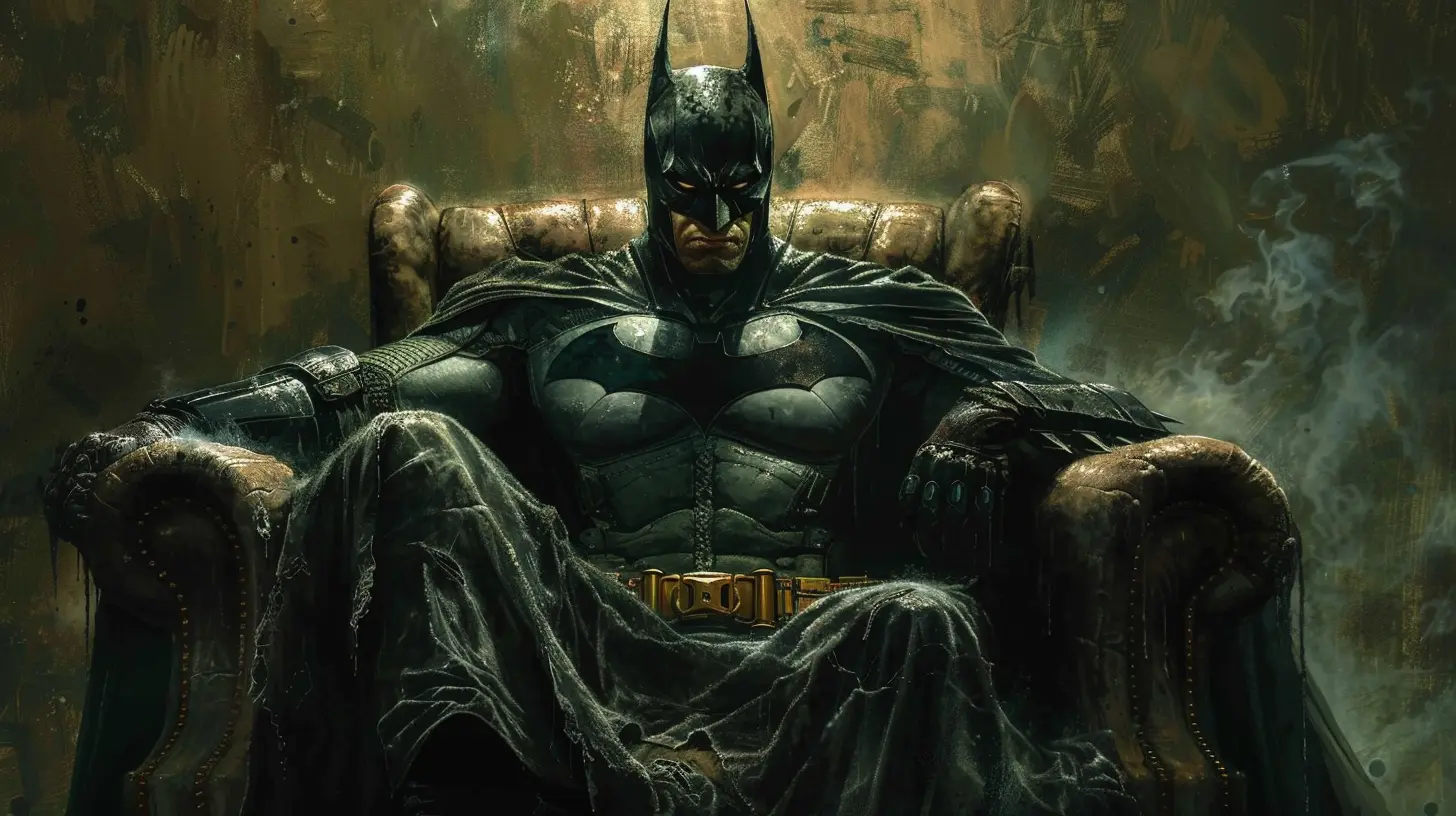
1. Handsome Jack – Borderlands 2
You know a villain has done his job when he makes you laugh while casually threatening to destroy you. Handsome Jack is the poster child of charismatic evil. He’s manipulative, narcissistic, and sadistically funny—and somehow, you just can’t get enough of him.He narrates much of your journey in Borderlands 2, constantly mocking you via intercoms, drones, or pre-recorded messages. Jack isn’t the kind of shadowy villain that hides behind pawns. Nope. He’s front and center, taunting you the entire time.
And by the time the credits roll, he’s not just a one-dimensional antagonist. He’s layered. You understand his twisted sense of justice, and even though you’ll never agree with him, you get where he’s coming from. That’s villainy done right.
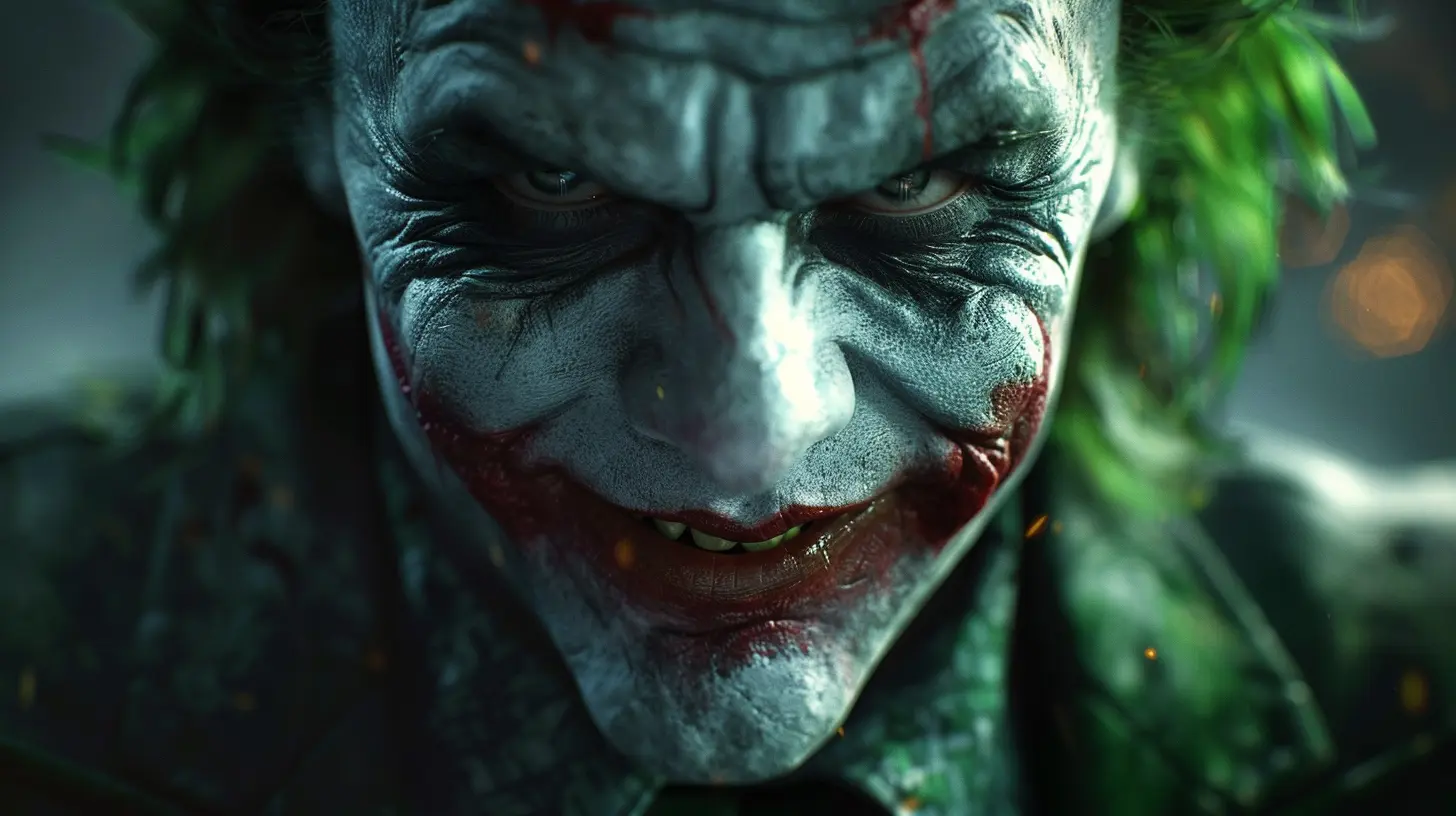
2. Vaas Montenegro – Far Cry 3
Remember the definition of insanity? Yeah, thanks to Vaas Montenegro, that phrase is seared into every gamer's brain. Vaas doesn’t just steal the show—he owns it, flips it upside down, and lights it on fire.From the moment he shows up in Far Cry 3, there’s an unmistakable energy shift. You stop wondering about the plot and start waiting for the next unpredictable, explosive scene with Vaas. Played masterfully by Michael Mando, he brings a level of intensity that elevates every line and every stare into something iconic.
Honestly, Vaas was so good that most players didn’t care he wasn’t even the final boss. He left such a massive impact that many consider him the ultimate face of Far Cry, even years after the game’s release.
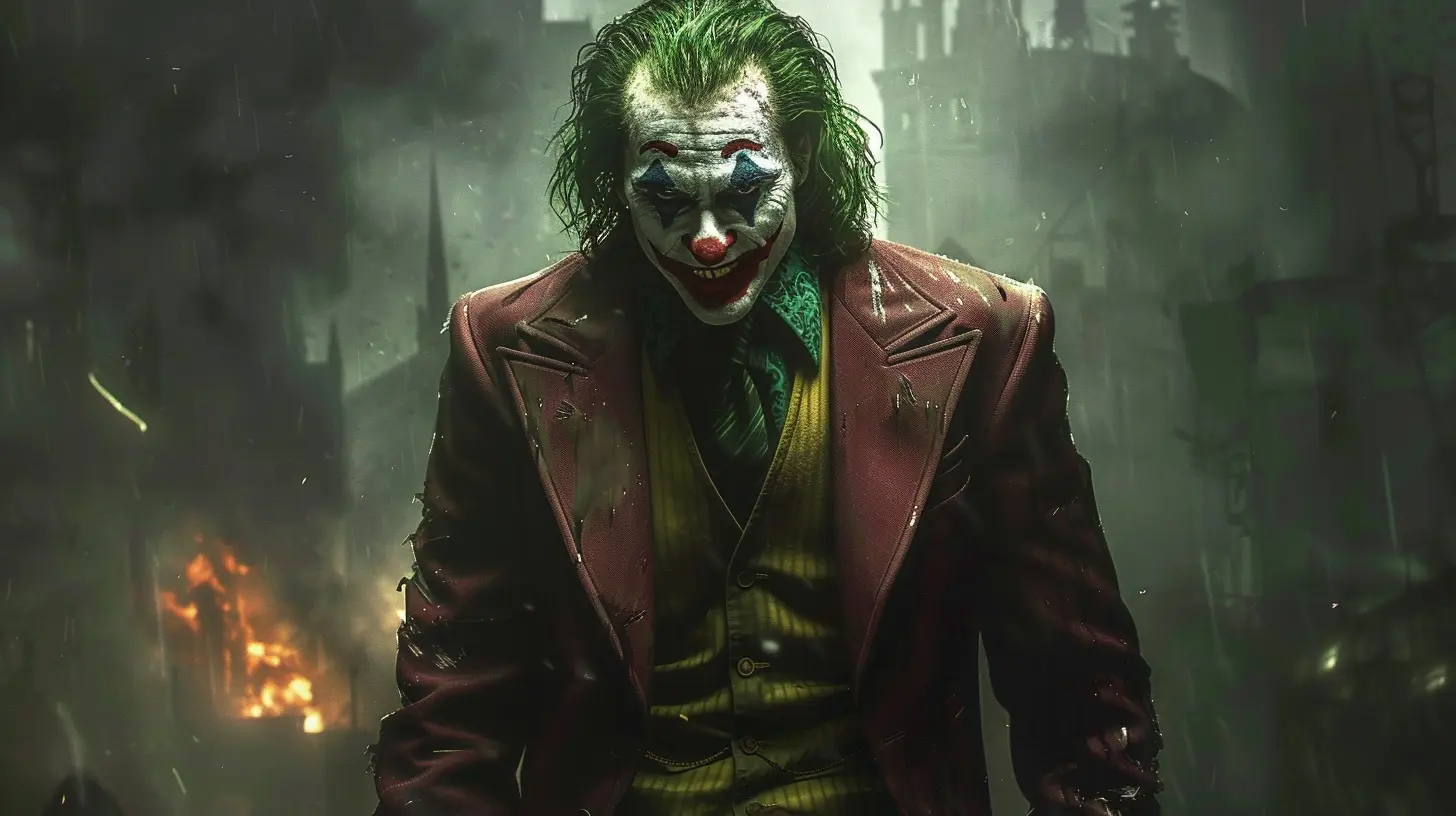
3. Sephiroth – Final Fantasy VII
Ah, Sephiroth. The silver-haired, one-winged angel of destruction. If you’ve played Final Fantasy VII, chances are you still remember that haunting moment in Nibelheim or that legendary boss battle with his epic theme playing in the background.Sephiroth isn’t just visually iconic—he’s emotionally resonant. His fall from hero to madman is one of the most compelling arcs in RPG history. He’s not evil for the sake of it; he’s a broken soul trying to reclaim what he thinks is his destiny.
And let’s be real: when your villain has an orchestral theme that sends chills down everyone’s spine? That’s a spotlight-stealer through and through.
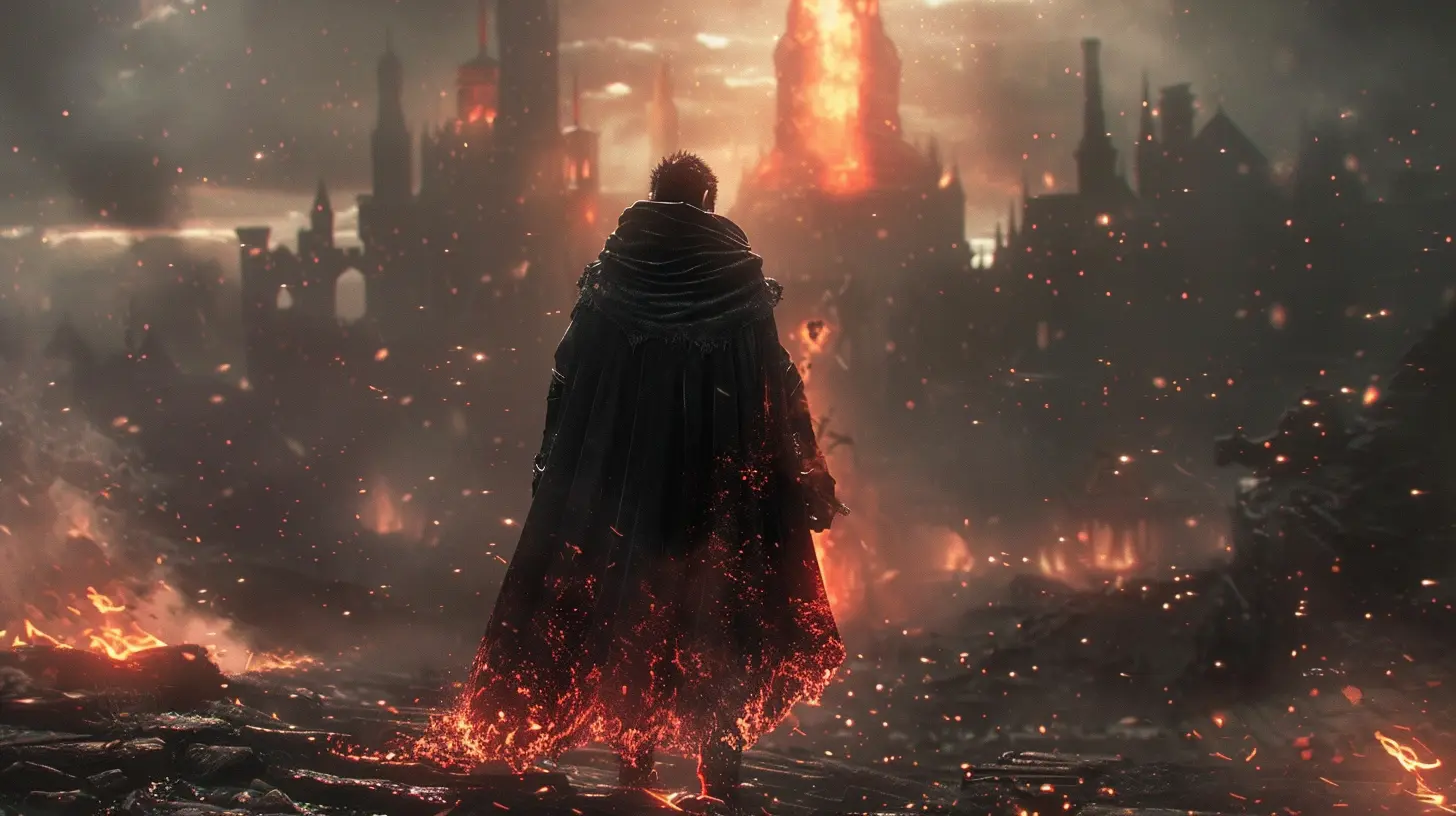
4. Arthas – Warcraft III / World of Warcraft
Watching Arthas’s slow descent into darkness is like binge-watching a tragic Netflix series. You already know the ending is going to hurt, but you can’t look away.What makes Arthas so captivating is how relatable his intentions were at the start. He wasn’t a cartoon villain. He was a prince who wanted to save his people. But with every choice he made, he stepped deeper into the void, eventually becoming the dreaded Lich King.
In World of Warcraft: Wrath of the Lich King, facing him felt personal. Because players weren’t just fighting a boss—they were confronting the broken remains of a once-beloved hero. That emotional weight? Pure spotlight material.
5. GLaDOS – Portal Series
She’s sarcastic. She’s homicidal. She’s a literal AI going rogue. GLaDOS is unlike any other villain out there—and that’s exactly why we can’t get enough of her.In Portal and Portal 2, GLaDOS uses her dry wit and passive-aggressive snark to turn what could’ve been a simple puzzle game into a psychologically rich experience. Her commentary is equal parts hilarious and unnerving, keeping you engaged to the very last portal.
The genius of GLaDOS is how she evolves. She’s not just an evil computer bent on destruction. She's layered, unexpectedly vulnerable at times, and weirdly relatable in her bitterness. And let’s not forget her deadpan delivery. It’s like HAL 9000 and a stand-up comic had a baby—with wires.
6. The Joker – Batman: Arkham Series
If you’re going up against Batman, you better bring your A-game. The Joker? He brings the whole alphabet. Especially in Arkham Asylum and Arkham City, he’s the dark (and deeply twisted) glue holding the storyline together.Voiced by the legendary Mark Hamill, this Joker isn’t just a side villain—he’s constantly with you, inside your head, and pushing every psychological button he can find. He’s funny, cruel, bizarre, and somehow... charming?
Even after his death in Arkham City, he comes back in Arkham Knight as a hallucination. And let me tell you—ghost Joker somehow manages to be even more compelling. That’s not just stealing the spotlight. That’s haunting it.
7. Dutch van der Linde – Red Dead Redemption 2
Sometimes, the villain was your friend all along. Dutch van der Linde is a masterpiece of a morally gray character. He starts out as a father figure, a mentor, a revolutionary. But slowly, his ideals fracture, revealing a paranoia and narcissism that consumes everything.Watching Dutch unravel over the course of Red Dead Redemption 2 is like watching a slow-motion car crash—you know it’s coming, but you're still holding out hope. And that's what makes him hurt so much.
Dutch isn’t your stereotypical antagonist. There’s a humanity to him that’s hard to ignore. And despite all the pain he causes, part of you still remembers the man he used to be. That emotional pull? That’s when you know the villain has truly stolen the show.
8. Andrew Ryan – BioShock
Would you kindly agree that Andrew Ryan is one of the best-written villains in gaming history?What starts off as a mysterious voice and a noble idea turns into a full-blown philosophical breakdown. Andrew Ryan isn’t just a villain—he’s a symbol. His ideologies, his dream of Rapture, and his eventual downfall are commentary on the dangers of unchecked ambition.
The “Would you kindly” twist is gaming legend at this point. It flipped the script on player agency and redefined villain storytelling. Ryan didn’t need a boss fight to make an impact. He defeated you before you ever knew you were playing.
9. Gaunter O’Dimm – The Witcher 3: Hearts of Stone
Now here’s a villain you might not expect on this list—but oh boy, he earns it.Gaunter O’Dimm, also known as “Master Mirror” or “The Man of Glass,” is straight-up terrifying. Not because he’s strong, or loud, or gory—but because he’s quiet. He’s patient. He plays the long game. Like a devil from a fable, he manipulates with contracts and riddles and loopholes.
What makes him especially spotlight-worthy is how much control he has. In a world already filled with monsters and warlords, Gaunter stands apart because he doesn't just beat your character—he toys with your soul. Literal evil, wrapped in poetic charm.
10. Pagan Min – Far Cry 4
Stylish, flamboyant, and ruthlessly unpredictable—Pagan Min is the kind of villain who can serve you tea one second and execute a soldier the next.He doesn’t appear much throughout the game, but every time he does, he commands full attention. And let’s not forget: if you just sit still at the beginning of the game and wait, Pagan Min literally finishes the story for you in under 15 minutes. Who else does that?
He’s the kind of character that makes you wish Ubisoft gave him more screen time. When a villain makes you wanna take his side just because he’s so entertaining? Yeah, he definitely stole the spotlight.
Why Do Villains Outshine Heroes?
Ever noticed how heroes rarely change, but villains almost always evolve? Heroes follow a path—they save the world, defeat evil, redeem themselves. But villains? They challenge the status quo. They bend the rules. And sometimes, they even make a tiny bit of sense.It’s not just about shock value either. Great villains spark reflection. They force players to question motives, morality, and sometimes even their own choices. You’re not just fighting them—you’re learning from them. And when they’re gone, the game often feels just a little less alive.
Wrapping It Up
Let’s not pretend anymore—sometimes the villain is just way more fun to watch. From twisted philosophies to unforgettable voice work, certain antagonists manage to completely take over the narrative, hijack our emotions, and leave a legacy that rivals (or even surpasses) the heroes.So next time you're playing and find yourself rooting for the "bad guy,” don’t feel guilty. They’re written to be irresistible, and honestly? We wouldn’t have it any other way.
all images in this post were generated using AI tools
Category:
Best Gaming MomentsAuthor:

Aurora Sharpe
Discussion
rate this article
2 comments
Oscar McVeigh
Villains often bring a unique energy to games, captivating players with their charisma and depth. Moments when they overshadow heroes can create unforgettable experiences, challenging our perceptions of good and evil. While this narrative twist can enhance storytelling, it also raises questions about character development and player engagement. A fascinating topic to explore.
June 18, 2026 at 3:03 PM
Aurora Sharpe
Absolutely! Villains can be the heart of a story, making us rethink our views. Those standout moments when they outshine heroes definitely leave a lasting impact on players. Great points!
Oliver Pacheco
Villains often have the most compelling stories, turning chaos into a captivating performance. Their complex motivations and moral ambiguity leave players questioning not just the game, but the nature of good and evil.
May 22, 2026 at 4:25 AM
Aurora Sharpe
Absolutely! Villains bring depth to stories, making us rethink our views on good and evil. Their complexity keeps us engaged and often rooting for them.