The Subtle Art of Voice Acting in Minimalist Indie Games
15 November 2025
When we think of voice acting in video games, our minds often wander to sprawling AAA titles with cinematic cutscenes and bombastic performances. You know, those blockbuster games where characters scream, cry, shout, and monologue like they're auditioning for an Oscar. But what about the quiet, understated magic of voice acting in minimalist indie games? It's a fascinating and underrated art form that deserves some love. So, let’s dive into this world and unpack how voice acting in indie games can hit harder than a triple-A explosion fest.
Why Voice Acting in Indie Games Feels Different
First of all, let's address the elephant in the room: indie games are not working with Hollywood budgets. They're like that scrappy underdog—think David versus Goliath—except instead of a sling, they’ve got creativity and a whole lot of heart. This often means minimalist indie games focus on simplistic visuals, subtle design choices, and gameplay mechanics that resonate emotionally. Voice acting, in this context, isn’t about flexing vocal chops with long-winded speeches. It’s about delivering raw, authentic, and impactful performances that fit the game's tone perfectly.In minimalist indie games, less is more, which applies to the voice acting too. Indie developers don't need triple-layered sound booths or celebrity voice actors to create performances dripping with personality. Sometimes, it’s just a whisper, a sigh, or a few heartfelt lines that tell you everything you need to know. And honestly? That restraint hits harder than any explosion ever could.
The Role of Voice Acting in Storytelling
Imagine this: You’re playing a visually minimalist indie game. There’s no sprawling open world or a detailed character creator—just pixel art landscapes and an ambient soundtrack. Suddenly, a soft-spoken voice cuts through that minimalism, guiding you or sharing a story. It draws you in, right?Voice acting in indie games often plays a more intimate role than in large-scale titles. Instead of bombarding you with endless dialogue, it might be a single sentence that carries the entire emotional weight of the game. These lines are often carefully chosen, like a poet picking the perfect word. It’s not about how much is said—it’s about the what, the how, and the when.
Take games like Journey or Firewatch. While not strictly minimalist, they use voice acting sparingly yet effectively to evoke strong emotions. In truly minimalist titles, even a wordless sigh or a strained inhale can deliver a wallop of emotional context. It’s like hearing the quiet creak of an old wooden floor—it’s subtle, but it sticks with you.
Emotion Over Perfection: The Secret Sauce
Here’s the deal: perfection isn’t the goal in minimalist indie voice acting. The goal is relatability and rawness. A lot of indie developers deliberately avoid the hyper-polished vocal stylings of big-name actors. Instead, they lean into performances that feel a little messy, a little human. It’s like listening to your friend tell you a story with their guard down—authentic and unfiltered.Take a game like Celeste. While the dialogue is presented in text form, the game cleverly uses short vocal bursts—grunts, sighs, and melodic tones—to bring its characters to life. These brief audio cues manage to convey more depth and emotion than you'd expect. And that’s the beauty of indie games: they take the road less traveled and make every step count.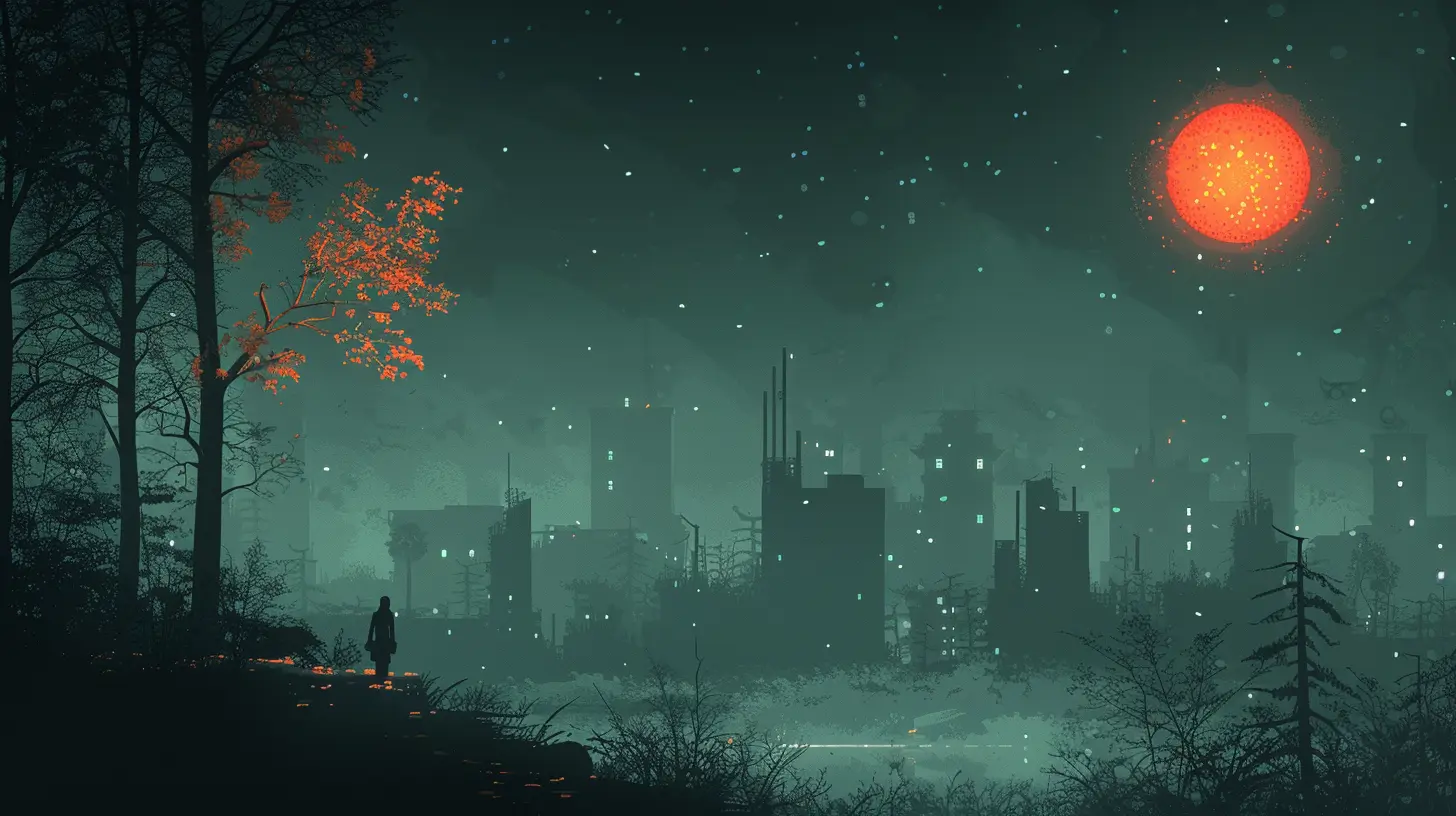
The Power of Silence in Voice Acting
Okay, let’s talk about what might seem counterintuitive: silence. Silence is an often-overlooked element in voice acting, especially in minimalist indie games. Unlike Hollywood blockbusters, which fill every second with sound, indie games aren’t afraid to let their voice actors take a break. And honestly, those quiet moments can be the most powerful.Picture this: your character just experienced a heartbreaking loss. Instead of a melodramatic monologue, there’s silence with only the sound of soft breathing. Then, a single choked word breaks through. Doesn’t that hit harder than a five-minute sobfest? Silence gives weight to the words that follow—it’s like the pause before thunder in a storm. Indie developers use this technique masterfully, trusting the player to fill in the gaps with their imagination and emotions.
Examples of Minimalist Indie Games with Stellar Voice Work
Let’s give some props to the indie games that nailed the art of voice acting:1. Oxenfree
Oxenfree is a supernatural thriller with a small cast of characters, each brought to life by impeccable voice acting. The game’s dialogue system feels natural, almost like you’re eavesdropping on a real group of friends. The voice acting adds layers to the characters, making their banter, fears, and conflicts feel authentic. It’s not flashy—it’s subtle, and that’s what makes it brilliant.2. Night in the Woods
While the game features text-based dialogue, the occasional sound effects accompanying the characters (like Mae’s anxious murmurs) add a layer of personality. This minimalist approach blends perfectly with the game’s themes of mental health and the struggles of young adulthood.3. Journey
Even though there’s no spoken dialogue in Journey, the vocalizations in the game’s sound effects feel alive. Your character’s soft, melodic chirps act as a form of voice and connection, creating an emotional bond between players without the need for traditional dialogue.4. Inside
If ever there was a masterclass in less-is-more, it’s Inside. The game is almost eerily quiet, but the occasional gasp or grunt from your character feels like an emotional lifeline. The sparseness of sound makes every noise stand out, pulling you deeper into its haunting world.The Challenges of Indie Voice Acting
Of course, pulling off stellar voice acting on an indie budget isn’t easy. Indie developers often have limited resources, which means they can’t always hire professional voice talent. Many times, developers themselves step into the recording booth. While this can lead to some rough edges, it also lends a handmade charm to these games.Recording conditions can also be tricky. Forget fancy soundproof studios—sometimes, recordings happen in cramped apartments with blankets draped over furniture for makeshift acoustics. Yet, despite these challenges, indie developers still manage to deliver unforgettable performances. Why? Because they care deeply about their stories and the emotions they want to evoke. And passion, my friends, can’t be faked.
Why It Works: The Indie Player’s Mindset
Minimalist indie games thrive on their unique ability to connect with players on a deeper level. Let’s face it: if you’re playing an indie game, you’re not here for photorealistic graphics or over-the-top action sequences. You’re here for the feels, the stories, and the heart. Voice acting in these games complements that mindset perfectly. It’s not there to dazzle or overwhelm—it’s there to make you feel something real.As players, we’re more forgiving of unpolished moments in indie games because we can sense the love and creativity that went into them. Voice acting that might come across as “amateur” in a big-budget game often feels intimate and sincere in an indie context. It’s like listening to a heartfelt acoustic cover instead of the overproduced radio hit—it just hits different.
Closing Thoughts: A Quiet Revolution
Voice acting in minimalist indie games might not get the same spotlight as its big-budget counterparts, but it’s quietly changing the way we experience storytelling in games. It’s proof that you don’t need a star-studded cast or a million-dollar studio to create something meaningful. Sometimes, all it takes is a soft-spoken word, a well-timed pause, or even just a sigh to leave a lasting impact.So, the next time you boot up a minimalist indie game, take a moment to appreciate the subtle art of its voice acting. Behind every line, gasp, or silence, there’s a small team of creators who poured their hearts into making you feel something. And isn’t that what gaming is all about?
all images in this post were generated using AI tools
Category:
Voice Acting In GamesAuthor:

Aurora Sharpe
Discussion
rate this article
2 comments
Derek Lynch
This article brilliantly highlights how minimalist indie games leverage voice acting to enhance emotional depth. The subtle nuances in performance can transform simple narratives into deeply immersive experiences, showcasing the art behind minimalism.
April 16, 2026 at 4:40 AM
Aurora Sharpe
Thanks for your insights! I'm glad you appreciate the impact of voice acting in enriching minimalist storytelling. It truly elevates the whole experience.
Evelyn Tucker
Is silence truly golden, or do whispers hold deeper truths? Discover how minimalist indie games weave profound narratives through the delicate dance of voice acting.
November 19, 2025 at 5:40 PM
Aurora Sharpe
Silence can enhance the poignancy of a story, but whispers often reveal layers of emotion and meaning, making minimalist voice acting a powerful tool in indie games.