The Science of Hitboxes and Accuracy in Shooters
17 August 2026
Ever taken a shot in your favorite shooter, swore it should’ve hit, but it somehow missed? Yeah, we’ve all been there. Whether you're a casual gamer or a hardcore competitive one, understanding the science behind hitboxes and accuracy in shooters can take you from rage-quitting to dominating the lobby. It’s not just about aim – it's about how the game registers that aim, and trust me, it’s more technical than just "point and click."
In this article, we’ll peel back the layers behind hitting your target. We’ll dive into how hitboxes work, what "accuracy" really means in a virtual world, and why sometimes the shot you made with pinpoint precision just doesn't land. Ready to become a digital sharpshooter? Let’s break it all down.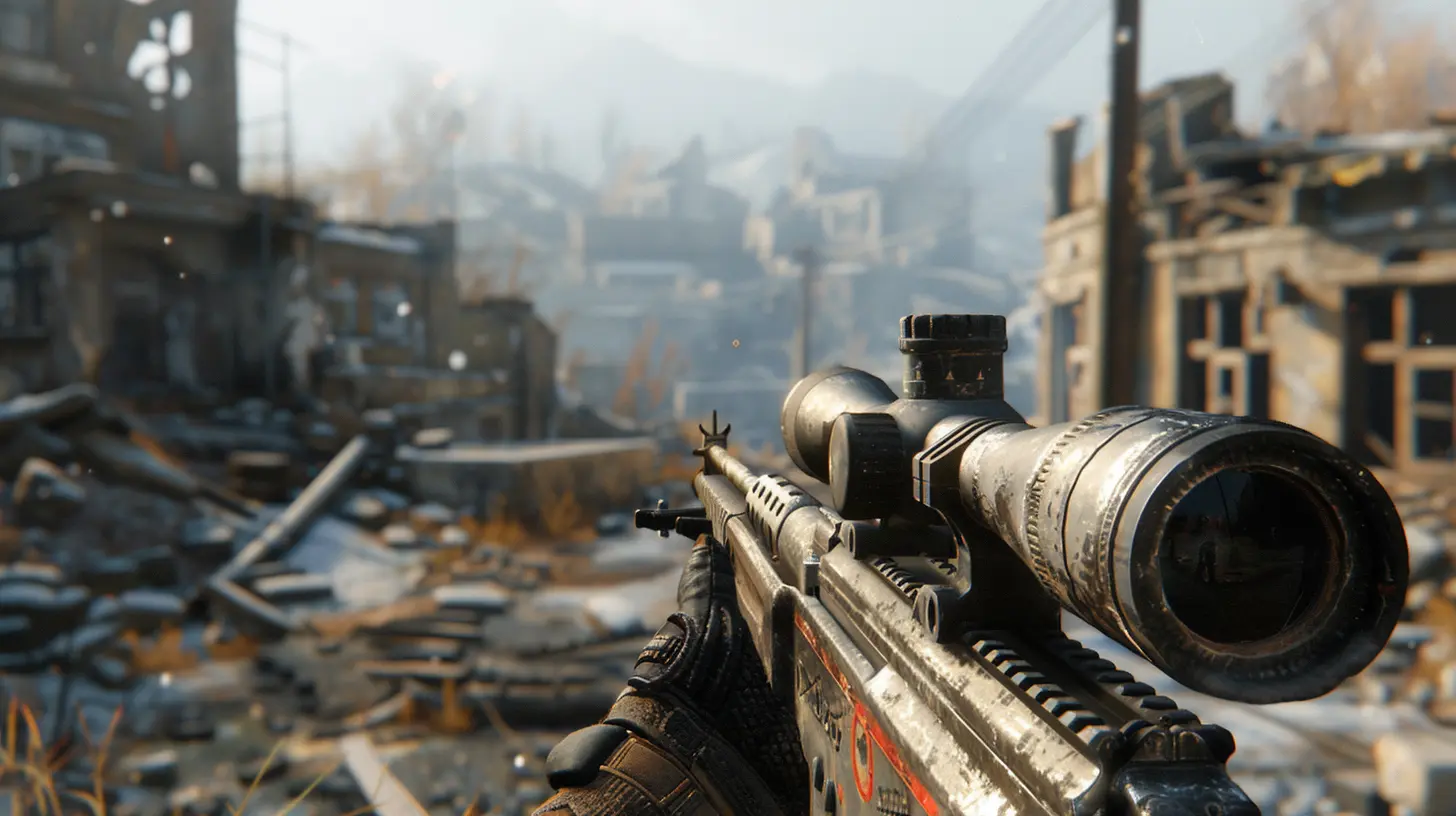
What Exactly Are Hitboxes?
Let’s start with the basics. Think of hitboxes as invisible shapes wrapped around a character or object in a shooting game. This is what your bullets are actually hitting — not the character model itself, but this outlined (often rectangular or capsule-like) boundary.Hitboxes vs. Character Models
Here’s the kicker: what you see isn’t always what you hit. Visual models give you the illusion of realism, but the game engine calculates hits based on these invisible shapes. So yes, you might “shoot the shoulder,” but if the hitbox ends at the neck, no dice.And guess what? Different games define hitboxes differently. Some go for ultra-precise per-limb detection (looking at you, Escape From Tarkov), while others simplify it into a few large segments or even a single body-shaped blob.
Types of Hitboxes
- Head Hitbox – Critical zone. Usually gives bonus damage. Precision counts.- Torso Hitbox – The biggest section. Most shots land here.
- Limb Hitboxes – Often do less damage.
- Extended Hitboxes – Occasionally include gear or accessories… or even bugs. Yeah, bugs.
Why does this matter? Because knowing where these zones are – and how your game handles them – lets you aim smarter, not harder.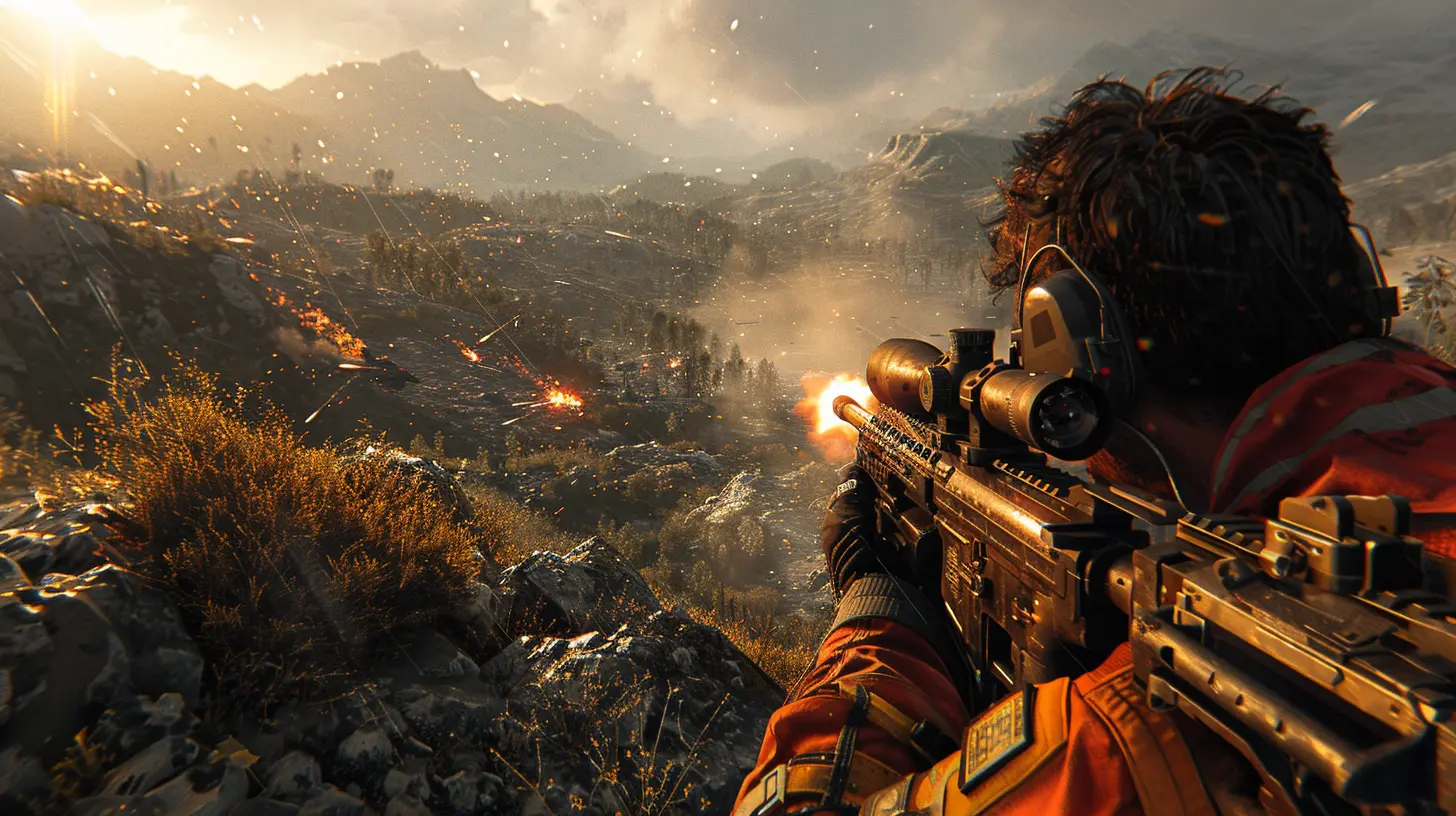
The Anatomy of a Hit
Alright, now that we’ve talked about where you're supposed to be aiming, let’s talk about how your shot actually interacts with those hitboxes.The Role of Bullet Registration
When you pull that trigger, a few things happen behind the scenes:1. Your crosshair location is used to fire a “ray” (a line) from your gun's barrel or your camera, depending on the game.
2. That ray travels until it hits a surface—or a hitbox.
3. When it hits a hitbox, the game registers it as a successful shot.
4. The server confirms the hit based on its own calculations and sends back the result.
Yes, you read that right—the server has the final say. And that leads us perfectly into...
Hit Registration and Latency: The Unseen Battle
Ever notice how sometimes you're convinced you landed a shot, but nothing happens? That sneaky beast is called latency.Client vs. Server Side
Some games use client-side hit detection, where your local machine decides "hey, that’s a hit!" Great for responsiveness, but easier for cheaters to exploit.Others rely on server-side detection, where every shot has to be verified by the main server. This is fairer but can feel sluggish, especially with high ping.
Lag Compensation
Then there's lag compensation, which is basically the server trying to play time traveler. It checks where the enemy was when you fired—not where they are now. This helps even things out, but it can make for some strange moments.Ever been shot after ducking behind cover? Yep. That’s lag comp doing its thing.
Accuracy: It’s Not Just About Your Aim
If hitboxes determine what you can hit, accuracy governs whether your shot goes where you actually aimed.Recoil and Spread
Let’s kill a myth right now: Just because you're aiming doesn’t mean your bullets go straight.- Recoil is the screen shake or movement from firing back-to-back.
- Spread refers to how bullets randomly deviate from the center of your aim. Think of it like a shotgun blast — not all pellets go dead center.
Most games simulate this to keep things balanced. Otherwise, everyone with a steady hand would just laser-beam through walls.
Bloom Mechanics
Some shooters, especially arcade-style ones like Fortnite, introduce bloom – a mechanic where your accuracy decreases the longer you fire. The reticle widens, and bullets scatter. It’s a way to prevent spraying and reward burst-fire control.Wanna get better? Learn your game’s bloom and recoil patterns like the back of your hand.
Bullet Travel Time and Hit Delay
It’s tempting to think of bullets as instant, but many games model bullet velocity and drop.- Hitscan Weapons: Bullets arrive the moment you fire. Think of snipers in Call of Duty.
- Projectile Weapons: Bullets take time, and they arc. Think Apex Legends or PUBG.
Understanding this can be huge. Using a sniper in a projectile-based shooter? Lead your target. Don't aim where they are. Aim where they’re going to be.
The Headshot Debate: Fair or Frustrating?
Let’s talk about headshots. They’re the gold standard. Quick kill, mad respect.But are they always fair?
Some players argue that the high damage makes them overpowered, especially when the hitbox is generous. Others say they reward skill.
Developers constantly juggle this. Some games even remove headshots for balance (Rainbow Six Siege has toyed with this).
So the question becomes: do headshots create engaging skill expression, or just high-stress gameplay? That depends on the game’s design philosophy.
Hitboxes and Cheating
You know we had to go here.Hitboxes are one of the most exploited parts of a game’s code. Wallhacks, aimbots, and hitbox expanders exist purely to manipulate or abuse them.
Aimbots, for example, don’t “aim” in the human sense. They scan for hitbox coordinates and instantly flick to them. It's artificial perfection.
That’s why well-coded hitbox systems—and solid anti-cheat engines—are so important. They keep the battlefield level… or at least as level as it can be.
Tips to Improve Your Accuracy (Without Blaming the Hitboxes)
Okay, we’ve been nerding out on the science, but let’s get practical. Here's how YOU can start landing more shots:1. Know the Game's Mechanics
Every shooter handles hitboxes and accuracy differently. Want to get good? Study your game. Boot up a private lobby and test how bullet spread works or how big enemy hitboxes feel.2. Practice with Intention
Don’t just grind games. Use aim trainers like Aim Lab or Kovaak’s, but focus on micro-adjustments, target switching, and precision. Warm up before jumping into ranked.3. Optimize Your Settings
High DPI? Low sensitivity? Find what’s comfortable for YOU. Also, lower your input lag — higher refresh rates and response times really make a difference.4. Anticipate Movement
Especially in games with projectile physics, prediction is everything. Lead your shots. Use movement cues. Develop that sixth sense.The Future of Hitboxes and Accuracy
With tech evolving, some developers are pushing for even more realistic hitbox setups. Full-body physics, dynamic hit detection based on animations, and even destructible armor zones are being tested in newer titles.Expect to see hitboxes become more organic and accurate, and maybe even influenced by AI. Imagine adaptive enemy models that slightly shift shape based on how you play. Sounds wild? It's already in development in some circles.
Final Thoughts
The next time you get into a firefight, remember—it's not just reflexes and reaction time at play. There’s a whole invisible layer of math, physics, and logic dancing in the background. Hitboxes decide what can be hit. Accuracy determines if you land it.Understanding this system isn’t just cool—it makes you a better player. When you know how the game "thinks," you can play smarter, react faster, and, yeah, maybe rage a little less when your headshot doesn’t register.
So go out there, tweak your aim, and remember: it’s not magic, it’s science.
all images in this post were generated using AI tools
Category:
Shooter GamesAuthor:

Aurora Sharpe