The Role of Games in Conflict Resolution Training
27 July 2026
Let’s face it—conflict is part of life. Whether it’s a heated debate at work, a miscommunication in a relationship, or tension within communities, conflict shows up everywhere. But what if we told you that games—yep, the same ones we play for fun—are turning out to be some of the most effective tools in teaching people how to navigate and resolve conflict?
Welcome to the unexpected (but totally compelling) world where gaming meets real-world skills. We're diving deep into how games are being used in conflict resolution training—and why they're killing it.
? Wait, Games? For Conflict Resolution?
Absolutely. And not just any games. We’re talking about a wide range—from digital simulations to board games to role-playing scenarios. These aren't your typical Monopoly or Call of Duty sessions (though even they might teach you a thing or two!). These are purposefully designed experiences that mimic real-life conflict situations—without the real-life consequences.Sounds wild, right? But it makes perfect sense. Think about it: games are immersive, interactive, and engaging. They throw you into situations where you have to think fast, communicate well, and—most importantly—handle conflict as it unfolds.
? The Psychology Behind It
Let’s break it down. Games work well in conflict resolution training because they:- Lower emotional stakes: People are more willing to take risks and try new approaches when there's a “reset” button.
- Encourage perspective-taking: Many games have players switch roles or play opposing sides, which boosts empathy—essential for resolving conflict.
- Provide instant feedback: Make a poor decision? You’ll likely see the outcome immediately, helping you learn quicker and smarter.
- Build emotional resilience: Players learn to manage frustration, setbacks, and differing opinions—core skills in effective communication and conflict resolution.
You’re essentially training your brain in a safe, structured environment.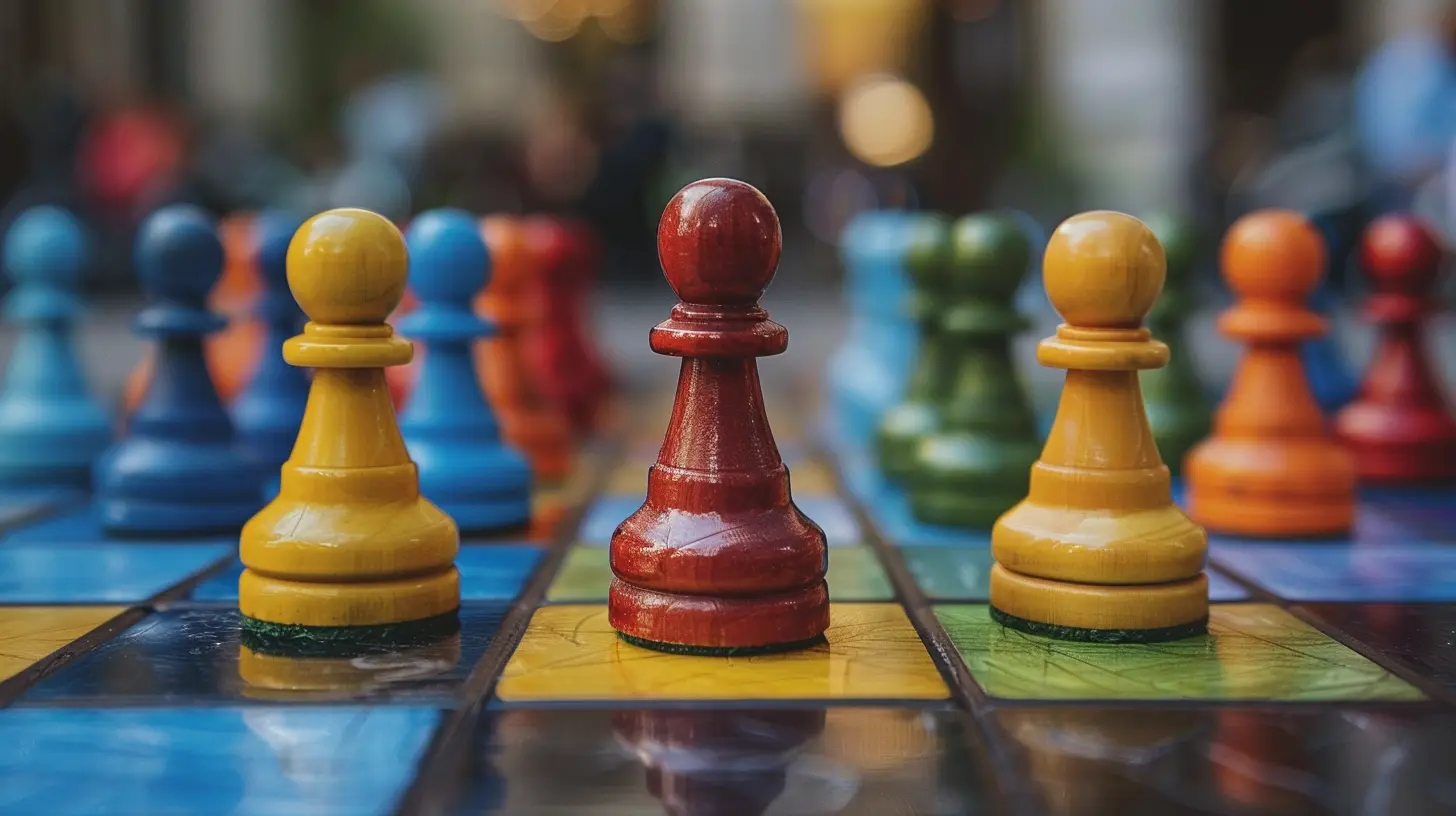
?️ Different Types of Games Used in Conflict Resolution
1. Role-Playing Games (RPGs)
These are goldmines for conflict training. Whether tabletop or digital, RPGs force players into collaborative storytelling where communication, negotiation, and compromise are the name of the game.In many RPGs, you're playing a character with goals that might conflict with others'. The only way forward? Talk it out, find common ground, or figure out how your actions impact the group.
Ever played Dungeons & Dragons? That game isn’t just about slaying dragons—it’s a crash course in group dynamics and collaborative problem-solving.
2. Simulation Games
Sim games like “Peacemaker,” which explores the Israeli-Palestinian conflict, drop players into the hot seat of world leaders. You get to feel the heat of political tension and try to juggle diplomacy, cultural nuance, and stakeholder interests.It’s brutal. It’s real. And it drives the lessons home like nothing else.
3. Board Games and Card Games
Believe it or not, tabletop games are making a comeback in educational and corporate settings. Games like “Keep Cool” and “The Negotiation Game” simulate real-world scenarios where players must collaborate, compete, and compromise, all while managing limited resources or opposing viewpoints.They’re accessible, engaging, and perfect for group sessions.
4. Gamified Workshops & Serious Games
These are structured training sessions that include game elements like scoring, competition, and progression. They're often custom-designed for specific teams or communities facing real conflicts—from schools dealing with bullying to corporations navigating workplace tension.Think of it as bootcamp, but way more fun.
? Real-World Impact: Where It’s Already Working
Let’s talk results. This isn’t just theory—games are being used right now to transform conflict training.In Schools
Educational games promoting social-emotional learning are being used to teach kids how to identify feelings, resolve disputes, and speak up without lashing out. Tools like “Social Express” or “Mission US” offer narrative-driven, choice-based gameplay to guide youth through emotionally charged decision-making.In the Military
The U.S. Army has long used simulations to train for negotiation, cultural sensitivity, and rules of engagement. Games like “Tactical Iraqi” help soldiers learn how to defuse situations using language and empathy—not bullet rounds.In Corporations
Corporate training has gone gamified too. Instead of boring PowerPoints and awkward roleplays, companies are investing in interactive platforms that utilize avatars and branching narratives to train employees in conflict management. Think HR meets Call of Duty—minus the violence.In Conflict Zones
NGOs are working with game developers to bring conflict resolution games to communities traumatized by violence. These games become tools for healing, understanding, and building bridges across fractured populations.Crazy? Nope. Groundbreaking.
? Why Are Games So Effective?
Here’s the million-dollar question. What makes games stick where lectures and books don't?1. They’re Engaging as Hell
Let’s be honest—no one wants to sit through a three-hour seminar on conflict theory. But make it a game where you're a tribal leader trying to save your people during a crisis? Now you’ve got their attention.2. They Promote Active Learning
You’re not just sitting and absorbing. You’re doing. Making choices. Failing. Learning. That’s how real growth happens.3. They Normalize Conflict
Games make conflict feel like a challenge to be solved—not a personal attack. That subtle mental shift is everything.4. They Build Skills Without the Pressure
Mess up in a real conflict at work and you might get fired. Mess up in a game? You hit “restart.” It’s a low-risk, high-reward environment for skill development.? How to Use Games in Your Own Conflict Training
So you’re sold. You want in. How do you start?Step 1: Define Your Goals
Are you trying to teach negotiation? Teamwork? Emotional regulation? Your goal will determine the type of game that fits.Step 2: Choose the Right Game
Do your homework. There are tons of games out there. Start small—maybe a card game or digital app—and scale up as you see results.Step 3: Debrief After Play
This is crucial. The magic often happens in the post-game discussion. What happened? What decisions were made? What would they do differently next time?It turns gameplay into growth.
Step 4: Keep It Fun and Inclusive
The goal is to learn, not to win. Make sure players feel safe, respected, and heard. Conflict training is about building connection, not creating more drama.? The Future of Conflict Resolution Training Is Game-Driven
We're living in a world packed with friction—socially, politically, and interpersonally. And we're starting to realize that traditional training just isn't cutting it anymore.Games are the breath of fresh air the industry needed. They’re immersive, memorable, and ridiculously effective. From classrooms to boardrooms to war zones, games are proving they’re not child’s play—they’re the future of soft skill development.
So, the next time someone scoffs at games, remember this: they might just be the tool that teaches humanity how to talk it out instead of tearing it apart.
⚡ Final Thoughts
Who knew your love for games could actually make you a better communicator, negotiator, or team player? The role of games in conflict resolution training is expanding by the day, and for good reason—they work.They break down walls, build empathy, and make real-world practice feel like second nature. So whether you’re an educator, HR manager, peacekeeper, or just someone tired of awkward confrontations—maybe it’s time to press "play".
all images in this post were generated using AI tools
Category:
Games And Social SkillsAuthor:

Aurora Sharpe