The Role of Aesthetics in Game Design: Beyond Just Looking Good
21 January 2026
When you think about video games, what’s the first thing that comes to mind? For some, it’s the addictive gameplay. For others, it’s the epic storytelling. But let’s be real—if a game looks like it crawled out of a time machine from 1995 (and not in a charming retro way), it might not even make it past your Steam wishlist. Aesthetics play an undeniably vital role in game design, but they’re about way more than just making a game "pretty." They shape how we feel, how we play, and even how we remember the experience.
Let’s dive deep into why aesthetics matter so much in game design—and why it’s about more than slapping on a shiny coat of paint.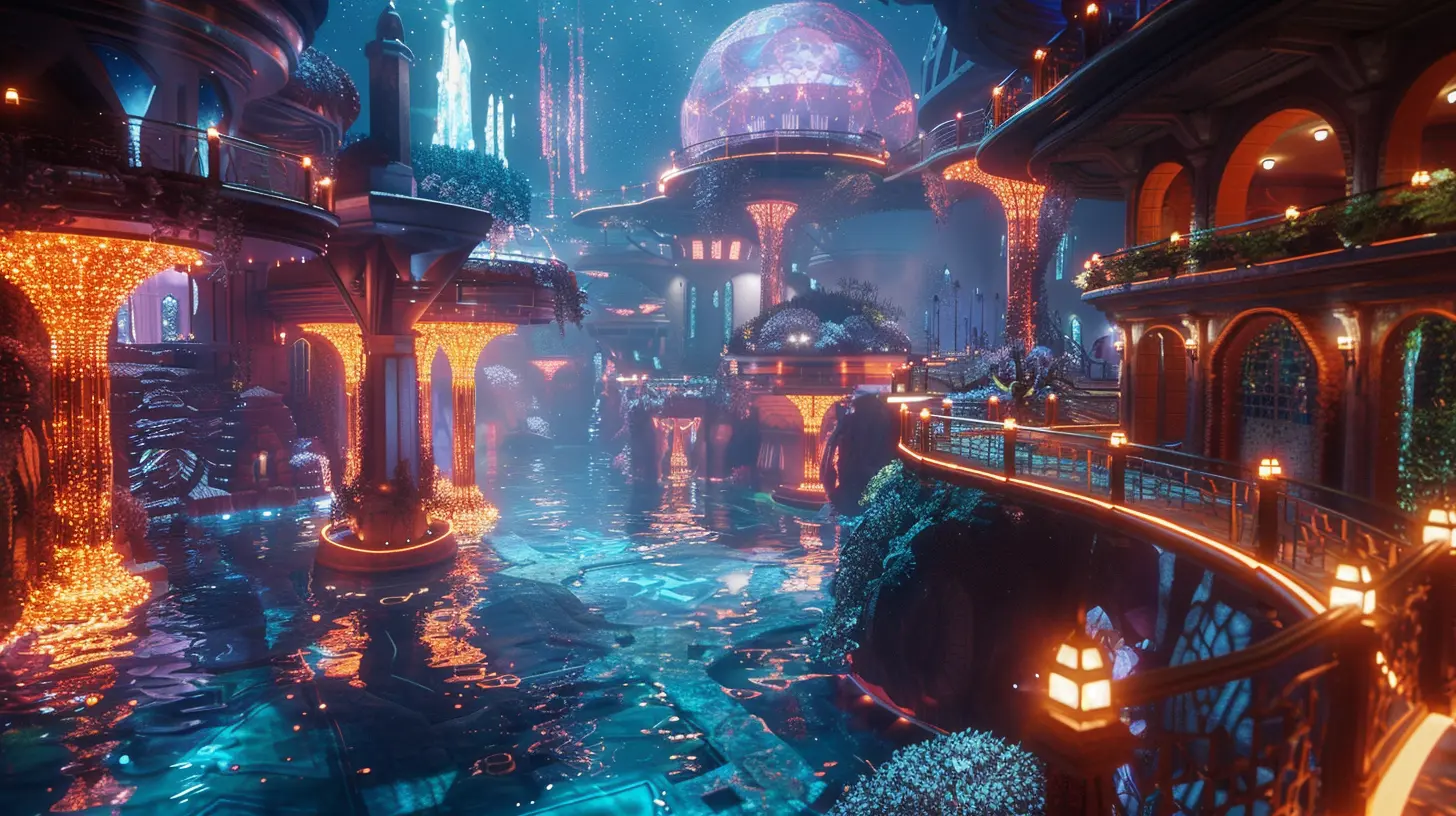
What Do We Mean by "Aesthetics" in Games?
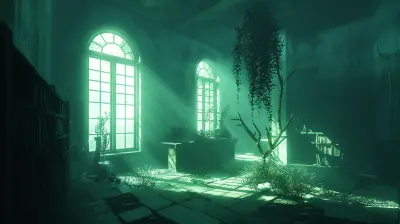
First off, let’s clear something up. When we say “aesthetics,” we’re not just talking about high-resolution textures, realistic character models, or jaw-dropping particle effects (although those are awesome). Aesthetics in game design encompass everything related to the visual, auditory, and even tactile (think haptic feedback) elements that define the feel of a game.Picture this: You’re playing a horror game with murky lighting, eerie background music, and dilapidated environments. You feel on edge, right? Now imagine playing the same game, but everything is brightly lit, the soundtrack is cheerful, and the protagonist is a cartoon character with googly eyes. Totally different vibe, huh? That’s the power of aesthetics—they set the tone and immerse us in the world.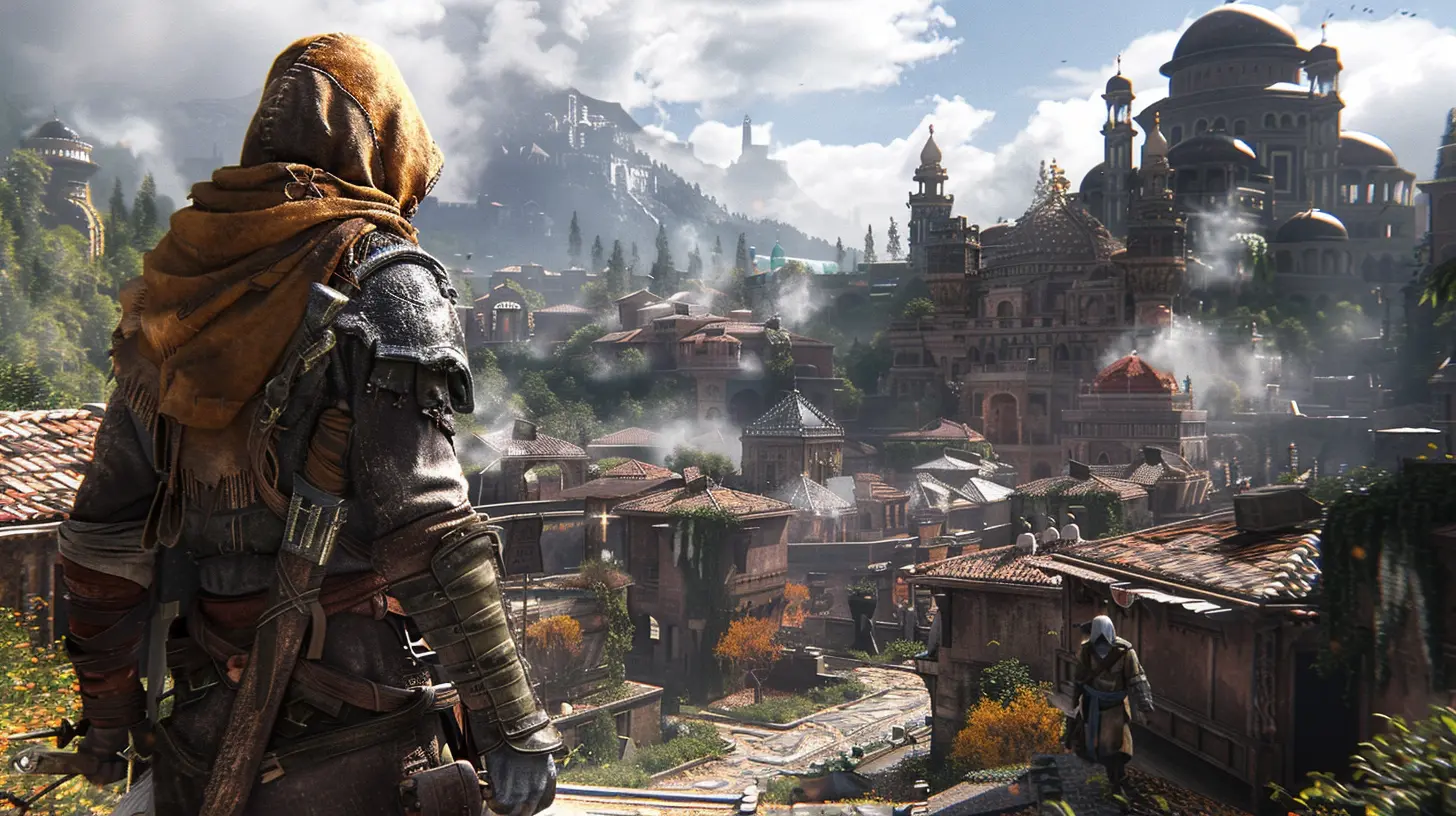
Why Aesthetics Are Not "Just for Show"
1. They Create Emotional Connections
Aesthetics are like the secret sauce that makes a game stick in your brain. They don’t just hit your eyes—they hit your heart. Think about Journey—a masterpiece of minimalist design. It used flowing scarves, vast deserts, and a transcendent soundtrack to convey emotions so powerful they didn’t even need words. That’s the magic of aesthetics—they can make you feel something.Without good aesthetics, a game might still function, but it won't resonate. It’s the difference between eating a plain piece of toast and biting into a perfectly frosted slice of cake with sprinkles. Sure, the toast does the job, but the cake? That’s an experience.
2. They Define the Game's Identity
Let me ask you this: If you saw a screenshot of Cuphead, would you instantly know where it’s from? Of course, you would. That’s because its 1930s cartoon-inspired art style is so unique, it’s practically iconic. Aesthetics are what make a game stand out in an ocean of titles.Games like Hollow Knight or Persona 5 don’t just rely on gameplay to draw people in. They have a style so distinct, it’s like their fingerprint. Without these defining aesthetics, they’d risk blending into the crowd. And we all know, blending in is never fun.
3. They Shape Gameplay
Aesthetics aren’t just about eye candy—they can impact how a game is played. For example, in Dark Souls, the oppressive environments and bleak atmosphere don’t just look cool (or terrifying). They reinforce the difficulty and hopelessness of the game, making your victories feel even sweeter.On the flip side, take Animal Crossing. Its pastel colors, rounded shapes, and soothing music promote relaxation. You don’t feel rushed; you feel at home. The aesthetics of a game can subtly guide how you interact with its mechanics.
4. They Grab Attention First
Let’s not beat around the bush—first impressions matter, especially in gaming. With thousands of titles out there, players need a reason to stop scrolling and say, “Hey, what’s that?” A game with eye-catching visuals or a unique aesthetic can stop someone in their tracks, even before they know what the game is about.It’s like walking into a bakery. The cakes in the window have to look mouthwatering enough for you to step inside. Once you’re in, sure, the taste matters, but aesthetics are what got you through the door in the first place.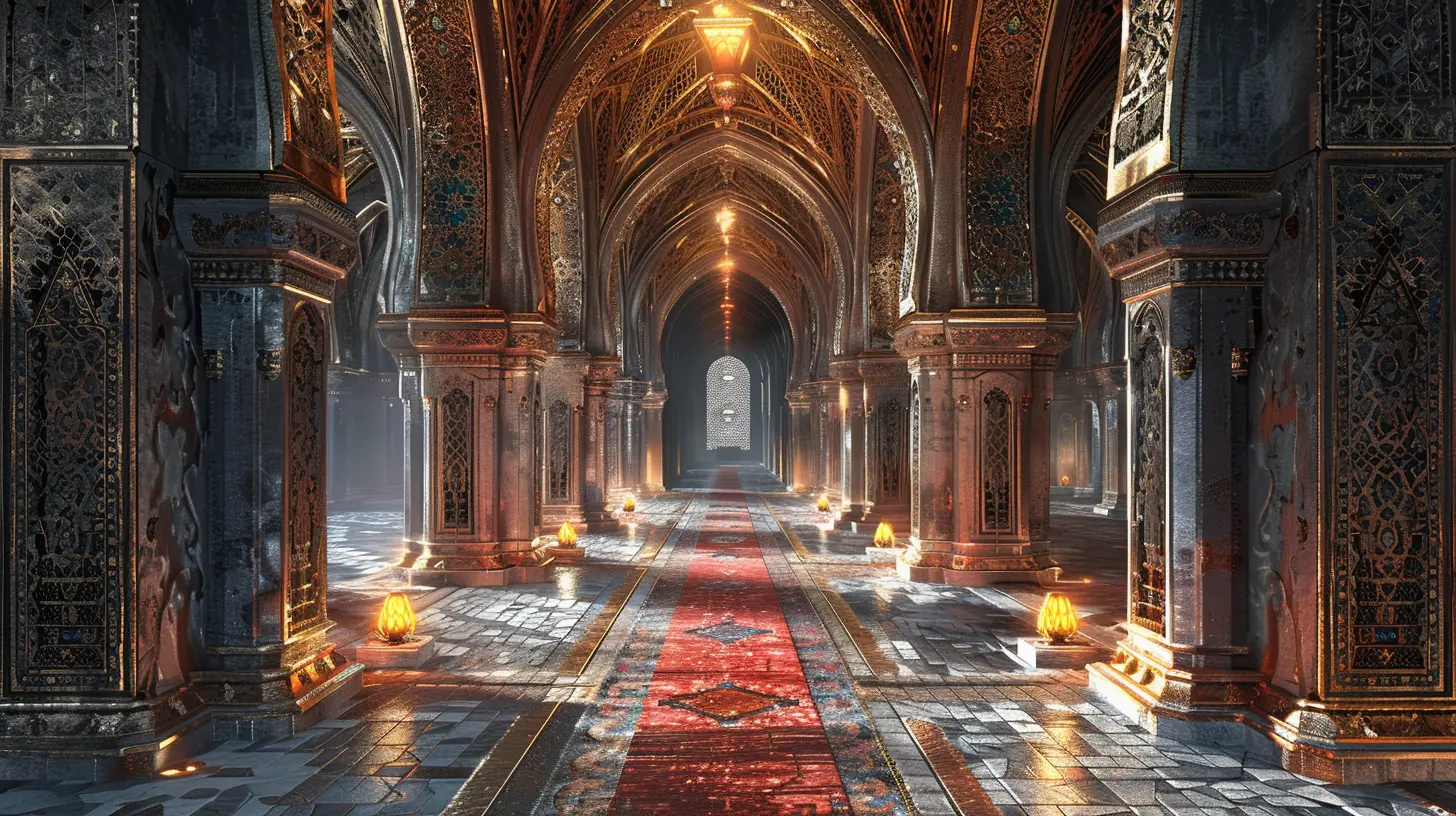
Aesthetics Go Beyond Graphics
Alright, so we’ve established that aesthetics are critical. But here’s the thing: They’re not just about how the game looks. Aesthetics extend into every sensory element of a game. Let’s break it down.Visual Aesthetics
This one’s obvious, right? The art style, character design, color palette, and even the UI all fall under visual aesthetics. Games like GRIS use flowing, watercolor-like visuals to convey themes of grief and healing. Meanwhile, DOOM Eternal opts for intense, blood-soaked graphics to match its adrenaline-pumping gameplay. Both are visual feasts, but in totally different ways.Sound Design
Ever noticed how the smallest sound can totally transform a game’s vibe? Think of the chilling ambient noise in Silent Hill or the cheerful jingle when you catch a bug in Animal Crossing. Sound drives immersion, amplifies emotions, and makes aesthetic choices feel more cohesive.Fun fact: In Celeste, softer sound effects are used while traversing calm areas, but things ramp up with intense music and sharp sounds during difficult platforming sections. Your ears are just as important as your eyes when it comes to aesthetics.
Worldbuilding and Atmosphere
Aesthetics go hand in hand with worldbuilding. The architecture, weather, lighting, and even the tiny details like scattered debris or flickering candles tell a story on their own. Games like The Witcher 3 use these elements to craft a world so believable, leaving it feels like saying goodbye to an old friend.Player Feedback (Haptics and Animation)
Ever felt the rumble in your controller as your character lands a heavy punch? That’s aesthetics in action! Smooth animations and tactile feedback make your actions feel satisfying. Whether it’s the weighty swing of Kratos’ axe in God of War or the bouncy, playful jump in Super Mario Odyssey, these elements are meant to enhance your connection to the game.
Balancing Aesthetics and Performance
Okay, aesthetics are amazing, but let’s address the elephant in the room: performance. A visually stunning game means nothing if it runs like a slideshow. Nobody wants to play a game that feels like it’s glued together with duct tape.The best game designers strike a balance. For instance, Hades uses stylized, comic-book-inspired visuals instead of hyper-realistic graphics. This not only enhances its unique aesthetic but also ensures it runs smoothly on less powerful hardware. Smart, right?
The Future of Aesthetics in Game Design
As technology evolves, the sky’s the limit for game aesthetics. We’re talking about virtual reality, ray tracing, and more realistic textures than ever before. But here’s the catch: Just because something can look hyper-realistic doesn’t mean it should.Gamers will always gravitate toward experiences that feel authentic, unique, and meaningful. So, while tech will continue to push boundaries, the games that stand out will be the ones that masterfully fuse aesthetics with gameplay, storytelling, and emotion.
Wrapping It Up: Aesthetics Are the Heart of Game Design
At the end of the day, aesthetics are what breathe life into games. They’re not just about making things look good—they’re about creating a connection, telling a story, and shaping an experience that stays with you long after the game is over. Whether it’s the haunting landscapes of an RPG, the quirky art style of an indie puzzle game, or the nostalgic charm of pixel art, aesthetics are the invisible glue that holds everything together.So, the next time you boot up a game, take a moment to appreciate the little details. The way the lighting hits the character’s armor. The texture of the grass under your feet. The faint hum of a distant wind. These are the elements that make gaming magical. And honestly? We wouldn’t want it any other way.
all images in this post were generated using AI tools
Category:
Game DesignAuthor:

Aurora Sharpe
Discussion
rate this article
2 comments
Kairo Gilbert
Ah, aesthetics in game design: where pixels meet pizzazz! Sure, a game may look like a Picasso painting, but if I can't jump a turtle or swing a sword, it's just eye candy with no substance. Let the fun begin!
January 31, 2026 at 4:40 AM
Aurora Sharpe
Absolutely! Aesthetics enhance immersion and storytelling, but gameplay must be engaging for a truly memorable experience. It's the balance that creates fun!
Roxanne King
Aesthetics deepen player connection.
January 23, 2026 at 4:45 AM
Aurora Sharpe
Absolutely! Aesthetics are crucial in creating emotional engagement, enhancing immersion, and fostering a deeper narrative connection between players and the game world.