The Importance of Sound Design in Game Immersion
29 December 2025
Picture this: you're creeping through a haunted house in a survival horror game. The floorboards creak under your feet, a distant whisper brushes past your ear, and... BAM! A screech echoes behind you as something (or someone) crashes into a nearby wall. Your heart rate's up, your palms are sweaty, and you're 99.9% convinced something's watching you from the shadows.
All of that? It’s not just what you see on screen—it's what you hear that makes you feel like you're actually there.
Welcome to the magical, spine-tingling, goosebump-inducing world of sound design in games.
Sound design is not the background music of gaming—it is the game. It’s the unsung hero that molds emotions, heightens tension, boosts realism, and sucks you headfirst into virtual worlds. Game immersion without sound is like peanut butter without jelly. Sure, it functions... but do we really want to live like that?
The Unsung Hero of Game Development 🎧
Let’s face it—game sound design rarely gets the love it deserves. Most players notice graphics, physics, maybe even the storyline. But sound? Oh, it’s just there, right?Nope. Wrong. Try muting your favorite game and see how fast it loses its soul. It's like watching an action movie dubbed by accountants.
Sound isn’t just noise—it's narrative. And in gaming, it’s your sixth sense.
What Exactly Is Sound Design?
Okay, let’s break it down. Sound design in games includes:- Ambient sounds – The wind rustling through trees, birds chirping, or the soft hum of a spaceship.
- Sound effects (SFX) – Gunshots, footsteps, sword clashes, dragon roars, etc.
- Voice acting – Characters speaking, yelling, whispering, and all the emotional goodies in between.
- Music – Dynamic scores that shift with tension, action, and emotion.
- Directional audio – Sounds that help you locate enemies or navigate.
In short? If your ears pick it up in a game, some audio wizard handcrafted it for you.

The Science of Immersion: Why Sound Matters
You ever notice how a horror game without sound feels like a sad Halloween demo?That’s because sound is crucial to immersion. Our brains are wired to react emotionally to audio cues. Ever hear a baby cry or nails on a chalkboard? Shudders.
Our Brain Loves A Good Soundtrack 🧠🎶
Sound triggers memory and emotion more efficiently than visuals. That victory jingle when you level up? Instantly satisfying. The low droning hum when you're about to enter a boss arena? Cue the anxiety sweats.Games use this to their full advantage—crafting soundscapes that don’t just accompany gameplay, but frame it. The right sound makes you forget you’re sitting on your couch in sweatpants with a half-eaten pizza on your lap.
How Sound Design Boosts Immersion (And Makes You Feel All the Feels)
1. It Tells You Where You Are (Even If You’re Blindfolded)
Ever played The Last of Us or Red Dead Redemption 2? Even if you closed your eyes, you’d still know you’re in a ruined post-apocalyptic world or the dusty Wild West, just by the sound alone.That’s powerful stuff.
Good sound design layers in environmental noise to set the mood and place you somewhere specific. The echoes in a cave, the bustling noise of a medieval tavern, or the eerie silence of deep space—it all helps your brain buy the lie you’re inside another world.
2. It Guides You Like An Invisible Compass
Modern games use spatial, dynamic sound to do more than just set the mood—they actually help you play. Footsteps behind you? Enemy. Louder music? Boss time. A faint shimmer sound up ahead? Hidden loot!Sound cues keep you alert, guide your decisions, and sometimes, even save your in-game life. It's like having a sneaky audio sidekick whispering tips in your ear.
3. It Makes You Feel Stuff (Sometimes Too Much Stuff)
Let’s get emotional for a second. Remember That One Scene in your favorite RPG where the music swelled and your favorite character… you know… didn’t make it?Yeah. That soundtrack haunts us too.
Sound design taps into your emotions faster than your logic can say, “Hey, it’s just a game.” Sweeping scores, sad violin pieces, or even just well-timed silence—those are the weapons of mass emotional destruction.
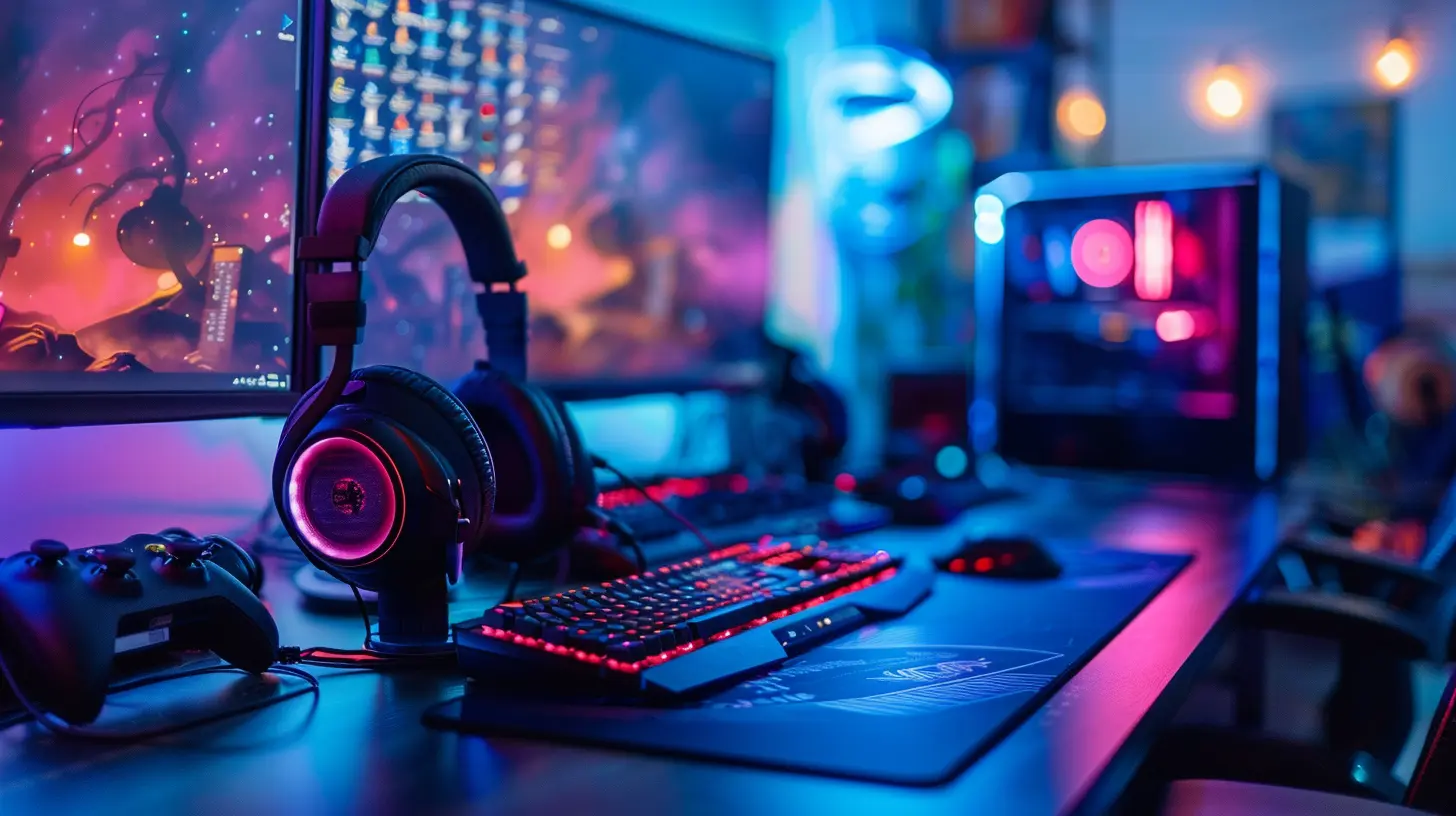
Examples of S-Tier Sound Design in Gaming
Let’s throw some gold stars around, shall we? These games nailed sound design so hard, they’re basically the benchmarks of audio excellence.🔊 Hellblade: Senua’s Sacrifice
This game doesn’t just have immersive sound design—it slaps you with it. Using binaural audio (aka: “We’re whispering in your ears now”), the game creates a terrifyingly intimate space. Especially with headphones, it feels like you're really inside the protagonist's mind.Creepy? Absolutely.
Effective? 1000%.
🔫 Call of Duty Series
Say what you will about the franchise, but Call of Duty’s gun sounds are chef’s kiss. Each weapon has a distinct personality—from the metallic clink of reloading to the echoing bang in wide-open war zones. It’s so realistic, you start flinching when toast pops out of the toaster.🕹 The Legend of Zelda: Breath of the Wild
This game uses sound design like a gentle whisper. The wind, the birds, the soft piano notes—it all creates a soothing, expansive world that feels alive. No over-the-top background music, just the quiet confidence of a world that breathes.🧙 Skyrim
“FUS RO DAH!” Enough said.No seriously, Skyrim’s sound is iconic. From the dragon shouts to the background music, it gives you goosebumps while chopping wood or fighting a troll. That Dovahkiin theme? It’s a gym playlist staple.
The Tools Behind the Magic
So how do sound designers pull this off? Do they just bang pots and scream into microphones?Well… sometimes, yes.
But they also use high-tech tools, software, and impressive creativity.
- Field recording – Real-world sounds are captured and manipulated (yes, sometimes that dragon roar is actually a slowed-down sea lion growl).
- Digital audio workstations (DAWs) – Tools like Pro Tools, Cubase, and Logic Pro help mix, edit, and arrange every note.
- Middleware – Programs like FMOD and Wwise help integrate sound directly into game engines like Unity or Unreal.
It’s an art. It’s a science. It’s a little bit of madness in a recording studio.
Don’t Forget About Voice Acting
Voice acting is the cherry on top of a great sound design cake. Great characters don’t just look the part—they sound the part.Remember Geralt’s monotone gruffness in The Witcher? Or GLaDOS’ passive-aggressive sass in Portal? Those performances made the characters iconic.
Poor voice acting, on the other hand, pulls you out faster than a glitchy ragdoll physics bug. You can’t take a villain seriously when they sound like a high school drama student phoning it in.
What Happens When Sound Design Goes Wrong? 😬
Oh, it’s not pretty.A bad explosion sound that feels like someone popping bubble wrap? Immersion broken.
A horror game where the monster’s roar is hilariously off-tune? You’re laughing, not running.
When sound doesn’t match the tone, environment, or action, the whole experience feels fake. It’s like watching a romantic drama with circus music playing behind it. Confusing and kinda hilarious.
Poor sound design is the silent killer of immersion. You don’t always notice good sound—but bad sound slaps you in the face like a wet flounder.
The Future of Game Sound: It’s Getting Juicy
As tech advances, so does the world of sound design. We’re seeing:- 3D Audio – Makes it feel like sounds are coming from above, below, behind you—basically all the directions.
- AI-generated soundtracks – Adaptive music that responds to your playstyle in real-time.
- Voice synthesis – Dynamic voice lines generated on the fly (hello, infinite NPC dialogue).
The future's noisy, friends—and that’s a good thing.
Final Thoughts: Your Ears Deserve a Standing Ovation 👂👏
Next time you sneak past a guard, hear a distant thunderstorm roll in, or tremble at a high-pitched violin before a boss fight—thank your sound designers. They’re the invisible ninjas of game development.They craft the moments that send chills down your spine, pump adrenaline into your heart, and make you feel like you're somewhere else entirely.
So, don’t just look—listen. Because when it comes to game immersion, your ears are doing way more heavy lifting than you think.
all images in this post were generated using AI tools
Category:
Game DesignAuthor:

Aurora Sharpe
Discussion
rate this article
2 comments
Marcus Harmon
Great article! Sound design often goes unnoticed, yet it plays a crucial role in creating immersive experiences. From subtle background music to impactful sound effects, the right audio can transport players into the game world, enhancing emotional connections and overall enjoyment. Keep up the fantastic work!
January 10, 2026 at 4:03 PM
Aurora Sharpe
Thank you! I appreciate your insights on sound design's vital role in enhancing immersion. Glad you enjoyed the article!
Ezra Fisher
Sound design is often overlooked, but it’s crucial for immersion. The right audio enhances emotional engagement and creates a believable world, making players feel truly part of the experience. Great sound can elevate an entire game.
December 30, 2025 at 3:56 AM
Aurora Sharpe
Thank you for highlighting the significance of sound design! It truly is a powerful tool that enhances immersion and emotional connection in gaming.