The Impact of Limited-Time Events on Game Economies
15 March 2026
Ever felt the adrenaline rush of chasing a rare skin, exclusive weapon, or time-limited event reward in your favorite game? You’re not alone. Limited-time events (LTEs) have taken the gaming universe by storm, creating frenzied buzz, driving player engagement, and, well, stirring up all sorts of chaos in game economies. But let’s be honest—while they’re addictive and exciting, they’re not without their quirks.
So, what’s the deal with these fleeting events, and how do they shape in-game economies? Buckle up, and let’s unpack how these ticking-clock moments influence the digital worlds we lose ourselves in.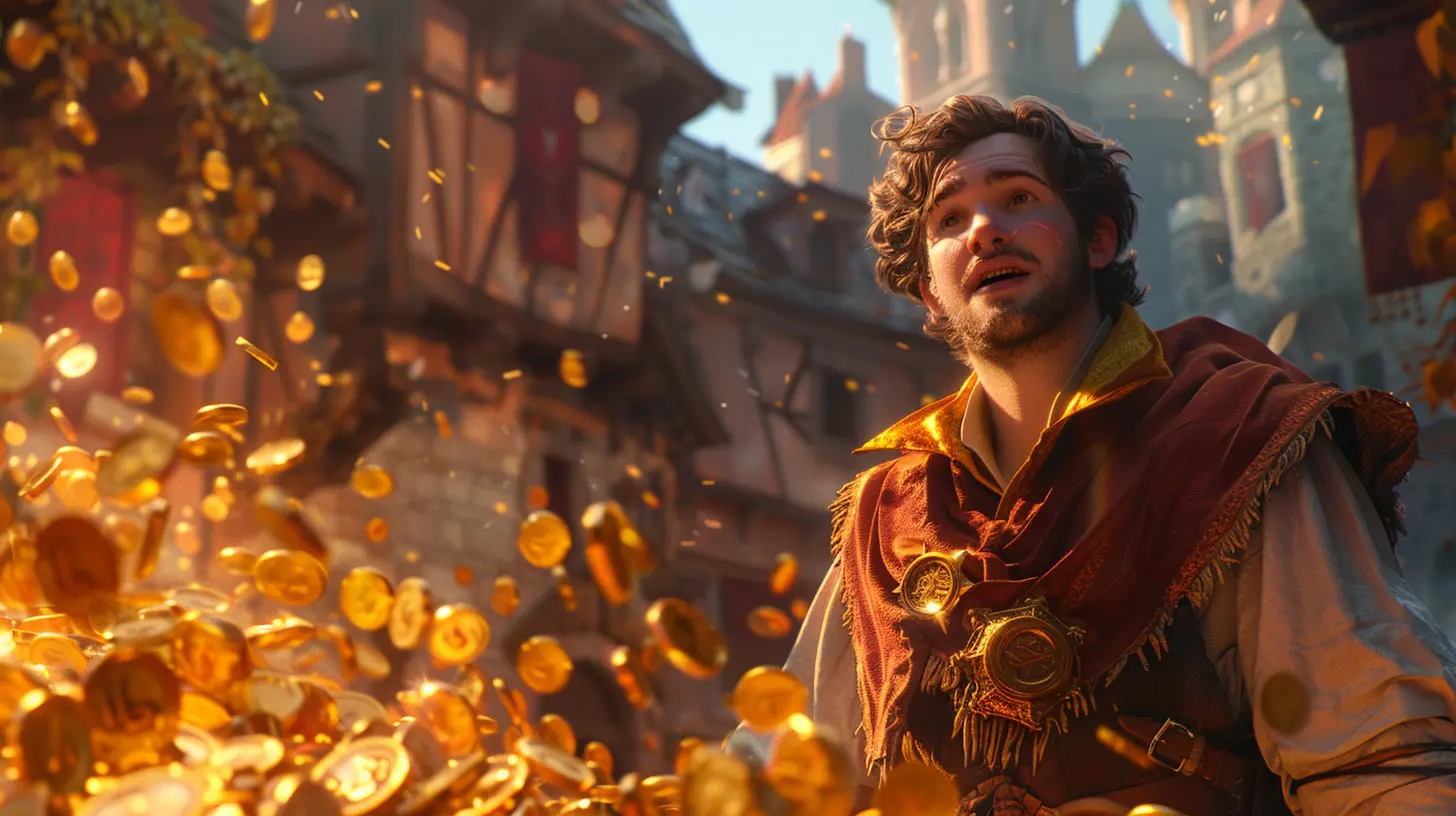
What Exactly Are Limited-Time Events?
Alright, before we dive deep, let’s set the stage. Limited-time events are those short-term in-game activities where players get the chance to unlock rare gear, characters, skins, or other rewards. Think holiday-themed events, collaborations with pop culture (hello, Ariana Grande Fortnite concert), or anniversary celebrations. These events are like pop-up shops—they’re here today, gone tomorrow, and leave players scrambling to cash in.It’s like Black Friday sales but with more dragons and less elbowing strangers in a department store aisle.
The Psychological Pull of “FOMO”
You know that gnawing feeling in your gut when you’re about to miss out on something epic? That’s FOMO (fear of missing out), and game developers are masters at weaponizing it. Limited-time events thrive on FOMO.When you slap a timer on something, it immediately becomes more… desirable. Basic human nature, right? People want what they can’t have—or, more accurately, what they might not be able to have if they don’t act fast enough. That sense of urgency pushes players to grind harder, spend more, and prioritize the game over other things (like sleep or even food, let’s be honest).
But here’s the catch: FOMO doesn’t just affect players. It directly impacts the game’s economy too.
How Limited-Time Events Shape In-Game Economies
1. Supply, Demand, and the Digital Gold Rush
Imagine you’re playing a massively multiplayer online game (MMO), and a new LTE introduces a shiny, ultra-rare weapon. Everyone wants it. Demand skyrockets, but the supply? Limited. The timer is ticking down, and suddenly, players are trading their most prized in-game possessions, sinking in countless hours, or dropping real money to get what they want.This scarcity creates a surge in economic activity. In-game marketplaces explode with activity as prices for necessary crafting materials or complementary items shoot through the roof. It’s like a digital gold rush, with every player scrambling to stake their claim before the curtain closes.
2. The Microtransaction Magnet
Let’s not beat around the bush—limited-time events are cash cows for game developers. When a game advertises an exclusive skin or loot box that vanishes after a week, players are far more likely to whip out their wallets. Even those who swore they’d never spend money on the game may cave under pressure.Microtransactions, like buying premium currency or event-specific packs, become the lifeblood of these events. And honestly, who can resist when buying that bundle guarantees you’ll skip the grind and walk away with the goods?
3. Inflation and Economic Ripple Effects
Here’s where things get dicey. When a wave of new items floods the market from LTEs, their value often skyrockets during the event due to high demand. But once the event wraps up, it’s a whole new ball game.Items that were once highly sought after might become irrelevant, or their scarcity post-event could make them coveted by collectors. Either way, these fluctuations disrupt the game’s economy, making it trickier for seasoned players and newcomers to navigate the market.
4. Creating Sinkholes to Balance Wealth
Game devs are no rookies—they know that letting players hoard wealth indefinitely can break an in-game economy. Limited-time events often act as “sinkholes,” offering players enticing reasons to spend their hard-earned currency or resources. Suddenly, that mountain of gold you’ve been amassing has a purpose, and just like that, wealth is redistributed, keeping the economy in check.
The Downsides of Limited-Time Events
While LTEs can be thrilling, they’re not always a walk in the park. Let’s keep it real—there’s a downside to these time-sensitive events.1. Burnout Is Real
Grinding for hours just to reach that elusive reward can leave even the most loyal players feeling exhausted. Not everyone has the time or energy to participate fully, and the relentless pace can lead to frustration or even burnout.Think of it like running a marathon with no water breaks. Sure, the finish line looks amazing, but at what cost? Some players might even step away from the game entirely, feeling overwhelmed or left out.
2. Pay-to-Win Perception
There’s no sugarcoating it—limited-time events often create a “pay-to-win” atmosphere. Players who can afford to spend real money have a distinct advantage, instantly widening the gap between free-to-play users and paying customers. This dynamic can sour the community, making it feel less like a fair fight and more like a monetary arms race.3. Market Monopolies
During LTEs, those with significant resources (or deep wallets) can monopolize high-demand items, reselling them later at astronomical prices. It’s like the in-game version of ticket scalping. For average players, this creates a frustrating imbalance, reducing access to these items.The Flip Side: Why Players Love Them Anyway
Let’s not ignore the obvious—despite their flaws, limited-time events pack a punch when it comes to fun and excitement. They add freshness to gameplay, bring communities together, and create memories you just don’t get from the daily grind.Remember that one event where the entire server teamed up to defeat a world-ending boss? Or the hilarious stories of players blowing their savings for a goofy holiday skin? These moments are the heart and soul of gaming culture.
How Developers Can Strike a Balance
So, can we have our cake and eat it too? Can limited-time events fuel excitement without breaking game economies—or players’ spirits? Game developers hold the key.1. Transparency Goes a Long Way
One of the best ways to reduce player frustration is by being upfront about the rules of the event. Clear timelines, reasonable challenges, and detailed explanations of rewards ensure players don’t feel like they’re being blindsided.2. Avoid Over-Monetization
A little microtransaction here and there? Sure. But leaning too heavily on monetization risks alienating players. Devs need to find a balance between profit and player satisfaction.3. Incorporate Permanent Options
Who says LTE rewards need to vanish forever? Offering players alternative ways to earn limited-time items later—whether through grinding or crafting—can alleviate FOMO without undermining the excitement of the event.4. Keep Events Accessible
Not everyone has 30 hours a week to pour into a single game (let the casuals live, please). Scaling challenges and ensuring events are inclusive for all playstyles can keep the entire community invested.Wrapping It Up: Are Limited-Time Events Worth It?
Here’s the thing—love them or hate them, limited-time events are here to stay. They’re a double-edged sword, slicing through boredom and boosting engagement while occasionally leaving battle scars on game economies and players’ patience.Will they ever be perfect? Probably not. But if developers tread carefully—as if walking on thin ice, balancing delight and frustration—they can craft experiences that keep players coming back for more.
So the next time your favorite game launches a limited-time event, go ahead and dive in. Just don’t forget to check your FOMO at the door.
all images in this post were generated using AI tools
Category:
In Game EventsAuthor:

Aurora Sharpe
Discussion
rate this article
2 comments
Zephyrine Malone
Absolutely loved this article! 🎉 Limited-time events add such excitement and fresh dynamics to game economies. They create unforgettable moments and foster community engagement. Can't wait to see what’s next! Keep up the amazing work! 🌟 #GamingJoy
March 23, 2026 at 5:21 AM
Aurora Sharpe
Thank you so much for your kind words! I'm thrilled you enjoyed the article and share the excitement around limited-time events in gaming! 🌟
Vesperos Kirk
Great insights on limited-time events! It's fascinating how they can boost player engagement and create urgency. However, it would be interesting to explore their long-term effects on game economies and player retention. Balancing these events could be key to maintaining a healthy in-game economy. Keep up the good work!
March 19, 2026 at 5:22 AM
Aurora Sharpe
Thank you for your insightful comment! You're right; balancing limited-time events is crucial for sustaining player engagement and a healthy in-game economy. I'll consider exploring their long-term impacts in future discussions!