The Future of VR in First-Person Shooter Games
8 June 2026
Virtual Reality (VR) has been teasing gamers with the promise of full immersion for decades. We've all dreamt of stepping inside the game — not just playing a character but becoming them. Now, with the fast-paced progress in VR tech, especially in First-Person Shooter (FPS) games, we’re inching closer to making that dream a reality. So, what does the future hold for VR in FPS games? Let's dive in.
Why First-Person Shooter Games Are Perfect for VR
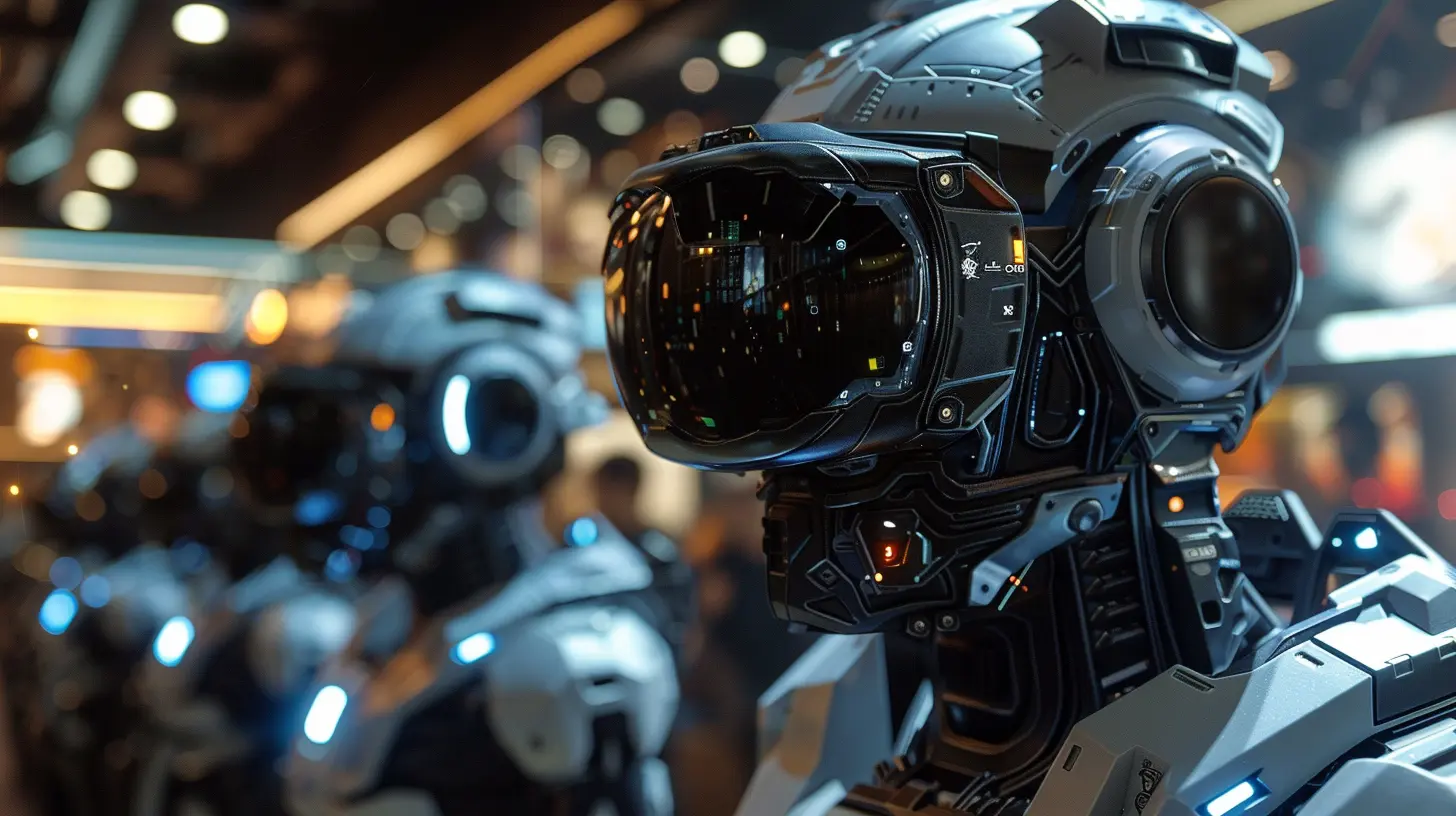
Let’s start with the obvious — FPS games and VR are like peanut butter and jelly. This genre puts you directly in the shoes of the main character, and VR takes that idea and cranks it up to eleven.Think about it — instead of pressing buttons to aim and shoot, you’re physically turning your head, lifting your arms, pulling virtual triggers. The sense of presence is insane. Add spatial audio, realistic gun mechanics, and environments that react to your movements, and the line between game and reality starts to blur.
The Current State of VR FPS Games
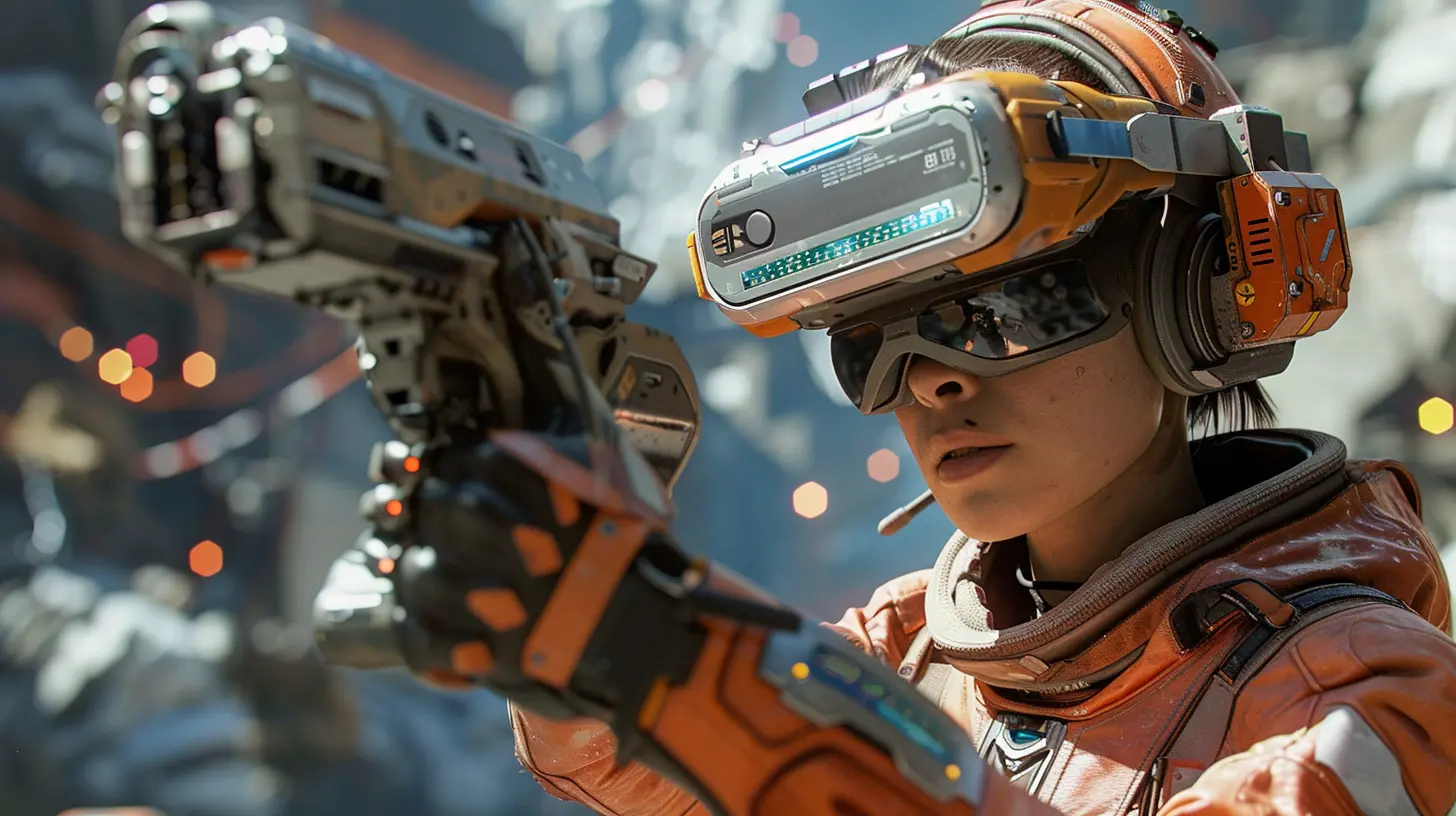
Before we shoot off into the future, let’s check our current loadout.Today’s VR FPS games are exciting but still a bit rough around the edges. Titles like Pavlov VR, Boneworks, Half-Life: Alyx, and Onward have shown us what’s possible. From reloading weapons manually to peeking around corners like you're actually there, these games are crazy immersive.
But — and it’s a big but — we’re still facing challenges:
- Motion sickness
- Limited mobility (unless you own a huge room)
- Clunky controls
- High hardware costs
So yes, we’ve got the spark, but the powder keg hasn’t exploded just yet. And that’s where the future comes in.
The Tech Driving the Future
1. Next-Gen VR Headsets
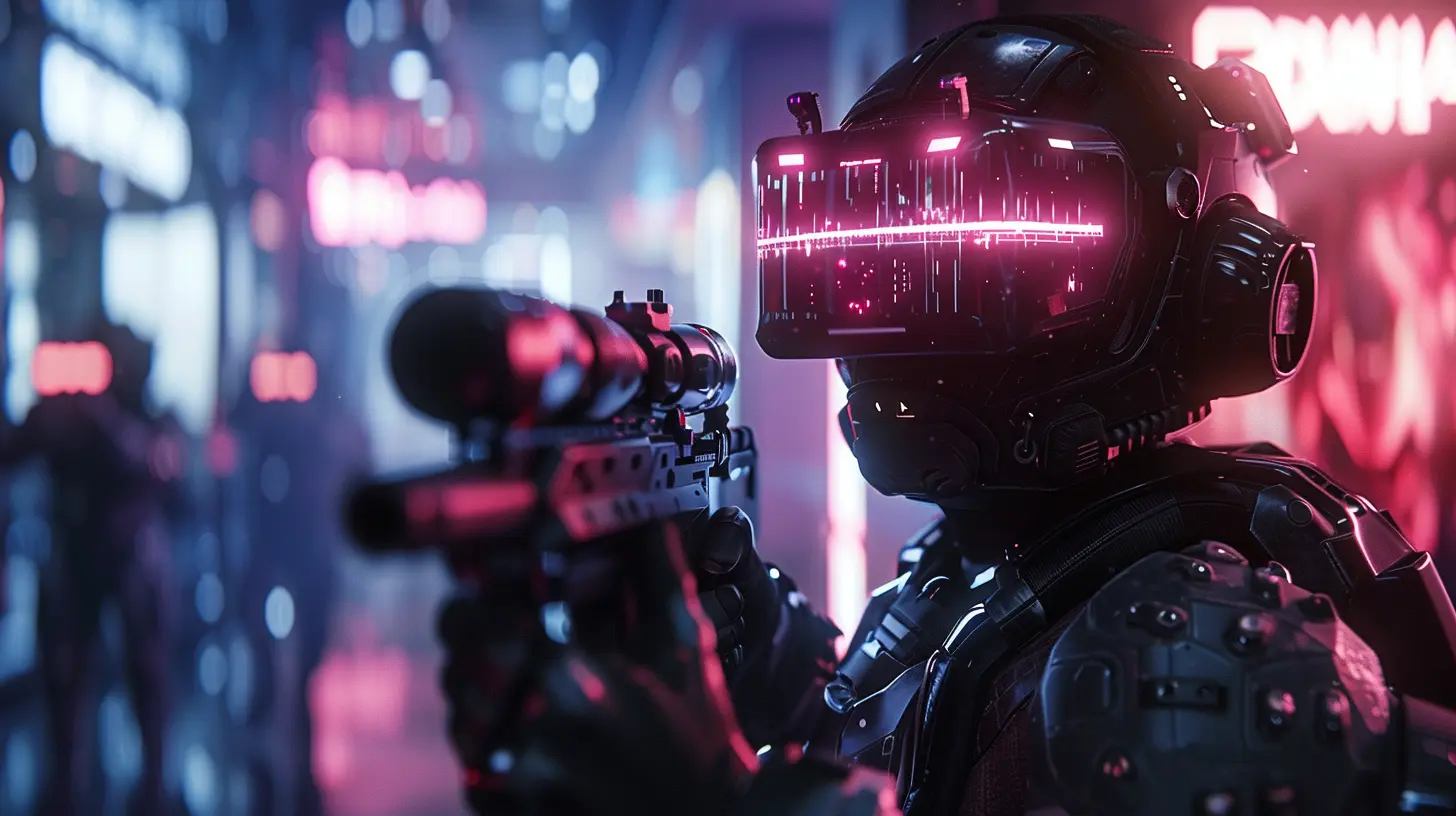
Let’s talk about what’s strapped to your face. The next wave of VR headsets is already pushing boundaries:- Higher resolutions – Say goodbye to screen-door effects.
- Eye-tracking – More realistic avatars and better rendering performance.
- Foveated rendering – Focus graphics power where you're actually looking.
- Lighter designs – Play longer without getting neck cramps.
Headsets like the Meta Quest 3, PlayStation VR2, and rumors around Apple’s Vision Pro integration with gaming hint at a near-future filled with sleeker, smarter, and far more immersive experiences.
2. Full-Body Tracking
Imagine your game tracking not just your head and hands, but your entire body. With suit-based systems like the TESLASUIT or Vive Trackers, we’re looking at full-body presence. That means ducking, crawling, jumping — all without needing a controller for every action.Soon, you won’t just play the game; you'll perform it.
3. Haptic Feedback and VR Accessories
Ever felt like your controller’s vibration isn’t enough? That’s where advanced haptics come in. Companies are already developing:- Haptic gloves
- Force-feedback vests
- Reactive footwear
Now, when you get shot in-game, your vest gives you a ‘thump’ in the chest, or your feet feel the rumble of an explosion. These sensations can dramatically increase immersion and (in a non-painful way) the stakes of each in-game encounter.
4. AI and Smart Environments
AI is also revolutionizing gameplay. With machine learning, enemies can adapt to your behavior, flanking smarter, communicating with their squad, and making you sweat bullets.Pair that with destructible environments that change in real time, and you’ve got a dynamic battlefield that evolves with every match.
Gameplay Evolution: What Will Change?
No More Button Mashing
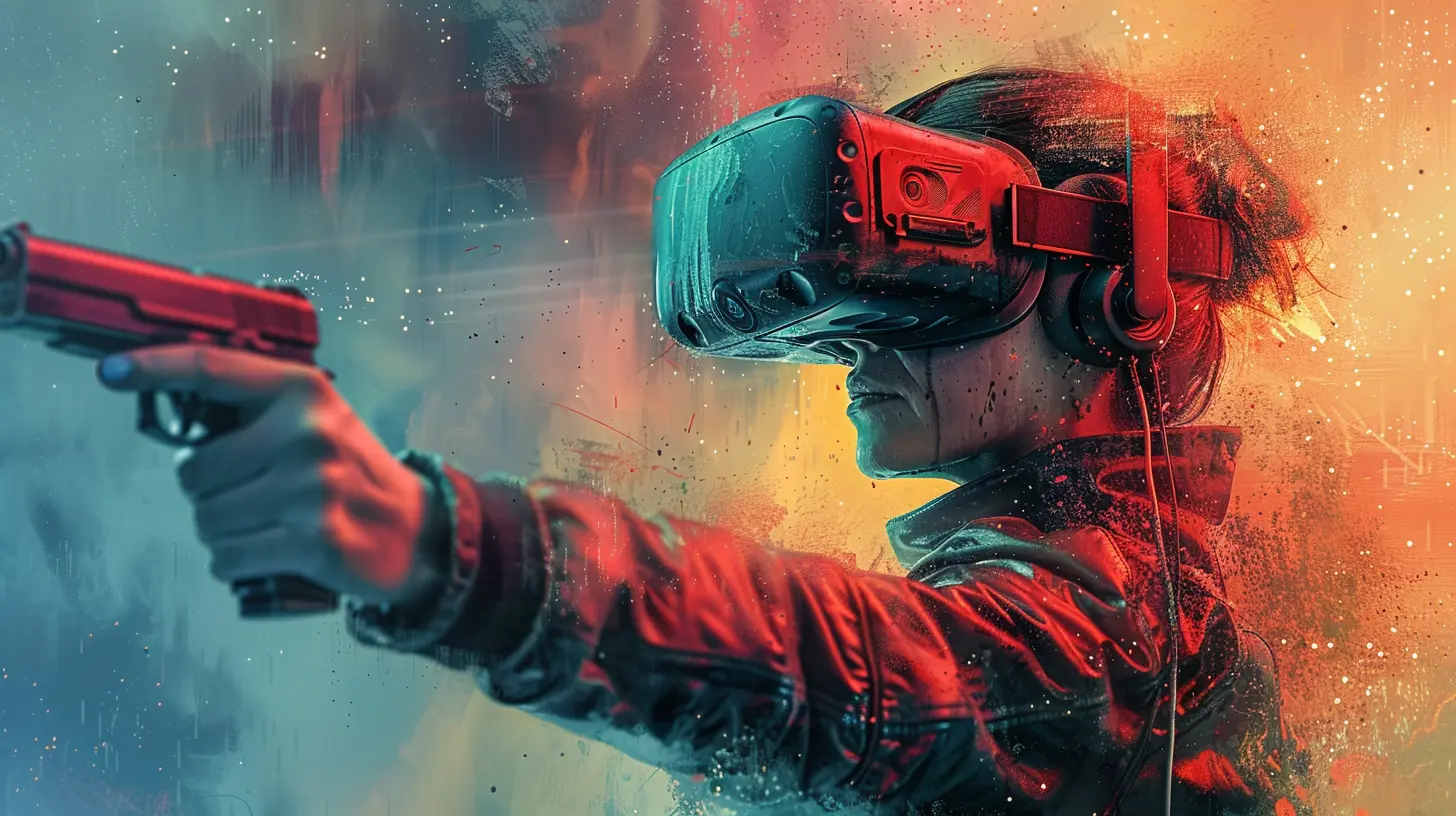
The future of VR FPS is all about realism. You won’t just hit a keyboard key to reload — you’ll physically reach for a mag, slide it into the gun, and cock it. It’s not just immersive; it’s muscle memory.Holster Systems and Weapon Handling
In future FPS titles, your belt might virtually hold your grenades, extra mags, pistol, or even a medkit. You’ll reach down (literally) and pull out what you need. It feels natural — and in the heat of battle, terrifyingly real.Dynamic Movement and Verticality
Right now, many VR games limit movement to avoid nausea. But with smoother locomotion systems, improved frame rates, and smarter camera work, the future promises wild parkour, climbing, and daredevil jumps — all without making you lose your lunch.Esports and Competitive VR FPS
Competitive shooters like Valorant and Call of Duty dominate the esports scene. But VR could flip the script.Imagine VR arenas where players physically dodge bullets, dive behind cover, or coordinate with real-time voice commands. Spectator modes could offer drone-like perspectives, or even place fans inside the live action with their own headsets.
Of course, it’ll need infrastructure — stable connections, anti-cheat systems, and maybe padded walls. But esports in VR is a ticking time bomb waiting to explode (in a good way).
Social and Multiplayer Integration
VR isn’t just solo anymore. Multiplayer lobbies are now social hubs — places to chat, practice, or dance awkwardly with friends before heading into combat. Future FPS games will lean further into this.Expect:
- Persistent VR lobbies
- Cross-platform play (yes, even between flat-screen and VR users)
- User-generated content and mods
Social integration makes the experience feel less like logging into a game and more like hanging out in a futuristic clubhouse — with guns.
Narrative and Storytelling Gets Personal
Here’s where VR really shines: storytelling.Traditional FPS campaigns guide you, sure. But in VR, you live the story. Characters look you in the eye, react to your movements, and respond to your actions. Plot twists become gut punches because you’re not watching the protagonist — you are the protagonist.
Games in the future will use this to create deeply emotional, personalized stories. Think of it as Hollywood-meets-Holodeck.
Potential Challenges Ahead
Not everything’s sunshine and rocket launchers. The VR FPS future still has obstacles to clear:- Physical fatigue – Running and dodging physically takes a toll.
- Accessibility – Not everyone can stand for hours or perform motion-based actions.
- VR-induced nausea – Some players still struggle with motion sickness.
- Development costs – Hardcore realism means heavy investment.
Game devs will need to balance immersion with inclusivity — perhaps offering seated play modes or adjustable gameplay styles.
The Role of the Community
Let’s face it — gamers drive innovation. Modders, indie devs, and content creators are the unsung heroes of many breakthroughs in gaming. In the world of VR FPS, communities are building custom maps, tweaking mechanics, and even designing original games.As the tools become more user-friendly, expect a flood of creative VR content from passionate fans. The future won’t just be shaped by big studios — it’ll be molded by the people who love these games the most.
What Can You Do to Get Ready?
Feeling the hype? Here’s what you can do right now to prep for the VR FPS revolution:1. Try current VR FPS games – Dip your toes in. Games like Contractors, Population: ONE, or Half-Life: Alyx are a great start.
2. Invest in good hardware – Save up for a quality VR headset and compatible PC/console.
3. Join the community – Reddit, Discord, and forums are great for meeting other players and devs.
4. Support developers – Buy games from indie studios, leave reviews, and spread the word.
Each small step you take gets us closer to that fully immersive battlefield experience we’ve all been dreaming of.
Conclusion: The Future Is Locked and Loaded
The future of VR in First-Person Shooter games is loaded with possibility. We’re talking about realism that makes your heart race, stories that tug your soul, and competitive matches that make you sweat — literally.Yes, we’ve got hurdles to climb and tech to refine, but the direction’s clear: FPS gaming in VR is going to be next-level. Whether you’re a casual shooter or hardcore tactician, it’s time to look ahead, gear up, and step inside the warzone.
Because pretty soon, we won’t just play the game — we’ll be in it.
all images in this post were generated using AI tools
Category:
Shooter GamesAuthor:

Aurora Sharpe
Discussion
rate this article
1 comments
Oscar Simmons
Exciting times ahead for FPS fans! VR is about to take our gaming experience to a whole new level!
June 15, 2026 at 4:00 AM
Aurora Sharpe
Absolutely! VR has the potential to transform FPS games and immerse players like never before. Can't wait to see what's next!