The Ethics of Leaking Information During a Beta Test
27 May 2026
When we think about beta tests in the world of gaming, most of us get that jolt of excitement. It's like having backstage passes to your favorite concert. You’re not just playing; you’re helping shape something that millions might one day enjoy. But there's a flipside to that trust—a tricky road paved with NDAs, confidentiality, and the looming temptation to leak what you've seen.
Today, we’re getting into the heart of a topic that’s been stirring the pot in the gaming world: The Ethics of Leaking Information During a Beta Test. Sounds heavy, right? Well, it kind of is. But let’s break it down and talk about why this matters not just to developers, but to players, content creators, and the entire gaming community.
What Is A Beta Test Anyway?
Alright, let’s start simple. A beta test is basically the final dress rehearsal before a game goes live. Developers hand over a test version of the game to a selected group—could be closed beta (invite-only) or open beta (public)—and the point is to stress test the servers, identify bugs, and get feedback.Think of it as a restaurant trying out a new menu with a soft launch before opening night. They want honest feedback, but they’re not ready for a food critic to write a full review in the New York Times just yet.
Why Do Developers Ask For Confidentiality?
This part is key. When you sign up for a beta test, especially a closed one, you usually have to agree to a Non-Disclosure Agreement (NDA). That’s legal talk for “keep it zipped.” It means you agree not to talk about the game publicly, leak footage, or even post screenshots.So why the hush-hush?
- Bugs are expected. You’re literally testing an unfinished product.
- Unpolished game features can harm perception. If people see janky graphics or missing content, they might assume that’s what the final version will look like.
- Developers need honest feedback, not viral drama.
That’s why NDAs exist—it’s not to kill hype; it’s to protect the process.
Leaks During Beta: Tempting But Tricky
Let’s be real—when you’re in a beta and you stumble onto something epic (like a hidden boss or a new class), your first instinct might be to post it everywhere. The social media game is strong and the likes are enticing. Maybe you think, “They’ll never trace it back to me.”But ask yourself seriously: Is that fair?
Leaks might feel harmless, even exciting, but they can cause serious ripples:
- Spoilers ruin the surprise for others genuinely looking forward to the full release.
- Developers lose control over how their game is presented.
- The trust between community and creators gets damaged.
It’s kind of like sneak-peeking someone’s Christmas gift before they open it—it kills the magic, and it’s just plain rude.
What’s The Harm Anyway? It’s Just A Game!
Let’s bust that myth right now.Games aren’t just fun and pixels. They involve years of work, creativity, stress, and passion from teams who pour everything into their projects. Leaking isn’t just a minor oops—it’s breaking a promise.
Imagine working on a school project for 3 years, and just before you’re ready to present it, someone snatches it from your desk and posts a half-finished version online. That wouldn’t just be unfair—it would be demoralizing.
Developers deserve the dignity of delivering their vision the way they intended it—flaws and all.
The Ripple Effect on the Gaming Community
The thing about leaks? They don’t stay in one little puddle—they create ripples.- Hype gets misdirected. People start forming opinions based on unfinished work.
- Communities become toxic. Instead of discussing mechanics, the chatter becomes about “Did you see that leak?” or “The devs are hiding stuff.”
- Smaller content creators miss out. When leaks go viral, it steals thunder from planned marketing reveals, hurting those who play by the rules.
And let’s not forget: leaks can literally lead to projects being delayed or cancelled because of backlash over incomplete content.
Ethics Over Ego: Why Integrity Matters
Participating in a beta test is kind of like getting early access into someone’s diary. You’re part of a select group trusted to provide helpful feedback—not to expose vulnerabilities for clout.That kind of trust is rare in today’s internet age.
When you respect the boundaries, you’re not just doing the “right thing”—you’re becoming part of something bigger—a culture that values honesty, respect, and collaboration.
And let’s be honest: being the kind of player the community can trust? That’s worth more than a few extra clicks on a Twitter thread.
When Leaks Happen Anyway: The Fallout
Unfortunately, leaks happen—even in the most secure betas. Maybe someone breaks the NDA, records gameplay, and it goes viral. What’s next?- Developers issue takedown requests.
- Legal action might follow.
- The rest of the testers suffer.
Worst case scenario? The beta gets shut down, and everyone pays the price for one bad apple. It’s basically the digital version of a group project where one person fails and the whole team gets penalized.
But What About Freedom of Speech?
Good question. And it matters. But here’s the thing—freedom of speech doesn’t mean freedom from consequences.When you agree to a beta test and sign an NDA, you’re pretty much voluntarily giving up your right to talk about it publicly. That’s not censorship—it’s accountability.
And if you’re not cool with it? No harm, no foul—just don’t join the beta. Simple as that.
The Right Way to Give Feedback
Instead of leaking info, here’s what you should do if you want to make an impact during a beta:- Use the official feedback channels. Most betas have dedicated places to report bugs, suggest changes, or submit thoughts.
- Be constructive, not destructive. Don’t just say “This sucks.” Say why and offer possible fixes.
- Engage with the dev team respectfully. Remember, they’re people just like you—not punching bags.
You’d be surprised how often real suggestions get implemented. Developers want to hear from you—that’s the entire point of the test.
Lessons for Content Creators
If you’re a content creator with an audience, the stakes are even higher. Breaking an NDA can be career-ending. You might get blacklisted from future betas, lose sponsorships, or even face legal action.But more importantly, your reputation takes a hit.
You can’t build a lasting community on broken promises. Be the creator who respects boundaries—it’s rare, and trust me, you’ll stand out more for being ethical than edgy.
It’s Not About Rules—It’s About Respect
At the end of the day, this whole conversation about leaking isn’t just about legality or NDAs or cover-your-butt tactics. It’s about respect.Respect for the creators.
Respect for your fellow gamers.
Respect for the experience.
Games are more than just code and pixels. They’re art. They’re stories. They’re connections.
Would you walk into an art museum, grab an unfinished painting, and plaster it online just to say “look what I found”? Probably not.
So why do it to a game?
Final Thoughts: Be The Player You’d Want In Your Community
Here’s the takeaway: If you love games—and if you’re reading this, you probably do—then be someone who helps make the gaming world better, not messier.That means owning your role during beta tests. It means choosing ethics over clicks. And it means respecting the invisible contract between the developers and the community.
Yes, leaks get attention. But integrity earns respect—and that lasts a whole lot longer.
So the next time you join a beta test, remember the power you hold. And use it the right way.
Game on.
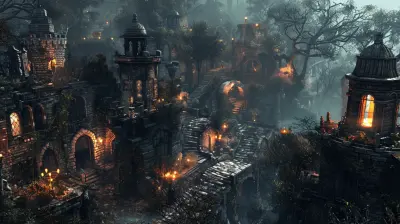
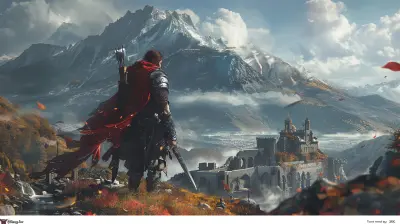
all images in this post were generated using AI tools
Category:
Game Beta TestingAuthor:

Aurora Sharpe
Discussion
rate this article
2 comments
Declan Estes
Great insights on a complex topic. Balancing transparency and respect for developers is crucial.
June 18, 2026 at 3:03 PM
Aurora Sharpe
Thank you! Striking that balance is key to fostering trust while ensuring responsible communication.
Peregrine Mathews
Oh sure, let's have a debate about leaking game info. Because who wouldn't want to spoil all the surprises for themselves? Nothing screams "fun" like ruining the thrill of discovery for everyone. Bravo to the ethical leak squad!
May 30, 2026 at 4:13 PM
Aurora Sharpe
I appreciate your perspective. Some argue that leaks can enhance excitement, but I see your point about preserving the joy of discovery. It's a tough balance.