The Art of Balancing: How Patches Affect Game Longevity
20 May 2026
Let’s be honest—there’s nothing quite like the thrill of diving into a new game. The fresh mechanics, the vibrant worlds, the challenge waiting around every corner. But what happens months (or even years) down the line? What keeps us coming back for more? Here’s where we enter the realm of game patches—those tiny but mighty updates that can make or break a game’s future.
Game longevity isn’t just about a great launch. It’s about how well developers steer the ship afterward. Let’s roll up our sleeves and talk about how patches are the lifeline of modern games and why balancing them is truly an art form.
What Exactly Are Game Patches?
Before we really dig in, let’s make sure we’re on the same page.Game patches are updates pushed out by developers to fix bugs, tweak gameplay mechanics, balance competitive elements, or even add brand-new content. Think of them as digital magic glue—holding the game together and making it better over time.
Remember that time your favorite gun suddenly felt weaker? Or that boss fight you could never beat suddenly got easier? Yep, you guessed it—patch at work.
These updates are often small in size, but their impact? Massive.
Why Patching Matters More Than Ever
In today’s gaming landscape, patches are the pulse that keep a game alive and kicking. We’re not just talking bug fixes here; we’re talking complete metamorphoses.Back in the day, games were printed on discs and that was it. No take-backs. If something was broken… oh well. Now? Developers can tweak, scale, improve, and reinvent.
This evolution means developers and gamers are in a constant dance. Devs lead, players react, and the cycle continues. It’s a dynamic relationship that breathes life into a game long after the credits roll.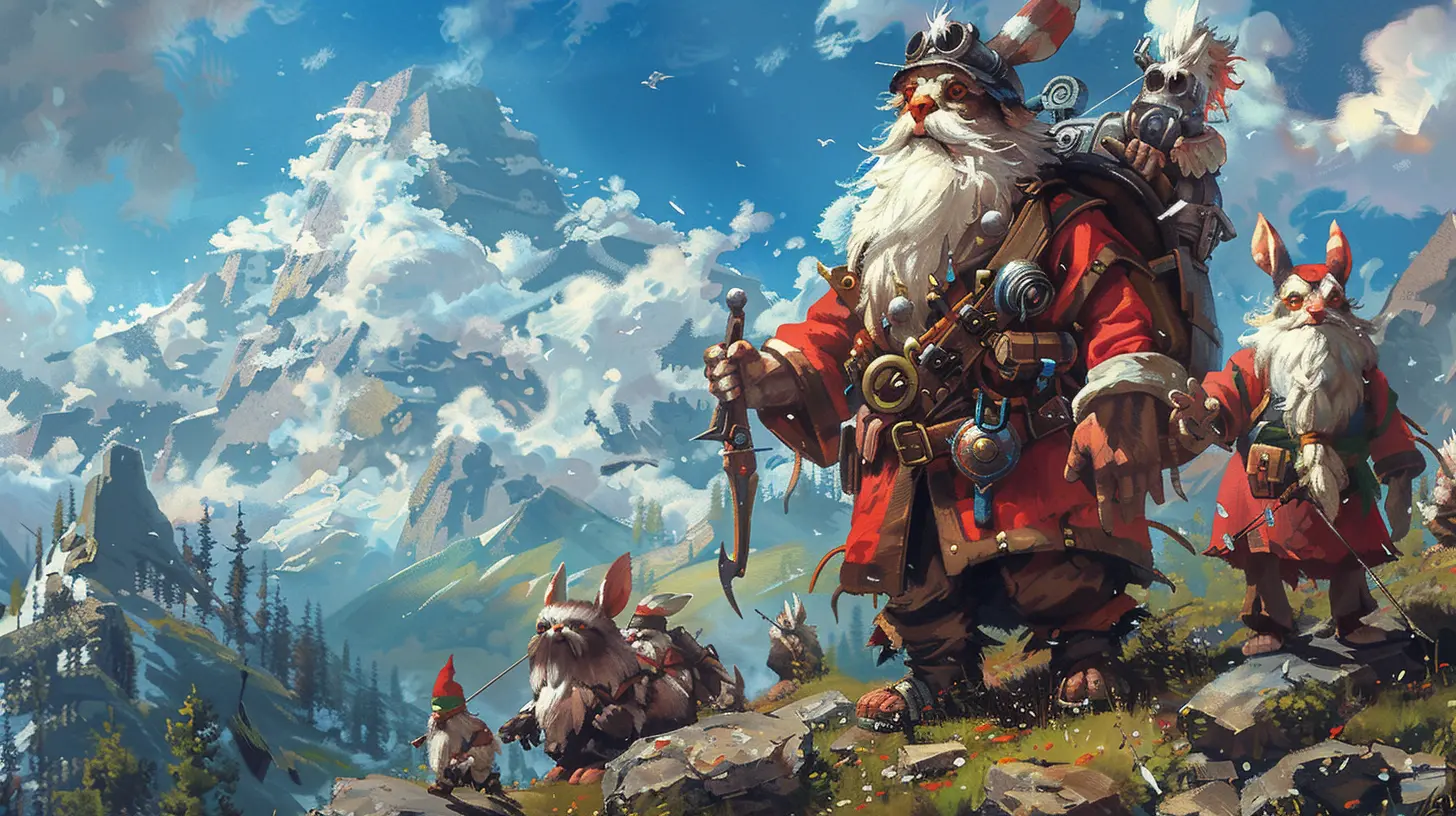
The Delicate Balance: Power vs. Fairness
Now here’s where it gets tricky. Balancing gameplay isn’t as easy as moving a few sliders. Change one thing too much, and you might throw the whole ecosystem off.Let’s say a character in an online multiplayer game becomes too dominant. Players complain, and the devs release a patch to nerf them (basically make them weaker). But then—bam!—that character becomes useless, and players abandon them entirely.
It’s a fragile equilibrium. That’s why great balancing feels invisible. You know the game is working because no one part steals the spotlight. When done right, balance keeps things exciting, fair, and fresh.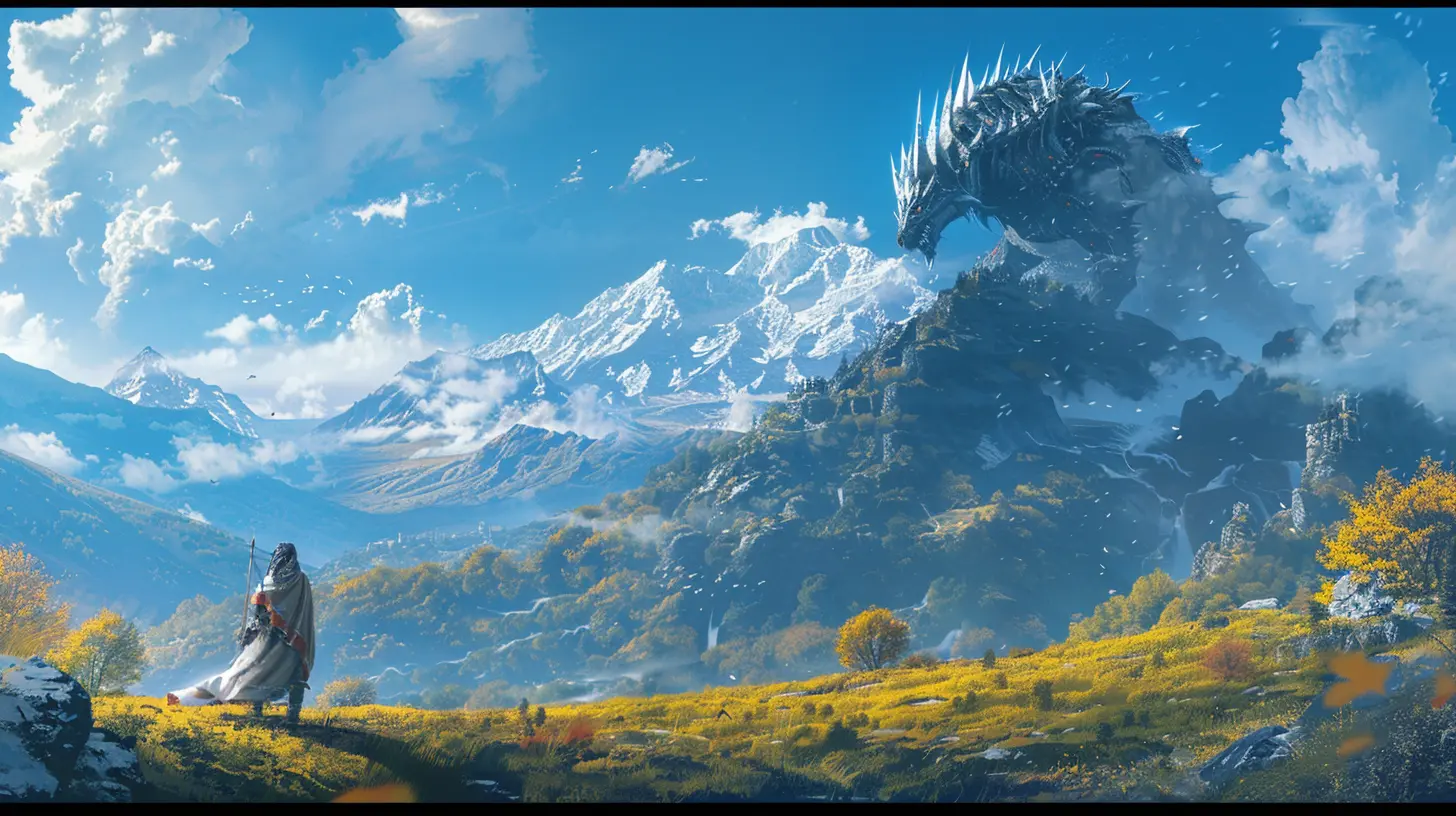
The Emotional Rollercoaster of Patches
Let’s face it—patches can spark joy or stir chaos. Ever logged in after an update only to find your favorite item nerfed into oblivion? Yeah, it stings.Patches can be emotionally jarring. We form attachments to certain characters, weapons, or strategies. When those change, it can feel like losing a part of ourselves.
But here's the flip side: patches can ignite excitement. New maps, modes, or storylines? That’s the stuff that keeps us logging in day after day.
The key? Communication. When developers explain the “why” behind a patch, it builds trust. Players are more forgiving when they understand the purpose behind a change.
Longevity Through Evolution
Let’s talk longevity. Why do some games stay relevant for 5+ years, while others barely last a season?Patches are the answer.
Take a look at games like League of Legends, Fortnite, or World of Warcraft. They’ve stayed in the spotlight not because they were perfect at launch, but because they evolved. Constant balancing, seasonal events, and new content kept them feeling alive.
In contrast, games that fail to adapt quickly see their player base dwindle. Without regular updates, even the most promising titles can fade into obscurity.
The Impact of Community Feedback
Here’s the secret sauce: the community.Modern game development is a conversation. Thanks to social media, forums, and feedback platforms, players can voice opinions in real-time—and devs can respond just as fast.
When developers listen (and we mean really listen), patches become a reflection of the community’s voice. Did a new mode flop hard? Did players hate that UI change? Patches let devs course-correct, and that responsiveness builds loyalty.
Some games even integrate players into the process through public test realms or beta patches. That’s next-level collaboration, and it makes players feel like co-creators. Pretty cool, right?
Balancing Competitive Games: The Real Tightrope
Competitive games are a whole different beast. When real-world rankings, tournaments, and cash prizes are involved, balance becomes absolutely crucial.One overpowered weapon or ability and suddenly the game feels rigged. That’s a fast track to frustration—and player drop-off.
Devs have to walk a tightrope here. Every patch is a new meta, and competitive players are highly sensitive to changes. Something as small as a 0.5-second cooldown adjustment can shift the balance of power.
This means patch timing is critical too. Drop a game-changing update right before a tournament and you’re asking for chaos.
When Patches Go Wrong
Let’s not sugarcoat it—patches aren’t always perfect.Some updates bring more bugs than they fix. Others adjust balance blindly, without truly understanding the ripple effects. And in the worst-case scenario, a bad patch can alienate players entirely.
That’s why testing and community feedback are so important. A rushed or poorly communicated update can feel like betrayal, especially in games where players have invested hundreds (even thousands) of hours.
But hey, mistakes happen. The real measure of a dev team is how fast they respond and recover.
Successful Patching Strategies
So, what separates the patching pros from the patching posers?Here are some best practices that top-tier devs live by:
- ✅ Timely updates: Regular patches show the community the game is alive and cared for.
- ✅ Transparency: Patch notes with clear explanations go a long way.
- ✅ Feedback loops: Listen to the players. They know when something feels off.
- ✅ Testing: Public test servers catch issues before they explode.
- ✅ Flexibility: The best devs aren’t afraid to revert changes if they tank.
When these elements come together, patches become a powerful tool—not just a fix-it band-aid.
The Psychological Trick: Freshness Without Frustration
There’s a fine line between shaking things up and ticking people off. Players want something new, but not something alien.Patches keep things fresh. They introduce what’s called “positive unpredictability.” That rush of logging in to see what’s changed? That’s player engagement gold.
But hit people with too many changes too fast, and it’s overwhelming. That’s the “patch fatigue” no one talks about enough. It’s like turning the difficulty knob up mid-game without warning.
Again, it all comes back to balance.
Patching as a Form of Art
Let’s not forget—game design is art. And patching? It’s a form of sculpting.You’re taking an existing piece and refining it, chiseling away imperfections, revealing the masterpiece underneath. Sometimes you add new contours, take bold creative risks, and reshape the way players experience the world. That’s powerful stuff.
And what makes it beautiful is that it’s never truly finished. A living game is a living canvas, constantly evolving.
Final Thoughts: Why We Keep Playing
At the end of the day, patches are a love letter from developers to players. They’re proof that someone on the other side of the screen still cares.They say, “We’re listening. We want this experience to be better. Let’s keep growing together.”
That’s why we keep playing. Not just for the game at launch, but for the journey it takes us on after.
So the next time you see that big update downloading, don’t roll your eyes. Take a moment and appreciate the delicate craft behind it. Because what you’re getting isn’t just a patch—it’s a promise that the game isn’t done yet.
And that, my friend, is the true art of balancing.
all images in this post were generated using AI tools
Category:
Game PatchesAuthor:

Aurora Sharpe
Discussion
rate this article
2 comments
Arwen Wolfe
Patches can breathe new life into games, reshaping player experiences and strategies. Striking the right balance is crucial; too many changes might alienate loyal fans, while too few can stagnate a community craving innovation.
June 5, 2026 at 2:34 AM
Susan McVey
Patches are like spice in a recipe; too much can ruin the dish. A thoughtful balance keeps players coming back for more without overwhelming them.
May 29, 2026 at 4:02 PM
Aurora Sharpe
Absolutely, striking that balance is key. When patches enhance the experience without overshadowing core elements, players stay engaged and eager for more.