Supporting Neurodiverse Players with Social Games
2 June 2026
Let’s start with a universal truth, folks: Games are for everyone. Whether you’re a die-hard joystick warrior, a casual Candy Crusher, or someone who just fancies a cozy night in with a digital board game, there’s room in the gaming world for you. That "everyone" includes players who are neurodiverse.
But here’s the deal—while games have the power to connect, spark joy, and create communities, they’re not always designed with neurodiverse players in mind. And that’s a missed opportunity, not just from an inclusivity standpoint, but also a creative one. In this article, we’re diving head-first (like a Minecraft creeper into a chicken coop) into how we can better support neurodiverse players through social games.
So, pull up a chair, grab your favorite snack, and let’s get into it.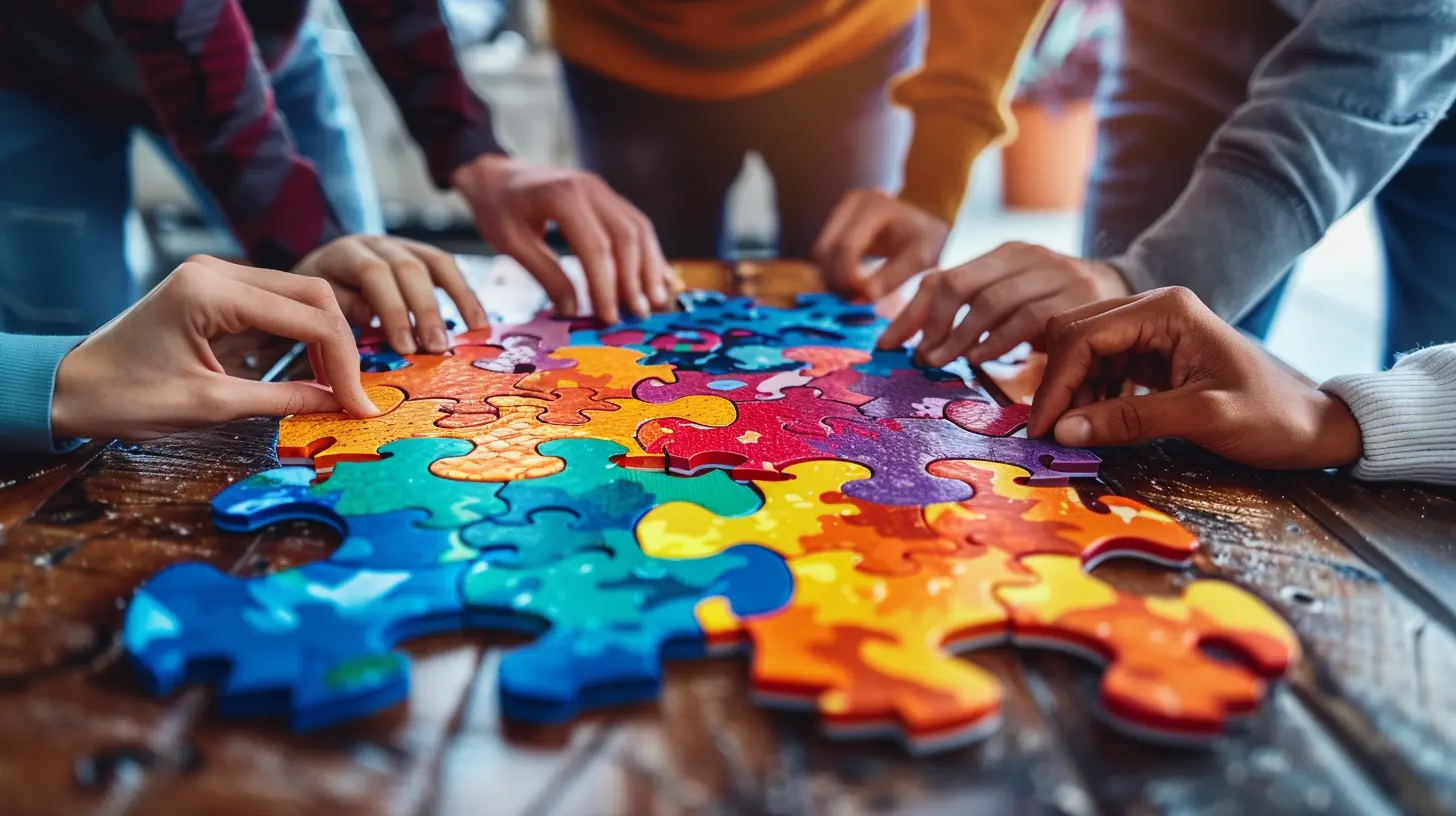
What Does "Neurodiverse" Even Mean?
Before we jump into the pixels and play buttons, let’s quickly break things down. "Neurodiverse" refers to the natural variations in brain function and behavior across people. It includes conditions such as autism spectrum disorder (ASD), ADHD, dyslexia, Tourette’s, and other cognitive profiles.Basically, neurodiversity is a reminder that brains come in all forms—and that's a beautiful thing. Just like how no two Minecraft biomes are the same, no two brains work the same way.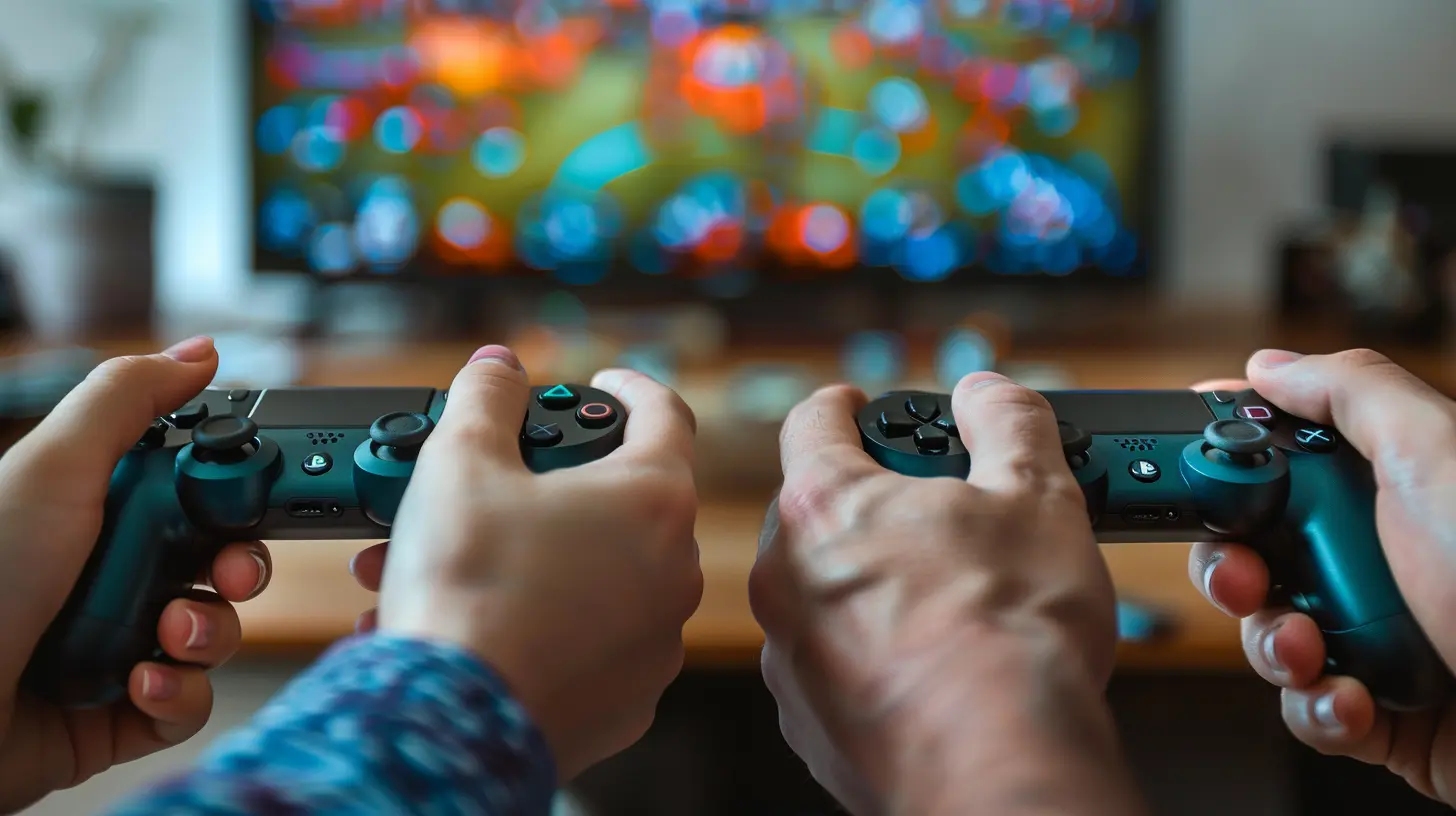
Why Social Games Matter More Than You Think
Okay, time to mix the potions (gaming pun intended): What are social games?Social games are titles that emphasize interaction among players. Think Among Us, Animal Crossing, or even digital versions of classic board games. They’re not just about winning; they’re about bonding. They create digital campfires where stories, jokes, and memories are shared.
Now, imagine how powerful these games can be for someone who struggles with traditional social interactions. For neurodiverse individuals, social games can offer:
- A controlled environment to practice social skills.
- A lower-pressure space to connect with others.
- The ability to communicate in diverse ways (text, emojis, gestures, or voice chat).
Sounds like a win-win, right?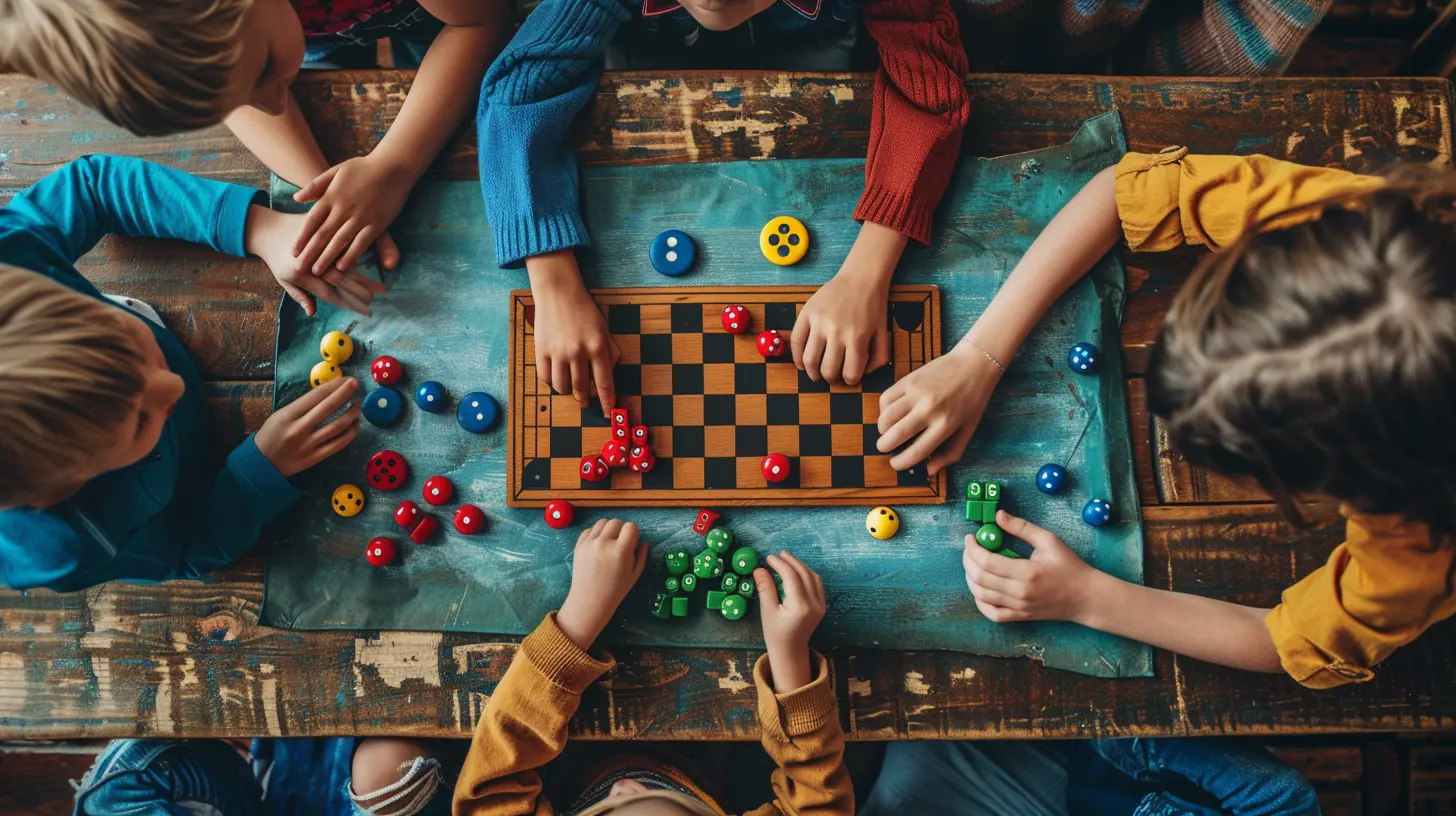
The Challenges Neurodiverse Players Face in Social Games
Despite all the potential, there are some serious roadblocks here. Let’s talk about what might be going wrong—and why.Sensory Overload Is Real
Some games just throw everything at you: flashing lights, loud noises, ten notifications per second… It’s like trying to meditate at a rock concert.For people with sensory sensitivities, especially those on the autism spectrum, this can be overwhelming. It’s like the game is yelling at you when all you wanted was a friendly digital hug.
Communication Frustrations
Most social games come with some form of communication—voice chat, text chat, emoticons, you name it. But not everyone processes or expresses communication the same way.Neurodiverse players might prefer written words over voice, may need more time to type, or might interpret language literally. And don’t get me started on sarcasm—it's a minefield. (I mean, who decided “Yeah, right” means “No way”?)
Rule Complexity
Some games have more rules than an IKEA manual. And just like that manual, they’re often missing the part where it all makes sense. If a player has ADHD or a learning disability, understanding complex game mechanics or remembering multiple objectives can be tricky.Toxicity in Gaming Communities
Let’s not pretend like the gaming world is a perfect utopia. There are trolls, gatekeepers, and people who seem to think kindness is a cheat code they refuse to use. Neurodiverse players can be seriously affected by negative social interactions, bullying, or exclusion.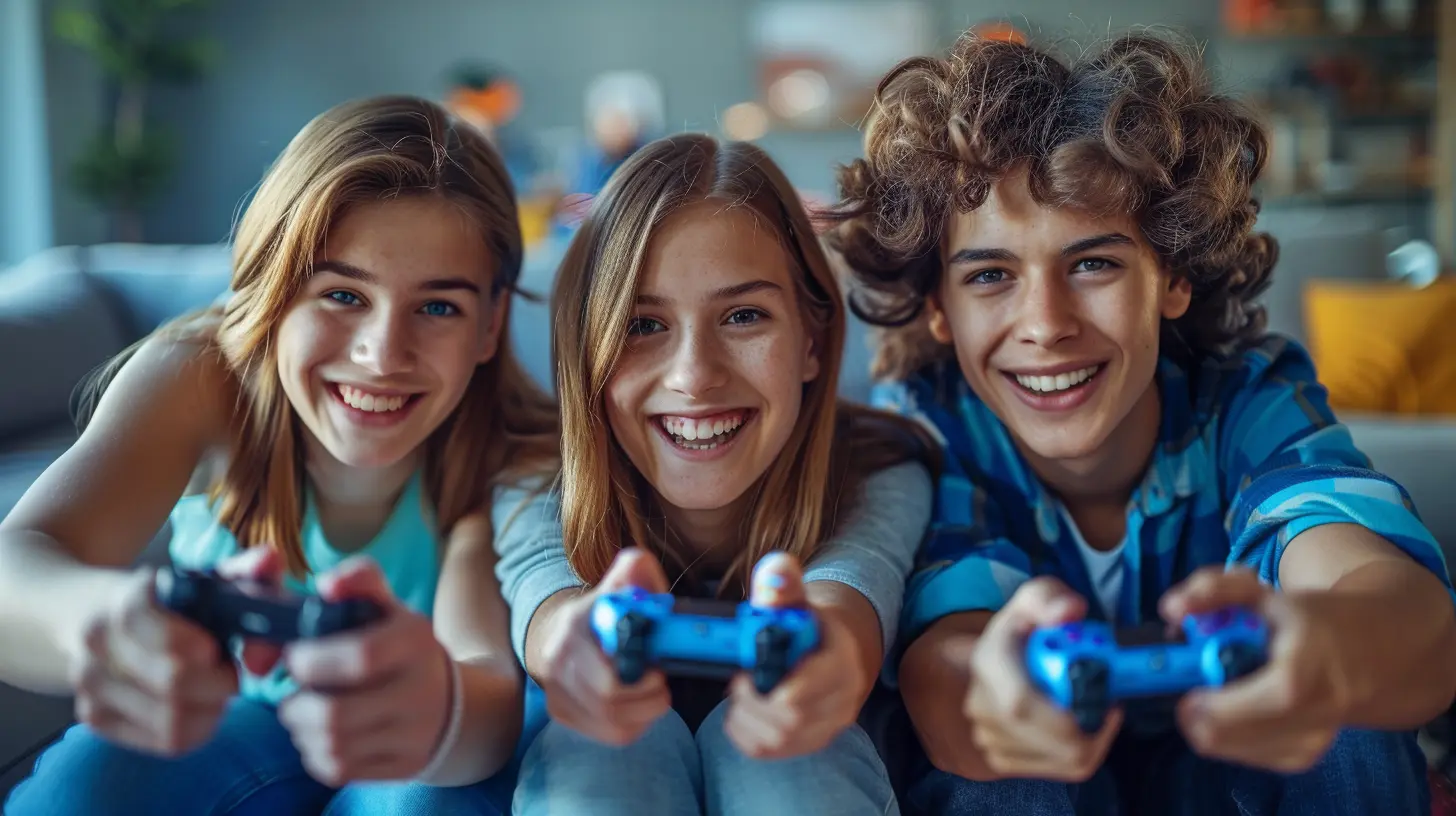
What Game Designers Can Do to Make a Difference
Here’s the fun part—this isn’t a lost cause. Developers and designers have plenty of tools at their disposal to make social games more neurodiverse-friendly. Here’s how they can flip the script.1. Customizable Settings for Sensory Comfort
Let’s give players the remote control over their own experiences. Sensory-friendly settings can include:- Adjustable volume levels (like muting certain sounds).
- Turning off flashing lights or animations.
- Custom HUD options to reduce visual clutter.
Games like Minecraft and The Sims already allow players to tweak their environments extensively. That’s not just cool—it’s accessible.
2. Multiple Communication Options
Not everyone wants to hop on a voice chat and scream “SUS!” at the top of their lungs. Offering multiple ways to communicate—like text, preset phrases, icons, or reaction emojis—gives players more agency.Better yet? Let players choose how they receive communications. For example, converting voice chat to text or getting visual cues instead of audio pings can make a world of difference.
3. Clear and Consistent Rules
No one wants to sit through a 30-minute tutorial explaining why they need 17 blue crystals to unlock the door of destiny. Streamline the rules, simplify language, and provide a "practice mode" or tutorial that players can revisit whenever they need.Oh, and tooltips? They're the unsung heroes of clarity. Use them.
4. In-Game Social Guides
Why not include NPCs or in-game prompts that offer helpful social cues? These can be as subtle or obvious as needed—like a friendly guide reminding players how to take turns or explaining what a specific emoji might mean.Think of it like having a helpful party host at your digital get-together. Fancy, right?
5. Moderation and Safe Spaces
Toxicity is a buzzkill for everyone. Let’s beef up those moderation features:- Give players tools to block, report, or mute others easily.
- Implement community guidelines that champion inclusion.
- Create private game modes where players can hang with trusted friends instead of the rando who thinks spamming is a personality trait.
How Players Can Support Neurodiverse Allies
This one’s for you, dear reader. You don’t have to be a game dev to make a difference. We all play a role in making gaming communities more inviting.Here’s how you can show up:
- Practice patience – Not everyone communicates or reacts the same way. That’s okay.
- Use inclusive language – Avoid sarcasm or vague phrases with new players. Clear is kind.
- Be a buddy – Pair up with players who seem left out or overwhelmed. Offer to help, not just compete.
- Respect boundaries – If someone doesn’t want to talk, let them chill. Gaming is supposed to be fun, not another social obligation.
Just think of yourself as a player with bonus empathy points.
Games That Are Doing It Right
So, which games are already waving the neurodiverse-friendly flag high? Let’s give a shout out to a few champs:? Animal Crossing: New Horizons
With its slow pace, clear objectives, and non-threatening social interactions, ACNH is a safe haven for many neurodiverse gamers. Plus, who doesn’t want to be friends with a talking dog?? Brain Parade’s See.Touch.Learn
Yes, it’s technically educational, but it’s also a prime example of designing with neurodiverse kids in mind. It uses visual-based learning to promote communication and recognition.?️♂️ Among Us (With Mods)
While the default version can be chaotic, modding tools allow for tailored gameplay. You can increase discussion times, turn off public voice chat, or create private lobbies with understanding players.? Roblox (With Parental Controls)
Roblox is like the sandbox of dreams. With customizable settings and the ability to create your own games, neurodiverse kids can tap into their creativity without the pressure of conformity.The Power of Play, When Everyone Can Play
Let’s wrap it up with a simple mantra: inclusion isn’t extra credit—it’s the baseline.Supporting neurodiverse players in social games isn’t about dumbing anything down or watering anything up. It’s about making sure that everyone, regardless of how their brain works, gets to share in the magic of gaming.
Because at the end of the day, whether you're hunting shiny Pokémon, crafting in Stardew Valley, or flailing around in Fall Guys, what truly matters is that you're having fun—and feeling welcome.
And really, isn’t that what gaming is all about?
Final Thought: More Hearts, Less Hurt
Neurodiversity is part of our shared human experience, and games have the power to reflect that—brilliantly, boldly, and beautifully. So let’s continue to build games (and communities) that say, "You belong here."Cue the victory music and roll credits... but keep the controller nearby—we’ve got worlds to explore, together.
all images in this post were generated using AI tools
Category:
Games And Social SkillsAuthor:

Aurora Sharpe
Discussion
rate this article
1 comments
Dash McPherson
Inclusive games enrich everyone's experience... vital insight!
June 13, 2026 at 4:42 AM
Aurora Sharpe
Absolutely! Inclusivity opens up new perspectives and makes games more enjoyable for all. Thanks for your insight!