How Steam Has Revolutionized Multiplayer Gaming
18 November 2025
If you've been gaming over the past couple of decades, chances are you've either used Steam or at least heard someone say, “Add me on Steam!” But what makes this platform such a big deal, especially when it comes to multiplayer gaming? Spoiler alert: It’s done way more than just put games in a digital storefront.
Steam hasn’t just kept pace with the evolving gaming world—it’s helped steer it. From making it super easy to play with friends to leveling the playing field for indie developers, Steam has changed the multiplayer gaming landscape in ways we’re still feeling today. Let’s dive into this digital juggernaut and see how it turned multiplayer gaming from a couch-bound activity into a global phenomenon.
🎮 What Is Steam, Anyway?
Before we get into the nitty-gritty, let’s get the basics out of the way.Steam is a digital distribution platform developed by Valve Corporation. It launched in 2003, initially to update Valve’s own games like Counter-Strike and Half-Life. But soon enough, it expanded into a full-on gaming marketplace and community hub. Today, Steam boasts tens of thousands of games, millions of daily active users, and a reputation as the top dog in PC gaming.
Now, let’s talk about the multiplayer magic.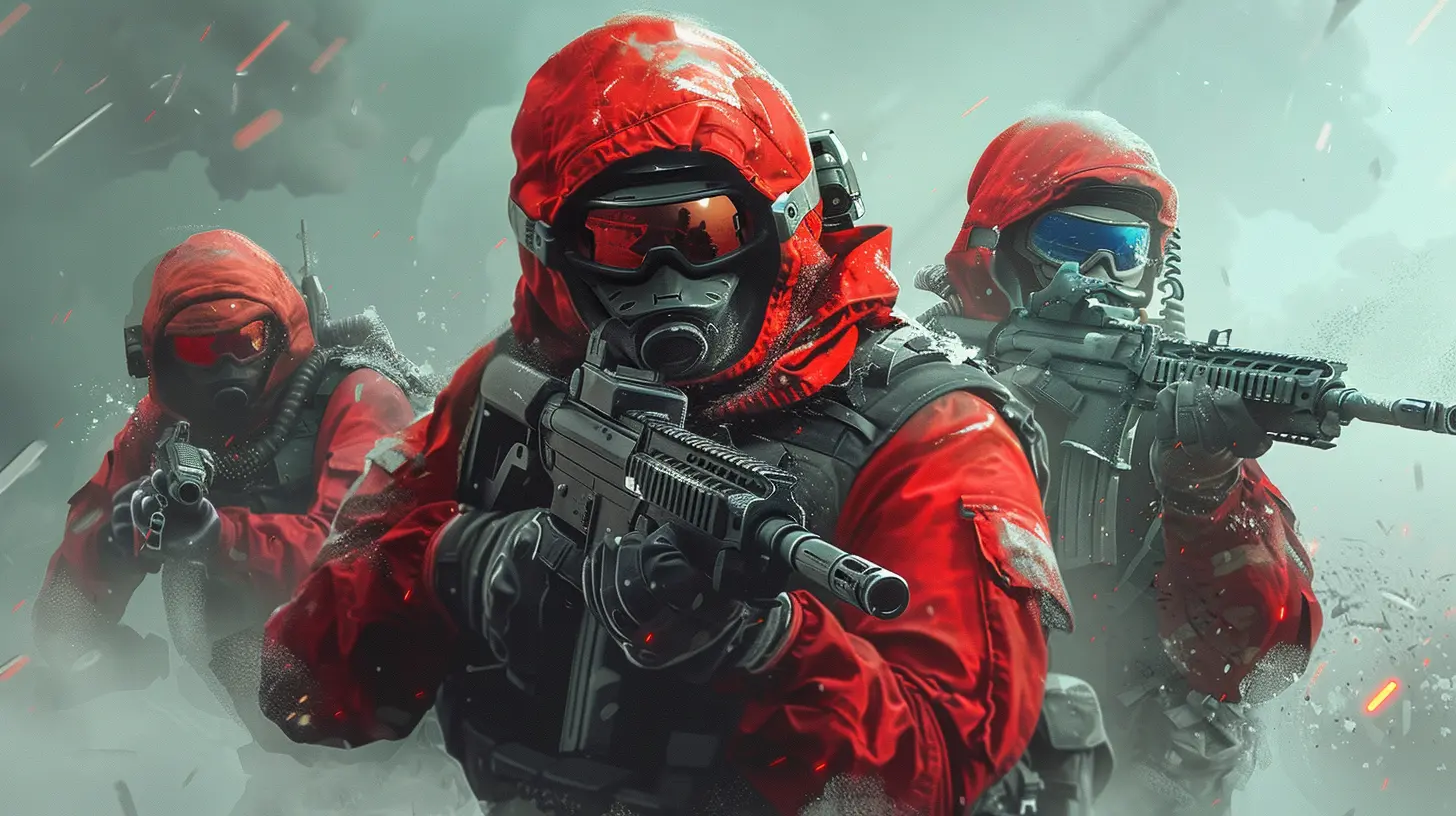
🌐 Making Multiplayer Accessible for Everyone
Remember the old days of multiplayer gaming? You had to know someone’s IP address, fiddle with local area network settings, and pray your internet didn’t decide to crash mid-game. Ugh, the horror.Steam said, “Nah, we can do better.”
👉 1. Seamless Friend Lists and Invites
Steam's friend system makes playing with friends as easy as sending a text. You just add someone once and you're connected forever. From there, game invites are straightforward. One click, and boom—you're in a lobby together.No more fiddling with server settings or sending long strings of numbers. Just click, connect, and play. It’s the kind of quality-of-life feature we now take for granted, but Steam made it the norm.
👉 2. Integrated Voice and Text Chat
Who needs third-party apps when Steam’s got built-in chat features? Whether you’re yelling at your buddy for missing that sniper shot or coordinating a raid, voice and text chat are right in the launcher. Combined with community features like group chats and forums, it turns Steam into your multiplayer HQ.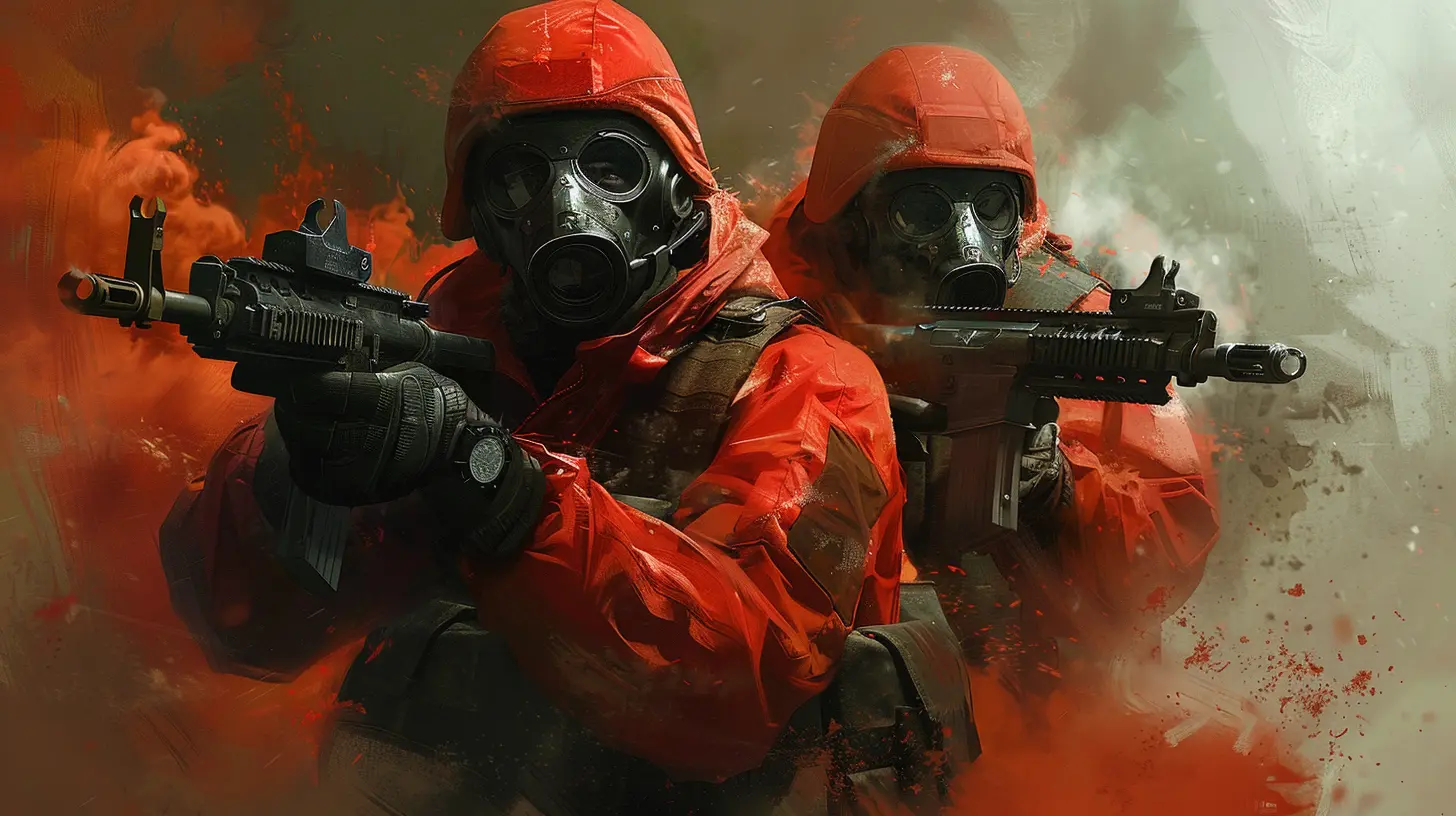
🚀 Game Servers Made Easy
One of Steam’s unsung heroes is the Steamworks SDK, a toolset that developers use to integrate Steam features into their games. This includes:- Matchmaking
- Achievements
- Leaderboards
- Dedicated Servers
Before Steam, finding a reliable multiplayer server felt like finding a needle in a haystack. Now? It’s baked right into most games. Steam’s backend handles the dirty work, matchmaking players with similar skill levels and low latency connections.
This setup massively cut down the learning curve for new players and raised the ceiling for competitive online play.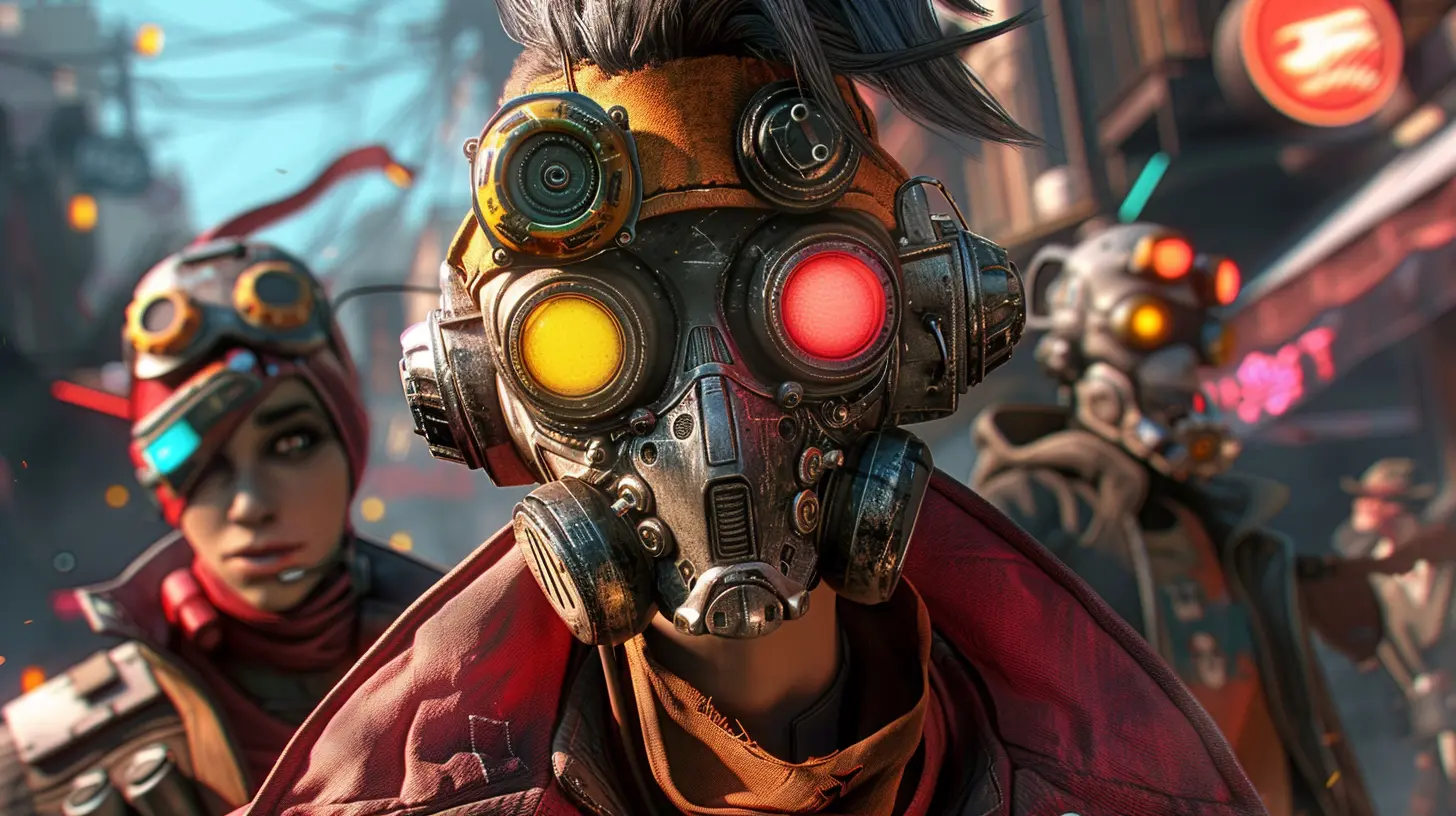
🌍 Connected the World Through Gaming
Steam didn’t just make online play easier—it made it global.🌐 Region-Free Multiplayer
Thanks to Steam’s wide international presence, you can game with people around the world. Sure, latency is still a thing, but with automated server selection and matchmaking, it’s manageable. And you get to meet players from places you never thought you’d connect with. It’s like hosting a virtual LAN party with the entire planet.🕐 Support for Asynchronous Multiplayer
Some games let you take a turn when you’re free, and your opponent plays later. Games like Civilization VI or Tabletop Simulator work beautifully for folks who can't be online at the same time. Steam makes this possible with its cloud save system and real-time game state syncing.💼 Empowering Indie Developers
Indie devs, this one’s for you.🚪Open Doors for Smaller Studios
Before Steam, getting your game distributed was a nightmare unless you had a publisher. Steam broke down those gates and said, “Hey, you’ve got something cool? Show it to the world.” It gave indie developers a platform where even small multiplayer games could find an audience.Take Among Us, for example. Released in 2018, it sat mostly unnoticed… until it exploded in 2020. Steam’s infrastructure made it easy for players to jump in, stream it, and invite friends. The rest is history.
🛠️ Steamworks Tools for Multiplayer Integration
Steam provides multiplayer frameworks, matchmaking APIs, and more—all free for devs who publish on Steam. That means quicker development, smoother gameplay, and fewer bugs for us players.🤝 Building Communities Beyond the Game
Steam isn’t just about playing; it’s about sharing the experience.💬 Game Hubs and Forums
Every Steam game has its own hub where players can post screenshots, write guides, discuss strategies, or ask questions. It’s like having a mini Reddit built into every game.And guess what? This heavily fuels the multiplayer scene. Strategy guides, team-building tips, and role-specific tactics for games like Dota 2 or Rainbow Six Siege help players level up fast.
🎥 Livestream and Screenshot Integration
Want to show off that insane headshot? Steam’s got your back. It lets you broadcast your gameplay, take instant screenshots, and share them with your friends or the broader community. This kind of content-sharing culture encourages more people to dive into multiplayer games, eager to create their own highlight-reel moments.🛡️ Advanced Anti-Cheat Systems
No one likes a cheater. Luckily, Steam's on it.🔍 VAC – Valve Anti-Cheat
Steam uses VAC, a system that detects cheats and bans players automatically. No warning, no appeal, just swift justice. This helps keep the playground fair and free of bad apples.Some games even pair VAC with their own security systems, giving cheaters almost nowhere to hide. Trust me—getting banned on Steam is like getting a digital scarlet letter. Everyone knows, and it ain’t pretty.
📦 Updates, Mods, and Crossplay Galore
If you’re the type of player who loves tweaking games or playing with folks on other platforms, Steam’s got you.🔄 Regular Updates
Steam makes keeping games updated effortless. No need to download a patch from a sketchy website—Steam auto-updates games, often while you’re asleep. That means developers can fix bugs and balance gameplay, keeping multiplayer experiences fresh and fair.🧩 Mod Support via Steam Workshop
Steam Workshop is a paradise for tinkerers. Want to add new maps, skins, or custom characters? Easy peasy. Games like ARK, Left 4 Dead 2, and Skyrim have thriving modding communities that fuel replay value and give multiplayer modes almost infinite variety.🔁 Crossplay Compatibility
While not every game supports it, many Steam titles now allow cross-platform multiplayer. Whether your buddy is playing on PC, console, or even mobile, there’s a good chance you can still team up. And that inclusivity? It’s pushing the entire industry forward.🏆 E-Sports and Competitive Gaming on Steroids
Steam didn’t just help casual multiplayer—it blew the doors wide open for competitive gaming.🎯 Games Built for Esports
Steam is home to staples like:- Dota 2
- Counter-Strike: Global Offensive (CS: GO)
- Team Fortress 2
These aren't just games. They're massive esports ecosystems with tournaments, sponsorships, and prize pools reaching into the millions. Thanks to Steam’s infrastructure, developers can focus on gameplay mechanics while Valve handles the logistics that keep multiplayer thriving.
🤑 In-Game Economies
Let’s not forget about skins and loot. Steam’s marketplace lets players buy, sell, and trade in-game items. While controversial at times, it adds an extra layer of strategy and engagement to multiplayer gaming. Heck, you can literally make money just by playing your favorite game.🔮 The Future? Even More Interconnected, Even More Immersive
We’re talking VR multiplayer, cloud gaming, and AI-assisted matchmaking. Steam's already dipping its toes into these waters with SteamVR and Steam Deck—a handheld gaming PC that's opening up lightweight, portable multiplayer.Let’s be honest: if multiplayer gaming is the party, Steam’s been the DJ making sure the vibes stay on point.
🧠 Final Thoughts
Steam didn’t just make multiplayer gaming more convenient—it fundamentally changed how we play, who we can play with, and what we expect from a game’s online experience. It tore down barriers, built thriving communities, and gave us a platform that feels like home for millions of gamers around the world.So next time you boot up a multiplayer match and everything just works? Thank Steam. It quite literally changed the game.
all images in this post were generated using AI tools
Category:
SteamAuthor:

Aurora Sharpe
Discussion
rate this article
2 comments
Kairo McConnell
Great insights on Steam's impact on multiplayer gaming! It's fascinating to see how its platform has transformed player interactions and accessibility. Looking forward to more discussions on this topic!
April 29, 2026 at 3:25 AM
Aurora Sharpe
Thank you! I'm glad you found the insights valuable. Steam's influence on multiplayer gaming really is a game changer. I'm excited to dive deeper into this topic too!
Opal McCarthy
Great article! Steam has indeed transformed the multiplayer gaming landscape by providing a robust platform for developers and players alike. Its features, like community hubs and seamless matchmaking, have fostered a thriving community and enhanced the overall gaming experience. Keep up the good work!
November 18, 2025 at 4:53 AM
Aurora Sharpe
Thank you for your thoughtful comment! I'm glad you appreciated the article and agree on Steam's impact on the multiplayer gaming landscape.