How Seasonal Events Influence Patch Releases
19 June 2026
Have you ever noticed how around Halloween your favorite game suddenly turns spooky? Or how December brings snowy maps and cheery jingles? Yeah, it’s not magic — it’s strategy. Game developers don’t randomly drop fresh content. These seasonal updates are carefully timed with patch releases. And believe me, there's a whole lot more going on behind the scenes than you might think.
In this article, we’re diving into how seasonal events influence patch releases, why this strategy is pure gold for both the devs and the players, and how it helps games stay alive (and poppin’) year after year.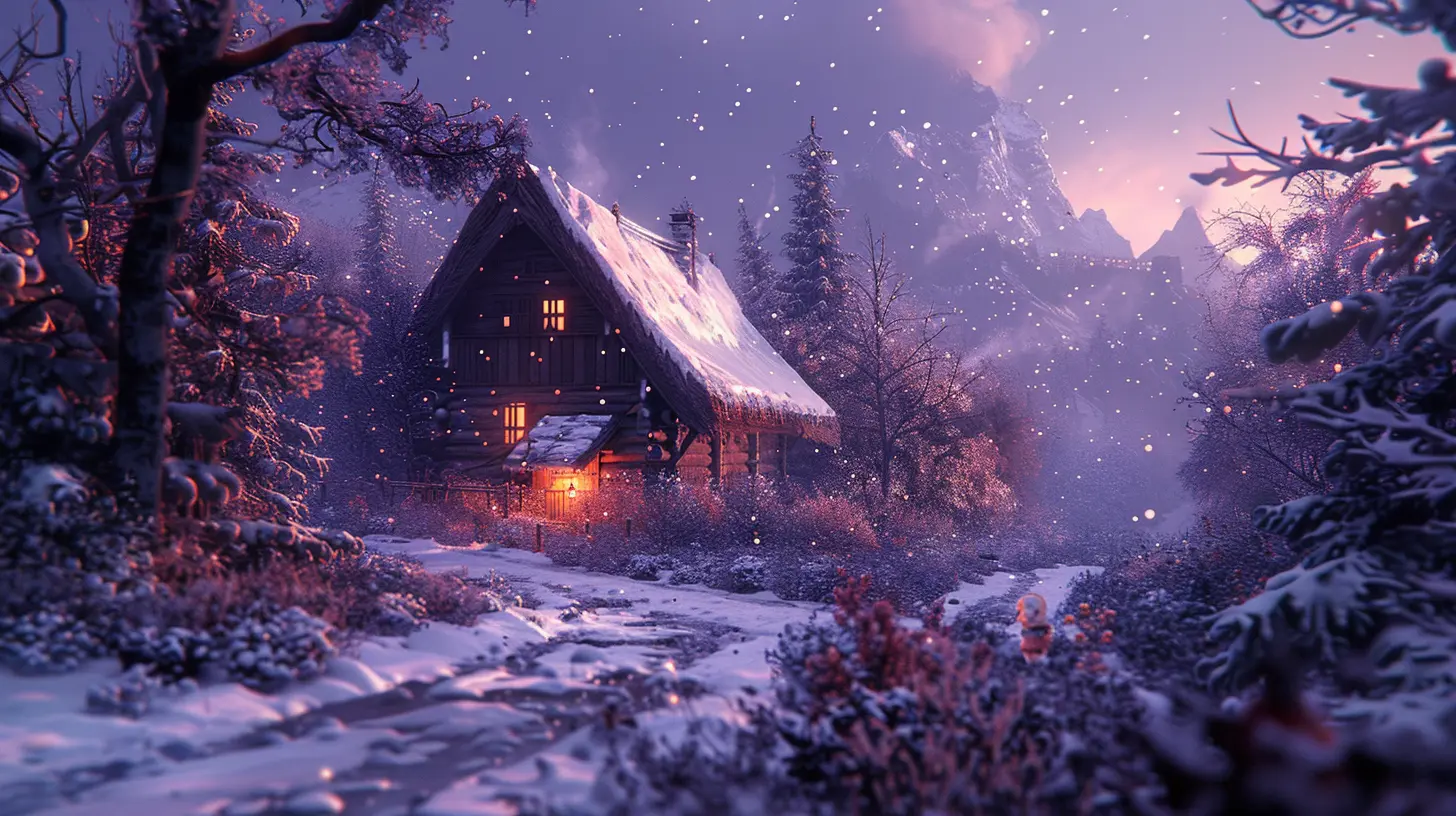
Why Seasonal Events Matter in Gaming
Let’s kick things off with a big question — why do seasonal events even exist in the first place?Well, think of them like a holiday party for your favorite game. They give players a reason to log back in, try new stuff, and feel like they’re part of something special. Whether it’s a summer-themed event with pool party skins or a spooky October dungeon full of pumpkins, these events create spikes of engagement, excitement, and most importantly… player retention.
From a developer’s perspective, seasonal events are the perfect excuse to drop a patch. And not just any patch — I’m talking about those juicy ones with fresh content, quality-of-life improvements, balance tweaks, and bug fixes wrapped in a seasonal theme.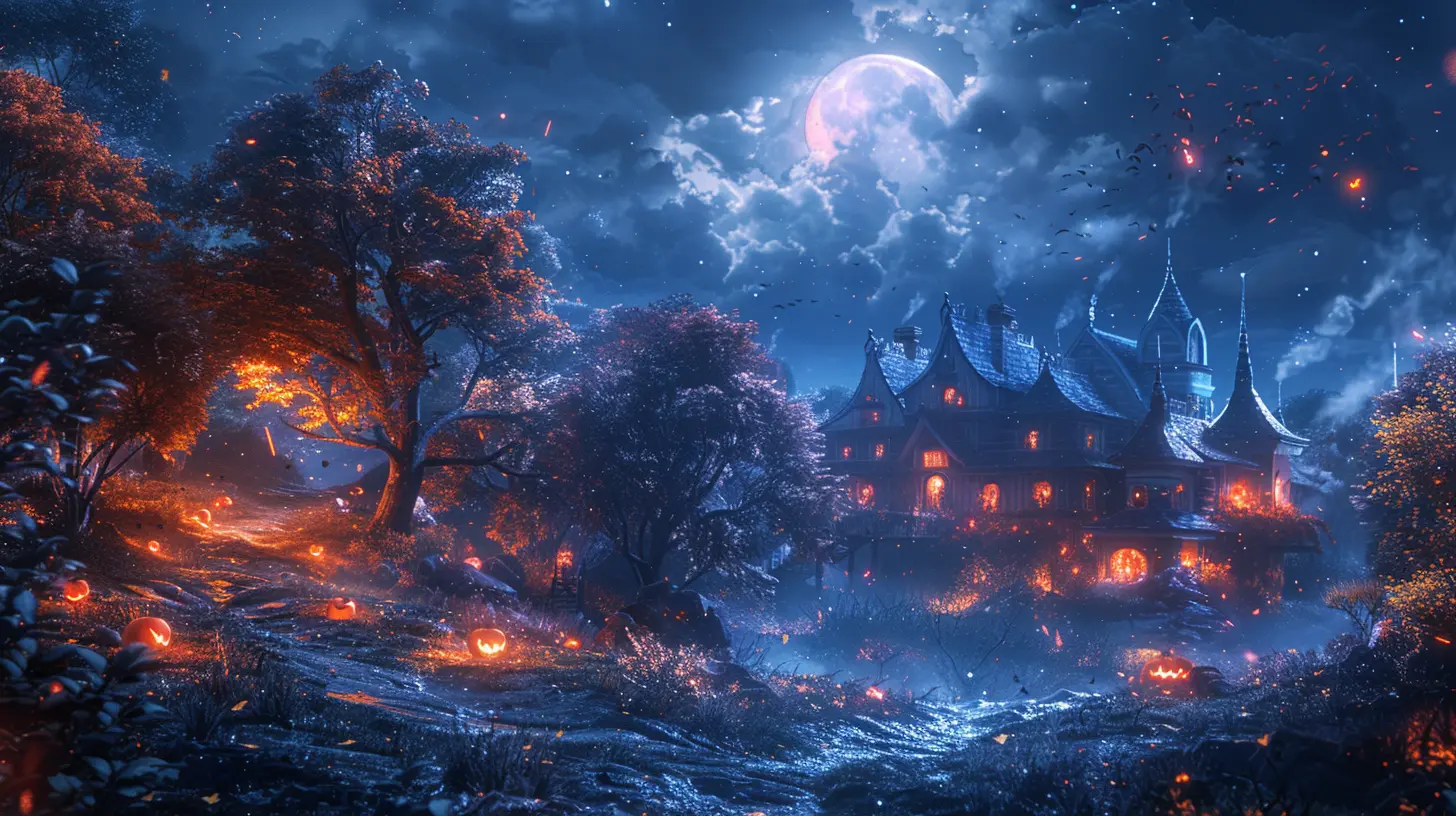
The Symbiotic Relationship: Patches and Seasonal Events
Here’s the thing — seasonal events and patch releases go together like peanut butter and jelly. Neither works as well without the other.Imagine a seasonal event dropping with no actual changes to the game. No new content. No fixes. Just a new coat of paint. Pretty underwhelming, right? Now flip it. A huge patch with balance changes, but nothing tying into the season or event — it might feel disconnected or poorly timed.
By syncing seasonal events with patch releases, developers create a stronger impact. A themed event gives the patch a purpose, while the patch gives the event substance.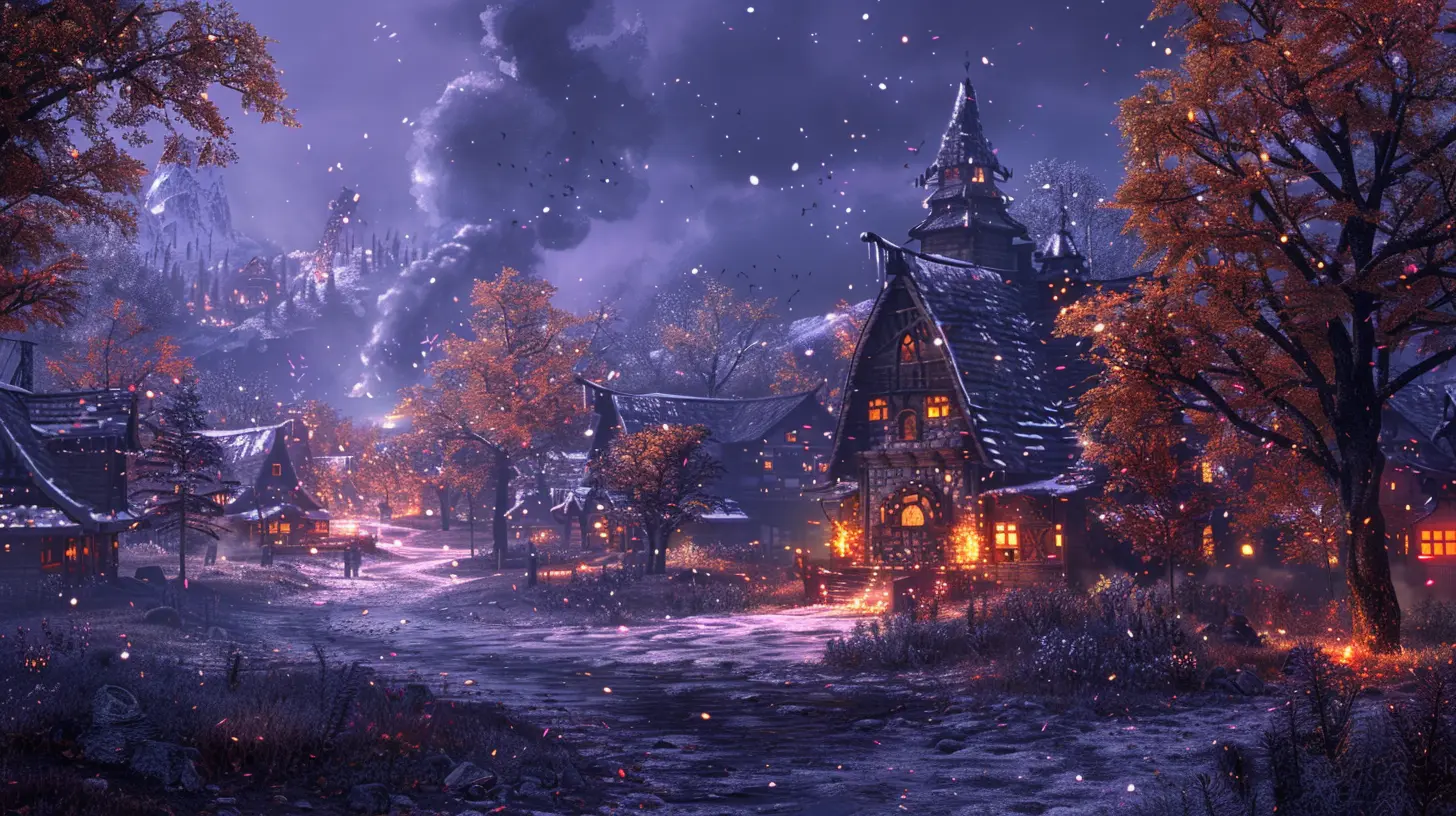
Timing is Everything: Planning Patch Releases Around the Calendar
Ever notice how events always seem to drop at just the right time?That’s not coincidence. Game studios often plan their development cycles around key points on the calendar — holidays, regional festivals, or even school vacations (because let’s face it, more free time = more players online).
Here’s a quick breakdown of how patch and event timings usually align:
- Winter Holidays: Think frosty skins, festive music, and snowy battlegrounds. Huge patch updates often roll out before Christmas to maximize player engagement during the break.
- Halloween: Spooky themes, limited-time horror modes, and creepy cosmetics. October patches are typically heavy on limited-time content.
- Lunar New Year / Spring Events: A big window for games that draw from Asian markets. Patches often bring event-related skins, quests, and new game modes.
- Summer Time: Perfect for beach party vibes, tropical maps, and relaxed gameplay modes. Summer patches often focus on lighter content and fun community events.
This strategy isn’t pulled out of a hat — it’s rooted in psychology and analytics. Devs know when players are most active... and they make sure their patches drop right then.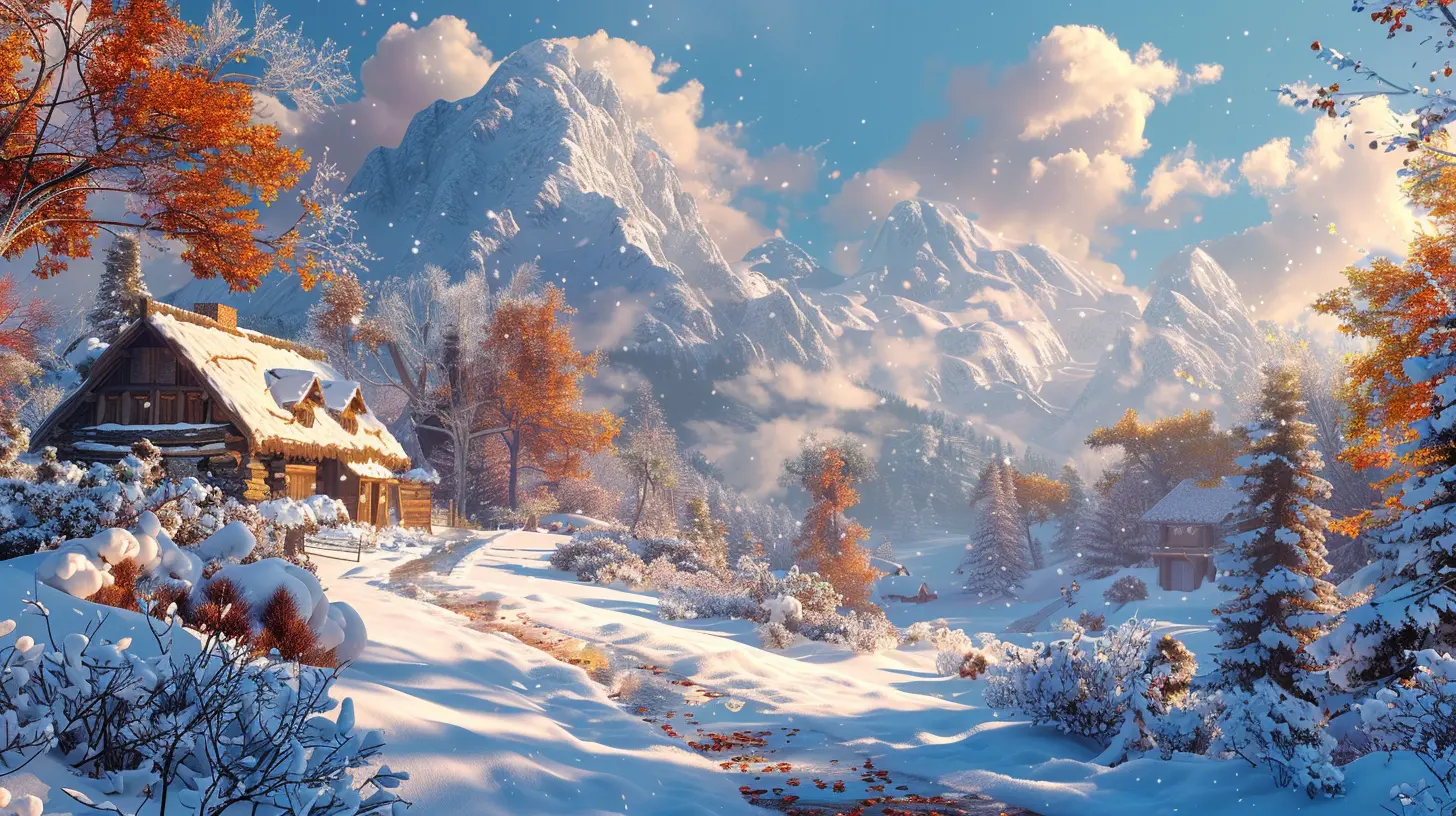
Content Refresh Without Reinventing the Wheel
One genius thing about seasonal patch releases? They refresh the game without needing a full overhaul.Instead of dropping an entirely new map or reworking systems, a seasonal patch might slightly tweak the current assets — snow covers the same map, but it feels brand new. A dungeon gets a Halloween makeover. A familiar event comes back with a few new twists.
These changes are relatively low-effort compared to major updates, but they keep the game feeling fresh and alive. It’s like switching out your wardrobe each season — same you, just with a different vibe.
Limited-Time Offers Heat Things Up
Let’s not forget one of the biggest drivers of seasonal patches: FOMO (Fear Of Missing Out).Developers are masters at creating urgency. When seasonal content is tied to a patch, and the window to enjoy it is limited, players rush to log in. Exclusive skins, mounts, battle passes, or rewards? Yep, you only have three weeks, so you better grind now or regret it later.
This urgency naturally boosts engagement, and it’s a clever way to reactivate dormant players. Suddenly the servers are packed again, queues are fast, and the whole environment feels buzzing.
Monetization Magic: The Business Behind the Patch
Let’s be real — seasonal events aren’t just about fun. They’re also about revenue.Patch releases tied to seasonal events often come with themed microtransactions. Think new skins, limited-time bundles, or exclusive loot boxes. Players are way more likely to spend during these windows, especially if the content feels rare or time-sensitive.
For developers, this is a gold mine. It’s a way to monetize without forcing pay-to-win mechanics. Players feel like they’re treating themselves during a special event — and that’s a powerful psychological nudge.
Developer Transparency & Community Hype
Another cool thing? Seasonal patches give developers a reason to communicate with their community.Patch notes, dev blogs, teaser trailers — these build hype and keep players in the loop. When players know what’s coming, when it’s coming, and why it’s happening, they're more invested. They feel like insiders, part of a community that’s growing and evolving.
Plus, developers often use these patches to test new ideas. Want to try a new game mode without overhauling the whole system? Wrap it in a seasonal theme and make it limited-time. If it works, great! If not, no harm done.
Examples That Nailed It
Let’s look at some games that totally crushed their seasonal patch strategy.- Fortnite: These guys are seasonal event pros. Each “Chapter” or “Season” comes with huge patches, complete map changes, and story developments—all tied to seasonal themes. From winter wonderlands to summer splash zones, Fortnite keeps it fresh.
- Overwatch: Themed events like “Halloween Terror” or “Winter Wonderland” bring new skins, PvE modes, and map decorations. They’re timed with patches that fix bugs, rebalance heroes, and make the game feel brand new.
- Destiny 2: Bungie knows how to time their seasonal content. With each season comes narrative content, activities, and patches that align perfectly. Their roadmap-style planning keeps the community excited year-round.
- Genshin Impact: Mihoyo’s seasonal events often drop during major patches. These include limited-time stories, characters, and system updates, making them feel like mini-expansions that constantly breathe life into the game.
The Emotional Hook: Why It Feels Good
Beyond updates and event mechanics, here’s where seasonal patches hit you in the feels.They tap into your real-life emotions. When it’s cold outside and you’re sipping cider, logging into a snowy version of your favorite MMO just hits different. It’s comforting, nostalgic, and oddly cozy. It mirrors your own seasons — making the game feel like part of your world.
That emotional tie is powerful. It’s why people feel connected to games without even realizing it. Seasonal patches aren’t just about content — they’re about creating memories.
Challenges Developers Face
Of course, syncing patches with seasonal events isn’t always smooth sailing.There’s pressure to deliver on time, every time. If a holiday patch is late? Players get salty. If it’s buggy? Social media blows up. Developers have tight deadlines, and seasonal patches leave zero room for delays.
Also, not every player celebrates the same holidays. So devs have to strike a balance — making the content broadly appealing without alienating any part of their global audience.
But despite the tough spots, the benefits outweigh the risks. Done right, seasonal patch strategy is a win-win.
Final Thoughts: Why It All Matters
So next time your game drops a quirky Halloween mode or a festive Christmas update, take a second to appreciate the magic behind it.These seasonal patches aren’t just fluff — they’re part of a well-oiled machine that keeps your favorite games alive, evolving, and exciting. They’re proof that developers are listening, planning, and working hard to keep the spark alive.
It’s not just about gameplay. It’s about connection, tradition, and the joy of returning to familiar worlds that are always changing. Seasonal events influence patch releases in ways that go deeper than pixels on a screen — they keep gaming communities thriving.
So yeah… patch day around a seasonal event? It’s like unwrapping a gift you didn’t know you needed.
all images in this post were generated using AI tools
Category:
Game PatchesAuthor:

Aurora Sharpe
Discussion
rate this article
1 comments
Monique Clarke
Seasonal events shaking up patch releases? It's about time! Developers need to stop playing coy and start delivering the goods. Nothing screams "we care" like fresh content aligned with holidays. So, bring on the fireworks, and let's see those patches drop like confetti. We've waited long enough!
June 24, 2026 at 5:10 PM
Aurora Sharpe
I hear you! Seasonal events really do add excitement and urgency to updates. Fresh content tied to holidays keeps players engaged and shows that developers are listening. Let's hope for more timely releases ahead!