How Patches Influence the In-Game Economy
19 July 2026
If you’ve ever spent time grinding gold, flipping items on the auction house, or collecting rare loot in your favorite game, you’ve probably noticed something strange: one little patch can make your hard-earned stash practically worthless—or super valuable overnight. Yep, patches don’t just tweak combat or fix a few annoying bugs. They can totally shake up the in-game economy.
In this article, we’re diving deep into how patches influence the in-game economy. We'll break down what patches are, how they change the value of items, why developers push economy-shifting updates, and how you (yes, you!) can stay one step ahead of the game.
What Exactly Is a Patch?
First things first—what’s a patch, anyway?Think of a patch as a software update for your game. It might fix glitches, balance characters, add new content, or remove exploits. Developers release patches regularly to keep games fresh, fair, and running smoothly. But here's the kicker: even if the developers don’t intend to mess with the in-game economy, it still happens. Often.
You know that one rare sword you spent hours farming? After a patch, it might drop more often—now everyone and their guild leader has it. Boom: value plummets. Or maybe a crafting material becomes key to a new meta build. Suddenly, it’s like digital gold.
The Butterfly Effect: Small Changes, Big Economic Shifts
When you hear “economy,” you probably don’t think “video games,” but in-game economies can be just as complex as real ones. There are supply and demand systems, market fluctuations, inflation, and even hoarders.So let’s say a patch increases the drop rate of rare gems. More players get them. That means more supply in the market. What happens when supply goes up but demand stays the same? That’s right—prices crash.
But it works the other way too. Remove an item from dungeon loot tables and suddenly it becomes rarer. Demand skyrockets. Players who still have that item might just be sitting on a digital gold mine.
Real-Life Examples: Patches That Wrecked (or Boosted) Economies
Let’s dig into some juicy examples from the gaming world:World of Warcraft (WoW)
WoW’s economy is practically legendary. With every expansion or major patch, materials, gear, and gold values go haywire. One infamous example? The "WoD Garrison Gold" patch. Players could make heaps of gold through garrisons—until Blizzard nerfed the mechanics. Gold-making methods that once brought in thousands per day were suddenly obsolete.RuneScape’s Grand Exchange Meltdowns
RuneScape players know the pain of holding onto items that get rebalanced. A single patch that changes the combat effectiveness of a weapon can tank its value in the Grand Exchange. One moment you're rich; the next, you’re stuck with junk.Diablo III’s Auction House Chaos
Remember when Diablo III launched with a real-money auction house? It didn’t take long for players to exploit systems, flip items, and mess with market prices. Patch after patch tried to restore balance, but it eventually got so bad that Blizzard axed the feature entirely.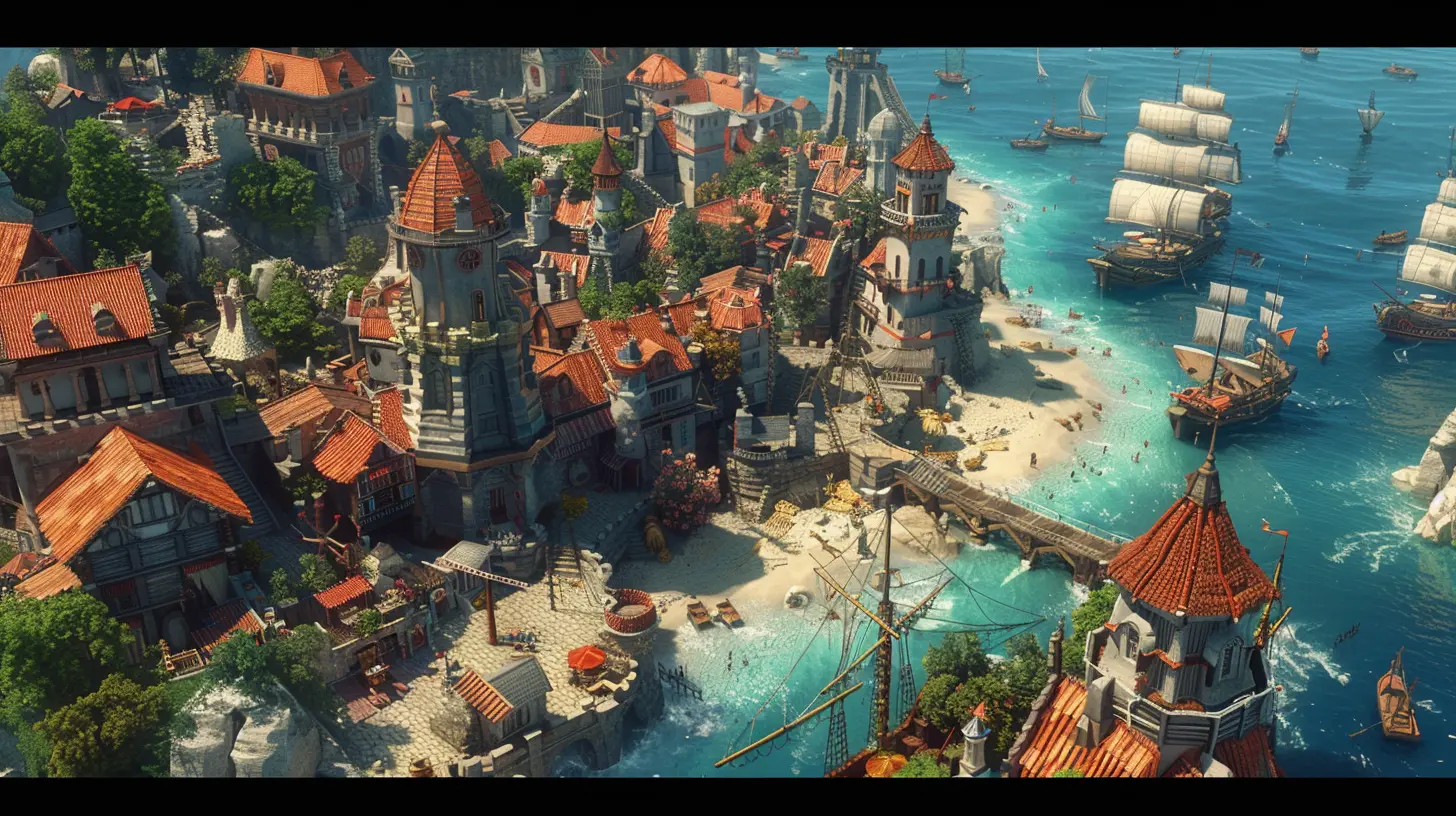
The Developers’ Point of View: Why Shake Things Up?
You might be wondering—why would devs risk crashing their own game economy?Well, developers aren’t trying to ruin your day. They patch with good intentions: balance gameplay, refresh the meta, patch exploits, or keep players engaged.
Sometimes a patch is meant to fix economic problems—like inflation. If too much currency is floating around, devs may introduce "gold sinks" (i.e., expensive mounts, repair costs) or nerf gold farming spots.
Other times? It’s all about engagement. A patch might encourage players to farm new resources or push different game modes. These changes keep the game feeling alive—but they always come with economic side effects.
How Players React (Spoiler: It’s a Rollercoaster)
Players aren’t just passive shoppers. They’re investors, speculators, even economists in their own right. In fact, some veteran players treat patch notes like stock market reports—reading every line to predict the next big money-maker.When a patch drops:
- Some players panic-sell when they see item value dropping.
- Others hoard items that might become rare.
- Market manipulators buy up all copies of a low-supply item, then relist for huge markups.
- Clever crafters and farmers shift their strategy ahead of the curve.
It’s like a digital version of Wall Street—complete with pump-and-dump schemes and market crashes.
Inflation, Deflation, and Digital Currencies
Let’s talk in-game currency. Gold, credits, caps—whatever it’s called, you need it. And just like real-world money, it’s subject to inflation and deflation.Inflation: When Gold Loses Its Value
Ever played a game where millions of gold felt like pennies? That’s inflation. It usually happens when patches make it too easy to earn currency. Suddenly everyone’s rich, so prices go up. That epic mount? It used to be 5,000 gold. Now it’s 500,000.Deflation: When Prices Drop Fast
Sometimes, a patch removes currency from circulation or makes items easier to farm. Prices fall, and your gold gets you more than it used to. Sounds great, right? Not always. If you’re a seller, you might be making less profit on items you worked hard to get.Player-Driven Economies vs. Developer-Controlled Ones
Not all games are created equal. Some games give players massive control over the economy, while others lock everything down.Games with Player-Driven Economies
In titles like EVE Online or Albion Online, almost every item is crafted, traded, or bought by real players. A patch can have huge ripple effects here—changing the value of entire supply chains.Games with Fixed NPC Shops
In games where prices are controlled by NPCs—think Pokémon or Legend of Zelda—the economy is more stable. But even here, patches can adjust drop rates and availability, which changes how players interact with the world.How to Stay Ahead of Patch-Induced Economic Changes
Here’s the part where you, dear reader, grab the upper hand. Ready for some tips?1. Read Patch Notes Like a Detective
Seriously, take notes. Look for keywords like “drop rate,” “buff,” “nerf,” or “removed.” These tiny tweaks scream opportunity.2. Watch the Community
Reddit, Discord, and YouTube are goldmines of insight. The minute testers or early birds notice change, discussions pop up. Plug in.3. Diversify Your Assets
Don’t keep all your loot in one basket. Spread out your investments—some currency, some gear, some crafting mats. If one market crashes, you’ve got backups.4. Buy Low, Sell High
It’s cliché, but it works—especially when you anticipate patches. Snag underpriced items that might become scarce, then cash out when the patch hits.5. Adapt or Die (Digitally)
If you’re stuck farming outdated content or hoarding nerfed items, you’re going to fall behind. Stay nimble, adjust your gameplay, and follow the trends.The Inevitable Long-Term Effects
Over time, patches don’t just change individual item prices—they reshape the entire in-game economy. Old farming spots get abandoned. New trade hubs emerge. And the economy evolves.This cycle keeps games alive but also means no economic strategy lasts forever. That’s part of the fun, though. It’s like a giant game of Monopoly where the rules change every few weeks.
Final Thoughts: Embrace the Chaos
Look, patches are going to happen. They’ll blindside you, wreck your item stash, and maybe even make you rage-quit once or twice. But they also keep games interesting. Without change, the economy gets stale, and the game starts to feel like a grind.So instead of fighting the current, learn to surf it. Watch trends. Get informed. Experiment. And who knows? Maybe next patch, you’ll be the one laughing all the way to the (digital) bank.
all images in this post were generated using AI tools
Category:
Game PatchesAuthor:

Aurora Sharpe