How Games Help Build Trust Within Groups
3 May 2026
Building trust within a group is no joke. Whether it's a bunch of coworkers trying to bond, a family bridging the generational gap, or a group of friends navigating complex social dynamics, trust isn't something that just magically appears. It’s built. Brick by brick. And believe it or not—games? Yeah, games are like the ultimate trust-building toolkit bundled up in fun.
You might be thinking: “Seriously… games?” But hang tight. We're not just talking about any aimless button-mashing. We're talking about cooperative games, party games, team-based multiplayer games, and tabletop classics—all of which have a sneaky way of turning strangers into allies and teammates into lifelong friends.
In this article, we’ll dive deep into how games help build trust within groups. By the time you’ve read through, you’ll probably see your favorite co-op game in a whole new light.
Why Trust Is So Hard to Build (and Why It Matters)
Let’s face it—trust doesn’t grow overnight. In any group setting, especially when people come from different walks of life, trust is earned through shared experience, consistency, and yes, a bit of vulnerability.Trust is the glue that holds teams together. Without it? Miscommunication happens. People play safe instead of taking risks. Conflict brews. Productivity drops. Whether it's your gaming clan, your startup team, or your book club—trust is what fuels progress.
So how do you make trust-building less awkward, less forced, and a LOT more enjoyable?
You play.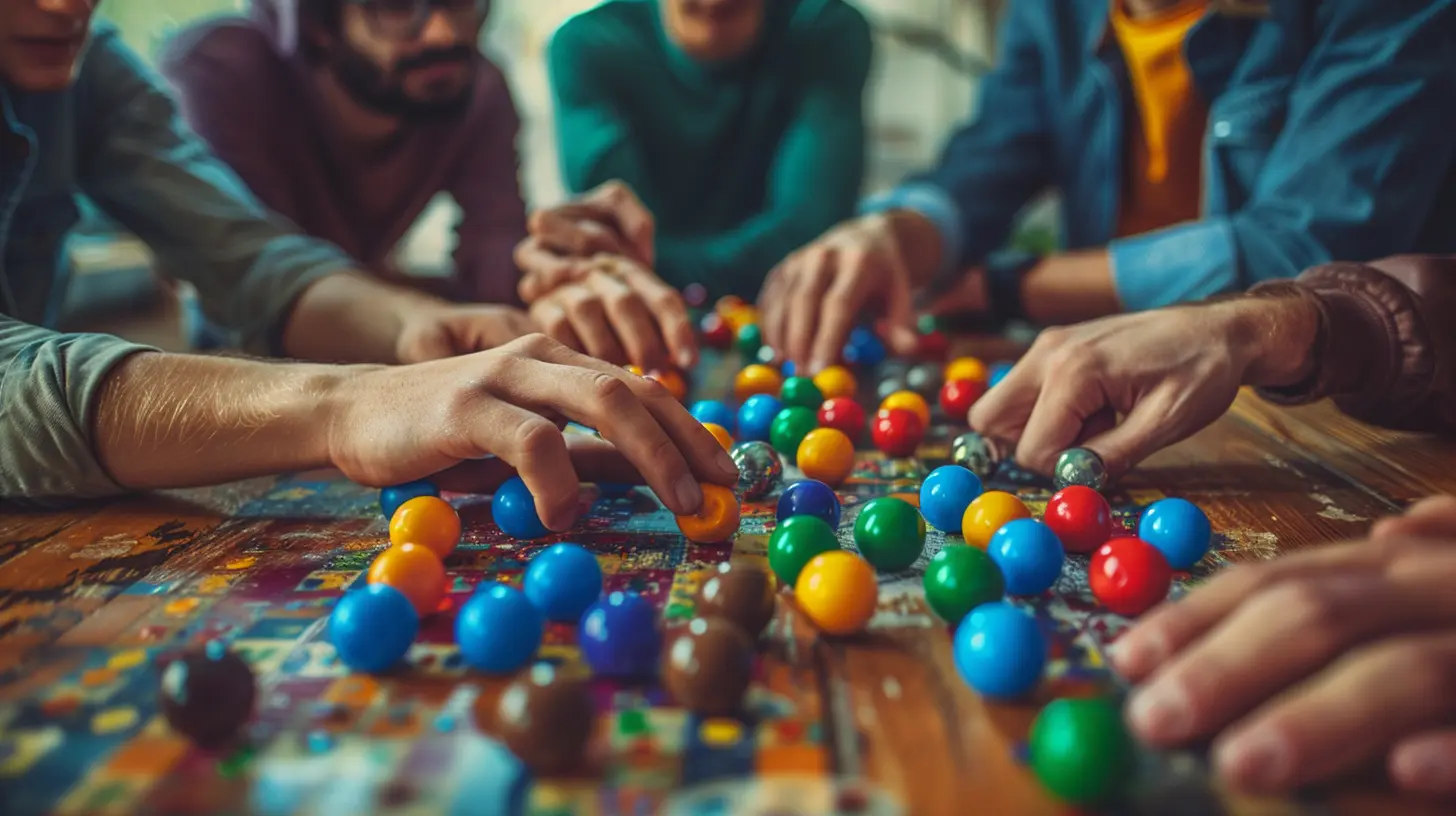
The Psychology Behind Gaming and Trust
Here’s where things get pretty fascinating. Games tap into our basic human psychology in ways many interactions just can't.1. Shared Goals Break Down Barriers
Let’s take something like "Overcooked" or "Keep Talking and Nobody Explodes." These games are chaotic. You have to work together, yell instructions, manage roles, and adapt under pressure. Without even realizing it, players form a rhythm. They start anticipating each other’s moves. That rhythm? That’s the sound of trust forming.A shared objective binds people. You’re on the same side. You win together or lose together. That unity is key when building trust.
2. Cooperation Requires Vulnerability
Ever biffed a puzzle in "Portal 2" or caused your crew’s demise in "Among Us"? Yeah, we’ve all been there.Games force us to take risks, make mistakes, and sometimes completely embarrass ourselves. And when we realize that it’s okay—that the team still has our back—that’s a trust milestone. Vulnerability without fear of judgment? That’s powerful stuff.
3. Immediate Feedback Builds Confidence
In most games, feedback is real-time. You know instantly if a strategy worked or if you need to pivot. And when players give constructive feedback or praise in the moment, that reinforces a positive loop. Players start to rely on each other’s judgment, decisions, and skills.
Different Types of Games That Build Trust
Some games are better suited for bonding than others. Let’s break them down:1. Cooperative Video Games
These are the gold standard for building trust. Think "It Takes Two", "Phasmaphobia", or even "Minecraft" in survival mode. These games force collaboration, communication, and mutual support.You can’t succeed by going solo—and that’s the whole point.
How do they help build trust?
- Relying on others for survival or success.
- Adaptive challenges that require constant communication.
- Encouragement of role distribution and task ownership.
2. Tabletop Games
Board games like "Pandemic," "Codenames," and "Werewolf" bring the trust-building vibe to a physical table.Better yet, they break screen fatigue and bring back face-to-face interaction. In social deduction games like "Secret Hitler" or "Resistance," trust is literally the name of the game. You have to bluff, trust, betray, and forgive—all in one night.
Why do these shine?
- They encourage eye contact, body language reading, and emotional intuition.
- They’re tactile, making the experience more personal.
- They balance fun with social depth.
3. Team-based Competitive Games
Even in competitive multiplayer games like "Valorant," "League of Legends," or "Rocket League," trust is pivotal. Sure, the adrenaline is high, but the best teams win because of synergy—not individual brilliance.What trust-building magic happens here?
- Teams develop unspoken strategies and callouts.
- There's pressure, which reveals character.
- Players learn to rely and support one another, even when stuff hits the fan.
Real-World Applications: Games Beyond the Screen
Alright, let’s take this further. What if games aren’t just for fun nights or online lobbies?Let’s talk real-life settings where games are the secret sauce to group trust.
1. Corporate Team Building
You’ve probably heard “team-building exercise” and cringed. But replace trust falls with a dungeon crawl in "Dungeons and Dragons"? Suddenly, everyone's engaged.Businesses are catching on. Gamified workshops, digital escape rooms, and interactive simulations are being used to strengthen trust among employees.
2. Classrooms and Education
Teachers are incorporating educational games and simulations to help students collaborate better and trust one another. Bonus? It boosts learning retention.Trust makes students feel safe to share, ask questions, and support each other.
3. Therapeutic Environments
Group therapy sessions sometimes use role-play games to build empathy and trust. It allows participants to express themselves, tackle conflict, and form connections in a controlled, yet creative space.Games remove the “walls” people often put up. They replace stiffness with shared stories.
The Role of Communication in Trust and Gaming
If trust is the destination, communication is the path. Good games make players better communicators. Great games make players better listeners.In games, there’s no room for ego (well… not if you want to win). Yelling over your teammates? You’ll lose. Not sharing crucial info? Everyone suffers.
The more you play together, the more you learn to read each other. You start noticing voice changes, reaction times, tones. You communicate more clearly, more efficiently—and boom—team synergy levels up.
Communication builds trust. And games make communication second nature.
Conflict, Resolution, and Deeper Bonds
Here’s the thing—playing games together doesn’t mean everything's sunshine and rainbows. In fact, conflict is part of the process. Someone missteps. Someone gets overcompetitive. Someone throws out a wild accusation in "Among Us" and chaos ensues.But here’s the kicker: conflict, when handled well, builds even more trust.
- You learn how people react under stress.
- You figure out how to support instead of escalate.
- You practice forgiveness and compromise.
That’s pretty deep stuff for a game night.
Trust That Lasts Beyond The Game
When the headset comes off or the board pieces are packed away, something lingers. Inside jokes. Shared memories. A deeper sense of connection.Trust built in games often translates to real-life confidence in each other. It sets the foundation for collaborative work, stronger friendships, better communication, and mutual respect.
Gamers who’ve gone into battle together—virtual or not—tend to stick together. Why? Because they’ve been tested. And they’ve passed.
Tips to Maximize Trust-Building Through Games
If you’re sold on the idea (and you should be), here are a few tips to turbocharge the trust-building magic:1. Choose the Right Game
Go for games that emphasize teamwork over competition (at least at first). Not everyone thrives in aggressive PvP environments.
2. Keep It Casual At First
No one likes pressure right off the bat. Start with light, fun games to ease people into the groove.
3. Rotate Roles
Let everyone take the lead in different aspects throughout the game. This builds mutual respect.
4. Debrief After Playing
Talk about key moments. Laugh at the chaos. Reflect on the teamwork. It ties the emotional bow.
5. Consistency Matters
Trust builds over time. Make gaming sessions regular if you’re serious about building stronger group dynamics.
Final Thoughts: Trust, One Game At A Time
In a world buzzing with emails, meetings, and masked conversations, games offer an authentic way to connect. They strip away formalities, disarm pretenses, and invite people to be themselves.Games don’t just build trust—they accelerate it. They create environments where vulnerability isn’t punished, where communication is celebrated, and where cooperation trumps competition.
So the next time you’re trying to bring a group closer together, fire up that console, break out that board game, or jump into that RPG campaign.
Because sometimes, throwing a virtual banana peel or building a shelter together in a zombie apocalypse is all it takes to say, “Hey, I’ve got your back.
all images in this post were generated using AI tools
Category:
Games And Social SkillsAuthor:

Aurora Sharpe
Discussion
rate this article
2 comments
Liam McKee
Games create connections that go beyond competition. They foster understanding and teamwork, showing us that trust is essential for building strong and resilient groups.
May 3, 2026 at 2:37 PM
Aurora Sharpe
Absolutely. Games not only encourage collaboration but also deepen relationships, making trust a vital part of any successful team.
Valeris McWain
This article presents a compelling perspective on the role of games in fostering trust. It's fascinating how shared experiences can strengthen bonds within groups. Games not only create fun memories but also promote teamwork and open communication, essential elements for building lasting relationships. Thanks for sharing!
May 3, 2026 at 3:09 AM
Aurora Sharpe
I'm glad you found it compelling! It's amazing how games can really bring people together and enhance those important connections. Thanks for your feedback!