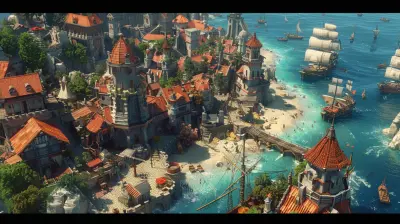
How Game Updates Are Reshaping Competitive Play
9 February 2026
You know that rush of excitement (or dread) when your favorite game drops a new patch? Whether you're a casual weekend warrior or someone grinding the ranked ladder daily, game updates can feel like a blessing—or a curse.
Things shift. Meta flips on its head. Your go-to character gets nerfed, and suddenly you're wondering if it's time to learn someone new. This isn't random. Game updates are the pulse of competitive gaming. And in this post, we're going to dive deep into how these updates are reshaping the way competitive games are played today.
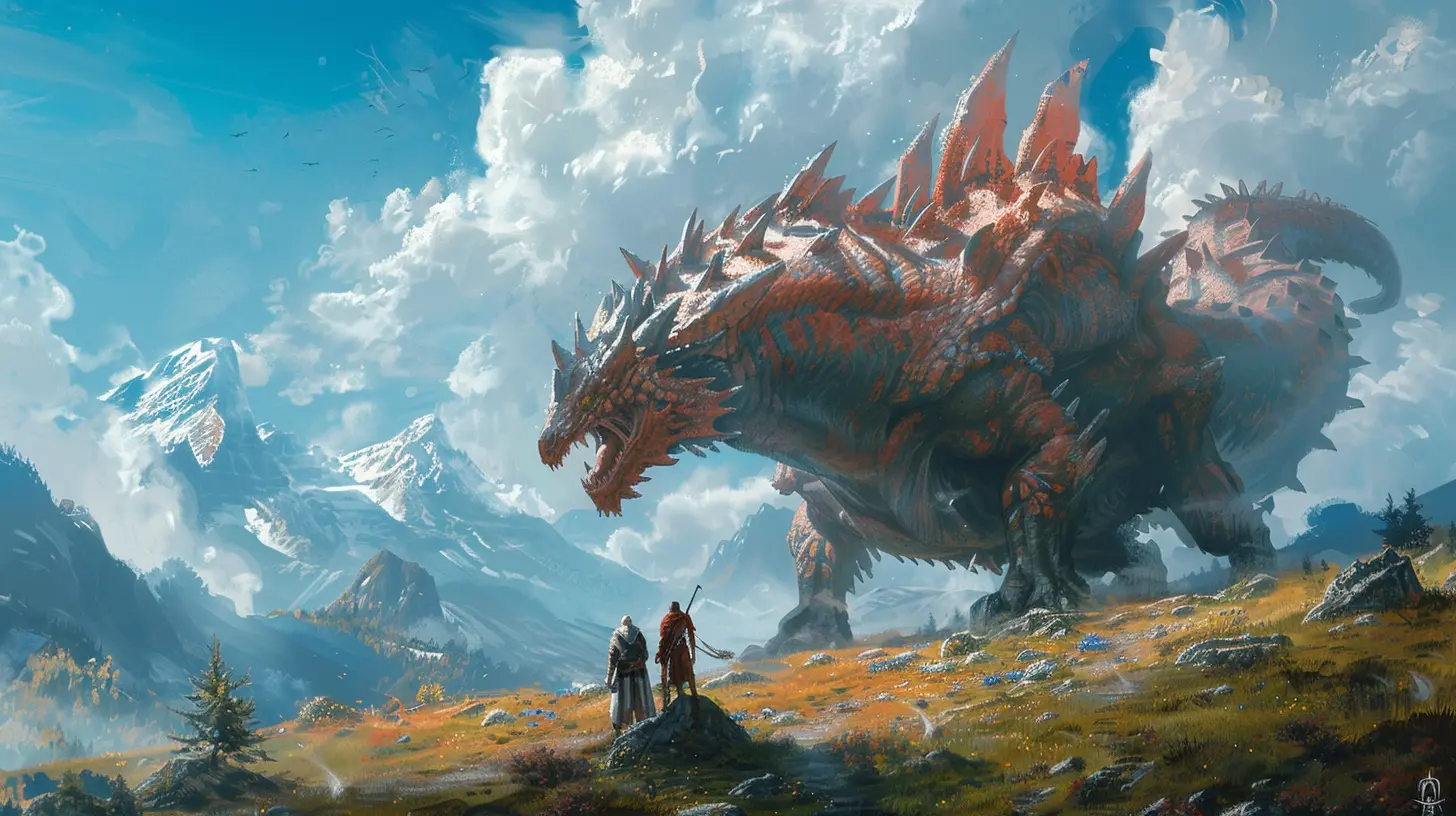
Game Updates: More Than Just Bug Fixes
Most of us think of game updates as just fixing bugs or adding new skins. But behind the scenes, they're doing something much bigger—they're redefining how the game is played.Think of them like plot twists in a TV series. Just when you've figured everything out, the rules change. Nerfs, buffs, new maps, reworked mechanics—these aren't side additions. They're the writers' way of making sure the story (in this case, the competition) never gets stale.
Game updates constantly breathe new life into the competitive scene. Without them, games would run the risk of becoming repetitive and predictable. That’s definitely something no one wants.
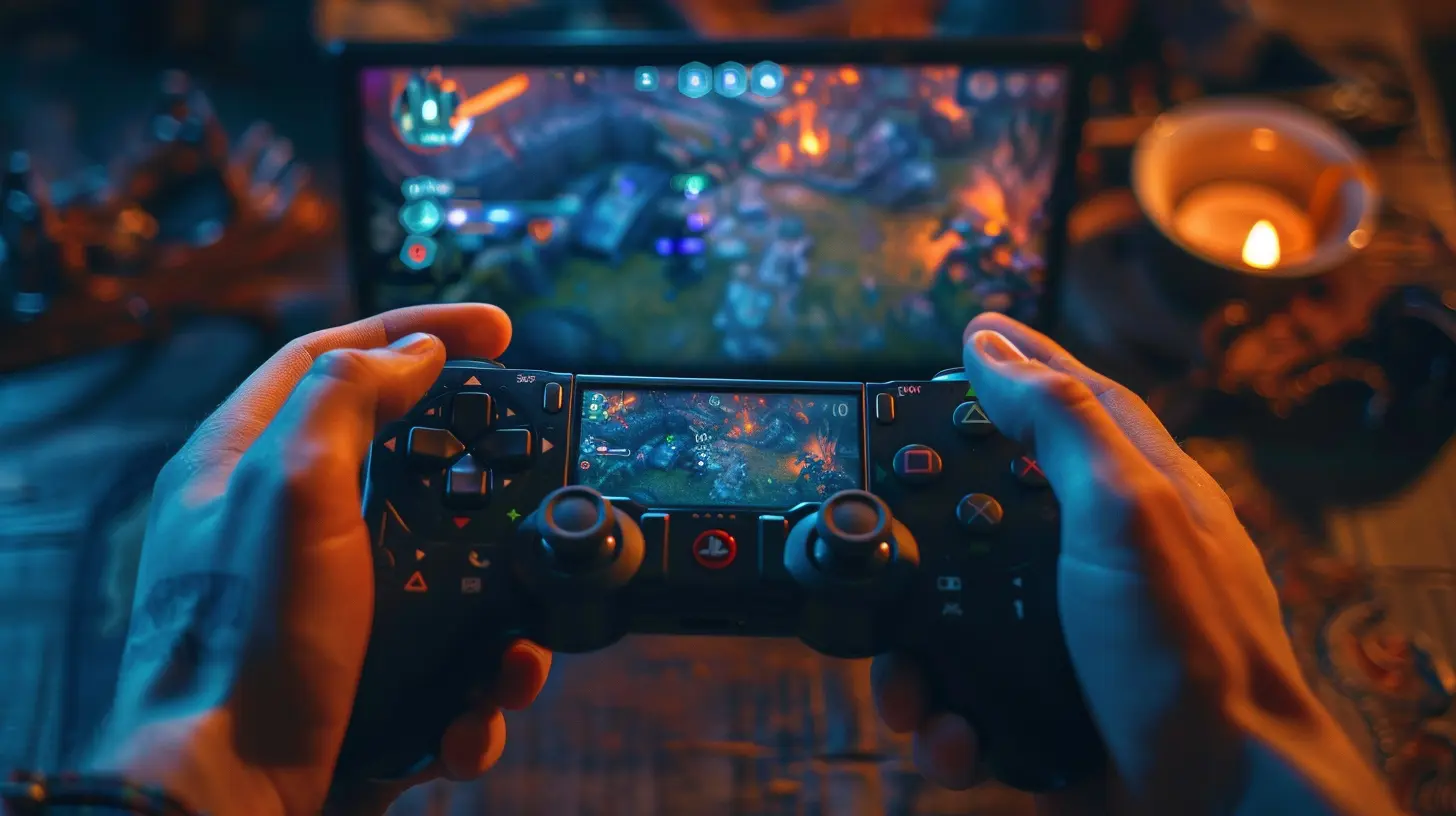
The Meta: A Moving Target
Ever heard the term “meta”? It's short for "most effective tactics available." In competitive gaming, the meta determines which strategies, characters, or weapons dominate.Now here's the kicker: game updates directly influence what's meta.
Let’s take MOBAs like League of Legends or Dota 2 as examples. Every few weeks or months, patches tweak character stats or introduce new abilities. A champion that was considered weak last month might be top-tier today because of a minor buff.
And in games like Overwatch or Valorant? A single ability rework can flip the entire strategy at pro-level play.
Suddenly, that hero you never picked becomes essential. Teams scramble to adapt. Players have to learn new roles or strategies. That’s evolution in real-time, driven entirely by developers’ fingers tapping away at patch notes.
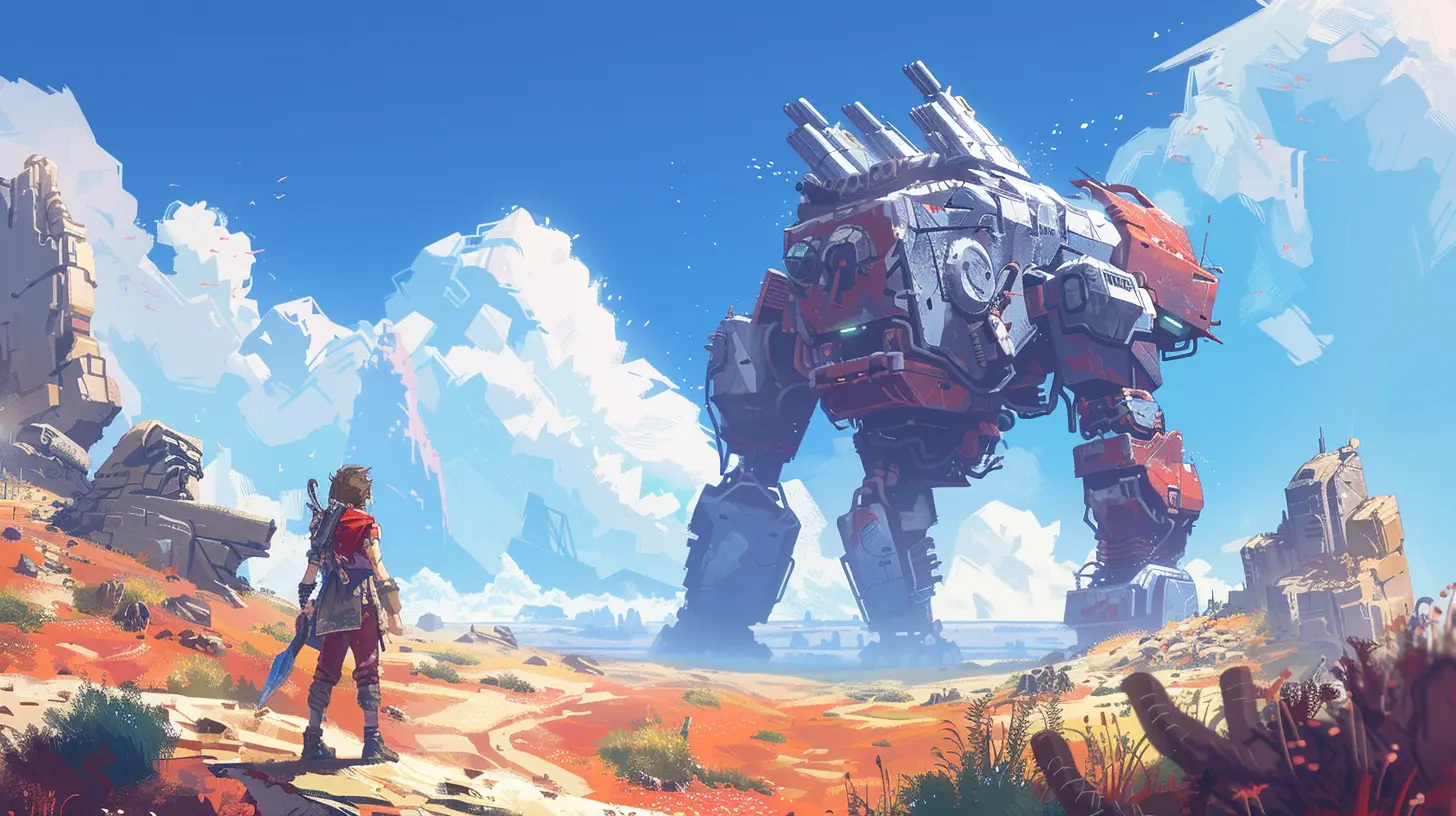
Player Adaptability Is the New Skill Cap
It's no longer just about mechanics or aim—we're in an era where adaptability is a huge skill in competitive gaming.Being at the top means more than just raw talent. You’ve got to:
- Stay current with patch notes
- Experiment with new builds or tactics
- Watch how pros are adjusting
- Practice like crazy before new strategies become second nature
This constant game of musical chairs keeps players sharp. And it separates the good from the great.
Adapt or get left behind. That’s the new mantra.
Patches Keep the Game Fair (Well, Mostly)
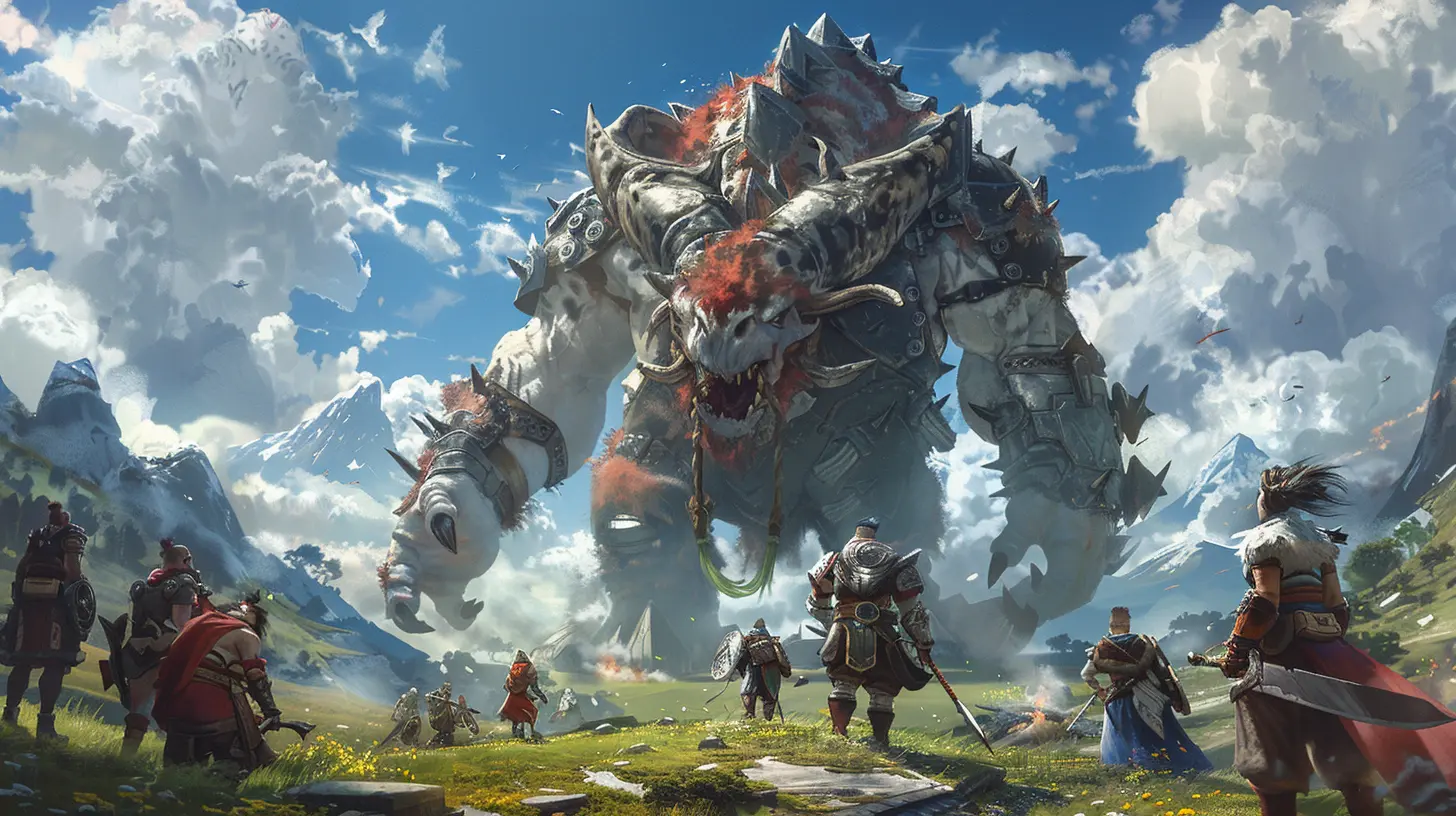
One major purpose of game updates is balance.In any competitive title, balance is crucial. Developers are always trying to fine-tune characters, weapons, or abilities to prevent one from being overly dominant.
Take Apex Legends as an example. If one legend becomes unbeatable in ranked matches, the entire game becomes lopsided. Players get frustrated. Competitive integrity suffers.
Updates help level the playing field. They’re the developers’ way of saying, “Hey, we see the problem. Here’s a fix.”
Sure, not every patch nails it. Sometimes they cause more chaos than calm. But overall, regular updates are the best shot at keeping the game fair and exciting.
The Rise of Seasonal Updates and Battle Pass Metas
Okay, we can’t talk updates without mentioning seasonal content. These have totally changed the way competitive games function.Seasonal updates usually drop every few months and bring a blast of changes:
- New characters
- Weapon rebalancing
- Map changes
- New in-game events
- Battle Pass systems with objectives
While these are designed for casual players, they have massive ripple effects on competitive play too.
For example, Fortnite’s seasons often bring new items that dramatically shift how pro players build, rotate, or even engage fights. Like when vehicles got added, or certain mobility items got vaulted.
These changes can feel chaotic, but they push players to stay fresh—and that’s exciting for viewers too.
eSports Viewership Thrives on Change
Let’s be honest—nobody wants to watch the same match-ups over and over. Stagnant metas lead to boring tournaments. Game updates shake things up and make competitions unpredictable.A healthy flow of content keeps the eSports scene thriving. It gives fans something to talk about, analysts something to argue over, and casters new narratives to hype up during games.
Fans love an underdog story, especially when a patch suddenly makes a forgotten strategy the key to victory. Game updates keep these stories coming.
The Developer’s Role as Game Architect
Ever thought about how much power developers have in shaping competition? It's pretty wild.With every patch, they’re not just tweaking numbers—they're guiding the future of competitive play.
- Buffing a forgotten weapon can revive an entire playstyle.
- Nerfing a dominant strategy can open the door for creative counterplays.
- Changing a map layout can redefine competitive rotations.
Developers have become architects of the eSports world.
Of course, this also means they carry a huge responsibility. A poorly timed or broken update can ruin a tournament or mess up a competitive season.
It’s a delicate dance between innovation and stability.
Community Feedback Now Shapes Patches
We’re no longer in the days where devs drop updates from a mountaintop and disappear. Today, the player base has a direct line back to the devs—and the feedback loop is real.Platforms like Reddit, Discord, Twitter, and even YouTube comments are full of player suggestions and complaints. Smart developers listen and adjust accordingly.
Take Riot Games, for example. They often address champion balance based on high elo player feedback or pro scene concerns. In Rainbow Six Siege, Ubisoft uses community test servers to trial possible updates before going global.
The relationship between devs and players has become more collaborative than ever. That’s a big deal—and another reason why game updates have become core to the competitive experience.
Competitive Longevity Depends on Updates
Here's a brutal truth: no matter how great a game is at release, it will die without updates.Competitive players need goals. They need challenges. And they need engagement.
Updates create all of that. They:
- Refresh motivation
- Bring new mechanics to master
- Offer new strategies to explore
- Prevent burnout in long-term players
Games like Counter-Strike: Global Offensive have lasted over a decade, partly because of regular balance tweaks and fresh content drops. Meanwhile, other titles that failed to adapt have faded into obscurity fast.
Let’s just say: thriving competitive scenes don’t happen by accident—they’re powered by updates.
Patch-Hype and Content Creators
Let’s not forget the role of streamers and content creators whenever updates go live.Patch day is often a gold rush for creators. Every YouTuber, Twitch streamer, and TikToker is rushing to:
- Showcase the latest buffs/nerfs
- Try new builds
- Do early tier lists
- Explain the updated meta
All this content helps players learn faster, stay engaged, and grow the community. It turns updates into events—not just code changes.
When devs drop fresh content, creators keep it alive in players’ minds. And the competitive scene benefits because educated players = better matches.
Mobile Games And The New Era Of Competitive Updates
Competitive gaming isn’t just for high-end PCs or consoles anymore. Mobile titles like PUBG Mobile, Wild Rift, and Clash Royale have built serious competitive ecosystems.Guess what? Updates play an even bigger role here.
Mobile gamers often engage in shorter sessions—so swift changes, seasonal events, and patch notes keep attention spans from drifting. The competitive mobile scene is exploding, and dynamic updates are one of the reasons why.
The same rules apply: evolve or fade.
Conclusion: The Game Is Always Changing—And That’s a Good Thing
So, where does this leave us?Game updates aren’t just tech maintenance. They’re game-changers—literally.
In competitive play, they act like the referee, the coach, and the unexpected twist all in one. They protect fairness, reward adaptability, shake up stale strategies, and keep players and fans constantly guessing.
Sure, they can sometimes be messy. Not every balance change feels fair. Not every update lands smoothly. But the alternative—stagnation—is much worse.
As long as competitive gaming is a thing, updates will continue to be its heartbeat. The best players will learn, adapt, and evolve with every patch. And the rest of us? We'll be right there too, reading the patch notes, practicing new builds, and riding the wave of change.
Because in today’s gaming world, staying the same is the fastest way to lose.
all images in this post were generated using AI tools
Category:
Game PatchesAuthor:

Aurora Sharpe
Discussion
rate this article
2 comments
Elsinore Ross
This article beautifully captures the transformative power of game updates in competitive play. It's inspiring to see how developers continually refine and enhance the gaming experience, fostering a vibrant community and pushing players to evolve. Excited to see what’s next! Thank you for sharing!
February 18, 2026 at 4:16 PM
Hannah Cummings
Game updates can significantly level the playing field, fostering both innovation and strategic depth in competition.
February 16, 2026 at 5:53 AM
Aurora Sharpe
Thank you! Game updates indeed play a crucial role in enhancing competition by introducing fresh elements and strategies, ensuring that the playing field remains dynamic and engaging for all players.