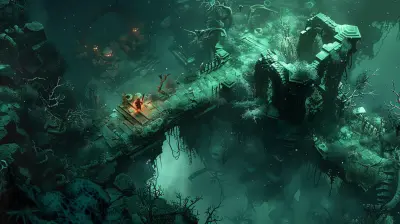
How Environmental Design Impacts FPS Strategy
23 July 2026
When it comes to first-person shooters (FPS), most players focus on mechanics—aim, recoil control, time-to-kill, tactics, and so on. But there's one crucial element that often goes underappreciated: environmental design. Believe it or not, the architecture of a game's maps can flip strategies on their head. Whether you're a seasoned pro or just diving into multiplayer lobbies, understanding how map design shapes gameplay can be the difference between constant respawns and racking up MVP medals.
So, let’s dig deep into how environmental design impacts FPS strategy—and how you can make it work to your advantage.
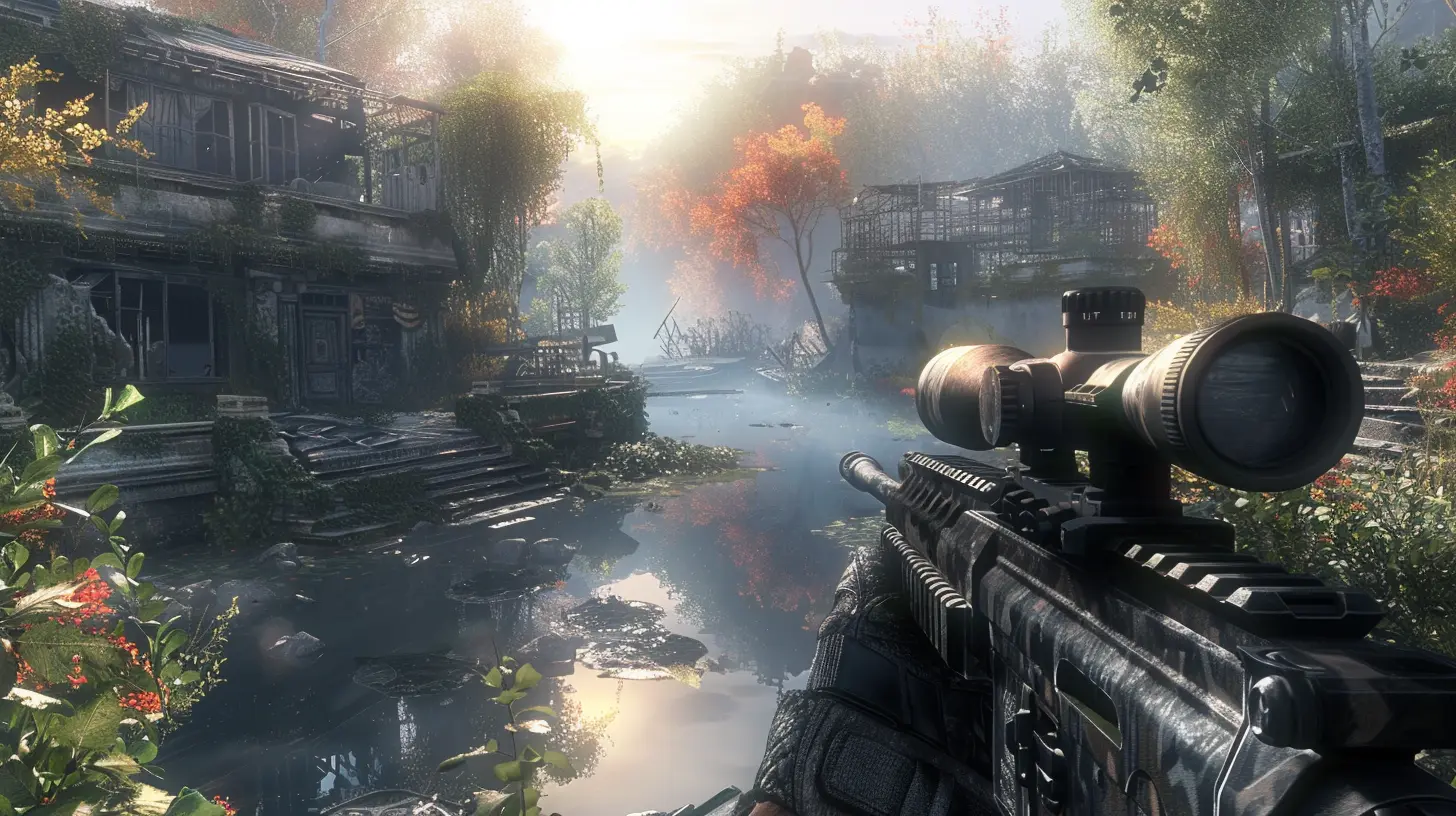
What Is Environmental Design in FPS Games?
At its core, environmental design refers to how the in-game world is built. This includes things like:- Layout of the map (open vs. tight spaces)
- Verticality (e.g., rooftops, ladders, elevators)
- Cover points (crates, walls, cars)
- Lighting and visibility
- Sound propagation (how footsteps echo, for instance)
All these things influence how players move, shoot, hide, and interact with their environment. A well-designed map guides player flow, balances combat, and keeps the gameplay dynamic. Bad design? It leads to camping nightmares, unfair spawn traps, and rage quits.
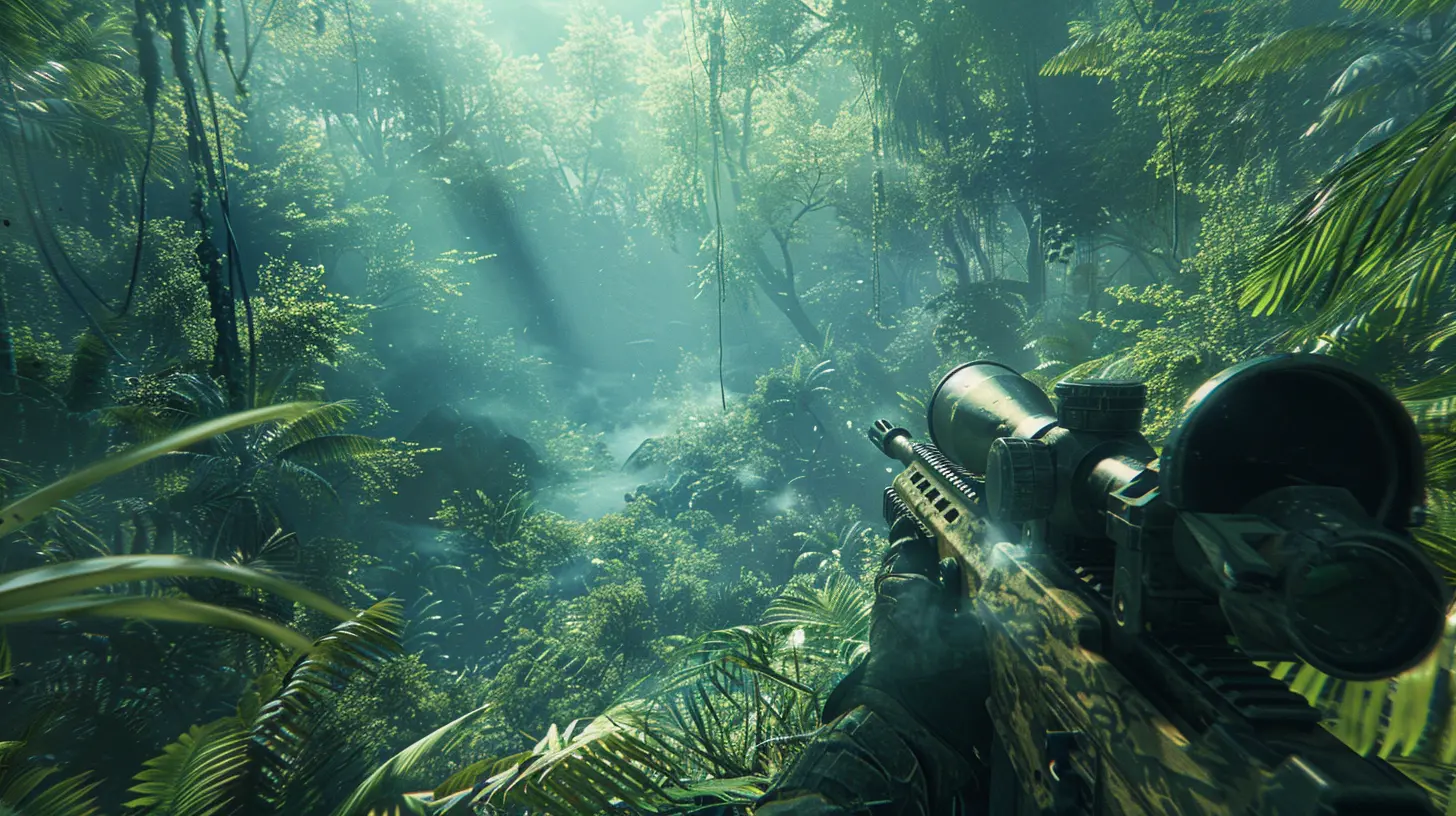
The Psychology of Movement: Flow and Choke Points
Ever wonder why some areas of a map seem to always attract chaos? That’s no accident. Game developers intentionally create "flow" in a map—natural movement paths that players tend to follow. Choke points—those tight hallways or doorways where enemies funnel through—are often hotspots for conflict.Strategy Tip:
Use flow to your advantage. If most players rush mid, flank through the side. Know the choke points, and either control them or avoid them depending on your playstyle.In games like Call of Duty or Counter-Strike, control over specific lanes or points often determines the win. Smart players learn and exploit these natural traffic patterns, turning map knowledge into killstreaks.
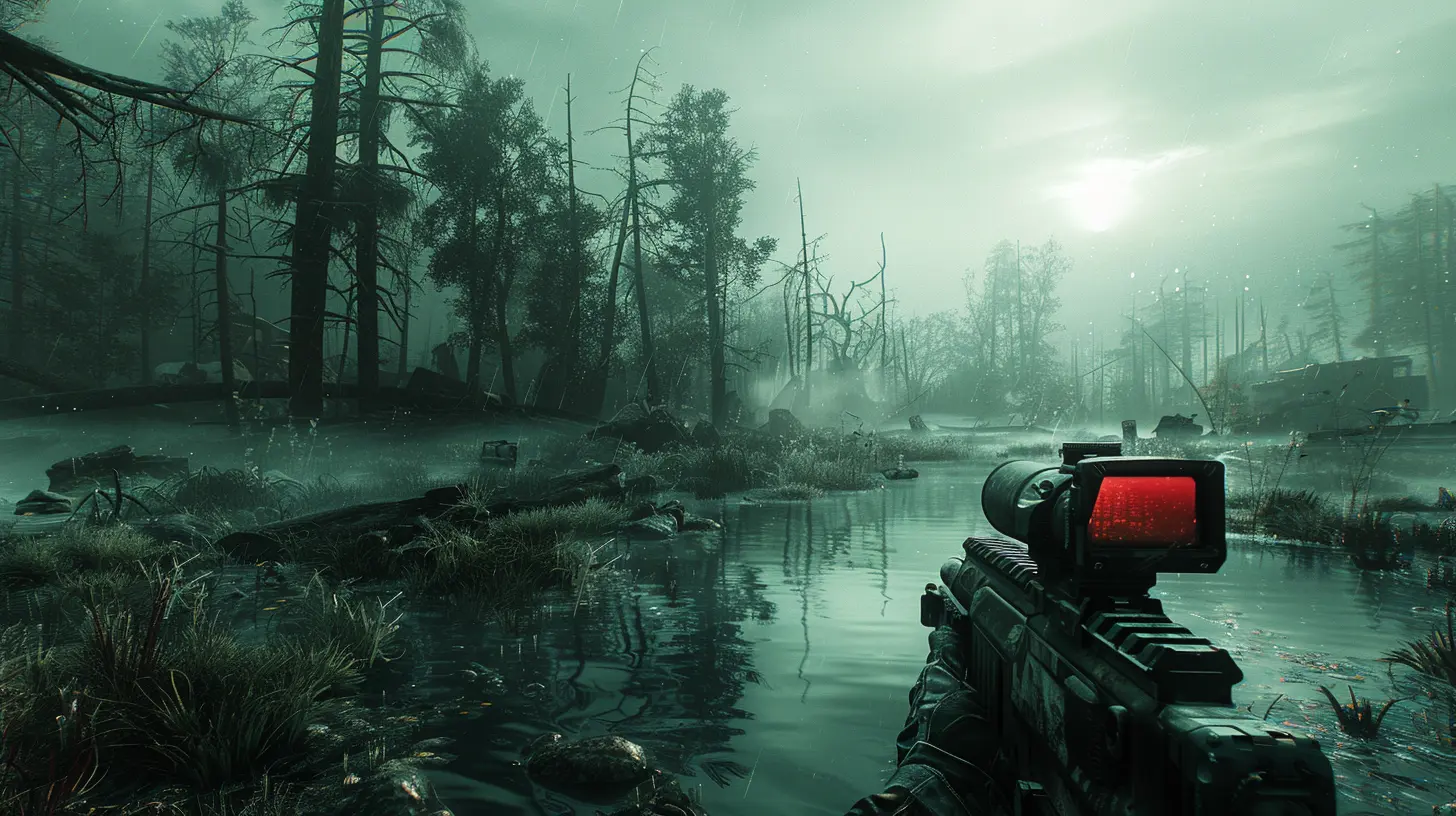
Verticality: The Higher Ground Advantage
“Take the high ground!” It’s not just a dramatic line—it’s a legit tactic. Verticality in map design refers to layers: ground level, rooftops, windows, catwalks, and more. Games like Overwatch, Rainbow Six Siege, and Apex Legends thrive on vertical gameplay.When you’re above your enemy, you gain:
- More visibility
- Better cover opportunities
- Easier headshots
- Psychological dominance (yes, really)
But it’s not always sunshine at the top—higher ground can also isolate you or expose your position if you’re not careful.
Strategy Tip:
Master movement. Grappling hooks, bouncing platforms, teleporters: every vertical mechanic in a game is a door to opportunity—or disaster, if you don’t plan ahead.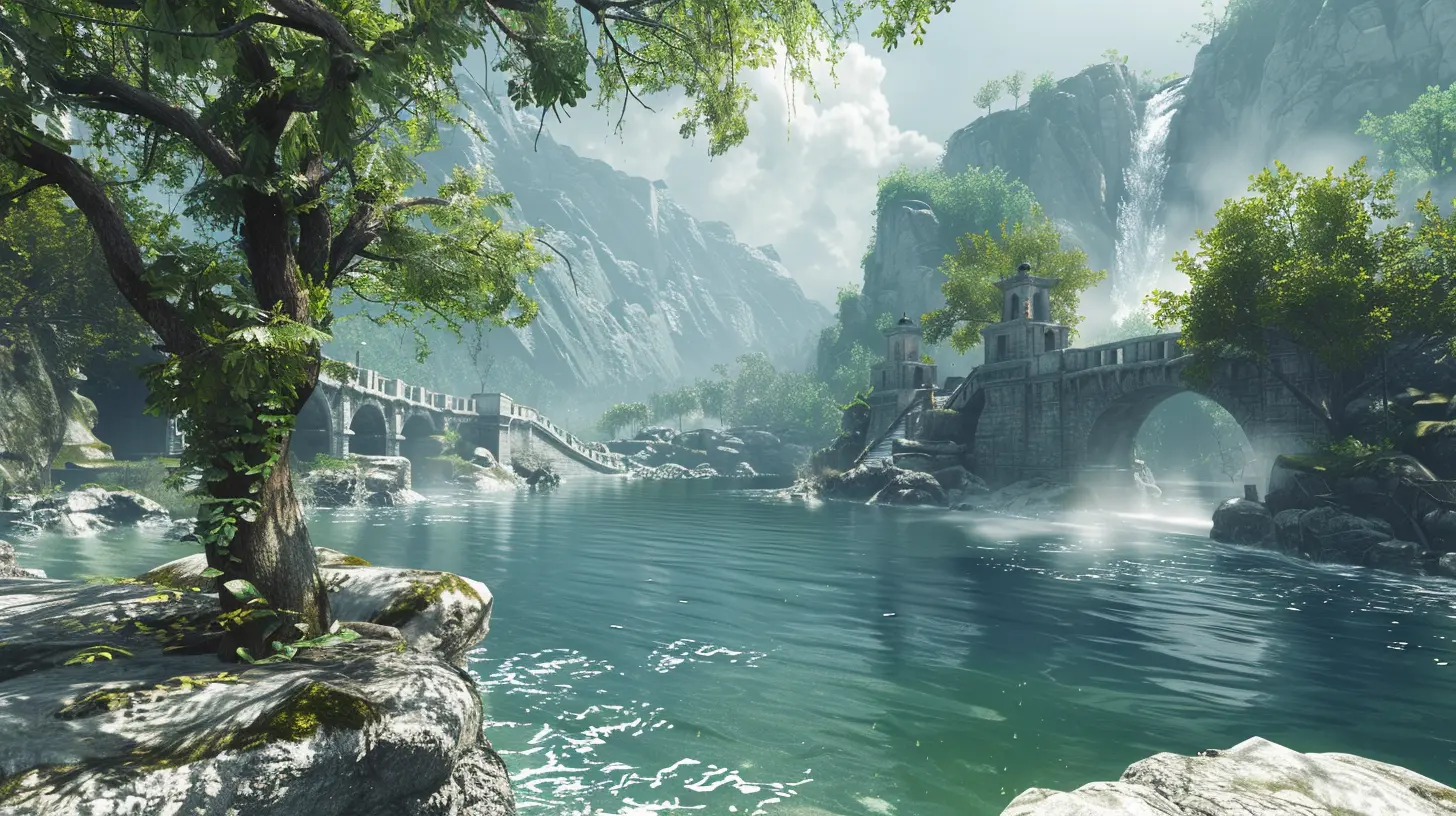
Cover Systems and Lines of Sight
You'll definitely notice how some areas in maps feel “safe” while others are wide open and, frankly, terrifying. That’s all about lines of sight and available cover.Tactical shooters like Rainbow Six Siege thrive on destructible environments and intricate cover mechanics. Rushing through an open hallway without scanning for head-glitch spots? That’s a rookie mistake.
Strategy Tip:
Move from cover to cover. Don’t just run in the open unless you want to respawn. Use natural and improvised cover to surprise opponents or retreat safely.Spawn Points and Map Balance
There’s nothing worse than getting spawn-killed on loop. Poor spawn design is a morale destroyer. But when developers get it right, spawn points feel fair and reset the pace of the game in a good way.In team-based game modes like Domination or Hardpoint, spawn management becomes strategy 101. Skilled teams can manipulate the enemy’s spawn patterns by controlling zones on the map.
Strategy Tip:
Get to know spawn points and how they evolve based on where your team is. Use this intel to predict enemy movement and keep them boxed in.
Sound Design and Audio Cues
Sound is part of the environment too! Footsteps on metal vs. concrete, explosion echoes, distant gunfire—all of these contribute to your spatial awareness. Games like Escape from Tarkov and Valorant place a heavy emphasis on sound because every footstep gives away positioning.Strategy Tip:
Use a good headset and train your ears. Sound can literally save your life in-game. Also, know which surfaces produce louder footsteps!Lighting and Visibility: See or Be Seen
Lighting might seem like an aesthetic choice, but it has huge gameplay implications. Ever walk into a dark room and get blasted by a player hiding in the shadows? Yeah, it’s frustrating—but also fair, if you know the map.In FPS games with stealth elements like Insurgency: Sandstorm, darker corners and contrasting lighting encourage tactical play. It’s basically digital camouflage.
Strategy Tip:
Stick to the shadows when flanking and avoid walking into bright, open areas without checking for threats first. Also, adjust your in-game brightness wisely—don’t make yourself blind just for "prettier" visuals.
Destructible Environments: Breaking Strategy Wide Open
Some modern FPS games allow for destruction—walls break, ceilings collapse, and entire floors can be blown open. This mechanic completely redefines strategy.In Battlefield or Rainbow Six Siege, players create new sightlines and entry points in real time. Environmental design here isn’t static—it changes with player action.
Strategy Tip:
Think like an architect... or a demolition expert. Don’t just follow paths—make your own. Blow open new entry points and surprise opponents who think they’re safe behind walls.Terrain and Biome Types: Snow, Desert, Jungle, Urban
Different terrains influence visibility, movement speed, and even weapon effectiveness. Snow maps might be slippery or obscure footprints. Jungle maps add more verticality with trees and vines. Urban environments typically favor close-range combat.Each biome or weather effect adds complexity to the map's environmental dynamics.
Strategy Tip:
Adapt your loadout to the environment. Don’t bring a sniper rifle to a tight, urban map. Likewise, don’t rely on a shotgun if you’re in an open desert map. Match your strategy to the elements.
Game Modes and How They Interact with the Environment
Map design isn’t static—how you play on the same map can vary wildly depending on the game mode. A close-quarters shootout in Team Deathmatch could turn into a sniper’s paradise in Search and Destroy.Developers often design maps with modular flexibility. They’ll add or block off areas depending on the selected mode to keep balance in check.
Strategy Tip:
Play each map in every game mode. You’ll start to notice which areas get used—or ignored. This helps you anticipate enemy behavior and make smarter decisions.Environmental Storytelling and Immersion
Okay, this might sound a bit "art school," but hear me out. The way a map tells a story—the ruined city, the abandoned military base, the alien hive—impacts how you play.Do players feel tense and cautious? Or do they rush in guns blazing? All of that is guided by how immersive the environment feels.
Strategy Tip:
Absorb the setting. A map’s vibes can tell you a lot about pacing. If it feels like a sniper’s nest, it probably is. Let environmental cues guide your instincts.
The Meta Evolves with Map Knowledge
It’s not just about shooting sharp—it’s about outsmarting your opponents. As environmental design evolves, so does the meta (i.e., the most effective strategies and playstyles at a given time).Pros and content creators often shape the meta by discovering clever jumps, wall bangs, peeks, and rotations. Once a trick becomes common knowledge, it changes how the whole community plays the map.
Strategy Tip:
Watch high-level gameplay of maps you frequent. Pick up movement tricks, nade spots, and rotations. Every piece of info is a potential advantage.Final Thoughts: Map Knowledge Is Power
Environmental design isn’t just pretty scenery—it’s the canvas for all FPS gameplay.The better you understand a map’s layout, flow, and quirks, the smarter you’ll play. You’ll stop wandering aimlessly and start anticipating ambushes, responding faster, and commanding the battlefield like a general instead of a foot soldier.
So next time you boot up your favorite shooter, don’t just focus on your aim. Take a minute to study your surroundings. Because sometimes the map is your deadliest weapon.
all images in this post were generated using AI tools
Category:
Shooter GamesAuthor:

Aurora Sharpe