How Competitive Gaming Teaches Sportsmanship
16 August 2026
Let’s be honest—we don’t always think of video games when we hear the word sportsmanship. It’s usually something we associate with traditional sports like football, basketball, or tennis. But the truth is, the world of competitive gaming (or esports, as it’s more commonly known) has become a major arena for learning, practicing, and mastering sportsmanship.
You might be thinking, “Wait, isn’t gaming just a bunch of people yelling into headsets and throwing controllers when they lose?” Sure, that happens. Just like in any competitive space, sometimes tempers flare and egos get bruised. But beneath the chaos and competition lies a powerful platform for developing character, respect, and teamwork—the core ingredients of good sportsmanship.
Let’s dive into how competitive gaming teaches sportsmanship, and why it’s way more than just pixels and high scores.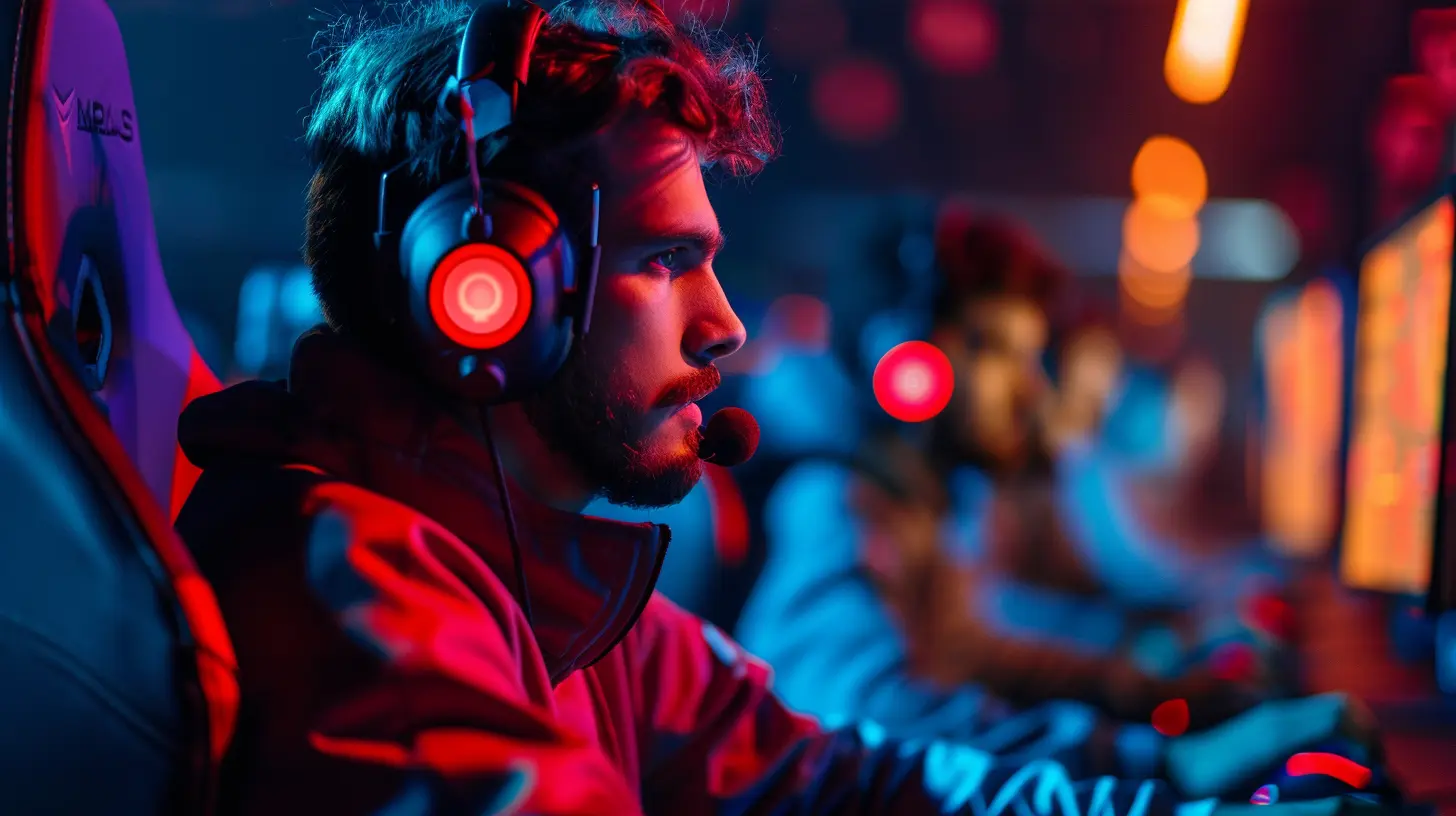
What Exactly Is Sportsmanship?
Before we dive headfirst into esports, it’s worth clearing up what we mean by "sportsmanship." At its core, sportsmanship is about showing respect—for your opponents, for the rules, and for the game itself. It’s about gracefully accepting defeat, humbly celebrating wins, playing fair, and treating everyone with dignity.Think of it as the soul of any competition. Without sportsmanship, even the most impressive victories can feel empty. With it, losses become learning opportunities, rivalries turn into friendships, and games become something greater than just “winning.”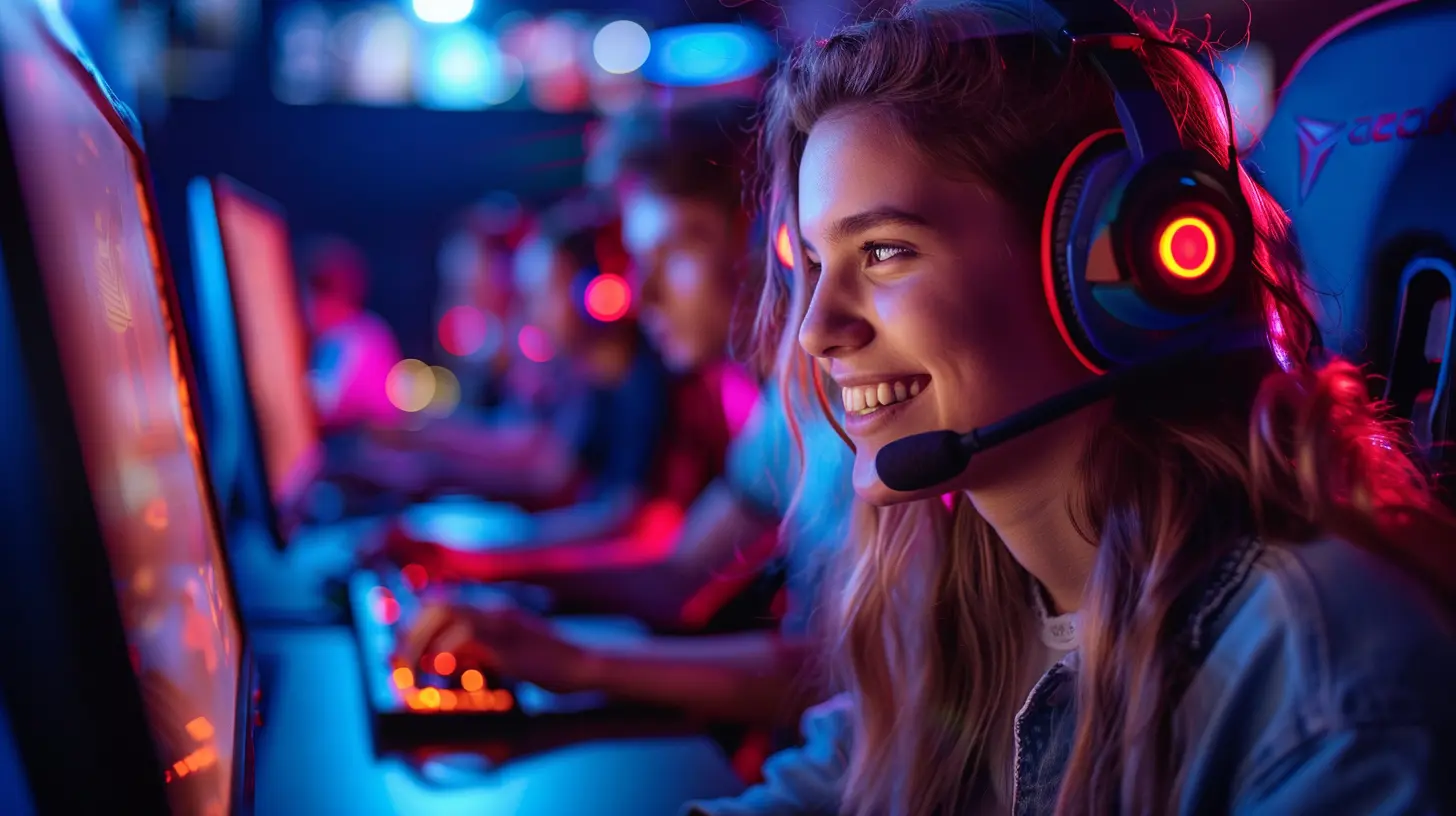
Esports: A Whole New Ball Game
Now, let’s talk about competitive gaming. Esports has exploded in popularity over the last decade. Titles like League of Legends, Dota 2, Fortnite, Valorant, and CS:GO have gone from casual entertainment to international spectacles. Pro players train for hours every day, teams travel the globe for tournaments, and fans fill stadiums to watch matches unfold live.But behind all the high-stakes gameplay is a culture that’s increasingly embracing the values of sportsmanship. You’d be surprised how much it mirrors traditional sports in that regard.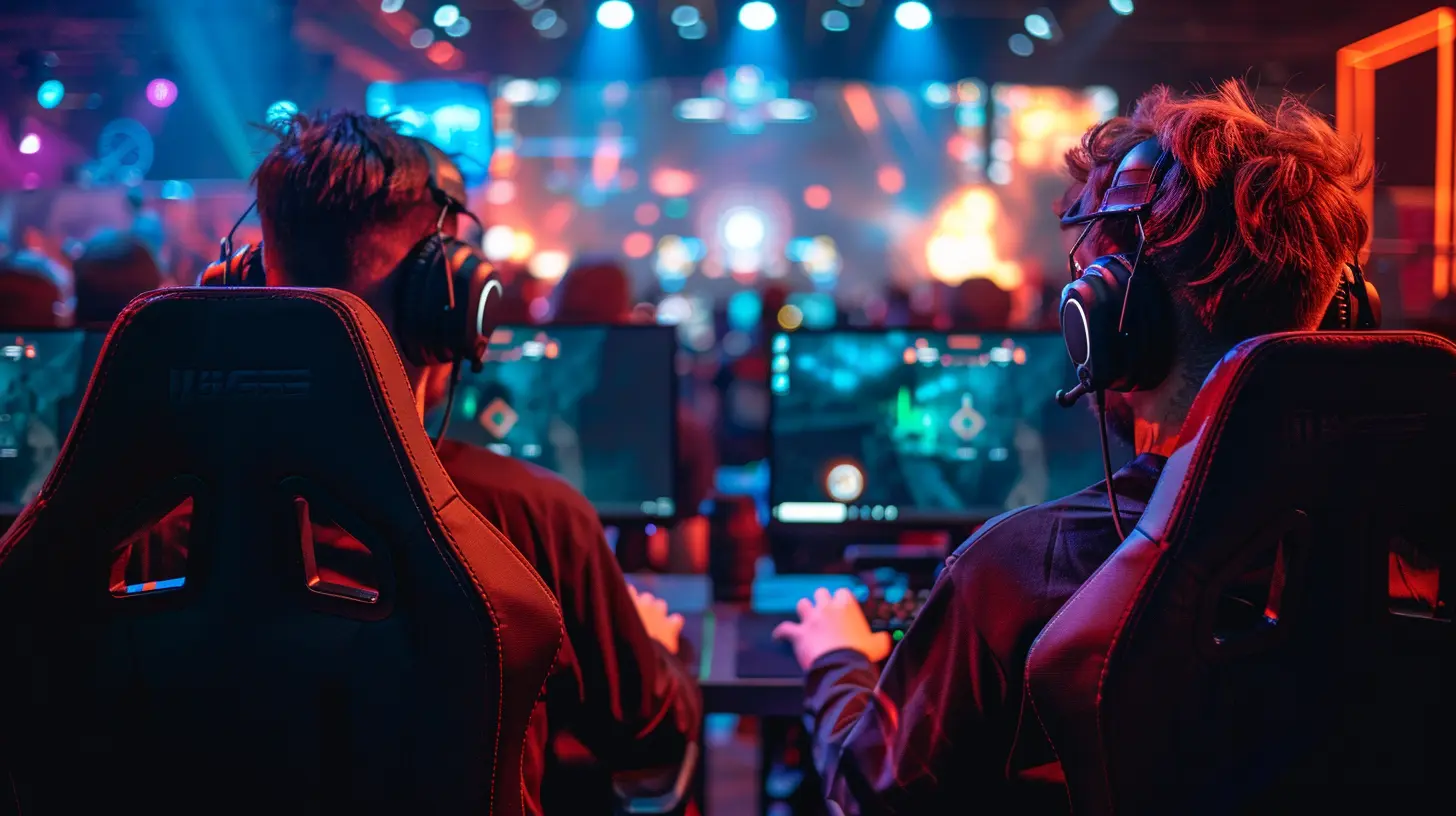
The Role of Respect in Competitive Gaming
Respect is the cornerstone of sportsmanship, and in competitive gaming, it shows up in plenty of subtle and powerful ways.1. Respecting Your Opponents
In esports, you’re often facing players from around the world. You don’t always know who’s on the other side, but a good player learns quickly not to underestimate their opponents. The game demands it. No matter how confident you are, there’s always someone out there who can outsmart or outplay you.Losing to an unexpected opponent teaches humility. And if you’re the one handing out the defeat? Respecting your opponent means not bragging, trash-talking, or rubbing it in. Many top players give props to their competitors during post-game interviews or online chats. That mutual respect builds community and keeps the competition healthy.
2. Respecting the Rules
Every game has its rules—formal and unwritten. Whether it’s banning certain characters in a match, sticking to map etiquette, or not abusing glitches, players learn what fair play looks like. Breaking the rules isn’t just frowned upon—it’s often penalized, just like in traditional sports.The best players gain respect not just for winning, but for how they win. That integrity shapes the spirit of esports and reinforces the value of playing fair.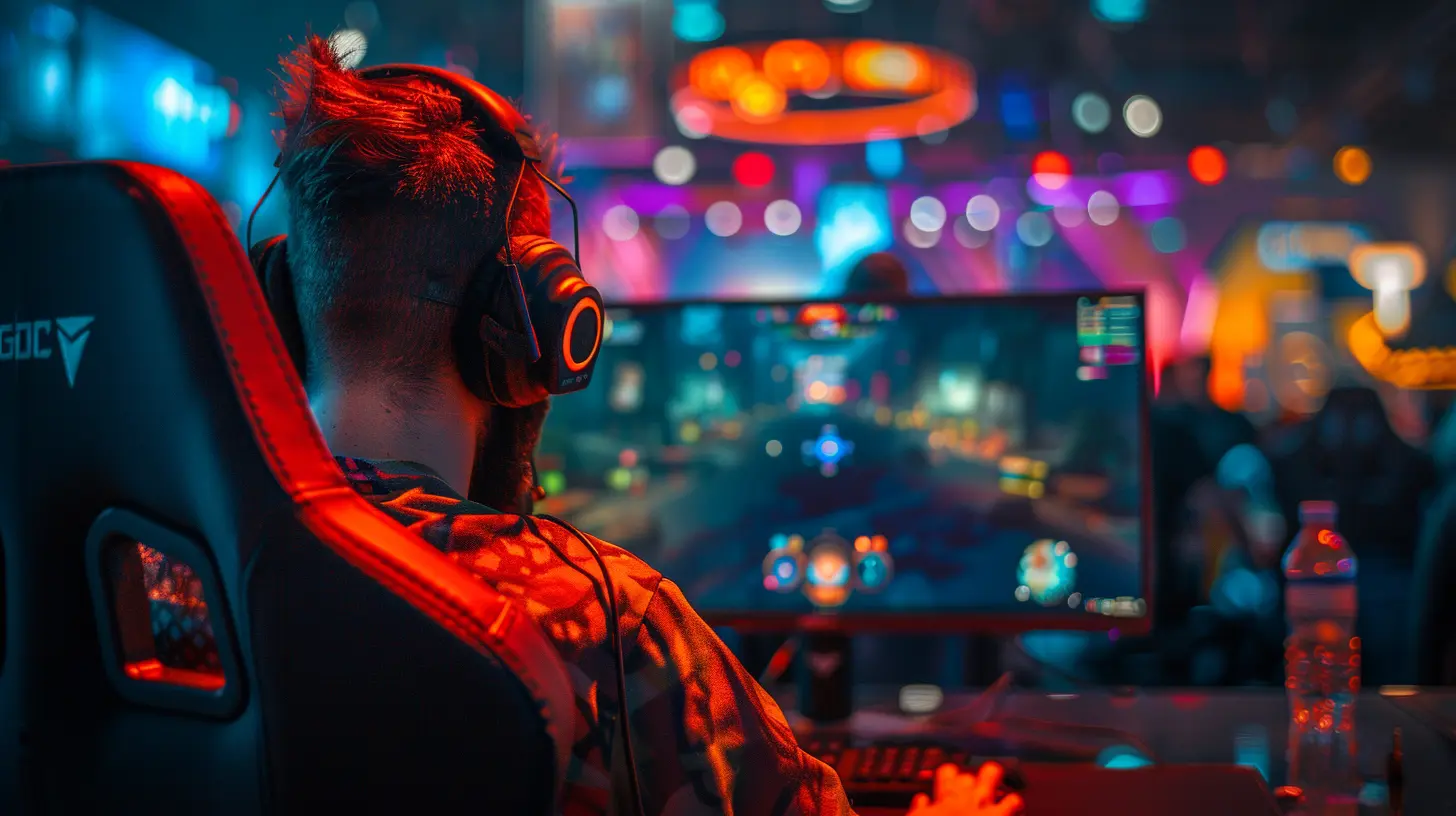
Teamwork Makes the Dream Work
Most competitive games are team-based. Think of games like Overwatch, Apex Legends, or Rocket League. You can be the most skilled individual ever, but if you can’t work well with others, you’re going to crash and burn.1. Communication Is Key
You have to talk, listen, adapt, and sometimes swallow your pride. Sound familiar? That’s teamwork 101. When shouting matches break out or blame is thrown around, teams fall apart. But when players figure out how to support each other—even when things go wrong—they start to grow not just as gamers, but as people.And let’s face it: learning to shut up and listen is a life skill that goes way beyond the screen.
2. Handling Losses Together
Nothing tests sportsmanship like a tough loss. In esports, those stinging defeats are usually shared experiences. Bonds are built not just through winning, but through pushing forward after setbacks. Great teams debrief together, reflect, and improve. They avoid finger-pointing and focus on progress. That mindset? It’s pure sportsmanship in action.The Role of Coaching and Mentorship
Behind every successful esports team is a coach or mentor guiding the players—not just on mechanics and strategy, but on attitude and behavior, too.Good coaches emphasize emotional control, positivity, and sportsmanlike conduct. They teach players to take criticism constructively, to remain calm under pressure, and to lift each other up. These are critical life skills, whether you're inside or outside the game.
And mentoring doesn’t stop at official coaches. In any gaming community, you'll find experienced players helping newbies, sharing tips, and promoting a welcoming environment. That peer mentorship fosters respect and empathy—key parts of sportsmanship.
Toxicity and How the Gaming Community Is Fighting Back
Alright, let's be real—gaming doesn’t exactly have a squeaky-clean reputation when it comes to behavior. We've all seen the rage quits, the trolling, the verbal abuse. But guess what? That’s changing.1. Reporting Systems and Bans
Developers like Riot Games, Blizzard, and Valve have implemented systems for reporting toxic behavior and issuing bans. They’re investing in moderation tools and even AI to identify patterns of abuse. Progress is slow, but it’s happening.2. Positive Reinforcement
Some games now reward good behavior. Honor systems and commendations let players give kudos to their teammates for things like leadership, teamwork, and friendliness. Gamers are starting to realize that being respectful doesn’t make you weak—it makes you better.Sportsmanship isn't about being soft. It's about being strong enough to stay composed, confident, and kind—even when the game gets heated.
Esports as a Platform for Inclusion and Diversity
Another powerful way competitive gaming teaches sportsmanship? By promoting inclusivity.Esports welcomes players regardless of gender, race, physical ability, or background. It’s a digital space where anyone can shine, and that diversity challenges players to respect perspectives and experiences different from their own.
You’ve got organizations pushing for greater female representation, players with disabilities dominating leaderboards, and international tournaments where the world's cultures meet. In such a melting pot, sportsmanship becomes essential. It connects people who might never meet in person, yet still share a common respect through the game.
The Psychology Behind It All
Believe it or not, psychologists have studied the link between gaming and social skills. When competitive gaming is approached with the right mindset, it can actually improve empathy, cooperation, emotional regulation, and yes—sportsmanship.Players learn to cope with frustration, to understand different roles and responsibilities in teams, and to develop resilience. These are traits that far outlast the game itself.
Real-World Examples of Sportsmanship in Esports
Still skeptical? Let’s look at some real instances of next-level sportsmanship in competitive gaming:- StarCraft Legend “Flash” once paused a tournament match to allow his opponent to fix a technical issue—an act of fairness that fans still talk about.
- Faker, the League of Legends superstar, is known not only for his skill, but for his calm demeanor and respect for all opponents—even in crushing defeats.
- In a CS:GO match, a team once chose to replay a round after realizing their opponents had a technical glitch, even though it gave them an advantage.
These moments remind us of what’s really at the heart of competition: integrity and respect.
What Can We Learn From Competitive Gaming?
Competitive gaming teaches us that sportsmanship isn’t just about shaking hands after the match—it’s about mindset. It’s about how you treat others in high-pressure situations, how you handle setbacks, and how you carry yourself when no one’s watching.In many ways, it’s training us for life. The digital battlefield is just a warm-up for the challenges and collaborations of the real world.
So the next time someone tells you that video games are a waste of time, remind them of this: esports is teaching a new generation how to respect, how to cooperate, and how to grow—not just as players, but as people.
Final Thoughts
The idea that competitive gaming can teach sportsmanship might seem out there—until you really look at the behavior it encourages. Whether you're grinding ranked matches in Valorant or training for a Dota 2 tournament, you're constantly learning to manage yourself and work with others.Gaming, at its best, isn’t about trash talk and toxicity. It’s about personal growth, mutual respect, and the joy of fair play. Competitive gamers are learning to be better teammates, better leaders, and better humans—and that’s something we can all appreciate, whether we game or not.
all images in this post were generated using AI tools
Category:
Games And Social SkillsAuthor:

Aurora Sharpe