How AI Enemies Have Evolved in Shooter Campaigns
16 April 2026
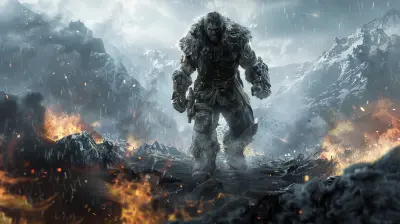
Ask any FPS fan about a brutal campaign moment, and you’ll probably hear a story involving enemy AI that just… wouldn't let up. From the early days of duck-and-cover drones to today’s flanking, grenade-tossing nightmares, AI in shooter campaigns has come a long, long way. And it’s not just about enemies being more accurate or taking cover—it’s about them feeling more human, more reactive, and, honestly, a bit more terrifying.
In this post, we’re diving deep into how AI enemies have evolved in shooter campaigns over the years. We’ll talk about the humble beginnings, the milestones, and how devs are using modern tech like machine learning to craft smarter, scarier digital foes.
The Early Days: Predictable Patterns and Dumb Bots
Let’s rewind to the late '90s and early 2000s. Think Doom, Quake, or even GoldenEye 007. Classic games, no doubt—but enemy AI? Let’s be honest, it was kind of... dumb.Enemies in those early shooters followed super simple logic. They’d spot you and make a beeline straight toward you. No tactics. No teamwork. Just "see player, shoot player." You could easily cheese them with a corner or a jump.
Sure, it worked for the time. But these early AI enemies were more like moving targets than actual threats. It was you vs. algorithms—basic ones. They were predictable, and that predictability made them easy to exploit.
The Mid-2000s Shift: Smarter Enemies, Better Tactics
Then came the era of smarter shooters. Games like Halo: Combat Evolved and F.E.A.R. raised the bar—big time.Let’s talk about Halo’s Covenant. These enemies communicated, flanked, and retreated when outgunned. Elite units would charge you while Grunts scattered in panic. Suddenly, enemies had personality.
And then F.E.A.R. came in with literal fear. The AI didn’t just rush at you—it reacted. It would use the environment to hide, distract, and confuse. You’d see them vault over tables, try to trap you in a room, or flush you out with grenades. It was like fighting human players.
At this point, shooter campaigns started feeling different. You weren’t just shooting targets—you were in tactical combat situations. And that made all the difference.
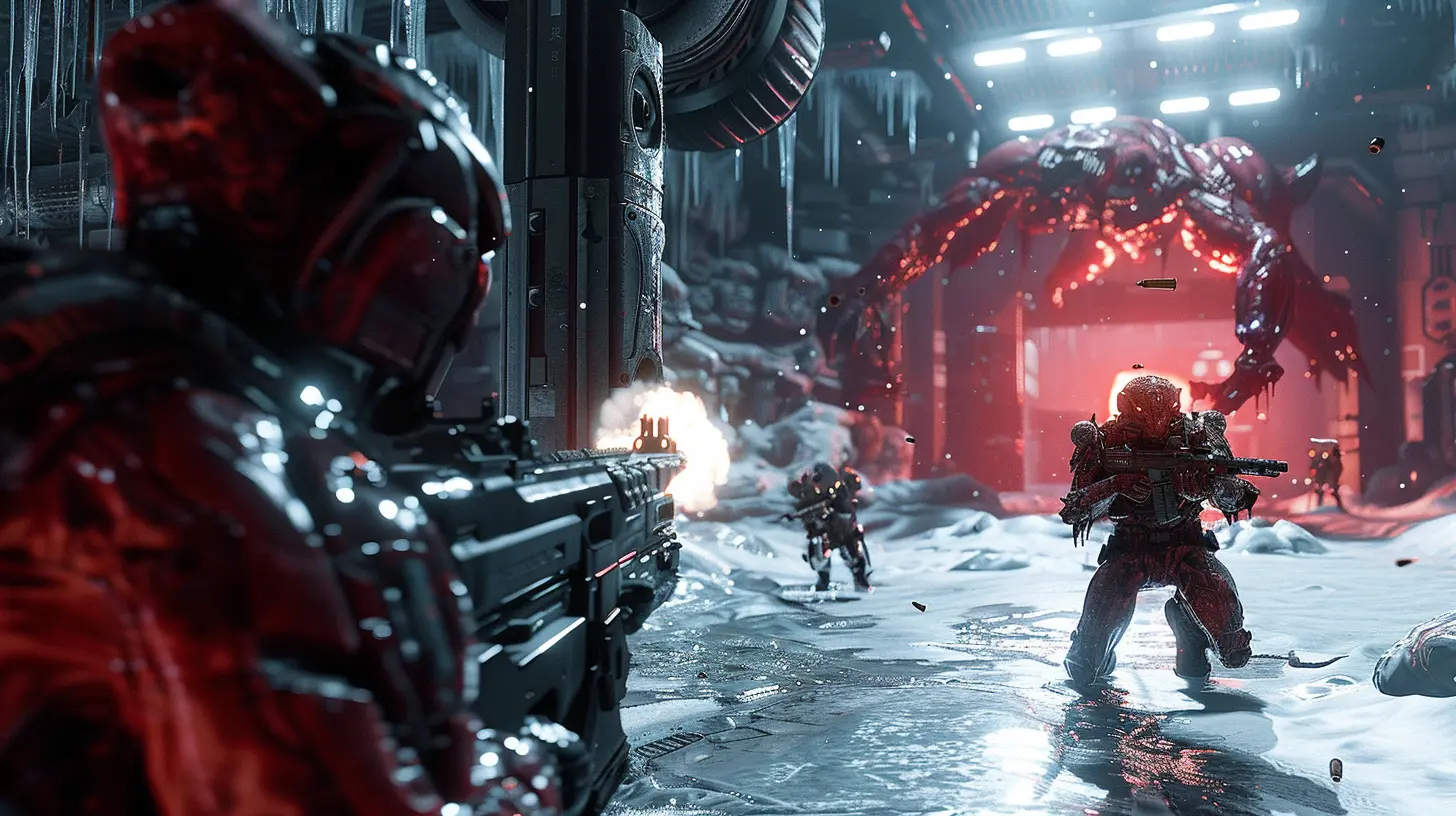
Cover Systems and Squad AI: Tactical Play Gets Real
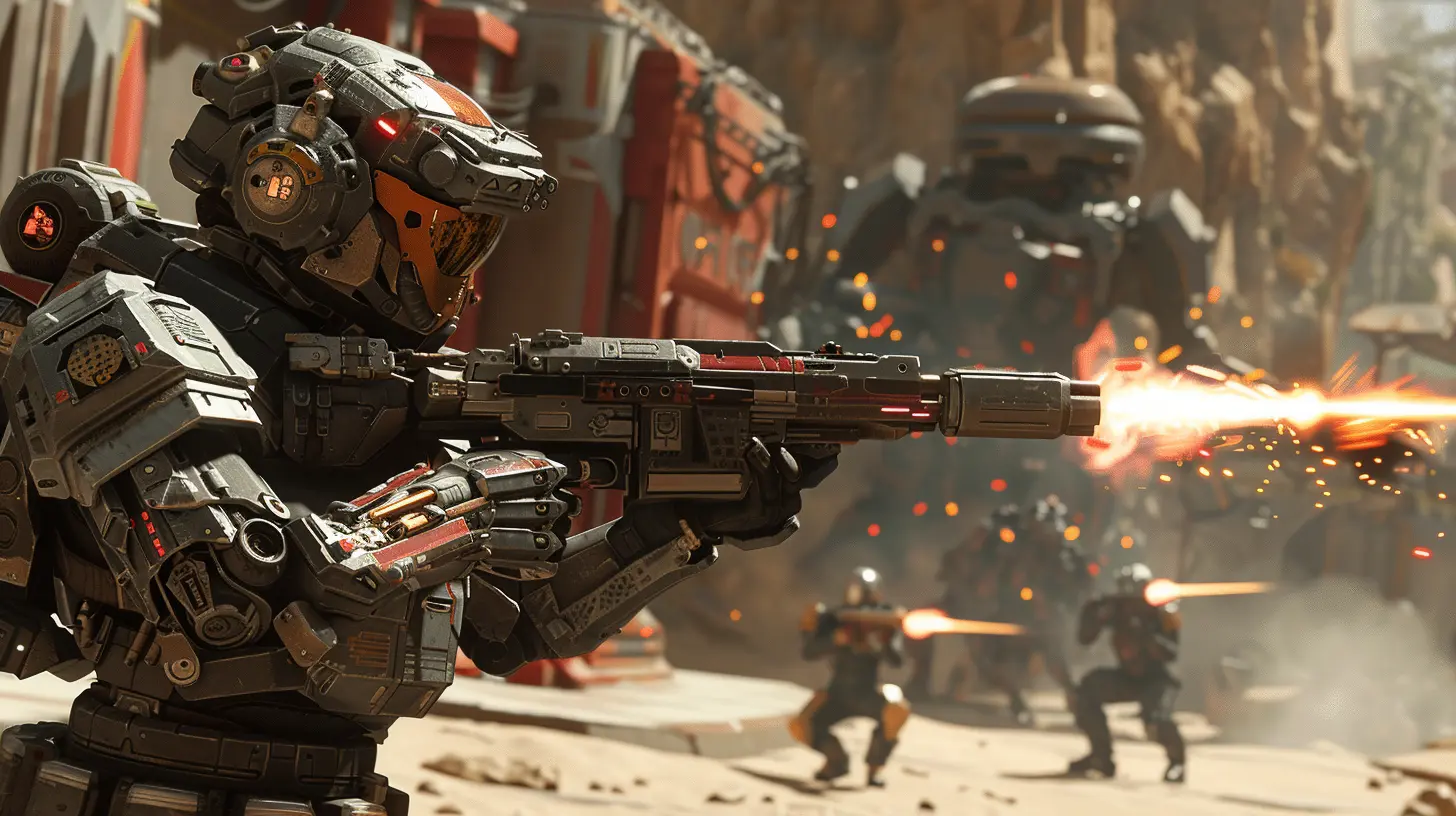
By the time we got into games like Gears of War and Call of Duty: Modern Warfare series, the AI wasn’t just individual enemies—it was about squads working together.Here’s what started happening:
- Enemies used cover more strategically.
- They’d communicate with commands like “Flank ‘em!” or “Suppressing fire!”
- Some would bait you out while others circled around.
These behaviors made encounters feel dynamic. You had to adapt constantly—and it kept the gameplay fresh. Scripted events were still a thing, sure, but the real juice was in how unpredictable AI could make a simple hallway shootout feel.
Even on easier difficulties, players had to think tactically. And on harder modes? Good luck.
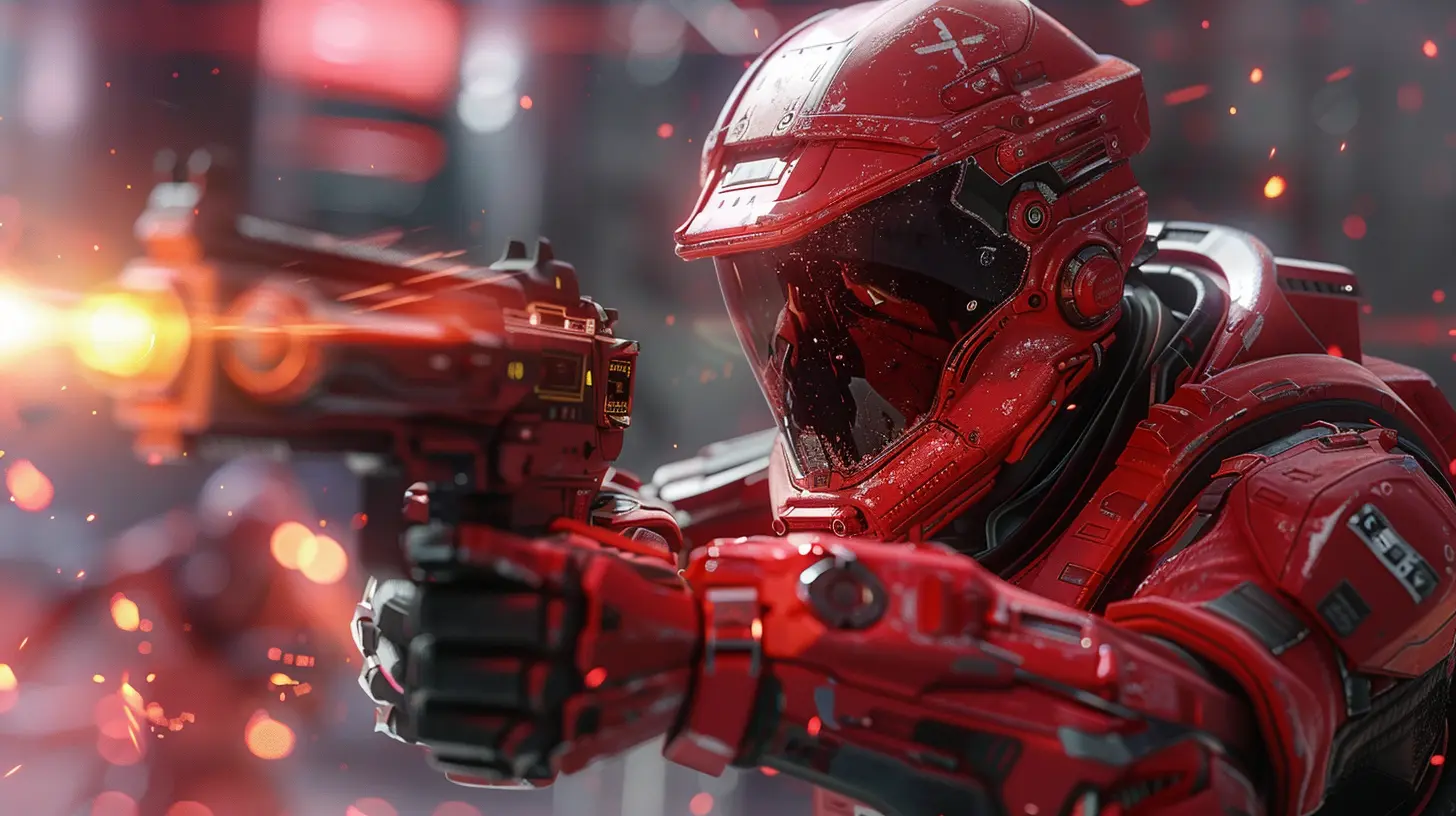
Adaptive AI: Enemies That Learn
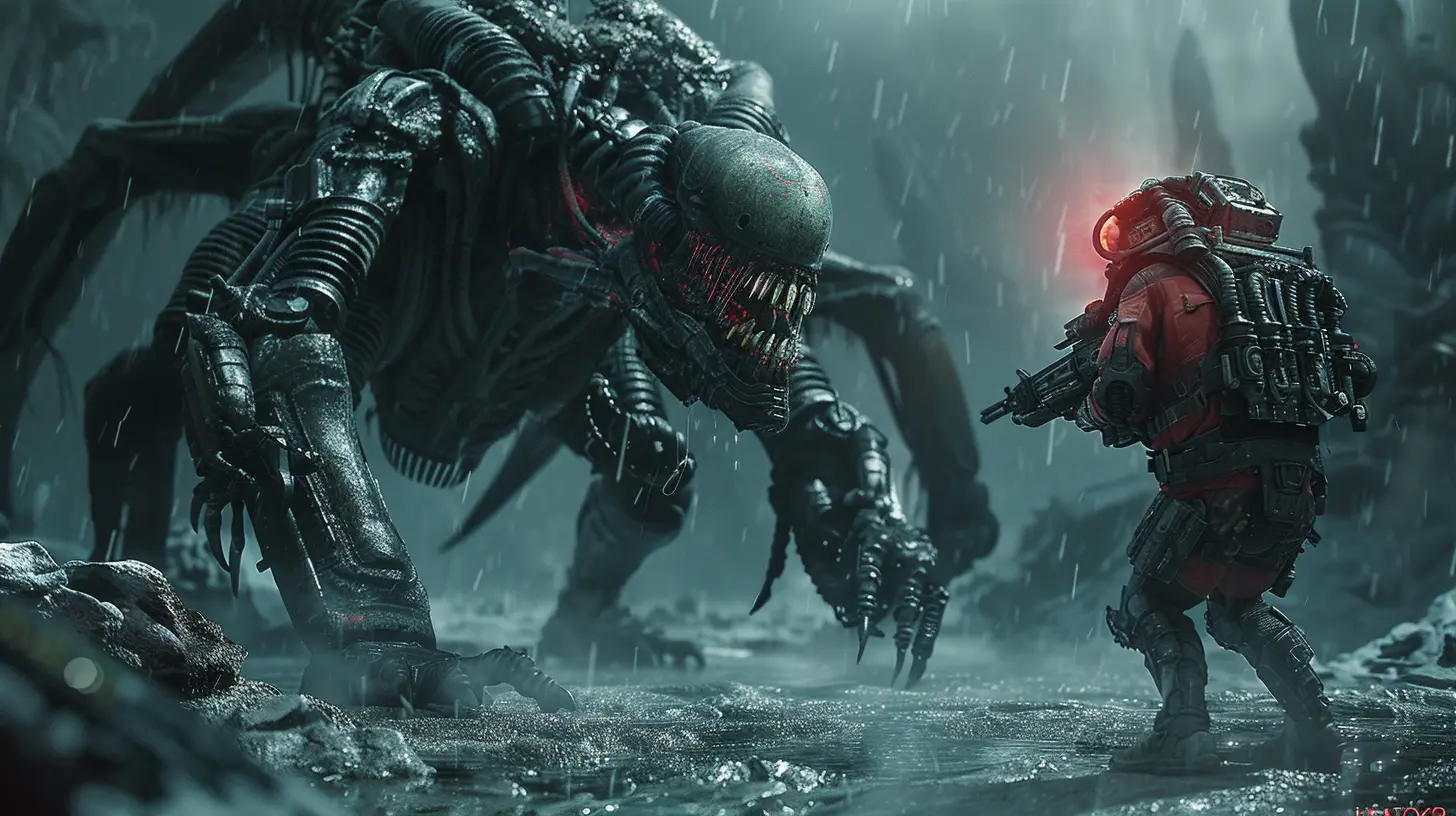
Fast forward to more modern titles like Alien: Isolation, and you start seeing something super cool—and a bit creepy: adaptive AI.Alien: Isolation’s Xenomorph didn’t just patrol an area. It learned—seriously. The more you used certain hiding spots, the more it started checking them. It reacted to your playstyle. It wasn’t just smart—it evolved.
This kind of AI design introduced a whole new level of tension. The line between scripted behavior and true intelligence started to blur. Players weren't just reacting to preset patterns—they were in a constant chess match with an opponent getting smarter by the minute.
And that’s both terrifying and amazing.
Machine Learning and Neural Nets: The Future is Here
Now let's talk bleeding edge. Developers are starting to use machine learning models and neural networks to create AI that behaves in more lifelike ways.Games like Middle-earth: Shadow of Mordor introduced the Nemesis system, which, while not used in traditional shooters, pointed the way toward AI systems that remember, adapt, and build persistent relationships.
In the shooter realm, imagine enemies that:
- Remember how you play.
- Adjust their tactics across missions.
- Prioritize different players in co-op campaigns based on past performance.
We’re not 100% there yet in mainstream shooters, but the groundwork is being laid. Innovation in AI enemy design is pushing shooter campaigns toward a more immersive, role-playing level of interactivity.
Open Worlds, Open Minds: AI in Expansive Environments
With open-world and sandbox shooters like Far Cry or Metro Exodus, AI behavior had to evolve again—this time to deal with scale.Enemies now need to:
- Navigate terrain intelligently.
- Patrol dynamically, adapting to weather or time of day.
- React not just to your presence, but to changes in the world (like alarms, explosions, or environmental hazards).
This kind of realism adds authenticity to campaigns. You can't just walk into a base guns blazing—well, you can, but it won’t end well unless you’re heavily prepared.
Enemies now have routines—and disrupting them feels like you're messing with a real ecosystem. It's immersive, and it's another step forward in AI evolution.
The Role of Difficulty and Customization
One of the cooler trends in modern shooters is adaptive difficulty. And yes, that ties directly into AI behavior.In games like DOOM Eternal, ramping up the difficulty doesn't just make enemies tankier—it changes how aggressive and strategic they are.
You start seeing:
- Faster flanks
- Smarter zoning from ranged enemies
- Prioritization of you over weaker AI allies
And the best part? Some games let you customize how enemies behave. Want them to be aggressive but dumb? Go for it. Prefer a slower pace with smarter tactics? You got it.
That level of player control is empowering—and it shows how far enemy AI has come from the “run-straight-at-you” days.
Multiplayer-Inspired AI: Bots that Feel Like Real Players
Let’s face it—online PvP isn’t for everyone. But what if PvE enemies felt like human players?That’s the dream. And some games are getting close.
Take Titanfall 2, for example. The campaign’s enemy soldiers and Titans move and react in ways that mimic multiplayer tactics. They strafe, use cover, jump over obstacles, and flank hard.
Even in Black Ops Cold War’s campaign, certain enemies mimic the behavior of aggressive PvP players, with slide-and-shoot tactics and unexpected positioning. It keeps you guessing.
Better yet, AI can now simulate a co-op partner if you’re playing solo. They can revive you, take the lead, or even suggest paths forward. That’s not just AI doing its job—it’s AI being a teammate.
Ethical AI? Enemies with Morals (Sort Of)
This might sound wild, but narrative shooters are toying with the idea of moral AI opponents. Think of games where enemies surrender when outnumbered or refuse to fight if you spare their friends.One standout is The Last of Us Part II. Enemies call each other’s names when someone dies. They express fear. They hesitate. It adds emotional weight to every encounter.
You’re not just shooting “bad guys”—you’re dealing with people (well, AI designed to act like people). It’s subtle, but it changes how you play and feel during engagements.
So, What’s Next for AI in Shooter Campaigns?
We’re heading into wild territory. Here’s what could be next:- Fully procedural AI-generated missions with reactive enemies
- Enemies that form alliances mid-game based on your choices
- Long-term campaign memory—where enemies remember what you did in earlier missions
Combine that with better hardware and cloud streaming AI models, and we could be looking at shooter campaigns that feel like living war zones. No two playthroughs the same.
Kinda makes you excited—and a bit nervous—for future campaigns, doesn’t it?
Final Thoughts: A Long Way from the Shooting Gallery
AI enemies in shooter campaigns have evolved from cardboard cutouts running straight at you to complex, emotional, and intelligent adversaries that force you to think on your feet.They retreat, they flank, they team up, and they adapt. They’re not just code anymore—they’re characters. And that makes them so much more compelling to fight.
So next time an enemy outsmarts you, take a second. Appreciate the years of design, tech, and creativity that went into making that digital badass. And then, yeah—try not to die again.
all images in this post were generated using AI tools
Category:
Shooter GamesAuthor:

Aurora Sharpe
Discussion
rate this article
2 comments
Nicole Mendoza
Fascinating topic! How have AI advancements changed player strategies in shooter campaigns? I’d love to hear more about specific game examples!
April 21, 2026 at 3:37 AM
Aurora Sharpe
Thanks for your interest! AI advancements have led to smarter enemy tactics in games like Call of Duty and Destiny. For example, AI enemies now flank players, use cover effectively, and adapt their strategies based on player behavior, making each encounter more dynamic and challenging.
Remington McTiernan
AI enemies bring thrilling challenges!
April 17, 2026 at 4:41 PM
Aurora Sharpe
Absolutely! AI enemies have significantly enhanced the gameplay experience, making challenges more dynamic and engaging for players.