Games That Promote Inclusivity and Diversity
6 August 2026
Gaming has come a long way from pixelated screens and limited characters. Today, it's more than just pixels and action — it's about shared stories, representation, and giving every player a seat at the table. As gamers, we crave more than just excitement; we want to feel seen, heard, and included. That’s where inclusivity and diversity step in.
Let’s face it — video games have the power to shape minds, challenge stereotypes, and build bridges across cultures and identities. Whether it's spotlighting underrepresented communities or encouraging collaboration across differences, many modern games are stepping up and doing it right.
So, grab your controller (or mouse) because we’re diving deep into the best games that promote inclusivity and diversity. Ready? Let’s hit “Start”.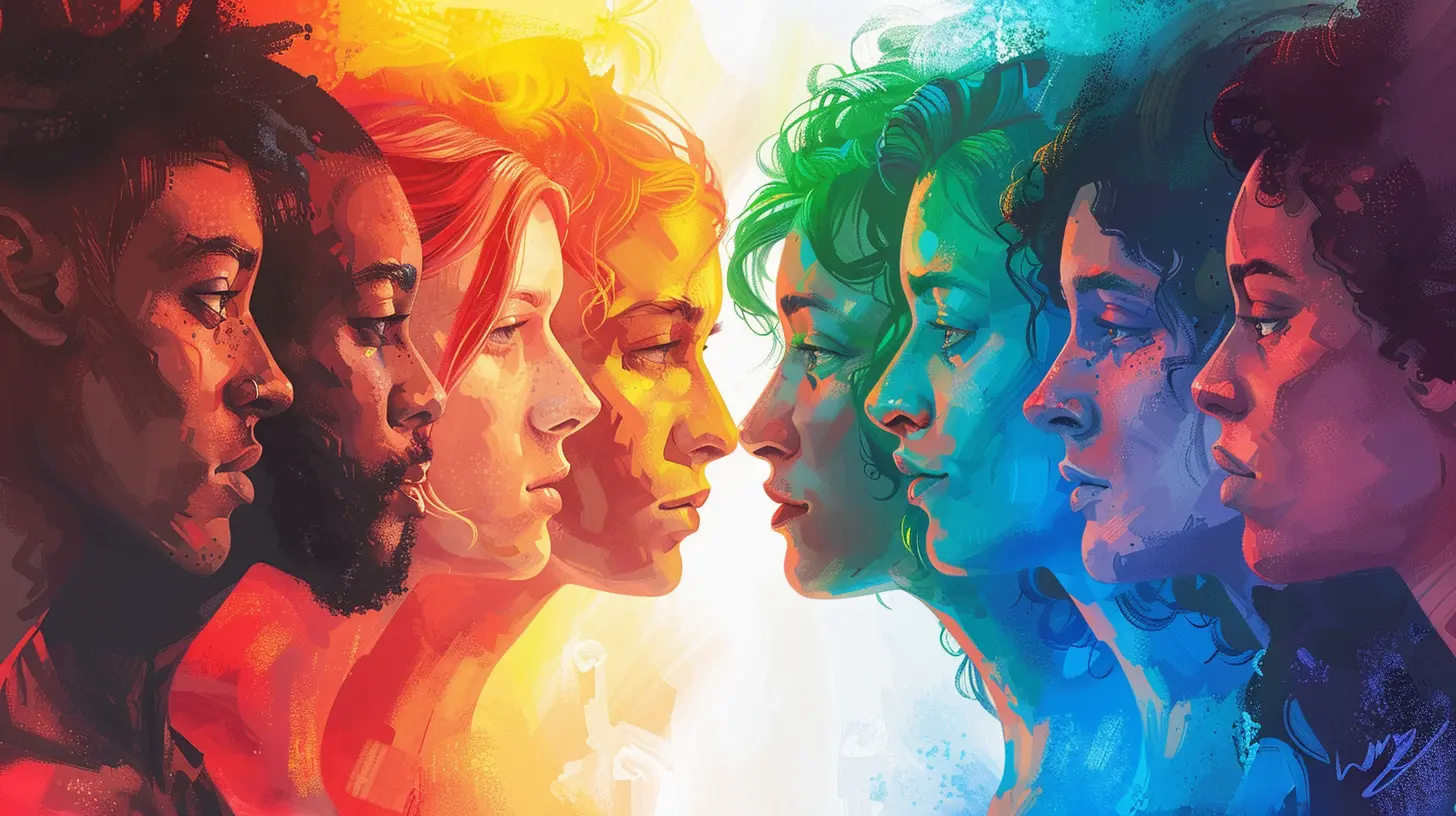
Why Is Diversity in Games So Important?
Okay, pause for a second and think — when was the last time you saw a game character who looked, sounded, or lived like you?Representation matters. Seeing yourself in a character can be powerful and validating. Whether it's based on gender identity, ethnicity, ability, or sexual orientation, inclusive representation in games can make a world of difference.
Diverse games don’t just open minds — they ignite empathy. They teach players that everyone’s story deserves to be told, not just the ones we've been seeing for decades. When done right, diverse gaming is like a multiplayer mode that connects hearts, not just controllers.
Key Elements That Make a Game Inclusive
Before we jump into our list, let's break down what makes a game truly inclusive. It’s not just slapping a rainbow flag on the cover or offering a female character skin. Real inclusivity runs deeper, and here's what to look for:- Customizable Characters: Let players design their avatars with varied body types, genders, and backgrounds.
- Authentic Storytelling: Include narratives that reflect real-world struggles and achievements of marginalized communities.
- Accessibility Features: Give options for colorblind modes, subtitles, control remapping, and more so everyone can play.
- Diverse Casts: Characters of different races, abilities, sexual orientations, and cultures should be central to the game, not just included as an afterthought.
- Cultural Sensitivity: Avoid harmful stereotypes and ensure respectful representation.
Sounds like a big ask? Maybe. But these games are already doing it — and doing it well.
1. The Last of Us Part II – Breaking Boundaries
This game isn’t just about surviving in a post-apocalyptic world. It’s about love, identity, and human connection. Ellie, the main protagonist, is a young lesbian woman navigating a broken world — and her story is told with care.The game also features a trans character, Lev, from the Seraphites faction, whose journey explores themes of acceptance and courage. Naughty Dog handled these narratives with stunning sensitivity, proving that diversity can be a core part of storytelling — not just a side quest.
Why it stands out:
- LGBTQ+ representation
- Strong female characters
- Mental health exploration
2. Life is Strange Series – Stories with Heart
If you haven’t played Life is Strange yet, you’re missing out. Each installment explores deep emotional themes, like identity, abuse, and coming-of-age, all while making space for queer characters and people of color.The “True Colors” installment stars Alex Chen, a bisexual Asian-American woman who navigates grief and connection through her supernatural empathy powers. It’s beautifully written and full of impactful choices.
Why it stands out:
- Queer representation done right
- Diverse leads who are more than stereotypes
- Empathy-focused gameplay
3. Tell Me Why – A Win for Transgender Representation
From the minds behind Life is Strange comes Tell Me Why — the first game from a major studio to feature a transgender protagonist, Tyler Ronan. What’s even cooler? He’s voiced by a trans actor, too.The game handles Tyler’s story with nuance, diving into themes of identity, family, and acceptance. It’s heartfelt, honest, and even more powerful because it doesn’t sensationalize trans experiences. It just tells them.
Why it stands out:
- Authentic trans representation
- Inclusive development process
- Story-driven emotional depth
4. Celeste – Climbing Mountains, Internally and Externally
At first glance, Celeste seems like a simple platformer. But climb a little higher, and you’ll find a story about anxiety, depression, and self-acceptance.You play as Madeline, who scales a mystical mountain while battling her inner demons — literally and figuratively. Later updates and developer comments confirmed that Madeline is a trans woman, making her one of the few trans leads in gaming.
Why it stands out:
- Mental health-centered narrative
- Subtle yet powerful LGBTQ+ themes
- Accessibility options baked in
5. Overwatch – Diversity in a Shooter? Yep!
When Blizzard launched Overwatch, they didn’t just create a fast-paced team shooter. They introduced a world bursting with characters of different nationalities, sexualities, and backgrounds.You’ve got Tracer, a lesbian British pilot; Zarya, a muscular Russian tank character; and Symmetra, who is on the autism spectrum. Each hero brings a unique perspective, culturally and gameplay-wise.
Why it stands out:
- Global cast of heroes
- Inclusive in gender and neurodiversity
- Ongoing improvements in representation
6. Apex Legends – Battle Royale with Big Representation
Apex Legends didn’t hold back when it launched its ever-growing roster. Characters like Gibraltar, a gay Samoan, and Bloodhound, a non-binary tracker, are central to the game — not shoved off to the side.What’s awesome is that these characters don’t exist solely to tick boxes. They’re fleshed-out, badass, and just plain fun to play. Inclusion becomes part of the strategy — and that’s a win.
Why it stands out:
- Non-binary and LGBTQ+ characters
- Body diversity in character design
- Representation integrated into lore
7. Animal Crossing: New Horizons – Your Island, Your Identity
Need a break from intense storylines and high-stakes combat? Animal Crossing: New Horizons gives you a calm, charming world where you can be unapologetically you.From non-gendered clothing to inclusive character creation, the game lets players express themselves freely. Oh, and the villagers? A delightful mix of personalities that reflect different walks of life.
Why it stands out:
- Gender-neutral customization
- Uplifting, inclusive vibe
- Community-focused gameplay
8. Dream Daddy – Dating Sim with a Twist
Dream Daddy is a queer-positive dating sim that throws out traditional norms. You play as a dad dating other dads, and it’s as wholesome as it is hilarious.It explores different family dynamics, sexual identities, and emotional connections — all with a wink and a smile. The writing is clever, respectful, and full of heart.
Why it stands out:
- Body-positive and LGBTQ+ inclusive
- Diverse relationship options
- Refreshingly light-hearted tone
9. GRIS – Art Meets Emotional Healing
GRIS is more than a game — it’s visual poetry. As the protagonist Gris heals from grief, players journey through sorrow, resilience, and growth.The game avoids speech altogether and communicates purely through animation and music. It’s an inclusive experience for players from all linguistic and cognitive backgrounds.
Why it stands out:
- Emotionally accessible storytelling
- Inclusive for all age groups
- Minimalistic, non-verbal gameplay
10. Assassin’s Creed: Valhalla – Making Strides
While the Assassin’s Creed series hasn’t always nailed diversity, Valhalla made notable progress. You can choose Eivor’s gender, flirt with different characters, and play through a story rich in cultural depth.Representation in historical settings can be tricky, but Ubisoft made real efforts to balance authenticity with inclusivity.
Why it stands out:
- LGBTQ+ romance options
- Gender choice that impacts gameplay
- Better cultural representation
The Industry Still Has Work to Do
Let’s keep it real: the gaming world still isn’t perfect. Tokenism, poor representation, and lack of accessibility are still issues. But the tide is turning, and the pressure’s on.Gamers are speaking up, developers are listening (mostly), and there’s a clear demand for games that reflect the real world — in all its beautiful complexity.
Final Thoughts: Diversity Isn’t a Trend — It’s the Future
At the end of the day, games are stories — and stories are meant to connect us. Whether you see yourself reflected in a trans hero saving the world or a queer teen navigating high school, inclusive gaming brings us all closer together.So, the next time you're choosing a game, ask yourself: does this game include me? Better yet — does it include everyone?
By supporting titles that uplift diverse voices, we’re not just leveling up in-game — we’re leveling up the entire industry.
all images in this post were generated using AI tools
Category:
Games And Social SkillsAuthor:

Aurora Sharpe